
Brand endorsements can boost your sales overnight, sure, but they do come with their own risks. See, a great endorsement can make people trust your brand faster. It can also boost reach, sales, and name recall.
But what if the person you choose makes one mistake?
Their mistake could quickly become your brand’s problem too. That is why endorsement marketing risks need your close watch. Brands often tie their image to stars and online voices. That link can help, but it can also cause harm.
One wrong move can change how buyers view your brand. So, let’s look at key risks and ways to manage them.
What are endorsement marketing risks?
Endorsement risks are problems that can arise from brand partnerships. They can affect money, trust, law, or long-term brand plans. These risks may not start with your product or campaign.
Sometimes, they start with the person promoting your brand. An endorser’s words, actions, or choices can shift public views. That shift can then hurt your brand’s name and sales.
Some risks come from poor planning before campaigns even start. Others appear without warning after the campaign goes live. Understanding these risks helps brands make safer endorsement choices.
You can then build stronger plans before choosing the right partner.
Knowing the 6 major risks with brand endorsement
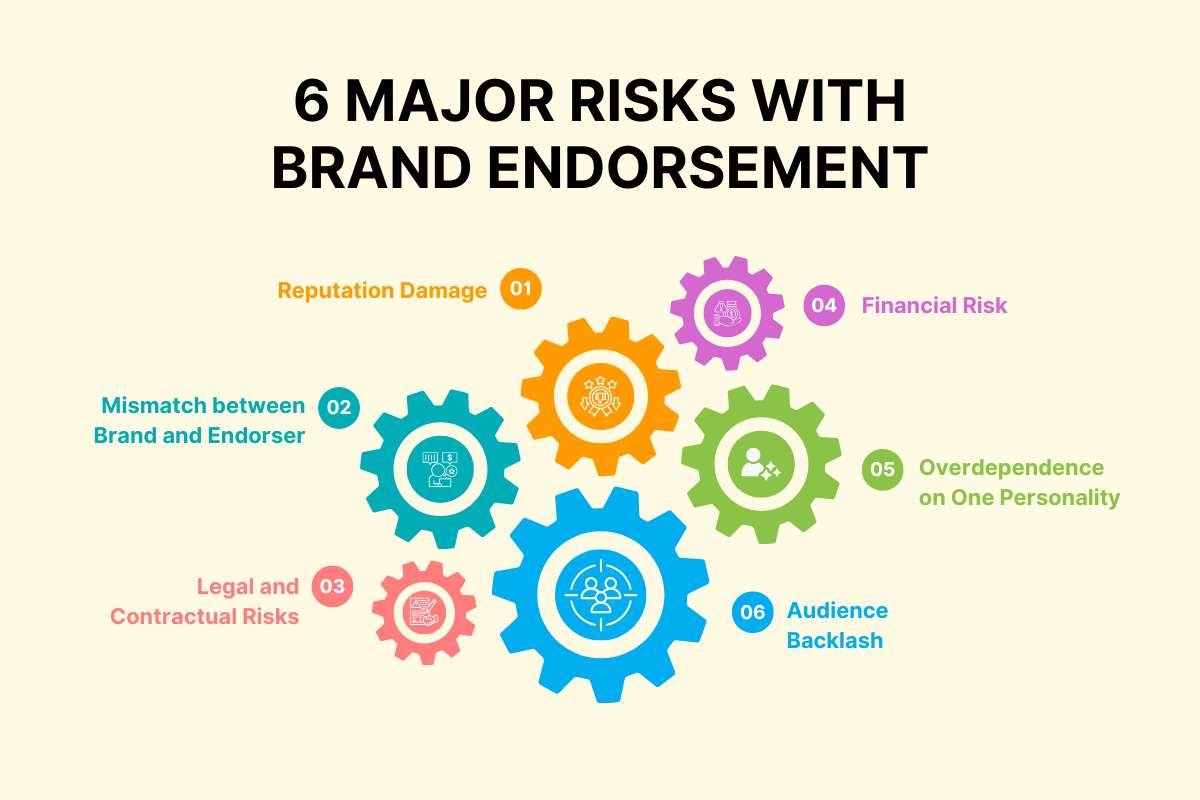
Let’s talk about some of the endorsement marketing risks you need to be ready for. Here are some problems you must know:
1. Reputation damage
Your brand can face trouble when an endorser faces public heat. People often connect that person’s actions with your brand. That link can weaken trust, even without your fault. The effect can spread fast across news and social sites.
For example, brands faced scrutiny after celebrity controversies in past campaigns. The lesson feels simple: Your partner also shapes your image.
2. Mismatch between brand and endorser
A famous face does not always make the right match for celebrity endorsements. The person’s audience, values, tone, and style must fit. A poor fit can make your message feel forced. It can also make buyers question your brand’s real values.
Think of Pepsi’s Kendall Jenner campaign from 2017. The ad faced strong backlash over its protest imagery. Pepsi pulled the ad and later issued an apology. The issue went beyond Jenner’s fame or audience size. The message itself did not fit the wider public mood.
3. Legal and contractual risks
Endorsements can also create legal trouble without clear terms. Usage rights, exclusivity, disclosures, and exit terms need care. A contract breach can then create costly fights. Clear brand endorsement contracts can reduce these risks early. Manisha Kapoor, Secretary General and CEO, ASCI, said that “Being transparent about material connections is mandated both by the ASCI Code and the CCPA guidelines.”
Kim Kardashian’s crypto case shows why disclosures matter. The SEC said she received $250,000 for one promotion. She did not disclose that payment in her post. She later agreed to pay $1.26 million to settle.
4. Financial risk
A big name can demand a very big fee. You may also pay for shoots, ads, and media. Yet high reach does not always bring high returns. A weak campaign can leave your brand with huge costs.
I would judge the full cost before signing any deal. Then I would compare that cost with clear campaign goals.
5. Overdependence on one personality
One face can become too closely tied to your brand. That bond can help recall, but it creates risk. If the deal ends, your brand may lose key value. You may then need a new face and fresh message.
A strong brand should build its own identity too. That way, one person’s exit cannot shake the whole brand.
6. Audience backlash
People can spot endorsements that feel fake or forced. They may reject claims that clash with the person’s image. Influencer audiences can react in ways celebrity fans may not. They often expect closer ties between creators and their content.
That makes the audience fit just as vital as audience size. Before signing, I would ask one simple question: Would this partnership feel natural to the audience?
Difference between celebrity vs. Influencer endorsement marketing risks
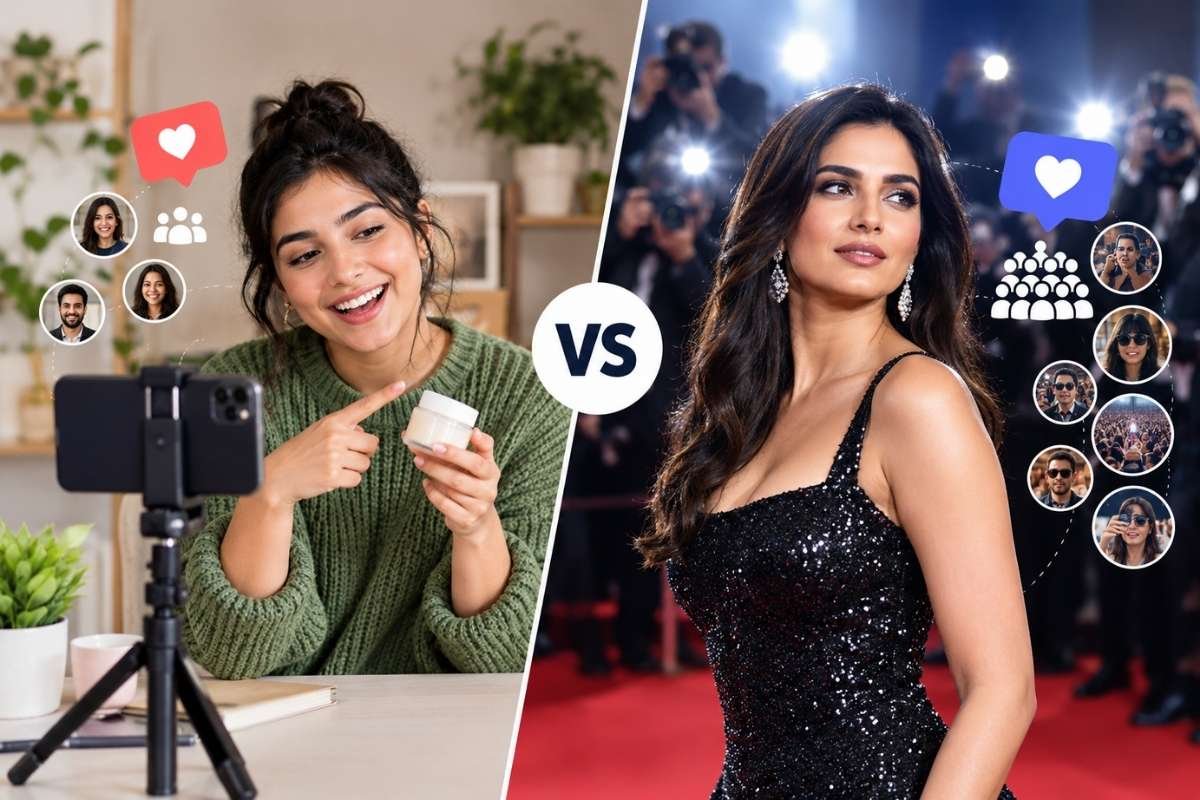
Celebrity vs. influencer endorsement is a dilemma for all brands nowadays. While celebrity deals can put your brand in front of huge audiences. But that reach often comes with higher costs and risks. A celebrity’s public image can also change very fast. Influencers can offer stronger links with niche groups. Their smaller communities may also feel more personal and close. Still, trust can fall when sponsored posts feel fake.
One 2025 survey found only 17% trusted celebrity endorsements. The same study found 84% preferred creators below one million followers.
So, I would not judge risk by reach alone. Look at the person’s audience, platform, history, and brand fit. Your choice should match both goals and risk level.
How can brands reduce endorsement marketing risks?

So, how can you lower the risks before they grow? Let’s understand.
- Research the endorser first: Check past ads, public views, disputes, and audience feedback. Look for warning signs before you sign the deal.
- Check the brand fit: Ask if their image matches your brand and values. Their audience should also match the people you want. A good fit makes the partnership feel more natural.
- Set clear contract terms: Cover content, usage rights, exclusivity, disclosures, and exit terms. Good brand endorsement contracts can prevent many future disputes. You can also use Negotiation tips for influencer partnerships for help.
- Prepare for public issues: Decide what happens if controversy hits the endorser. Set steps for pauses, reviews, or contract exits early.
- Track what the campaign achieves: Watch clicks, leads, sales, engagement, and brand sentiment. Understand how to measure ROI of brand endorsement for guidance.
- Do not rely on one personality: Build other channels that can support your brand over time. That way, one exit cannot put your whole plan at risk.
How to evaluate risk before signing an endorsement deal?
Before you sign, run one quick check on the deal.
- Person: Check the person’s history, conduct, and public image.
- Audience: Review audience quality, trust, size, and relevance.
- Fit: Ask if their image matches your brand values.
- Reputation: Check past issues and likely future risks.
- Contract: Review rights, exits, terms, and disclosure needs.
- Cost: Add talent fees, media costs, and campaign costs.
- ROI: Set clear goals for sales, leads, reach, and engagement.
This simple check can help you spot endorsement marketing risks. It also helps you compare the deal with clear goals.
Conclusion:
In the end, endorsements can build trust, reach, and strong brand value. But fame alone should never drive your choice for brand endorsements [Pillar Article]. The real risk starts when brands skip key checkpoints. Before you finalize, research the person, check brand fit, and set clear terms in the contract.
Plan for issues that may or may not appear, track results, and measure your ROI. These steps can help you manage endorsement marketing risks well.
In the end, choose the strategy that fits your brand.
People also asked:
1. What are the biggest endorsement marketing risks?
Key risks include reputation damage, poor brand fit, legal issues, high costs, and audience backlash. One issue can quickly affect trust, sales, and brand value.
2. How can brands reduce endorsement marketing risks?
Brands can research partners, check brand fit, use clear contracts, monitor reputation, and track campaign results. These steps can lower risks before problems grow.
3. Are celebrity endorsements riskier than influencer endorsements?
Neither is always riskier. Risk depends on reputation, audience, costs, contract terms, platform, and the goals behind the campaign.
4. Why are brand endorsement contracts important?
Contracts set clear rights, duties, payments, usage rules, exclusivity, and exit terms. They also give both sides a clear plan if issues arise.