

Influencer partnerships can cost more when brands chase headline fees. The real deal value sits across many terms and clauses. Those terms can add costs long after signing the deal. That makes negotiation tips for influencer partnerships vital for brands.
You need to assess fees, content, rights, timing, and risk. A lower fee may still create a costly deal. Creator marketing now commands serious budgets across global brand teams. IAB projects U.S. creator ad spend at $37 billion. That marks a 26% rise from the prior year. So, smart negotiation means more than asking for discounts. It means shaping fair terms before both sides sign.
Seven best negotiation tips for influencer partnerships
1. Start with the partnership’s actual value
Before we discuss price, let’s first score the partnership’s true value. That score should cover more than follower count alone. There are seven factors to consider before discussing any creator fee.
| Factor | What You Should Check |
| Audience & its size | How many people can this creator reach, and is it within my customer group? |
| Engagement quality | Do followers comment, save, share, and act? |
| Content quality | Can their content meet my brand standards? |
| Platform | Does the platform suit my campaign goal? |
| Campaign goal | Do I need reach, trust, leads, or sales? |
| Past results | What results did similar brand posts deliver? |
A 2025 Indian study supports this broader way of thinking. It found trust and authenticity matter beyond follower counts. CreatorIQ also found creator investment rose 171% last year.
So, you should never price solely from follower numbers. A skincare creator with 40,000 fans may outperform celebrities. Their audience may closely match buyers seeking Indian skincare advice. That fit can create more value than raw reach alone.
The biggest creator does not always create the best deal. The right creator creates value when audience fit meets goals.
2. Know which deliverables you are actually buying

“One Instagram post” sounds clear, but it leaves much unsaid. Always define each deliverable before you discuss the final fee. That step helps both sides avoid costly disputes later.
Start by listing every part of the planned campaign clearly. Specify the number of posts, stories, reels, and videos. Name each platform where the creator will publish campaign content. Set posting dates, formats, links, codes, and review rounds. Also state whether cross-platform posting forms part of delivery.
Creative revisions need clear limits before work starts too. Otherwise, extra edits can create delays, fees, or disputes. Clear terms also help brands track what they actually bought.
Also, separate content creation from content distribution every time. A creator may produce one video for your brand. That does not grant your brand unlimited usage rights. Publishing content and licensing content serve different commercial needs.
For example, your brand may need paid ads later. That use requires separate terms in many influencer deals. Your brand endorsement contracts [Supporting] should capture every agreed deliverable. They should also define rights, limits, dates, and approval rules.
This approach makes negotiation tips for influencer partnerships much more practical.
3. Negotiate usage rights separately from the creator fee
Negotiation tips for influencer partnerships are more than fee talk. A creator fee does not automatically grant unlimited content rights. That distinction can save brands from high future costs. Organic usage covers brand-owned channels and normal social posts. Paid usage allows brands to place content behind ad spend.
The contract should define each use before signing any deal. That includes social pages, websites, emails, and paid ads. It should also cover creator licensing or whitelisting rights. Usage duration and target markets need clear limits too.
Ask these questions before approving any creator partnership agreement:
- How long can the brand use this content as a paid ad?
- Which countries and markets can use this content?
- Can the brand use content across email and websites?
- Does creator licensing include paid media and whitelisting?
ASCI also expects brands and creators to disclose material connections. Its guidelines cover paid deals, gifts, barters, and other benefits. The guidance also places disclosure duties on both parties.
4. Negotiate exclusivity without overpaying

Exclusivity can raise costs when brands define it too broadly. It limits which brands or products creators can promote. That restriction can also reduce the creator’s future income.
Several exclusivity types can appear within one influencer deal:
- Product exclusivity: Blocks promotion of one named product type.
- Category exclusivity: Blocks work across a wider market segment.
- Competitor exclusivity: Blocks specific competing brands from partnerships.
- Platform exclusivity: Limits partnerships across selected social platforms.
- Time-based exclusivity: Restricts competing work during defined periods.
Each restriction carries a different commercial cost for creators. A narrow clause often creates enough protection for brands. A broad clause can become expensive without adding much value.
Consider a skincare creator promoting one sunscreen product online. A brand might block every beauty partnership for six months. That rule reaches far beyond the promoted sunscreen product. It could stop deals involving makeup, cleansers, or haircare. Such limits can remove several income options for that creator.
A smarter deal names each restricted competitor or product. It should also define category limits and exact campaign dates. Compensation should rise when restrictions become broader or longer. That approach keeps influencer partnership negotiation fair for both sides.
The goal should involve protection without blocking future creator income. Narrow terms often deliver that balance better than blanket bans.
5. Do not negotiate only on the influencer’s asking price
The asking fee represents only one part of deal value. Brands can often gain more by changing deal structure. Different payment models can match different campaign goals better.
- A lower base fee plus performance bonus suits measurable campaigns. It works best when creators can influence final purchase actions. Brands should still control pricing, pages, stock, and order delivery.
- Package pricing can lower costs across several planned deliverables. This model suits campaigns needing posts, stories, reels, and videos. A larger order can justify better rates from creators.
- Multi-post agreements can also create stronger value over time. They help creators plan content while brands build repeated reach. This model works well for launches needing steady audience contact.
- Affiliate commission suits products with clear online purchase paths. Creators earn more when their content drives trackable sales. Brands gain a closer link between spend and campaign results.
- Product plus paid content can suit smaller creator campaigns. However, brands should define product value within the agreement. Free products should never replace fair pay for major work.
Long-term ambassador deals suit brands seeking deeper creator ties. They can lower repeated negotiation costs across several campaigns. They also help creators build stronger links with the brand.
Creator payment models already vary widely across campaign types. A 2025 Lumanu report found many creators prefer mixed models.
Performance-only deals can create unfair risk for creators. Creators cannot control pricing, landing pages, stock, or delivery. Those factors can heavily affect final conversion rates.
That makes negotiation tips for influencer partnerships broader than price cuts.
The strongest deal structure shares risk across both parties.
6. Protect the deal with clear performance and approval terms

A strong deal needs clear rules before content work begins. These rules help both sides handle changes without added friction. Marketers should clarify key terms before signing any agreement.
- Content approval should define what the brand can review. The brand can check facts, claims, names, and key details. However, approval should not control every creative choice.
- Revision limits should state how many edits each side gets. Unlimited revisions can create delays and raise hidden campaign costs. A set number keeps the process clear and fair.
- Posting deadlines should include exact dates and required platforms. The agreement should explain remedies when creators miss those deadlines. Those remedies might include replacement content or partial fee adjustments.
- Disclosure rules also need clear expectations from the start. ASCI requires clear disclosure when creators have material brand connections. Disclosure should remain visible, clear, and easy for audiences to understand.
- Brand-safety terms should cover conduct that harms brand trust. These terms should focus on clear risks, not vague behavior. They should also define what happens after serious violations.
- Cancellation terms need attention before either side starts work. Define notice periods, payments, refunds, and completed work. That clarity can prevent conflict when campaign plans suddenly change.
Creative control and factual accuracy need separate treatment. Brands need accurate claims without dictating every creative choice. That balance protects trust while preserving authentic creator voices.
For wider concerns, endorsement marketing risks offer useful context. Clear terms help reduce risks before campaigns create larger problems.
7. Use audience data as a negotiation tool
Audience data can reveal values that follower counts often hide. Brands should request key audience data before finalizing deals. This step can also support stronger fee discussions later.
Ask for audience location, age ranges, and gender distribution where relevant. Then review reach, impressions, engagement, story views, and video views. Historical campaign results can show how audiences respond commercially.
Audience fit can matter more than total reach alone. A smaller Indian audience may suit a local brand better. A huge global audience may create weaker campaign value overall.
Research supports this focus on audience trust and creator credibility. A 2024 study linked influencer credibility with stronger purchase intent. Trust can therefore shape value beyond raw audience size alone.
However, brands should question screenshots shared without deeper context. Screenshots can show selected results without revealing full campaign data. Ask for platform insights when the deal size justifies deeper checks. Compare several posts instead of judging one strong result alone.
This approach makes influencer partnership negotiation more evidence-based and fair. It also helps brands spot inflated reach claims early. Better data can support better terms before contracts get signed.
A practical influencer negotiation checklist
A clear checklist can turn good advice into action. Use these questions before approving any creator partnership deal.
- What exactly will the creator deliver?
- Where and when will the content be published?
- How many revisions are included?
- Who owns the content after the campaign?
- How long can the brand use the content?
- Can the brand use it for paid ads?
- Does exclusivity apply, and which competitors does it cover?
- What happens if either party cancels?
This checklist also helps teams spot hidden costs early. It makes negotiation tips for influencer partnerships easier to apply. It also gives marketers a clear pre-contract framework for deals.
How does negotiation change by influencer type?
Negotiation strategy should change with creator scale and value. Each creator tier brings different needs, risks, and priorities.
| Influencer type | Negotiation priority |
| Nano/micro | Audience fit and content quality |
| Mid-tier | Deliverables and performance |
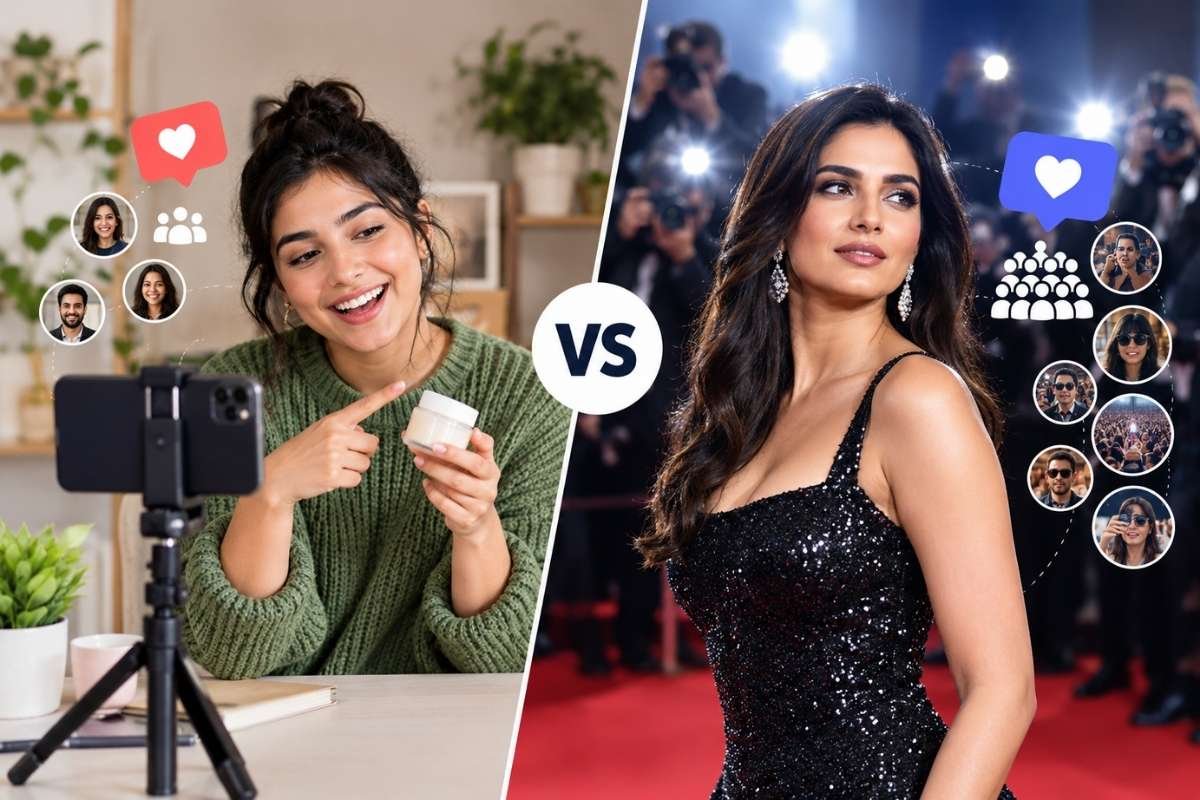
| Macro | Usage rights and exclusivity |
| Mega-celebrity | Rights, territory, duration, and contract structure |
Conclusion:
A strong influencer partnership starts with clear value and expectations. It also needs clear rights, limits, timelines, and responsibilities. A lower upfront fee does not guarantee a better deal. Hidden costs can still appear through broad rights or revisions.
The best negotiation tips for influencer partnerships focus beyond price. You should negotiate deliverables, rights, restrictions, timelines, and risks alongside fees. Clear terms protect budgets while keeping creator partnerships for brand endorsement fair.
FAQs
1. How do you negotiate influencer partnership rates?
Compare audience fit, content quality, deliverables, usage rights, exclusivity, and past results before agreeing on a rate.
2. What should brands negotiate with influencers besides price?
Brands should clarify deliverables, timelines, revisions, usage rights, exclusivity, reporting, cancellation, and disclosure terms.
3. How much should usage rights affect an influencer fee?
Usage rights should increase fees based on the content’s duration, reach, platforms, paid advertising use, and geographic scope.