You see Virat Kohli holding a pair of sports shoes. You already know he trains hard and plays at an elite level. So his choice can make those shoes feel more credible. That is the core power of endorsement in advertising today.
A star, expert, or creator lends trust to brands. Their voice can make a product feel worth your money. That matters when brand claims alone feel too sales-driven. But not every famous face can drive the same response.
In this blog, I’ll show what makes endorsements truly work.
What is an endorsement in advertising?
According to Nielsen’s 2013 report, Under the Influence: Consumer Trust in Advertising.
That idea explains why endorsements can shape buyer choices. Endorsement in advertising means someone supports a brand publicly. That person may be a celebrity, athlete, or expert. They may also be an influencer, customer, or creator. Their support adds trust beyond the brand’s own claims.
A normal ad says, “Our product works very well.”
An athlete might say, “I use these shoes daily.”
That second message feels more personal and easier to trust. Nielsen found that 84% trusted word-of-mouth recommendations the most worldwide. This trust can raise awareness and shape brand views. It can also increase interest and purchase intent. So, the right voice can make claims feel more real.
How does endorsement in advertising work?

Endorsement advertising works like a trust journey for buyers. First, the brand picks someone its audience already respects. Audience fit matters more than fame when choosing endorsers.
Next, the brand sets one clear goal for success. That goal may involve awareness, trust, launches, sales, or reach.
Then, the endorser shows why the product deserves attention. They may share stories, demos, or real product experiences. Their message feels relatable because their audience knows them. That trust can then shift toward the brand itself.
Finally, brands track reach, clicks, sales, and conversions closely. They can also compare campaign costs against earned revenue. This step shows whether the endorsement drove real business value.
Who can endorse a brand? Endorsers and their strengths
“Followers are more likely to trust and rely upon people they follow.”
FTC.gov
Brands can choose endorsers based on influence, not fame alone.
An endorsement in advertising with celebrities offers mass reach and strong public recognition. Athletes add performance value, ambition, and winning mindsets. Actors and musicians can shape culture and brand appeal. Influencers often bring deeper trust within focused communities. Experts add proof when products need strong subject knowledge.
Customers can make brand messages feel honest and relatable. Niche creators can also reach small, highly engaged groups.
| Endorser | Main strength |
| Celebrity | Mass awareness |
| Athlete | Performance and aspiration |
| Influencer | Community trust |
| Expert | Industry credibility |
| Customer | Everyday relatability |
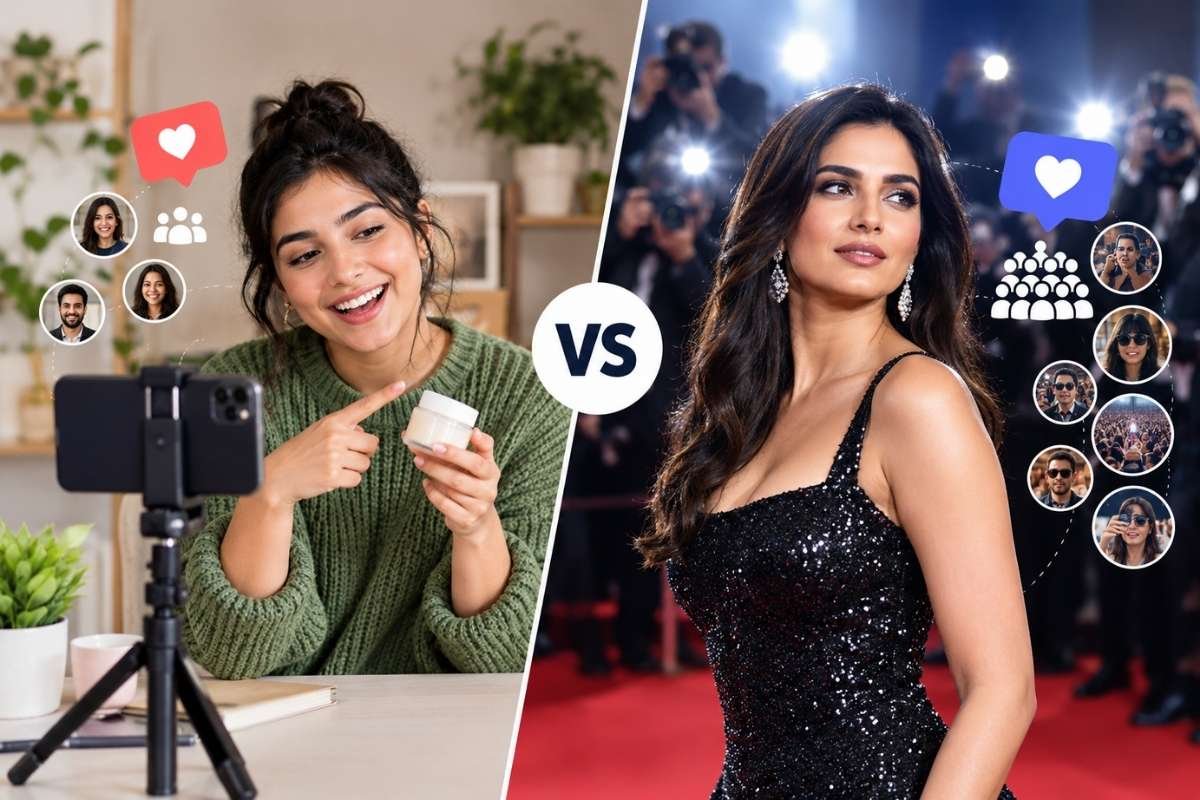
This also frames celebrity endorsement vs influencer marketing clearly. The best choice depends on the campaign’s main goal.
The 5 types of endorsements in advertising
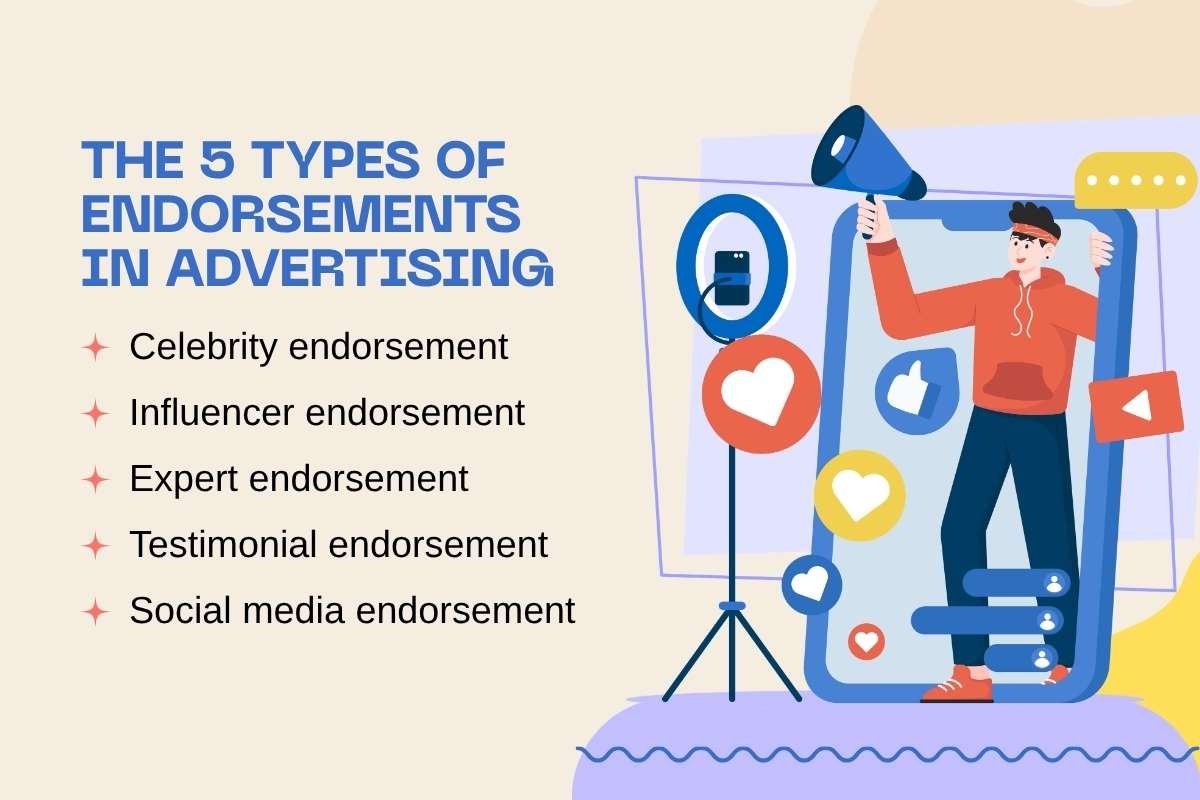
Different endorsement formats serve different campaign goals. So, I would match each format with its best use.
- Celebrity endorsement: A famous face can boost mass awareness. It works best when brands need broad public attention.
- Influencer endorsement: A creator can reach niche communities. It suits brands seeking trust within focused interest groups.
- Expert endorsement: A skilled professional can strengthen product credibility. This works well for health, finance, or technical products.
- Testimonial endorsement: A customer shares their own product experience. This format works best when brands need relatable proof.
- Social media endorsement: Creators promote products through posts or videos. It suits brands seeking quick reach and strong engagement.
These formats show why types of brand endorsements matter. Choosing the right format can shape campaign results greatly.
Endorsement vs other brand-building strategies
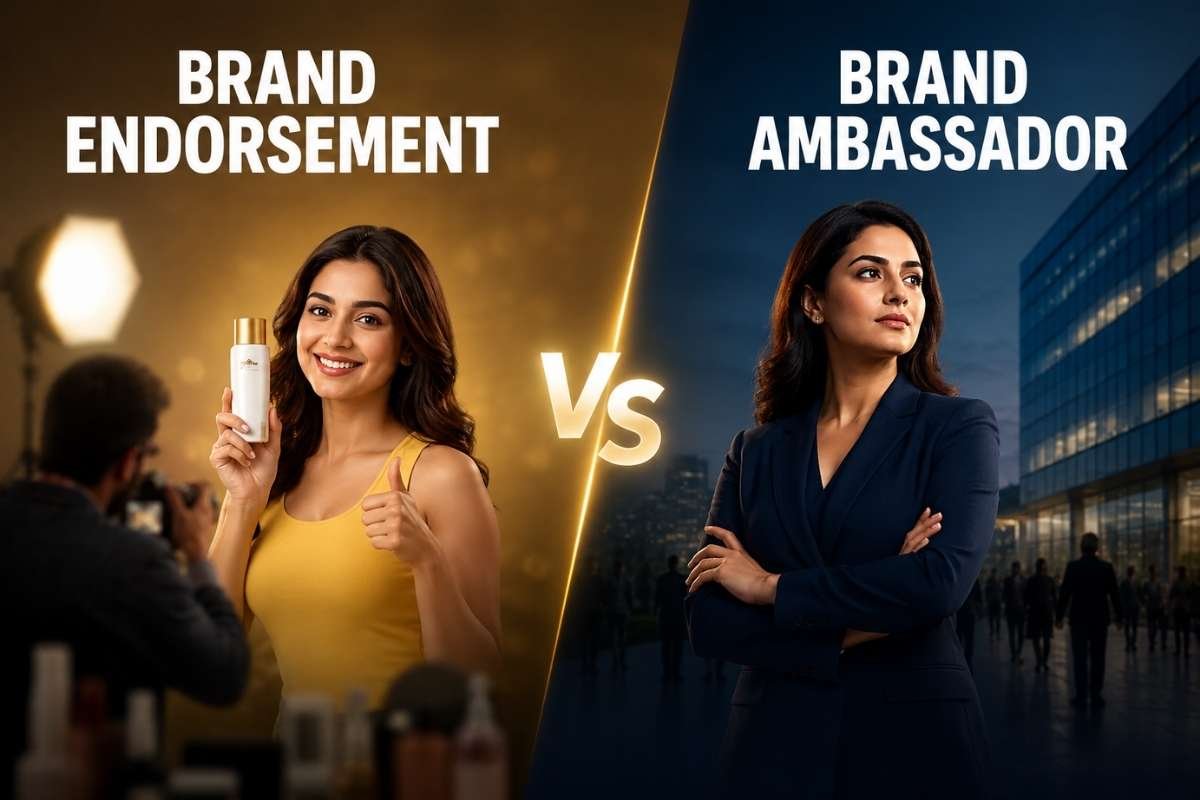
Choosing the right approach starts with knowing each role. An endorsement in advertising usually supports one product or campaign. A brand ambassador often builds ties over many campaigns. That makes ambassadors’ work broader and more long-term.
Every brand strategy also needs clear context. Influencer marketing can include endorsements and sponsored product content. It can also include affiliates, reviews, and community engagement. Paid endorsements differ from organic recommendations in another key way. Paid posts involve agreed promotion, while organic praise happens freely.
Nielsen found 83% trusted friends and family recommendations globally.
So, trust can matter more than paid reach alone. The best choice depends on your goal, audience, and budget.
What makes an endorsement in advertising effective?
A strong endorsement starts with a good brand and endorser fit. The endorser should also match the audience’s needs well. Credibility matters more than fame or follower counts alone. Clear disclosure helps audiences understand paid brand relationships. The message should stay clear across every campaign channel.
Authentic content can make sponsored messages feel more natural. Timing also matters when trends or needs shape demand. Brands should set clear goals before campaigns begin. Track reach, clicks, leads, sales, and return on investment.
Millions of followers cannot guarantee strong campaign results alone. My simple rule is clear: relevance beats raw follower count. Poor fit, controversy, or weak contracts can create risks. These are key endorsement marketing risks brands must manage.
How to measure endorsement advertising success?

Start with one key rule: Likes do not equal sales.
Before launch, record your current numbers as a baseline. Then compare those numbers after the campaign ends.
Track these key signals:
- Reach and impressions: How many people saw your message?
- Engagement: Did people like, share, or discuss it?
- Traffic and leads: Did interest move toward your site?
- Conversions and sales: Did people actually take action?
- Brand searches: Did more people search your brand?
- Customer acquisition cost: What did each new buyer cost?
- ROI: Did the campaign earn more than it spent?
High engagement can look great without creating real revenue.
3 memorable brand endorsement examples to remember
Some endorsements work because the person fits the product perfectly. The best ones feel natural, not like forced paid promotion. When done well, they don’t just sell products; they shape culture, influence buying behaviour, and build long-term brand loyalty.
1. Michael Jordan and Nike
Michael Jordan helped Nike turn basketball shoes into a global cultural movement. His dominance on the court made Nike’s performance claims feel proven, not just advertised. The Air Jordan line created a lifestyle and status symbol.
By the mid-1990s, Air Jordan was generating over $2 billion annually in revenue, and today the Jordan Brand is estimated to be worth $6+ billion per year on its own. This partnership transformed Nike into a leading sportswear giant and continues to influence sneaker culture decades later.
It also set a benchmark for athlete endorsements worldwide.
2. Virat Kohli and One8
Virat Kohli brings massive cricket influence and a strong personal brand to One8.
His fitness-driven lifestyle and disciplined image align closely with the brand’s identity.
With over 250+ million social media followers across platforms, Kohli’s reach gives One8 instant visibility at scale.
Fans don’t just see products anymore. Instead, they see a reflection of Kohli’s personality and values.
This connection has helped One8 expand from apparel into fragrances, footwear, and a broader lifestyle portfolio.
It also strengthens customer trust because the endorsement feels authentic and lived-in.
3. George Clooney and Nespresso
George Clooney became the face of Nespresso’s premium coffee positioning.
His sophisticated and charismatic image reinforced the brand’s luxury appeal. The campaigns, running for over 15+ years, used humour and storytelling to make premium coffee feel accessible rather than distant.
As a result, Nespresso grew into a global brand with a presence in 80+ countries and annual revenues exceeding $6 billion.
Clooney’s association also helped build consistency and trust in the brand, making him one of the most recognizable celebrity brand ambassadors in the world.
These cases show why brand endorsement examples need context. The person, product, and audience must align not just visually, but strategically, because the real impact lies in how deeply the endorsement shapes perception, trust, and long-term brand value.
Conclusion:
The right endorsement can boost awareness, trust, and buyer interest. But fame alone cannot guarantee a strong campaign outcome. I would always check audience fit, credibility, and authenticity first. Clear goals also help brands judge what truly worked.
That makes endorsement in advertising more than paid promotion. It becomes a tool for building lasting brand trust. Before choosing an approach, understand the wider brand endorsement landscape.
Frequently asked questions
1. What is endorsement in advertising?
It means a person publicly supports a brand, product, or service. That person can lend trust, credibility, and social proof.
2. Why do brands use endorsements in advertising?
Brands use endorsements to build trust and boost awareness. They can also reach specific groups through trusted voices.
3. What are the different types of advertising endorsements?
Common types include celebrity, influencer, expert, and testimonial endorsements. Social media endorsements also help brands reach digital audiences.
4. Are endorsements effective for every brand?
Not always. Results depend on audience fit, credibility, and goals. Product type, timing, and campaign execution also shape endorsement success.