
Do you remember the time when Amitabh Bachchan did that Navratna Cool Oil ad? Remember the one where he wore the same clothes from Kajra Re? “Navratna Aajmayee… Navratna Aajmayee” the jingle went. To this day, it is one of the most iconic ads an Indian celebrity has ever participated in.
That impact comes from more than his fame alone. It’s his style, values, and audience that can shape buying choices. The same logic guides brands seeking celebrities for endorsements today.
A youth brand may need to reach across college crowds. A finance brand may need trust and strong public respect. So, how do brands choose the right celebrity for campaigns?
We will examine that. Let’s talk about fit, credibility, reach, risks, and campaign goals. All of them also show why fame alone rarely guarantees endorsement success.
What makes a celebrity right for a brand?
Choosing celebrities for endorsements starts with one simple question: Will this person make the brand feel more believable?
Audience alignment matters first because reach must match demand. A college brand needs stars that younger buyers actually follow. A luxury brand may need older buyers with high spending power.
Brand fit shapes whether the partnership feels natural or forced. A fitness star suits sportswear better than luxury jewellery brands. The right match helps audiences connect both names with ease.
Credibility decides whether people trust the celebrity’s recommendation. Strong expertise can make product claims feel more convincing.
Reach matters, but engagement shows who truly pays attention. A smaller loyal audience can beat millions of passive followers.
Reputation also matters because scandals can hurt both brands. Past conduct can quickly turn an endorsement into bad press.
Long-term potential can make one deal worth far more. A lasting partnership builds recall through repeated, consistent brand exposure.
These choices can shape different types of brand endorsements. So, start with your campaign goal before choosing any celebrity.
Top 10 examples of celebrities for endorsements of brands and their impact
If you want a celebrity deal, start with the brand fit. These ten names show how that choice works in practice. Their deals also show why brands pay premium endorsement fees.
1. Virat Kohli
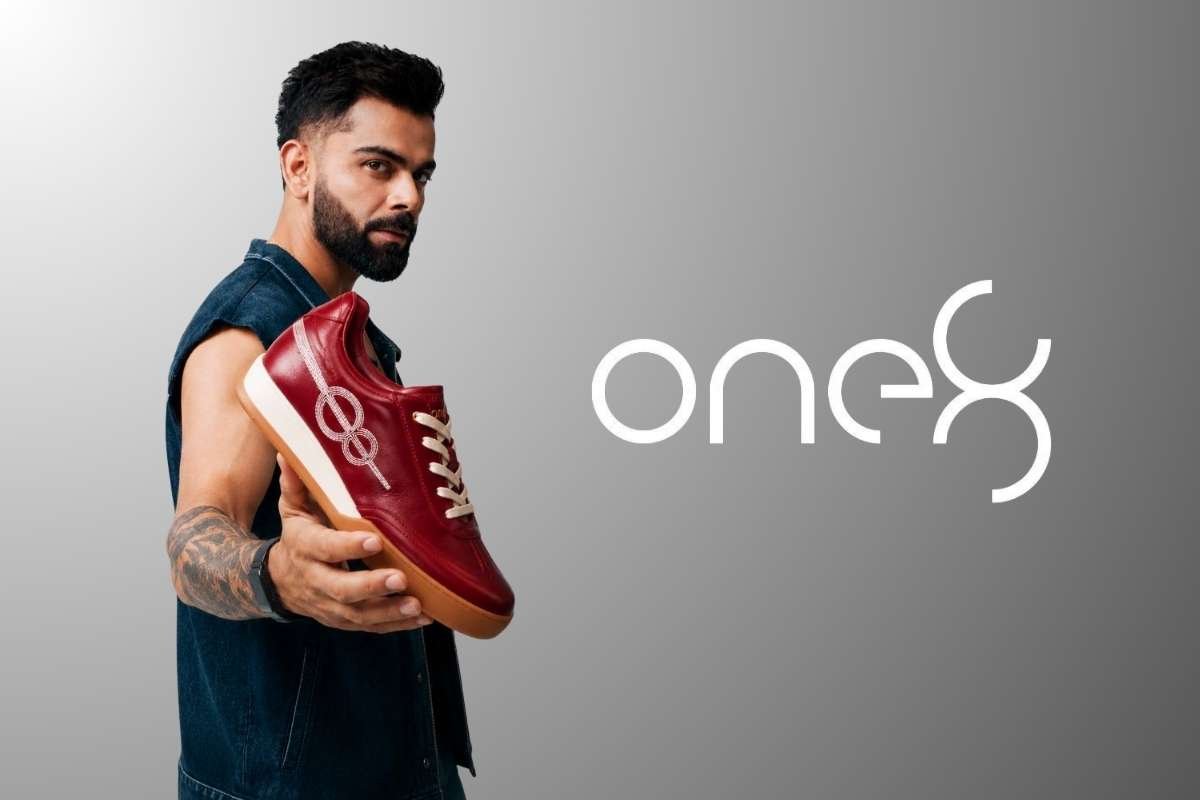
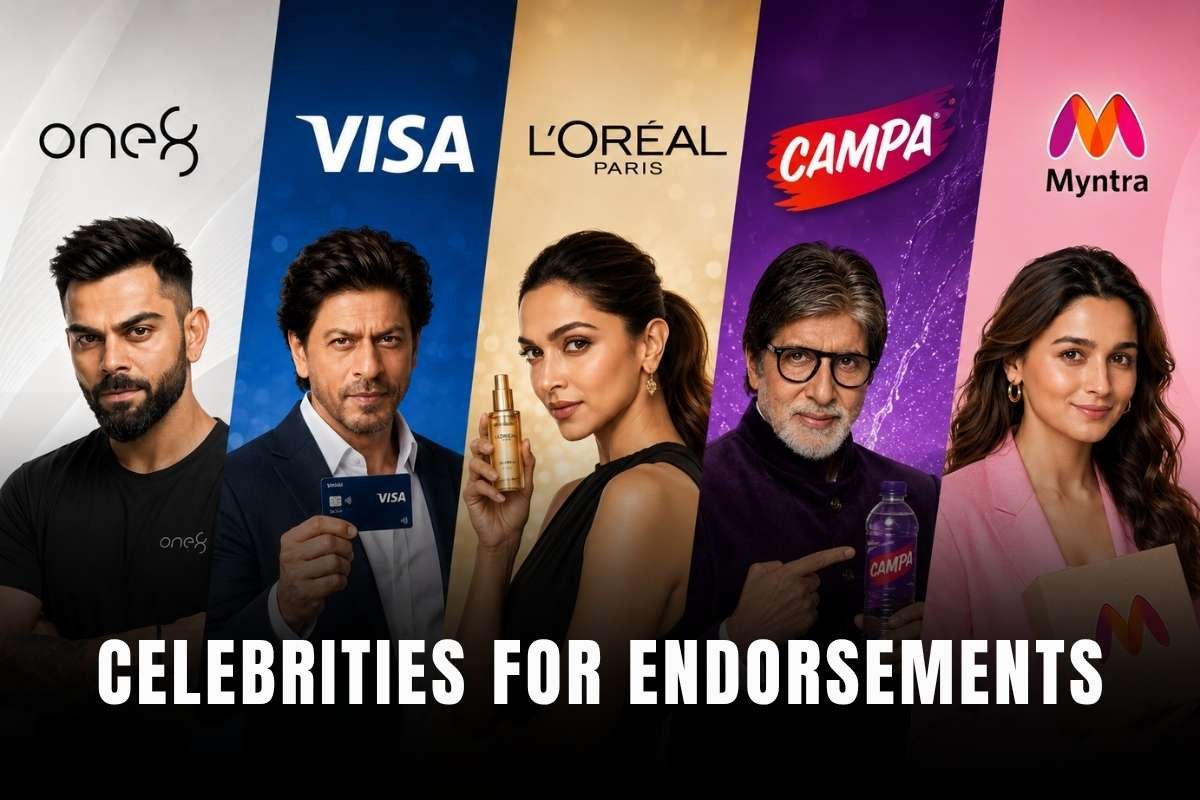
Why brands choose him: Kohli blends sport with modern lifestyle appeal. His image reaches fans across age groups and markets. Brands like MRF, Audi, Manyavar, and Puma used this reach. His One8 venture also gives him strong business credibility.
Best suited for: Sportswear, grooming, fitness, automobiles, finance, and lifestyle.
What brands should consider: His crowded portfolio can create category conflicts. Brands should also separate his own ventures, such as One8, from paid endorsements.
Why this matters: Kohli shows how sport can build lifestyle value. He sells more than performance because his image spans several worlds.
2. Shah Rukh Khan
Why brands choose him: Shah Rukh Khan brings strong recall across India. He has worked with brands across finance, automobiles, and consumer goods. Visa, for example, used him for an aspirational lifestyle campaign.
Best suited for: Finance, automobiles, luxury, travel, and mass-market products.
What brands should consider: His huge fame also brings added scrutiny. Recent regulatory action over Vimal ads shows that risk clearly.
Why this matters: Khan proves that reach can create huge campaign visibility. But brands must weigh visibility against reputation and category risk.
3. Deepika Padukone
Why brands choose her: Deepika can connect Indian and global audiences. Her portfolio includes Louis Vuitton, Levi’s, Adidas, L’Oréal and Tanishq. That range shows how brands use her polished public image.
Best suited for: Beauty, fashion, jewellery, wellness and premium products.
What brands should consider: Her premium image may not suit every category. Brands need a message that feels refined, not overly commercial.
Why this matters: Deepika shows how image can shape brand positioning. Her value often comes from association, not reach alone.
4. Amitabh Bachchan
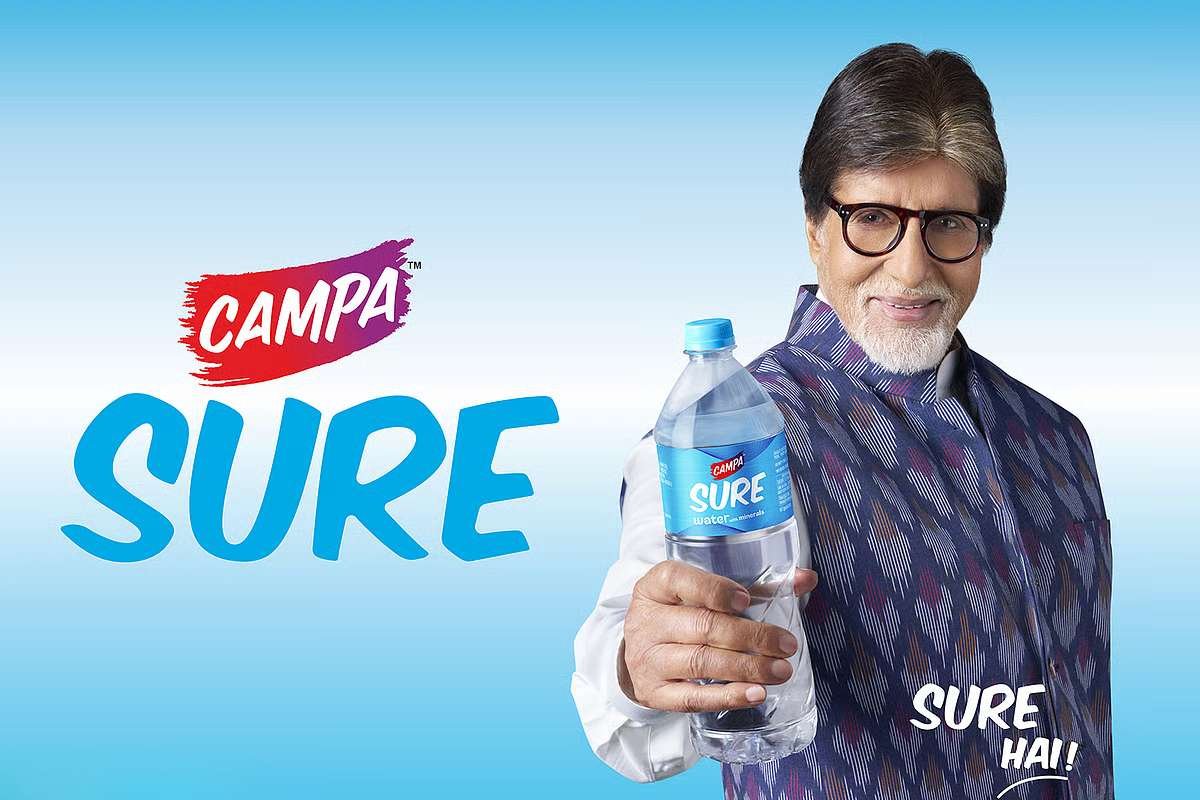
Why brands choose him: Few Indian stars offer comparable familiarity. His appeal spans generations and reaches smaller Indian cities too. Reliance Consumer Products signed him for Campa Sure in 2026. The one-year deal aimed to support Campa Sure’s mass appeal.
Best suited for: FMCG, finance, insurance, healthcare, and mass brands.
What brands should consider: His strongest value comes from broad trust. Brands targeting very young niches may need stronger youth appeal.
Why this matters: Bachchan shows how familiarity can strengthen mass-market brands. His endorsement can make newer products feel more established.
5. Alia Bhatt
Why brands choose her: Alia combines youth appeal with premium positioning. She has represented Gucci, L’Oréal, and Levi’s globally. In 2026, Myntra also named her its fashion ambassador.
Best suited for: Beauty, fashion, retail, lifestyle, and youth products.
What brands should consider: Her growing portfolio can create category overlap. Brands should check existing fashion and beauty commitments first.
Why this matters: Alia shows how one celebrity can serve different markets. Her image now works across both Indian and global campaigns.
6. Ranveer Singh
Why brands choose him: Ranveer can turn simple campaigns into memorable moments.
His bold style gives brands strong creative room and recall. He has worked with Adidas, Pepsi, boAt, and MakeMyTrip. In 2026, IMPACT Mints made him its first India ambassador.
Best suited for: Fashion, grooming, food, youth products, and entertainment.
What brands should consider: His loud personality needs the right brand voice. A conservative brand may struggle to match his energy.
Why this matters: Ranveer shows how personality can drive campaign recall. Brands can use that energy when awareness remains their main goal.
7. MS Dhoni
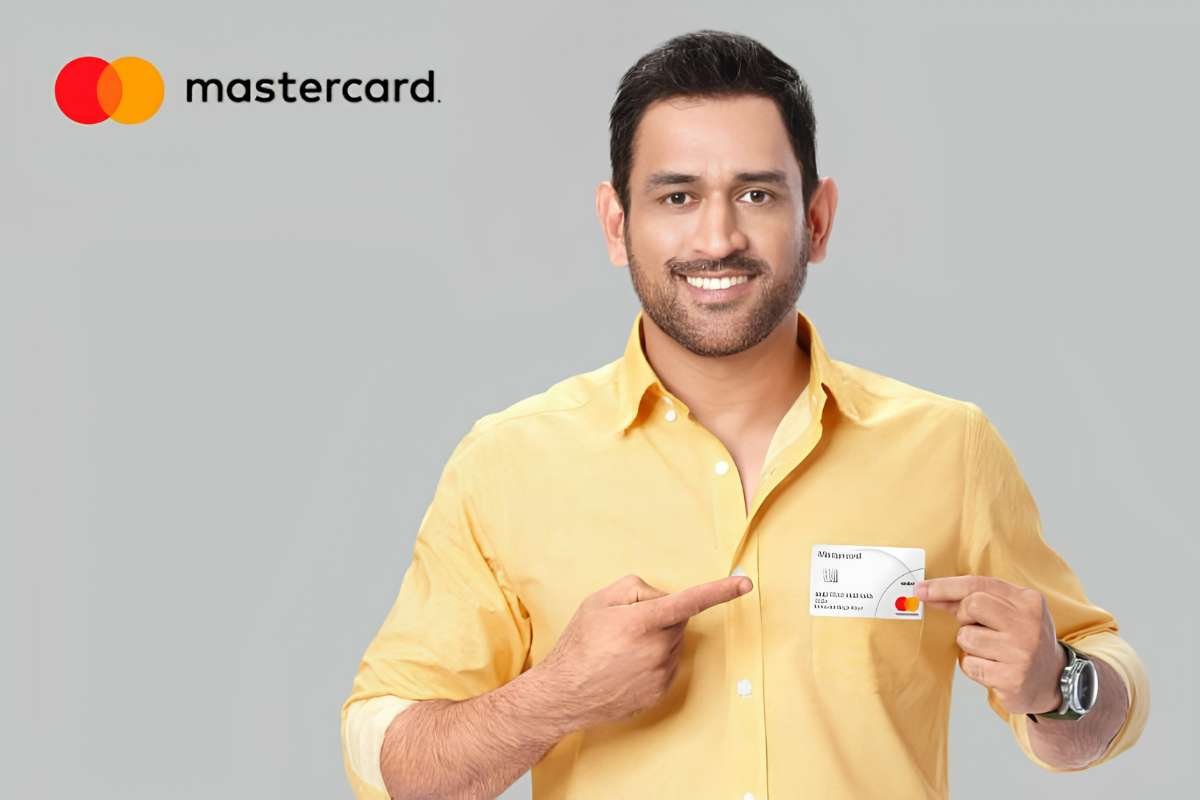
Known for: Cricket, leadership, business, and calm public presence.
Why brands choose him: Dhoni’s image rests on trust and steady leadership. Brands including Dream11, Gulf Oil, and Mastercard have used his image. He also entered newer areas through technology and gaming brands.
Best suited for: Finance, automobiles, technology, sports, and FMCG.
What brands should consider: His broad portfolio needs careful category checks.
Why this matters: Dhoni proves that a quiet image can still sell strongly. His value comes from trust rather than constant social media noise.
8. Rohit Sharma
Why brands choose him: Rohit offers a calm image with strong cricket reach. His portfolio includes Adidas, Dream11, CEAT, and Max Life. That mix lets brands reach both sports fans and families.
Best suited for: Sportswear, fitness, FMCG, finance, and lifestyle products.
What brands should consider: Brands should check overlapping cricket partnerships first.
Why this matters: Rohit shows the value of a steady public image. That can help brands selling products that need consumer trust.
9. Priyanka Chopra Jonas
Why brands choose her: Priyanka offers a rare India-to-global audience bridge. Her global career gives brands access beyond India’s major cities.
Best suited for: Beauty, fashion, luxury, travel, and global consumer brands.
What brands should consider: Her global positioning can raise campaign costs quickly. Brands also need markets that justify that wider reach.
Estimated fee: Reliable current public deal figures remain difficult to verify. Brands should treat online fee claims as estimates, not fixed rates.
Why this matters: Priyanka shows when global reach can justify premium talent. She makes sense when brands need international visibility too.
10. Neeraj Chopra
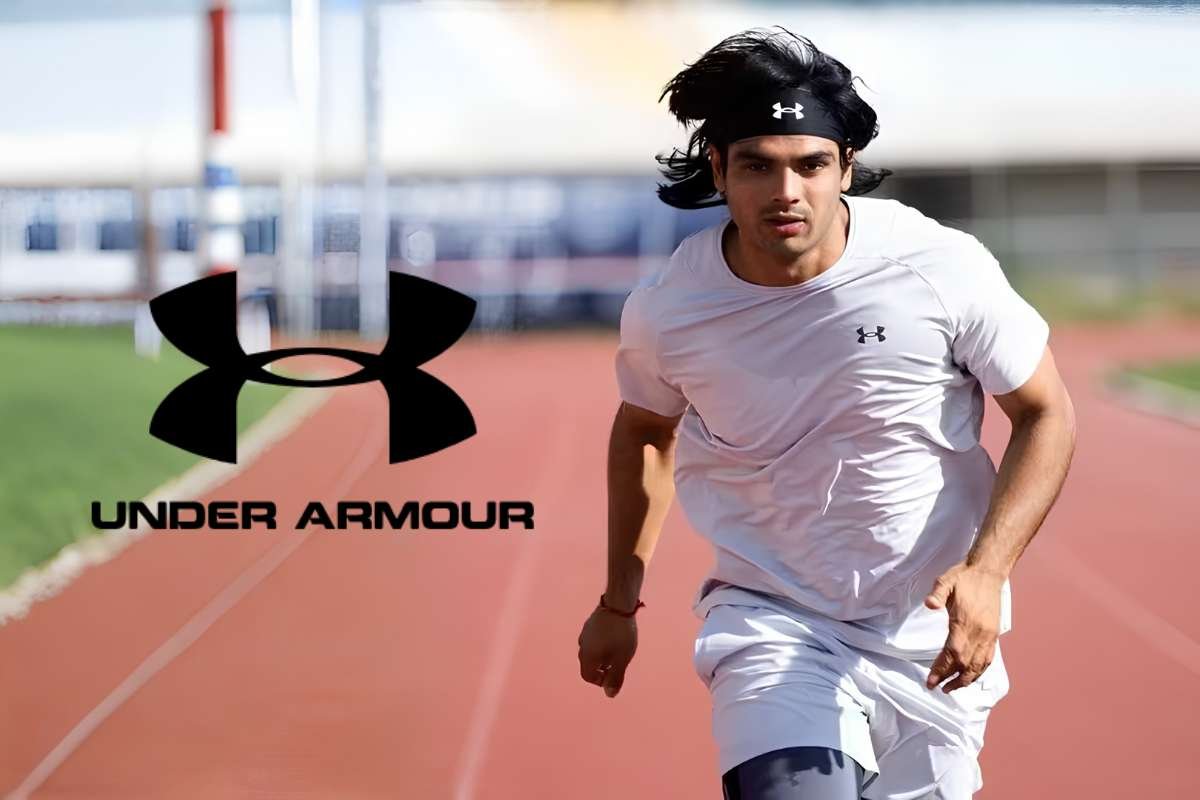
Why brands choose him: Chopra brings discipline, achievement, and national pride. His portfolio includes Visa, Audi India, Under Armour, and Tata AIA. His Olympic success also sharply increased his commercial value.
Best suited for: Sportswear, fitness, nutrition, automobiles, and financial products.
What brands should consider: His strongest fit remains performance-led brand messaging. Brands should avoid forcing him into unrelated lifestyle campaigns.
Why this matters: Chopra shows how achievement can create endorsement value. His story gives brands a clear message about effort and excellence.
What these deals teach brands?
These examples reveal one key point about celebrity marketing. The biggest name does not always make the best choice.
Kohli brings sport, lifestyle, and business into one identity. Bachchan brings trust built across decades and generations. Chopra brings achievement that directly supports performance-led products. Ranveer brings energy that can make campaigns highly memorable.
So, compare the audience, image, category fit, and campaign goal first.
Then compare fees, exclusivity, and expected business value before signing.
How to match celebrities for endorsements with your target audience?
Start with your buyer, not the celebrity you want to hire.
Ask where they live, what they like, and how they spend. Then check their age, income, and lifestyle before shortlisting anyone.
Audience trust can matter even more for high-risk purchases. Brand relevance connects the celebrity’s image with your product. A 2024 meta-analysis found influencer credibility shapes purchase intentions. It also found trust plays a key role in that process.
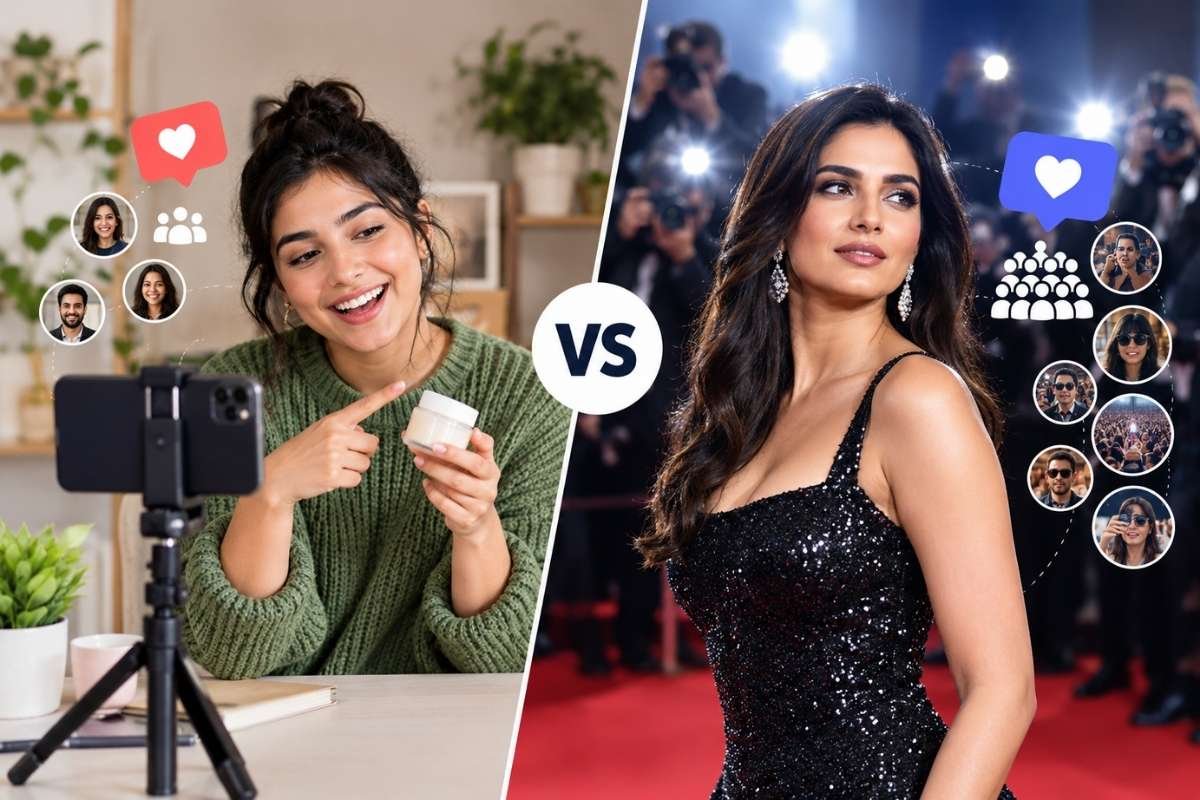
That explains the idea behind Micro-Influencers vs. Mega-Celebrities. A smaller creator may reach fewer people but influence more buyers.
So, never trade relevance for reach without a clear reason. Your best choice should make both factors work together.
Platform choice matters too, since audiences behave differently across channels. A cricket fan may follow Kohli across several digital platforms. A niche beauty buyer may trust one creator more deeply.
Research backs this up with a useful finding from India. A study of 431 Indian consumers found brand-user fit matters. It also linked that fit with stronger purchase intent.
ISB marketing professor Manish Gangwar adds another key point. He says India’s culture can strengthen celebrity credibility. He also stresses accountability when celebrities promote products.
So, I would use this simple thought process:
Target audience → Campaign goal → Celebrity profile → Platform → Expected action
This approach makes endorsement in advertising more focused and measurable. It also keeps reach from becoming the only selection metric.
How much should brands consider celebrity popularity when finalizing celebrities for endorsements?
Popularity can put your campaign in front of millions. It can boost awareness, recall, and media attention quickly. But fame cannot make a poor product suddenly work.
Nielsen found 92% of people trust personal recommendations most. That gap shows why celebrity fame alone cannot build trust. It also cannot guarantee sales or long-term brand value.
The psychology behind why celebrity endorsements work explains this better.
People respond to fame, but they also seek meaning. So, ask what popularity adds to your campaign goals. If it adds little, choose fit over fame.
How brands can measure endorsement success
Before signing a celebrity, decide what success should look like. An awareness campaign may track reach, impressions, and brand recall. A sales campaign needs clicks, leads, conversions, and revenue instead.
You can also track engagement across each campaign platform closely. Watch website traffic to see whether interest becomes action. Brand sentiment can show whether the partnership strengthens public perception.
Then compare campaign gains against the money spent overall. This gives you a clearer view of return on investment.
The key point remains simple: Measure what your campaign targets.
Common mistakes when choosing celebrities for endorsements
Even smart brands can make poor choices during celebrity deals. Here are mistakes you should avoid before signing anyone:
- Choosing fame over relevance: A famous face may miss your audience.
- Ignoring audience data: Check age, location, interests, and buying habits.
- Skipping reputation checks: Past actions can trigger fresh brand backlash.
- Overlooking rival deals: Existing partnerships can create serious conflicts.
- Using weak contracts: Clear terms protect both sides during disputes.
- Expecting instant sales: Trust often needs time before driving purchases.
- Ignoring campaign measurement: Track results against your original campaign goals.
These checks can save money, time, and brand trust.
Conclusion:
The best celebrities for endorsements are not always famous. The right choice starts with fit, trust, and audience overlap.
Your campaign goals should guide each choice from the start. You should also check reputation, contracts, and measurable outcomes. Look at the full partnership before signing any deal.
That approach makes every brand endorsement choice more useful. It also builds a stronger base for future brand growth.
Frequently asked questions
1. What makes a celebrity good for an endorsement?
A good celebrity matches your audience, feels credible, and protects your brand. They should also communicate your message without sounding forced.
2. How do brands choose celebrities for endorsements?
Brands study audience data, campaign goals, brand fit, and reach. They also review budgets, reputation, past deals, and current partnerships.
3. Are celebrities always better for brands?
Not always. A smaller audience can bring stronger trust and relevance. Follower count alone cannot predict campaign success or sales.
4. What are the risks of getting celebrities for endorsements?
Common risks include reputation damage, poor fit, and public controversies. Weak contracts and poor campaign results can create added costs.
5. How can brands measure celebrity endorsement success?
Track awareness, engagement, website traffic, conversions, and sales against goals. Also monitor sentiment and ROI to judge overall campaign value.