

Geopolitical risk for business planning means spotting threats like trade wars and conflicts that can stop your work. To protect your company, check your supply chain for weak spots, find new suppliers to avoid relying on just one country, and run regular money tests. These steps turn uncertainty into a chance to grow. Now, let’s walk through how to build your own strategy today.
We are currently seeing a global economy that is growing slowly, with the World Bank tracking a 2.5% expansion rate for 2026. Regional tensions are reshaping how goods move across borders, and for many Indian companies, relying on old habits is becoming a real risk.
Without a plan for geopolitical risk for business planning, you leave your business open to shocks you cannot control. Import and export leaders must understand these shifts to stay protected. To get ahead of these problems, it helps to look at why this is hitting businesses so hard this year
The Urgency of Geopolitical Risk for Business Planning This Year
Global trade barriers are now a daily reality. In April 2026, the IMF reported that trade tensions and regional conflicts are causing unpredictable costs for energy and raw materials.
When your supply chain is weak, a small policy change in another country can stop your production.
For companies, this means you can no longer just focus on the lowest cost. You must prioritize stability. Even fast-growing areas like South Asia face risks from global energy price swings and changing trade routes. By planning, you can spot these problems early instead of reacting when profits are already down.
How Can You Measure Geopolitical Risk in Your Business?
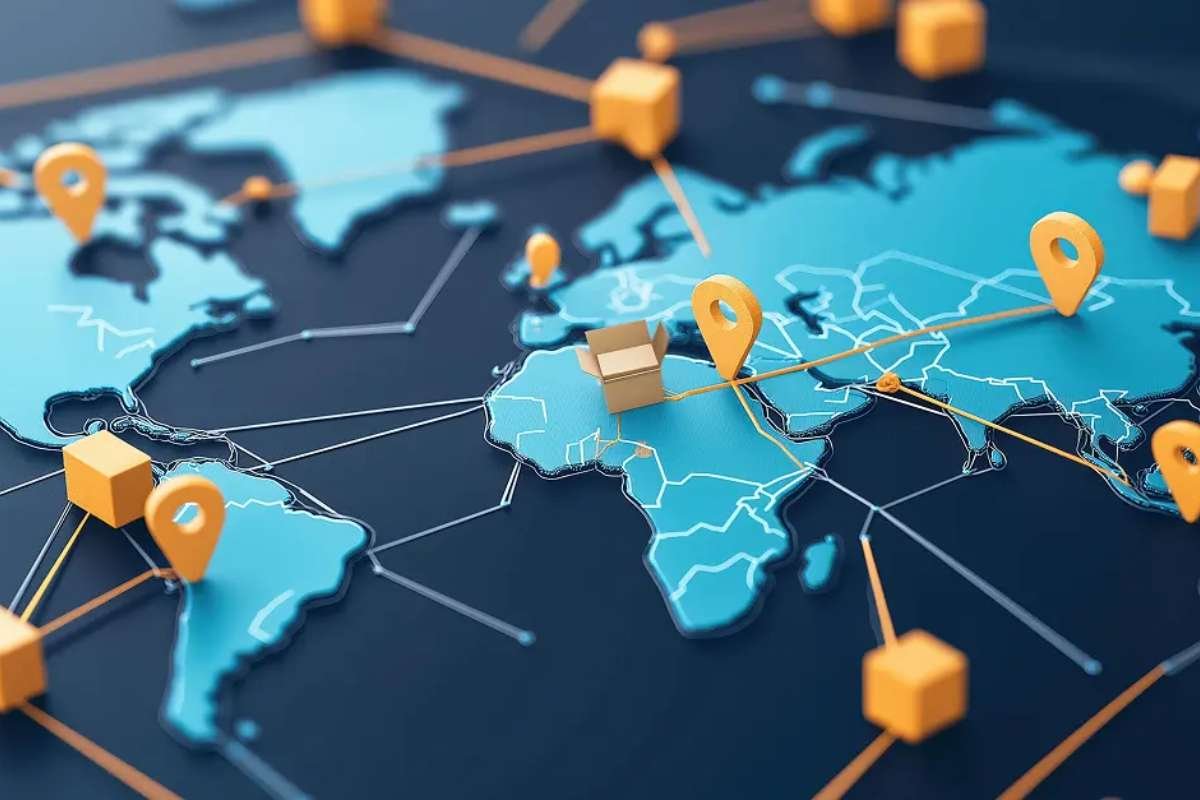
This is the most important part of your planning. You cannot manage what you don’t measure. To make your business ready for anything, use this three-step framework to assess your risk.
Step 1: Map Your Dependencies
Most companies know their direct suppliers. But do you know their suppliers? Start by listing your Tier 2 and Tier 3 vendors. If a factory in a region facing political trouble closes, does it stop your production?
Create a spreadsheet of every critical part or raw material you need. Next to each, write down where it comes from and which shipping routes it uses to reach you.
Step 2: Score Your Vulnerability
Once you have your map, you need to score the risk. Look at your dependencies and ask two questions:
- Is the country providing this item facing sanctions, civil unrest, or trade battles?
- Does the supply line cross through a chokepoint, like the Red Sea, which is prone to disruption?
Assign a ‘Red, Yellow, Green’ score to each critical material. If it’s Red, you have a problem that needs a fix immediately.
Step 3: Run Financial Stress Tests
Models are great, but numbers matter more. As you refine your geopolitical risk for business planning, calculate exactly how a 20% increase in lead time or a 15% tariff hike affects your profit.
If a specific part comes from a high-risk area, find a secondary supplier in a safer location, even if it costs more upfront. You are paying for insurance, not just a product.
Recently, we have seen major tech and manufacturing firms move away from “single-country” sourcing. They are now using a “China Plus One” strategy, opening assembly units in India or Vietnam to stay close to customers while keeping supply lines open. Others are locking in long-term energy contracts to protect themselves from oil price swings. They are building buffers.
What Are the Top Three Geopolitical Threats for Businesses?
You might wonder what keeps business owners up at night. When focusing on geopolitical risk for business planning, these three threats are the most likely to cause damage in 2026.
1. Trade Sanctions and Export Controls: When countries argue, they often use trade as a weapon. If you import components from a nation that suddenly faces sanctions, your supply line can freeze overnight.
- The Problem: You might have goods stuck at a border or find that your bank cannot process payments to your supplier.
- The Fix: Don’t keep all your eggs in one basket. If you rely on one country for critical tech or parts, find a partner in a neutral region.
2. Regional Conflicts and Shipping Disruptions: Conflict doesn’t have to be in your backyard to hurt your wallet. If fighting breaks out near a major shipping lane (like the Red Sea), insurance costs for cargo jump, and ships take longer routes to get to port.
- The Problem: Your ‘just-in-time’ delivery model breaks because your stock arrives weeks late.
- The Fix: You must boost your supply chain resilience. Increase your safety stock now. Holding an extra month of critical materials in your warehouse is cheaper than shutting down your entire production line for two weeks.
3. Sudden Policy and Regulatory Shifts: Sometimes, a government will change the rules of the game overnight, like suddenly banning the export of a specific mineral or metal.
- The Problem: You lose access to the main ingredient for your product without warning.
- The Fix: Localization. Whenever possible, try to source your materials from within India. It cuts out the middleman and keeps your supply line under your control.
Here is a quick snapshot of the top three threats to watch this year.
| Risk Type | Impact on Industry | Suggested Mitigation |
| Trade Sanctions | Disrupts material imports | Multi-country sourcing |
| Regional Conflict | Escalating shipping costs | Buffer stock management |
| Policy/Regulatory Shifts | Compliance delays | Localized production |
Read More: Global Expansion vs Domestic Growth Strategy
How Do Companies Handle Geopolitical Risk For Business Planning?

Companies are changing their daily work to stay ahead. Leaders are moving away from relying on one single source, geography, or shipping route.
- Tata Electronics: It is a clear example of this change. They no longer rely on just one supplier. Instead, they work with global partners like ASML and Tokyo Electron for tools and training. By doing this, they are building a full production system right here in India.
This keeps them safe if trade routes or global relationships run into trouble. Their goal is to make India a reliable hub for electronics, where they manage everything from design to the final test.
- Mahindra Group: Instead of waiting for market volatility to calm down, companies like the Mahindra Group have changed their strategy. Chairman Anand Mahindra calls this his ‘Attack Mode’ approach.
Instead of cutting costs, the company is investing in new manufacturing and AI technology. They know that uncertainty is part of the new normal. By growing faster, they are getting ahead of rivals who are playing it safe.
- Sourcing and Local Production: Many Indian firms in the auto and electronics sectors are also moving toward nearshoring and friendshoring. It means they are moving factories closer to their customers or to friendly trade partners. They are also keeping more parts in stock within India. This helps them stay open. If a shipping route gets blocked or a trade rule changes, their work can continue without stopping.
How Do You Build a Crisis-Ready Strategy for the Future?
Stop writing strategy plans that gather dust. Instead, run war game sessions with your team every quarter. Pretend that a main shipping route closes or a key supplier disappears. Ask your team, “If this happens today, what is our next move?” Keep a simple playbook with backup suppliers and routes so you can act immediately when things go wrong.
You also need real-time data to stay ahead. Stop using old, manual spreadsheets. Use digital tools to track your inventory and shipments live. When you can see exactly where your goods are, you make faster decisions. This speed gives you a huge advantage over competitors who are still waiting for updates.
Making geopolitical risk for business planning part of your daily routine turns a scary threat into a manageable task. When you know your weak spots and have a plan ready, you can keep your business running smoothly no matter what happens in the global market.
Conclusion:
The world is changing fast, and relying on old habits is a risk you cannot afford. By mapping your supply chain, keeping local backups, and testing your plans regularly, you can stay ahead of global shocks. Make resilience a daily habit rather than an afterthought. This is the only way to master your approach to geopolitical risk for business planning.
FAQ
Q: Does geopolitical risk planning only apply to large global companies?
A: Not at all. Small and mid-sized businesses often face higher risks because they don’t have the deep cash reserves of large firms. Even a minor delay can stop operations for a small business.
Q: What is the first step I should take today?
A: Audit your supply chain. Identify which materials come from high-risk regions and find one alternative supplier for your most important part.
Q: How often should we update our risk assessment?
A: In the current 2026 environment, check your plans every three months. Global situations change quickly, and your business needs to keep up.
Q: Can we completely remove geopolitical risk?
A: You cannot remove it, but you can build the ability to respond faster than your competitors. Being ready is about minimizing damage and recovering quickly.
Thank You For Reading!
See More
Global Recession Warning Signs Businesses Watch