
Want to know who earns the biggest pay packages in corporate India? This article ranks the Highest Paid CEOs in India, explains why some executives earn hundreds of crores, and reveals how stock awards, business performance, and leadership shape their total compensation.
Many people wonder who the Highest Paid CEOs in India are and how they earn such large pay packages. It is easy to notice a company’s success, but fewer people know how the leaders behind that success are rewarded. Their earnings often reflect the value they create for the business.
A CEO’s pay includes more than a fixed salary. Bonuses, employee stock ownership plans (ESOPs), stock awards, and long-term incentives also make up total remuneration. This article uses FY2025 remuneration disclosed in company annual reports to give you the latest and most reliable rankings.
How Executive Pay Is Calculated?
When looking at the Highest Paid CEOs in India, it is important to know that total remuneration is much more than a fixed salary. A CEO’s pay package may include:
- Fixed salary: The guaranteed amount paid every year.
- Annual bonus: Extra pay based on company or personal performance.
- Employee Stock Ownership Plans (ESOPs): Company shares that can grow in value over time.
- Performance-linked incentives: Rewards for meeting business and financial goals.
- Retirement benefits: Contributions to retirement or pension plans.
- Other perquisites: Benefits such as housing, travel, medical cover, or company-provided facilities.
Because stock awards and incentives can vary each year, two CEOs with similar salaries may end up with very different total remuneration.
Two CEOs may earn similar salaries but receive very different total compensation because of stock awards or ESOPs that increase in value over time. According to EMA Partners India, the number of million-dollar executives in BSE 200 companies rose 6.6% to 227 in FY24, while their combined compensation increased by more than 36% to ₹7,025 crore.
List of India’s Highest-Paid CEOs
The Highest Paid CEOs in India show how performance, leadership, and long-term rewards can shape executive pay. The figures below are based on the latest publicly disclosed FY2025 remuneration and include more than just annual salary.
| Rank | CEO | Company | FY2025 Total Remuneration* |
| 1 | Yashish Dahiya | PB Fintech | ₹638.4 crore |
| 2 | Gunender Kapur | Vishal Mega Mart | ₹598.5 crore |
| 3 | Sandeep Kalra | Persistent Systems | ₹148.1 crore |
| 4 | C. Vijayakumar | HCLTech | ₹93.6 crore |
| 5 | Dr. Murali K. Divi | Divi’s Laboratories | ₹88.2 crore |
| 6 | Salil Parekh | Infosys | ₹80.6 crore |
| 7 | Sriharsha Majety | Swiggy | ₹76.6 crore |
| 8 | S. N. Subrahmanyan | Larsen & Toubro | ₹76.3 crore |
| 9 | Jayadev Galla | Amara Raja Energy & Mobility | ₹67.3 crore |
| 10 | Jaidev Shroff | UPL | ₹66.4 crore |
(Total remuneration includes salary, bonuses, ESOPs, stock awards, and other disclosed benefits where applicable. Source: StockLens, based on FY2025 company disclosures.)
Several executives climbed the rankings because they exercised ESOPs or received large stock awards during FY2025. These equity-based rewards can significantly increase total remuneration in a single year.
The list also shows that founder-led and technology-driven companies continue to offer some of India’s largest executive pay packages. It is worth noting that total remuneration is different from fixed salary. While salary stays fairly stable, bonuses and stock-based incentives can make a CEO’s overall earnings much higher.
Meet India’s Highest-Paid CEOs
1. Yashish Dahiya (PB Fintech)
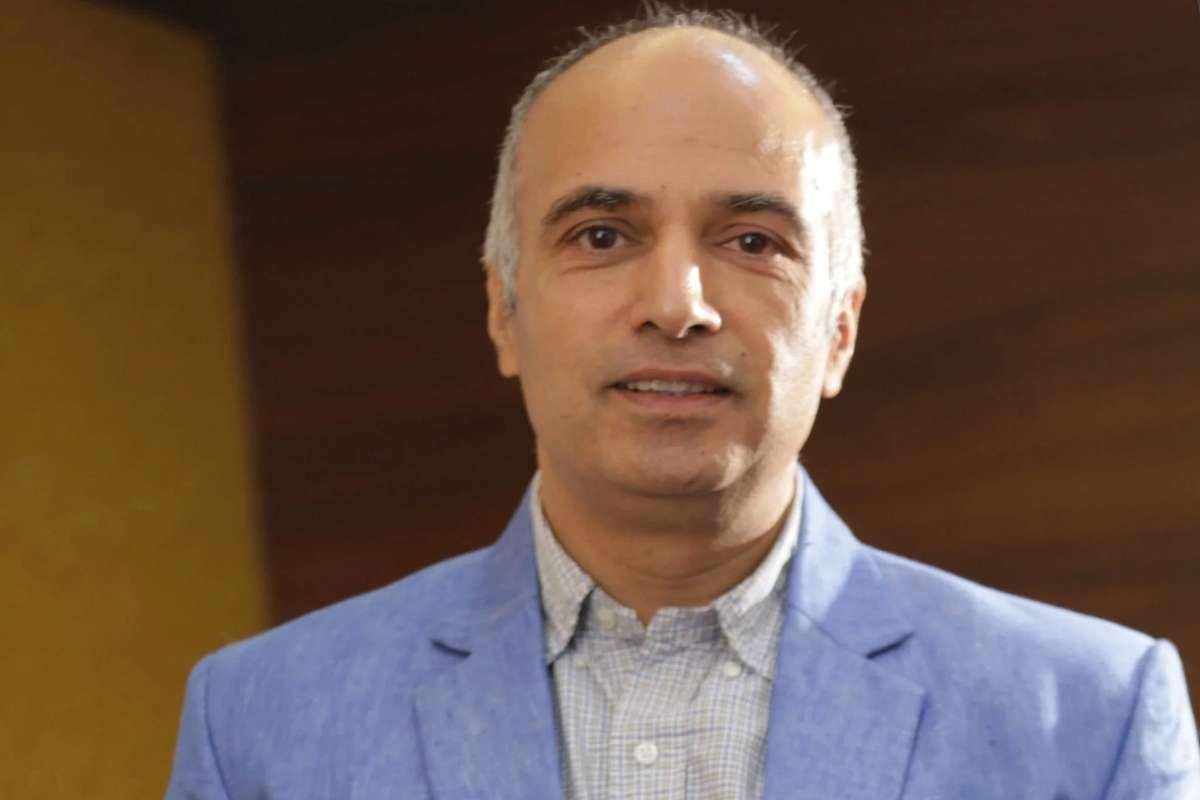
Yashish Dahiya co-founded PB Fintech and helped build Policybazaar into one of India’s leading online insurance platforms. He has played a key role in expanding digital financial services and growing the company’s market presence. His FY2025 remuneration reflects the value of long-term stock-based rewards.
2. Gunender Kapur (Vishal Mega Mart)
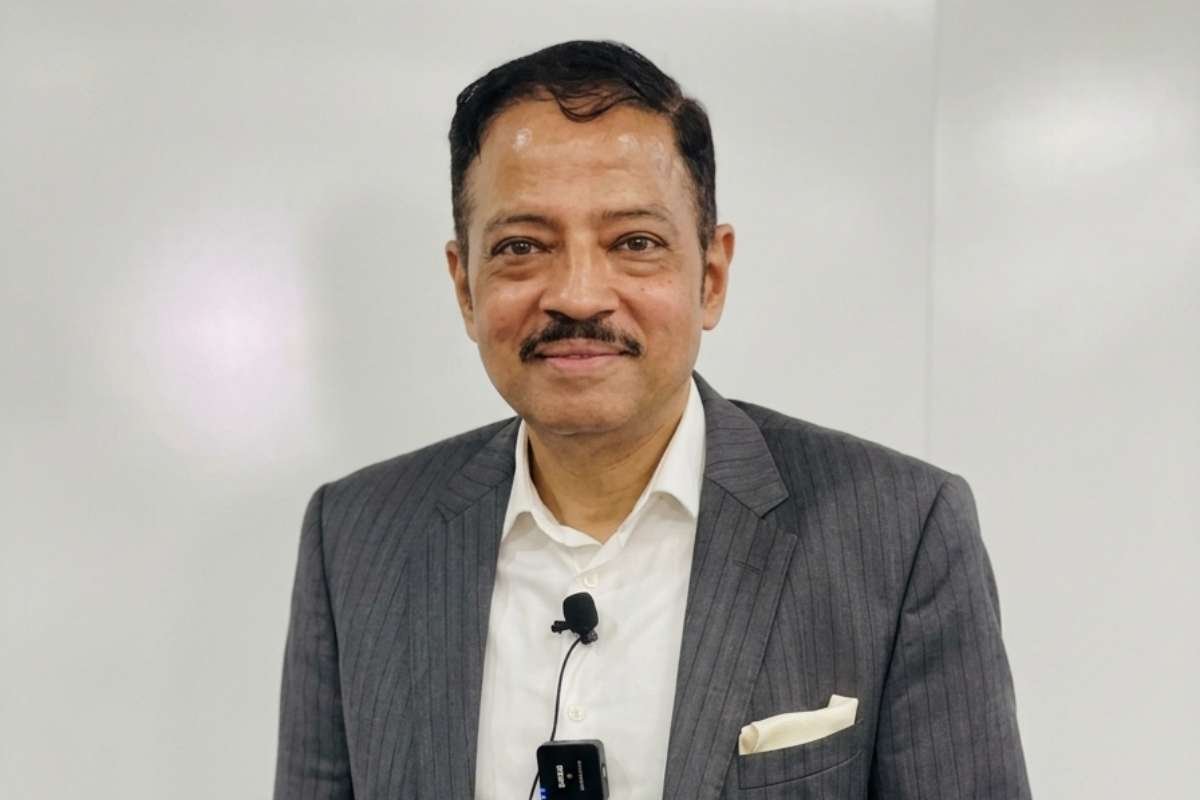
Gunender Kapur has helped strengthen Vishal Mega Mart’s position in India’s value retail market. His focus on expansion, operational efficiency, and customer reach has supported the company’s growth. A significant part of his FY2025 remuneration came from equity-based compensation.
3. Sandeep Kalra (Persistent Systems)
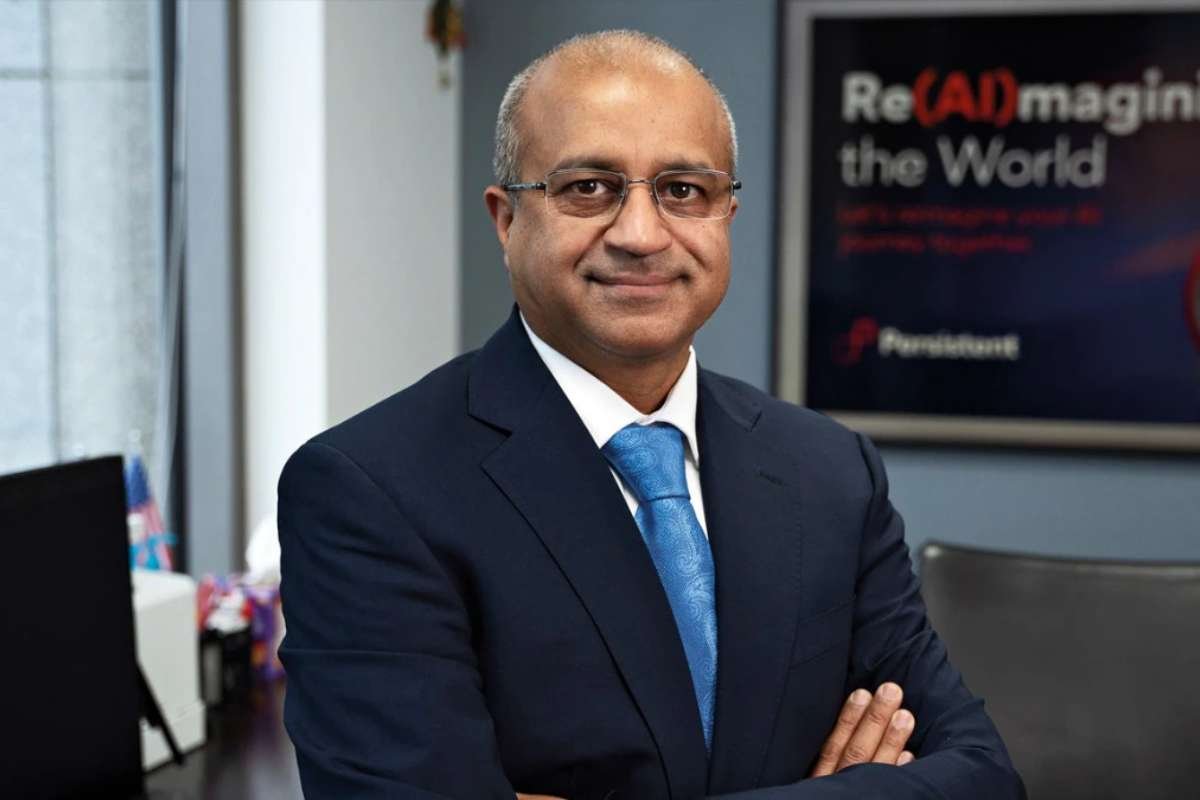
Sandeep Kalra has led Persistent Systems through a period of strong global growth in digital engineering and cloud services. Under his leadership, the company expanded its client base and improved its financial performance. This success contributed to his high executive compensation.
4. C. Vijayakumar (HCLTech)
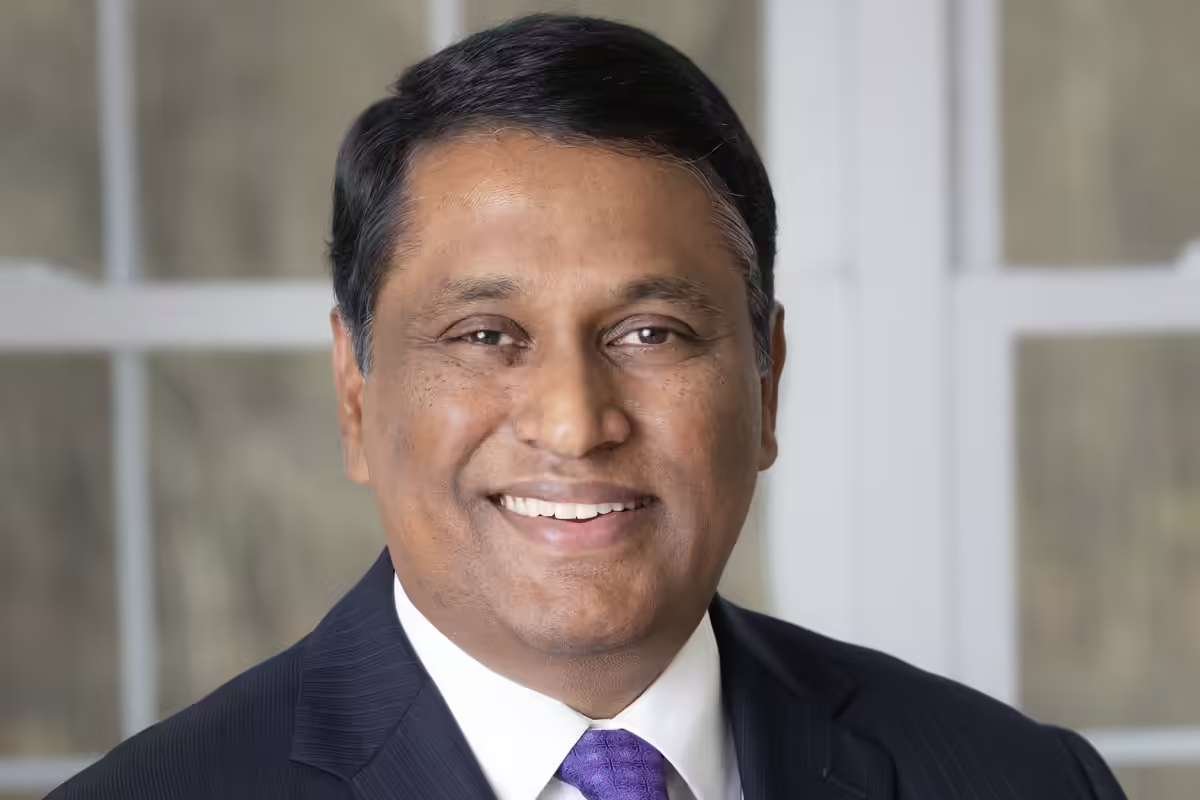
C. Vijayakumar has guided HCLTech’s global expansion by focusing on cloud, AI, and digital transformation services. He has helped the company strengthen its position among leading IT firms. His remuneration reflects years of consistent business growth.
5. Dr. Murali K. Divi (Divi’s Laboratories)
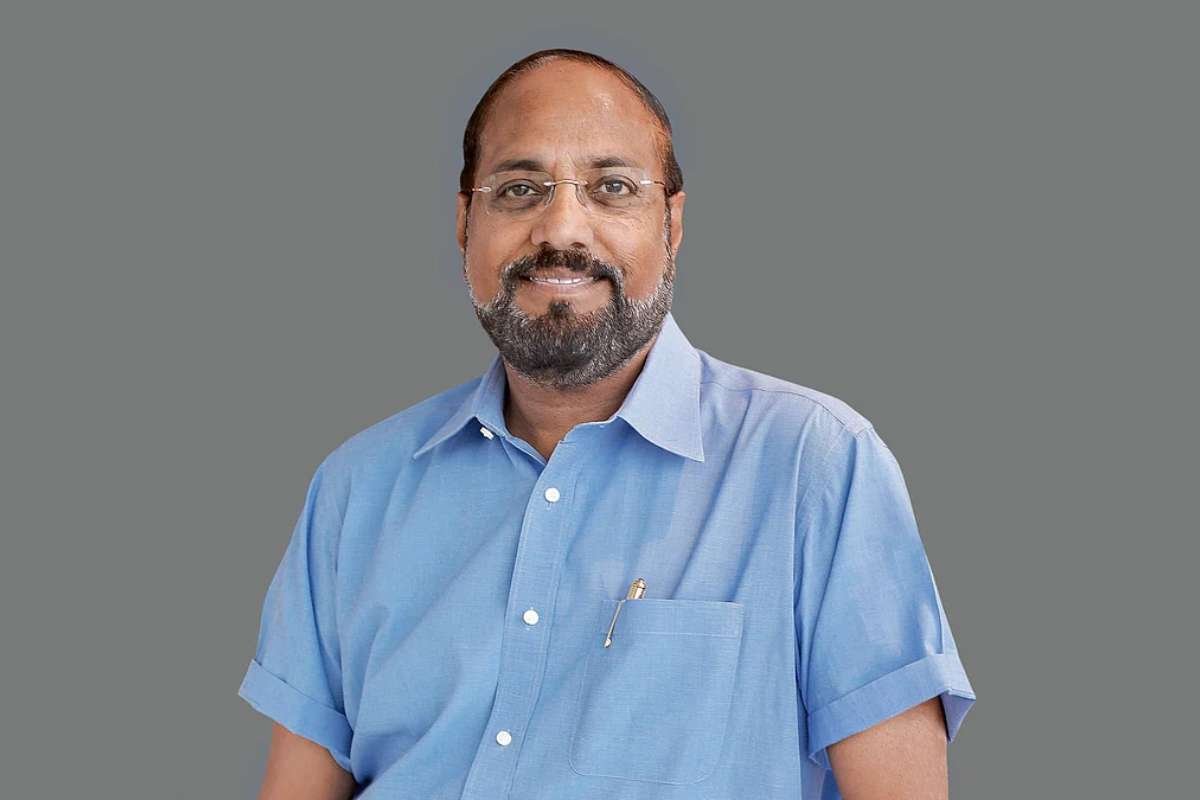
Dr. Murali K. Divi founded Divi’s Laboratories and built it into one of India’s leading pharmaceutical companies. His focus on quality manufacturing and exports has driven steady business growth. His compensation reflects both leadership and long-term value creation.
6. Salil Parekh (Infosys)
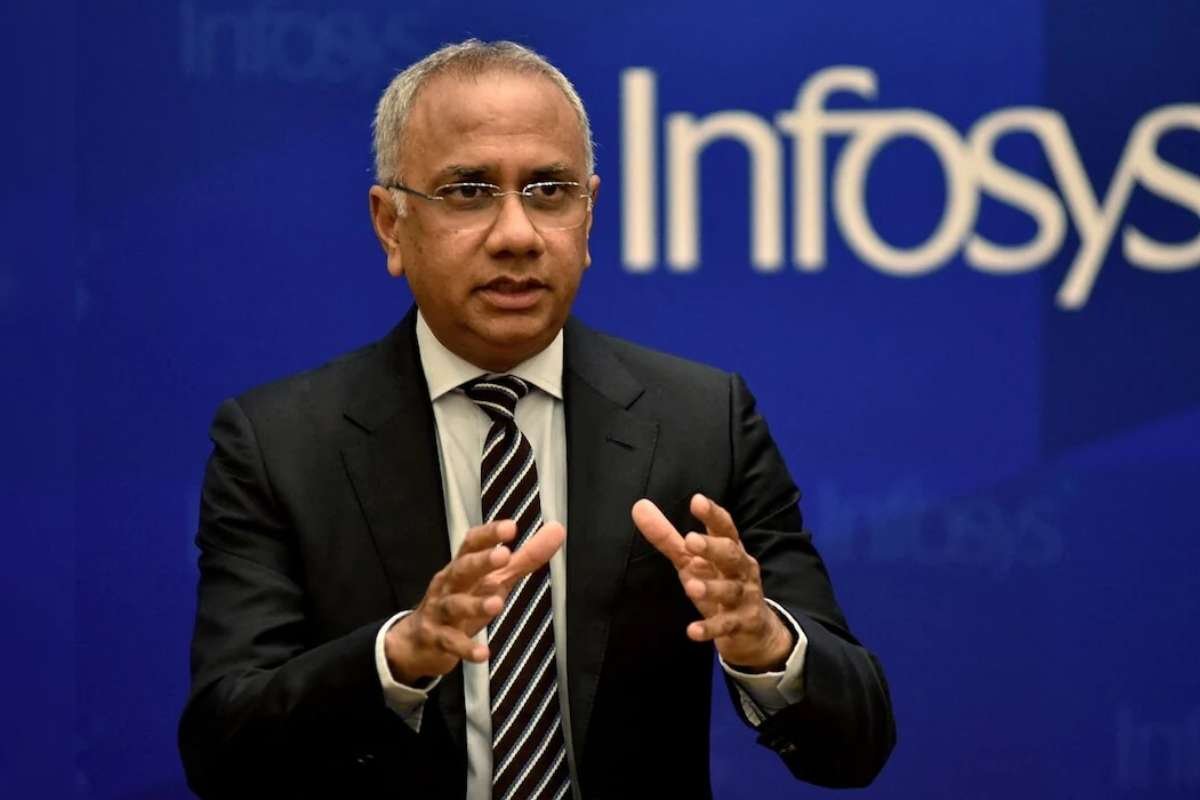
Salil Parekh has led Infosys through major investments in cloud computing, AI, and digital services. He has helped the company expand globally while maintaining steady financial performance. Much of his FY2025 remuneration came from exercised stock options.
7. Sriharsha Majety (Swiggy)
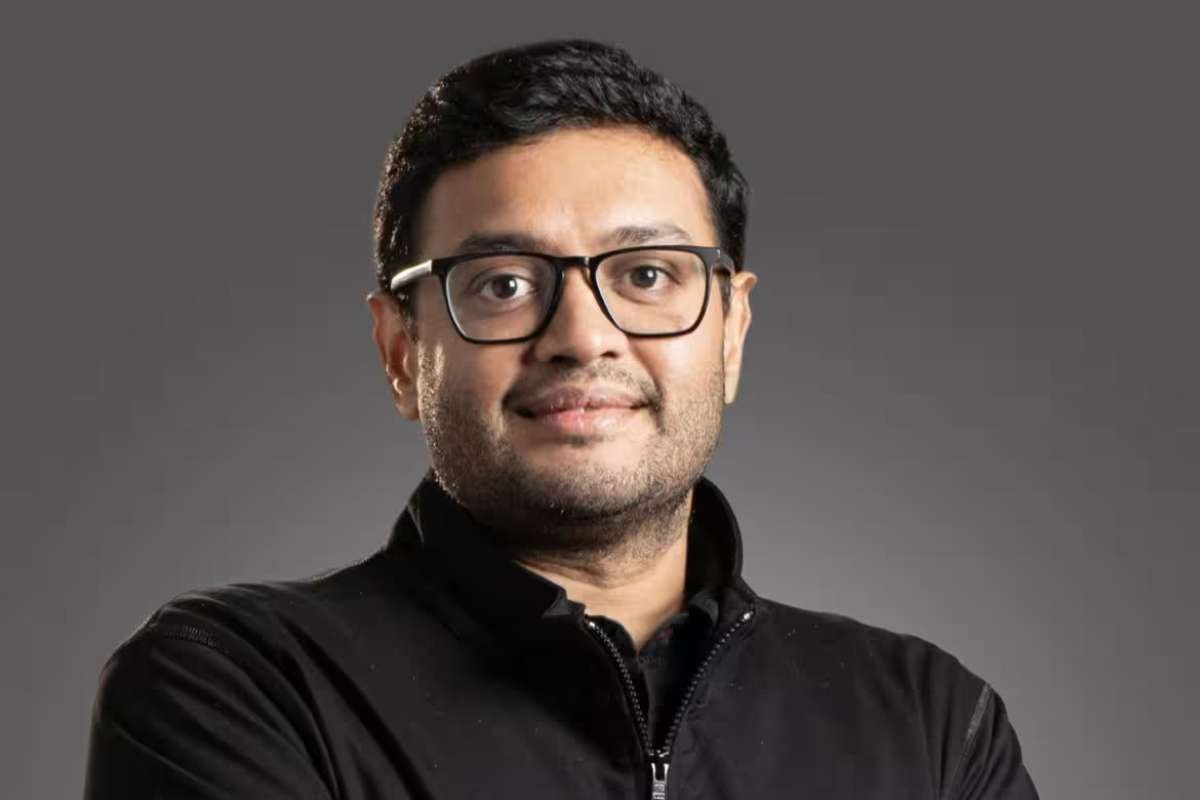
Sriharsha Majety co-founded Swiggy and turned it into one of India’s largest food delivery and quick commerce platforms. He has led the company’s rapid expansion into new services and markets. His compensation reflects Swiggy’s continued growth.
Read More: Women CEO in India Leading The Future Of Business
8. S. N. Subrahmanyan (Larsen & Toubro)
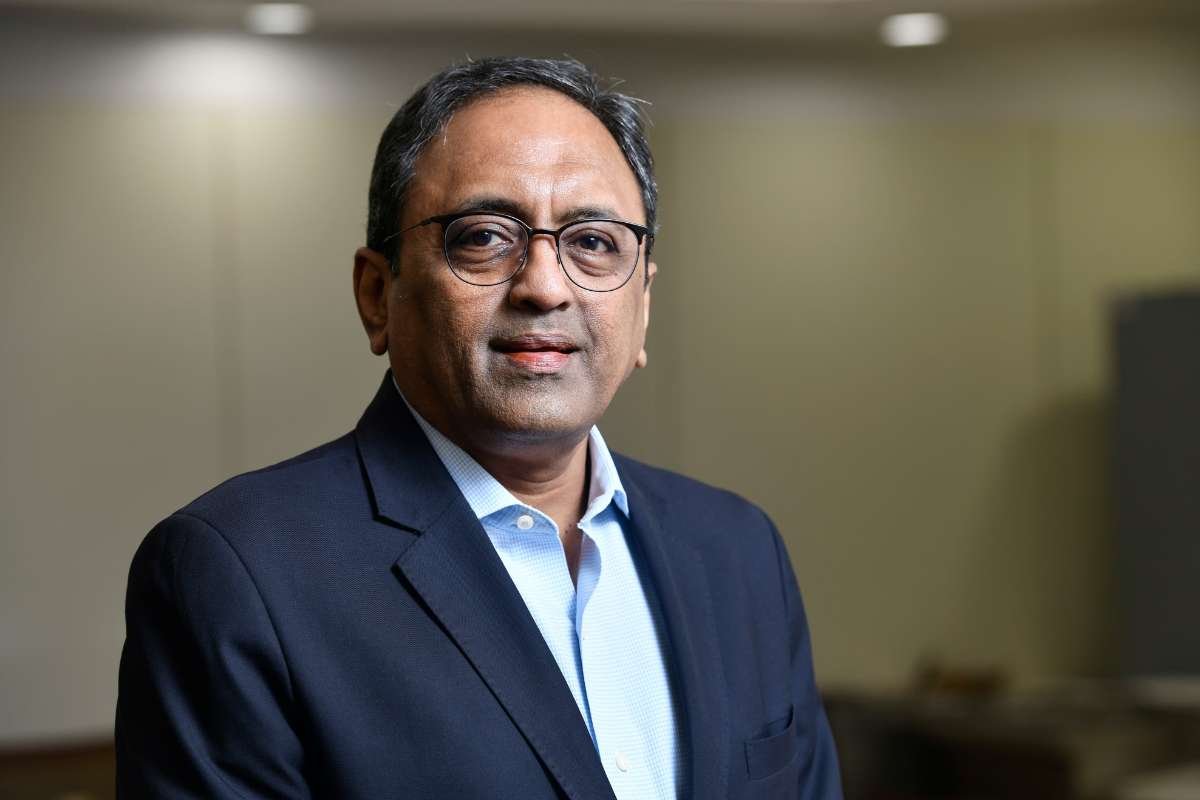
S. N. Subrahmanyan has spent decades at Larsen & Toubro and now leads one of India’s biggest engineering and infrastructure companies. He has overseen large domestic and international projects while driving business growth. His pay reflects his leadership in a complex industry.
9. Jayadev Galla (Amara Raja Energy & Mobility)
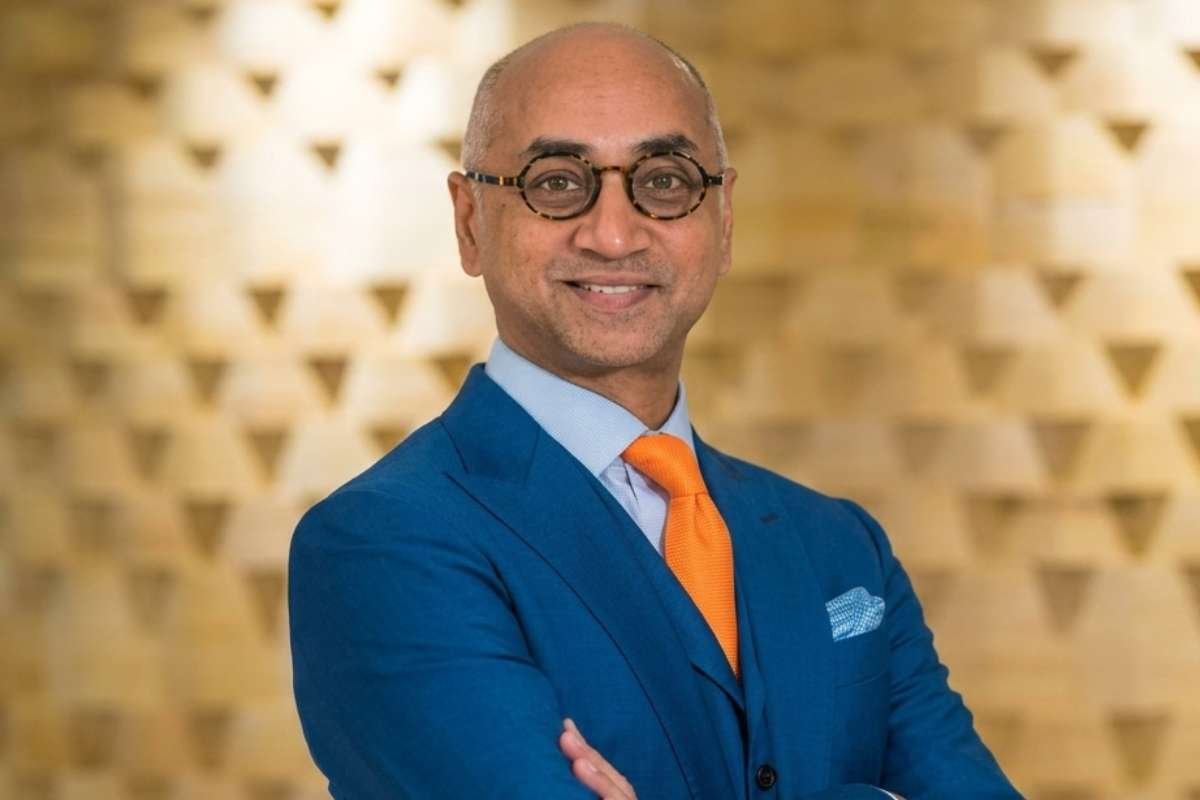
Jayadev Galla has led Amara Raja Energy & Mobility through its shift toward advanced energy storage and electric mobility solutions. He has helped expand the company’s presence beyond traditional batteries. His long-term vision has supported continued business growth.
10. Jaidev Shroff (UPL)
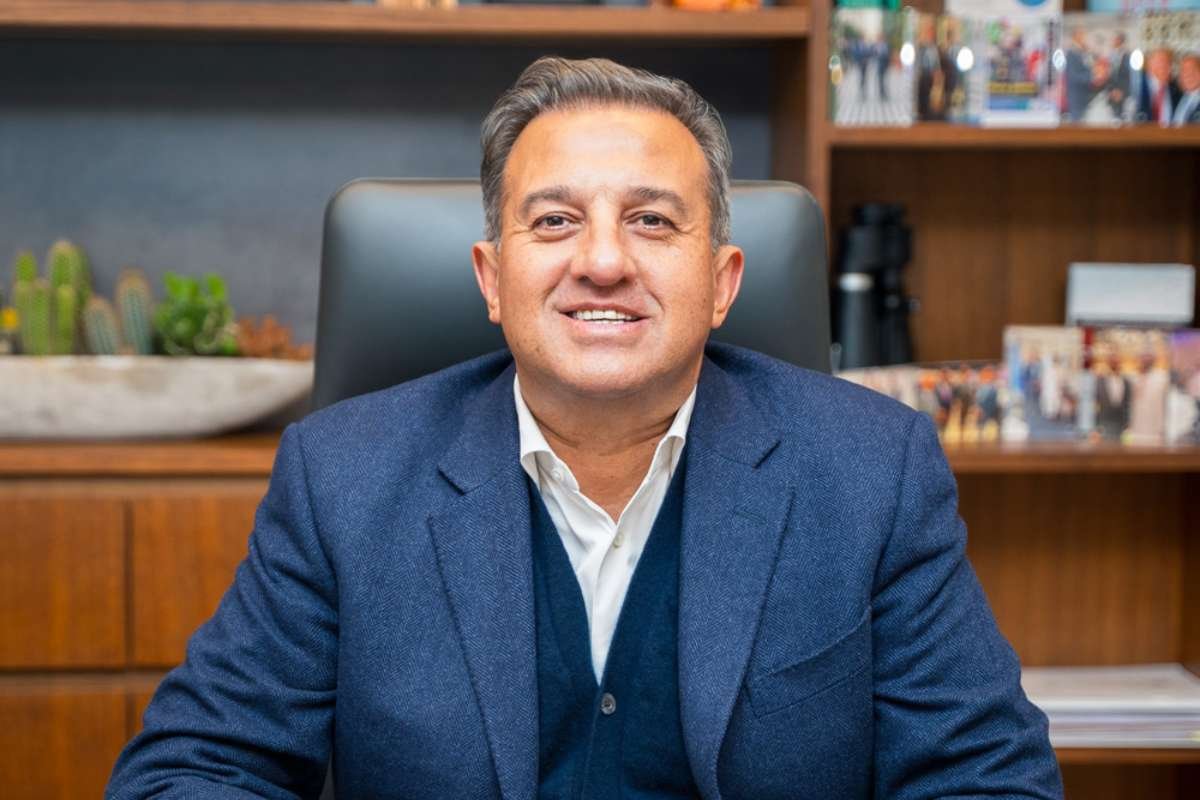
Jaidev Shroff has transformed UPL into a global agricultural solutions company with operations in many countries. His focus on innovation and international expansion has strengthened the business over the years. His remuneration reflects his contribution to the company’s global success.
Why do these CEOs Earn So Much?
Top CEOs are trusted to make decisions that shape the future of their companies. Their pay often depends on business performance, revenue growth, and the value they create for shareholders. Many also lead global operations, enter new markets, drive innovation, and build long-term business strategies that keep their companies competitive.
A large part of executive pay now comes from equity-based rewards instead of fixed salary alone. According to Reuters, the biggest share of Salil Parekh’s FY2025 compensation came from exercised stock options worth ₹495 million. This shows how stock awards can significantly increase total remuneration. These factors explain why the Highest Paid CEOs in India often earn much more than traditional salary figures suggest.
Industries That Produce India’s Highest Earners
The Highest Paid CEOs in India are mostly found in industries that operate at a global scale and generate strong business growth. These sectors often reward leaders for delivering long-term results.
- Technology and software services: Drive innovation and serve customers worldwide.
- Financial technology: Grow quickly by expanding digital financial services.
- Manufacturing: Manage large operations and improve efficiency.
- Infrastructure: Lead high-value projects with long timelines.
- Specialty chemicals: Support global industries with high-demand products.
These industries also have larger market values, higher investor expectations, and performance-linked incentives. This allows companies to reward CEOs who create lasting value for the business.
Executive Pay Trends to Watch
Executive pay is changing as companies focus more on long-term performance than fixed salaries. ESOPs are becoming a larger part of compensation, while founder pay continues to rise in many listed companies. The Highest Paid CEOs in India are also seeing greater transparency through annual reports and stronger shareholder oversight over executive remuneration.
Many companies now reward leaders with long-term incentives instead of higher cash salaries. This trend shows how equity-based rewards are reshaping CEO compensation.
Conclusion
CEO pay is about much more than a high salary. It reflects a leader’s ability to grow the business, improve shareholder value, and guide the company through changing markets. As more companies use ESOPs and other long-term incentives, total remuneration has become a better measure of executive compensation than fixed pay alone.
The rankings can change every year as company performance, stock awards, and incentive plans evolve. That is why it is important to rely on the latest annual reports instead of outdated figures. Looking at the Highest Paid CEOs in India also offers a better understanding of how India’s biggest companies reward leadership, innovation, and long-term business success.
Thank You For Reading!
See More
Youngest CEOs in the World: Meet the Game-Changers Redefining Leadership