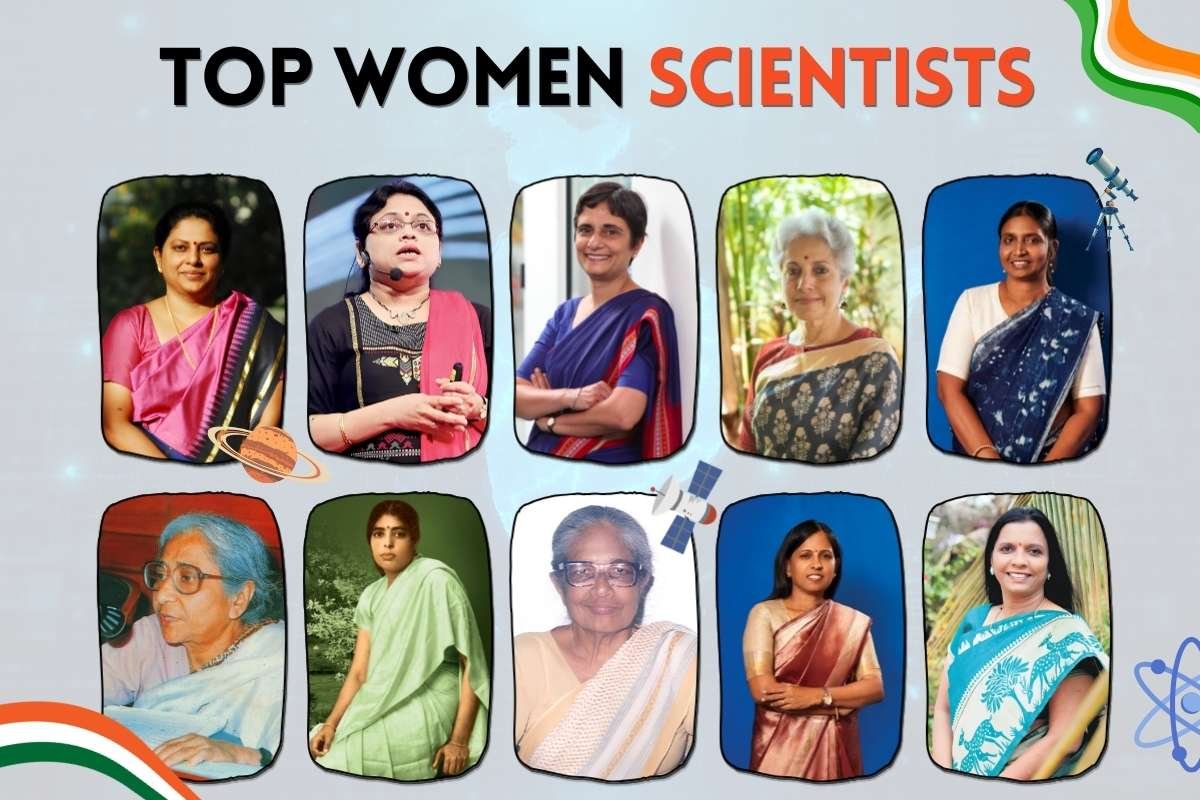


India’s top women scientists include space engineers like Ritu Karidhal and medical pioneers like Dr. Gagandeep Kang, who command national research programs. This guide spotlights 10 trailblazers redefining Indian STEM. You will learn about their groundbreaking career paths, official data on female representation in Indian research, and actionable leadership lessons to inspire your own journey in science and technology.
Who Are India’s Leading Women Scientists Today?
India’s scientific revolution moves forward through extraordinary women who lead intercontinental missile programs, guide solar observatories, and shape global health policies.
According to official data from the Press Information Bureau (PIB), women make up 43% of total STEM higher education enrolments in India. Furthermore, female researchers account for 18.6% of the active national R&D workforce, supported by government initiatives like the DST WISE-KIRAN Framework.
These trailblazers prove that technical skill and leadership go hand in hand. Whether managing defense laboratories, building deep-tech startups, or leading research teams, these women are reshaping India’s scientific future.
Key Data Snapshot: Women in Indian Science
- STEM Classroom Representation: Women hold 43% of all higher education STEM seats in India
- Active Research Force: Women occupy 18.6% of core R&D positions across India.
- Where They Work: 45.87% work in government labs, 27.62% teach at universities, and 26.51% lead private industrial research.
Which 10 top Women Scientists Transformed India’s Scientific Landscape?
1. How Did Dr. Tessy Thomas Become “The Missile Woman of India”?
Dr. Tessy Thomas grew up near the Thumba Rocket Launching Station in Kerala, watching rockets shoot into the sky. When she joined the Defence Research and Development Organisation (DRDO) in 1988, male colleagues doubted whether a woman could handle high-pressure missile launches late at night.
Instead of arguing, she proved her worth through mathematics and physics. She designed the guidance systems and heat shields for India’s Agni-IV and Agni-V missiles. Her heat shield acts like a super-strong, heatproof oven mitt. It protects delicate electronic brain systems inside the missile when re-entering Earth’s atmosphere at temperatures exceeding 3,000°C.
Life Lesson: Deep mastery of your work silences doubt and breaks down barriers.
Key Achievements & Awards:
- First female scientist to head an Indian strategic missile project (Agni-V Missile).
- Won the Lal Bahadur Shastri National Award for outstanding public administration.
- Served as Director-General of Aeronautical Systems at DRDO.
2. How Did Dr. Ritu Karidhal Srivastava Lead India’s Deep-Space Missions?
As a child in Lucknow, Dr. Ritu Karidhal filled her notebooks with drawings of the moon and stars. After earning her master’s degree at the Indian Institute of Science (IISc), she joined ISRO in 1997.
During India’s Mars Orbiter Mission (Mangalyaan), ISRO needed software that could pilot a spacecraft 200 million kilometers away without human help. Dr. Karidhal wrote autonomous flight software, a smart computer program that acts like an autopilot on board, letting the spacecraft navigate and fix errors by itself. She balanced 18-hour workdays while raising young children, helping send a craft to Mars on a budget smaller than a Hollywood movie.
Life Lesson: Calm focus and careful planning turn impossible deadlines into historic victories.
Key Achievements & Awards:
- Served as Deputy Operations Director for India’s Mars Orbiter Mission.
- Directed operations for the Chandrayaan-2 lunar exploration mission.
- Received the ISRO Young Scientist Award.
3. How Did Dr. Gagandeep Kang Develop a Life-Saving Vaccine?
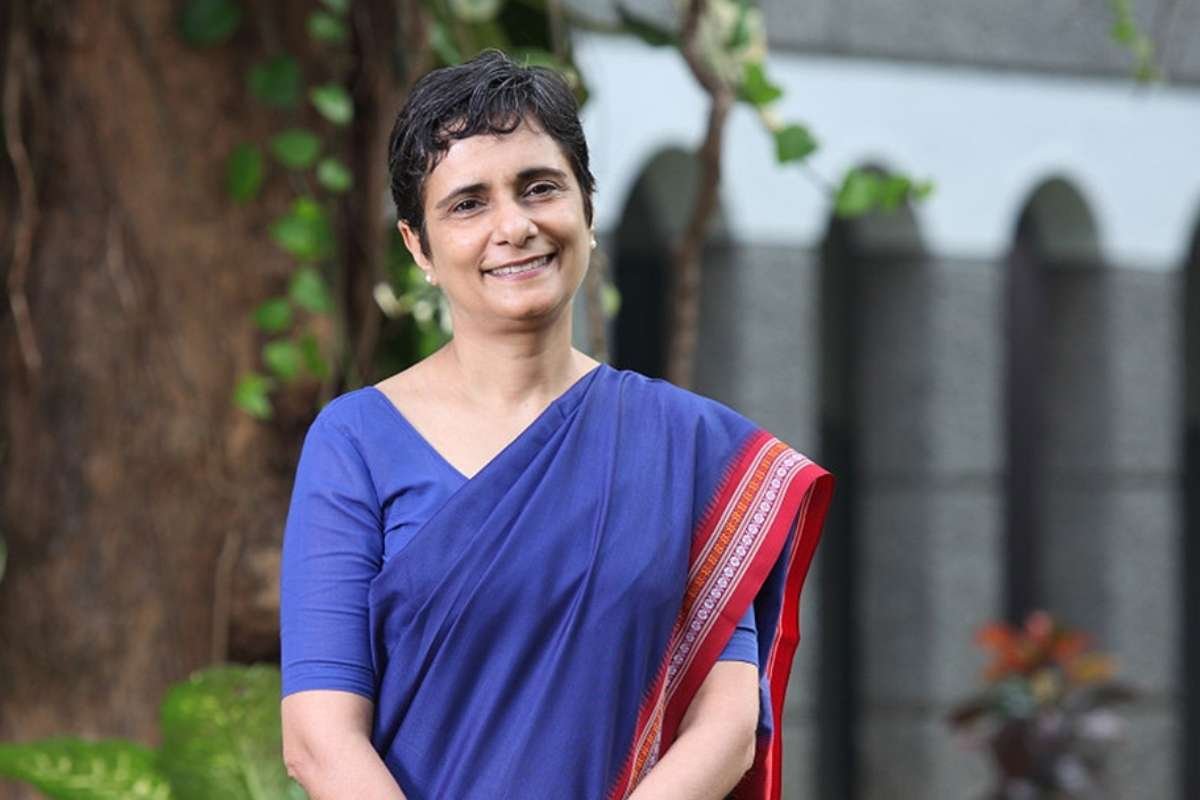
Dr. Gagandeep Kang focused her medical career on rotavirus, a severe stomach bug that causes life-threatening diarrhea in infants. Many researchers avoided the field because it meant collecting samples in remote rural villages.
Foreign organizations doubted whether an Indian lab could meet strict global safety standards for testing vaccines. Dr. Kang built state-of-the-art research centers at Christian Medical College (CMC) Vellore. Her clinical trials helped launch Rotavac, India’s own rotavirus vaccine that now protects millions of babies and saves over 30,000 lives every year.
Life Lesson: Solving real-world problems creates far more lasting good than chasing popular trends.
Key Achievements & Awards:
- First Indian woman scientist based in India elected Fellow of the Royal Society (FRS).
- Won the Infosys Prize in Life Sciences.
- Played a major role in creating and deploying Rotavac globally.
4. How Did Dr. Soumya Swaminathan Protect Global Health During a Crisis?
Dr. Soumya Swaminathan started her medical career treating children with tuberculosis in Chennai. She saw how poverty made sick children even more vulnerable.
Later, as Director-General of the Indian Council of Medical Research (ICMR) and Chief Scientist at the World Health Organization (WHO), she guided world leaders during the COVID-19 pandemic. When fake news and panic spread faster than the virus, she relied on clear scientific facts. She pushed hard so that poor nations could get equal access to life-saving vaccines.
Life Lesson: Truth and empathy matter most when managing a crisis.
Key Achievements & Awards:
- Appointed as the first Chief Scientist at the World Health Organization (WHO).
- Led national medical research as Director-General of the ICMR.
- Elected Fellow of the Royal Society (FRS).
5. How Did Nigar Shaji Guide India’s First Solar Observatory Mission?
Nigar Shaji grew up in a farming family in Tenkasi, Tamil Nadu. She worked at ISRO for 30 years, quietly building telemetry systems, the radio tracking tools that act like a satellite’s live heart monitor.
In 2023, ISRO appointed her to lead Aditya-L1, India’s first space mission to study the Sun. She managed teams across the country to construct scientific instruments that observe solar flares from 1.5 million kilometers away. She focused on her goals without letting external noise distract her.
Life Lesson: Decades of steady, patient hard work prepare you for extraordinary moments.
“There is no glass ceiling in ISRO; it’s just the inherent societal pressure that pulls women back.”
Nigar Shaji, Project Director, Aditya-L1 Mission
Key Achievements & Awards:
- Led the Aditya-L1 solar observatory mission as Project Director (Source: ISRO Aditya-L1 Mission).
- Designed core telemetry and tracking hardware for dozens of satellites.
- Won national awards for excellence in space engineering.
6. How Did Dr. Asima Chatterjee Discover Plant-Based Medicines with Simple Tools?
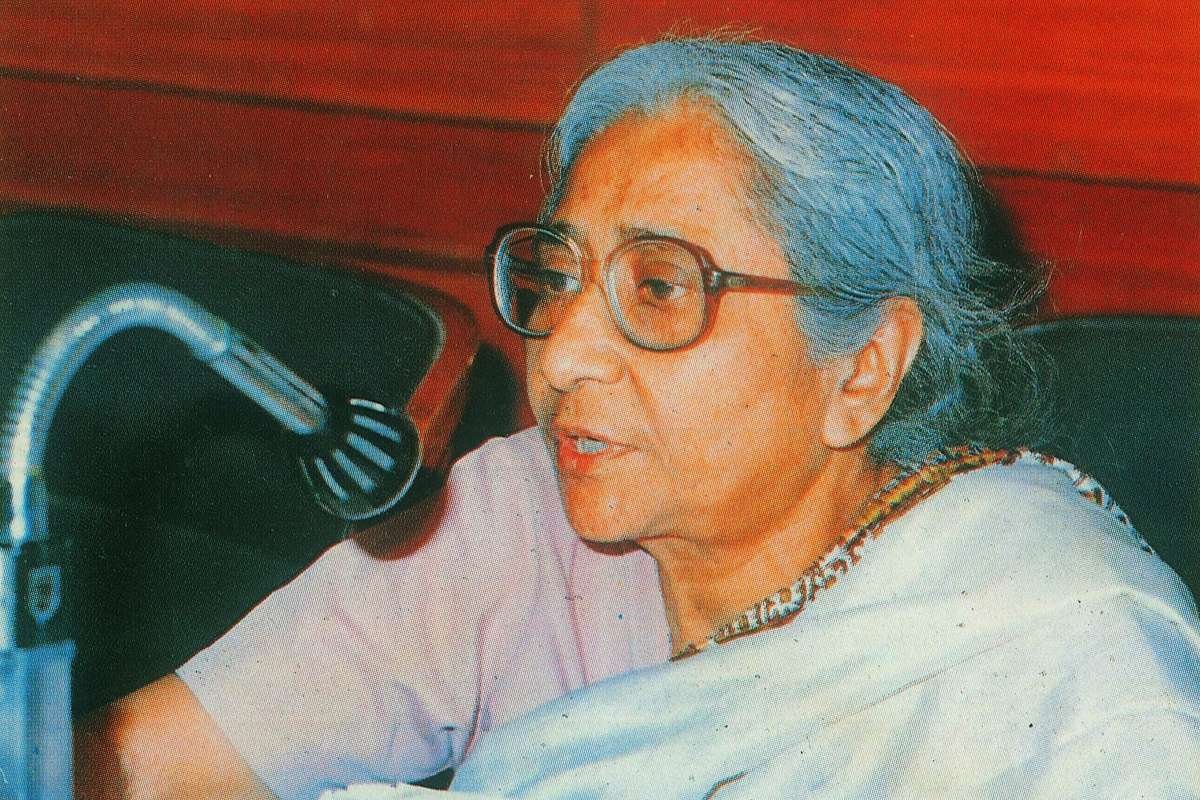
In the 1930s, the University of Calcutta rarely accepted women into master’s chemistry courses. Dr. Asima Chatterjee faced a total lack of lab funding, so she bought wild plants from local markets and crushed them using basic glassware.
She extracted medicinal chemicals called alkaloids from native Indian plants like Vinca rosea. Her work created Ayush-56, an effective anti-epileptic medicine, alongside important anti-malarial treatments. She proved that passion and smart ideas matter more than expensive tools.
Life Lesson: Resourcefulness overcomes a lack of equipment.
Key Achievements & Awards:
- First woman to earn a Doctor of Science (D.Sc.) from an Indian university (1944).
- First female winner of the Shanti Swarup Bhatnagar Prize (1961) (Source: CSIR SSB Portal).
- Appointed to the Rajya Sabha by the President of India.
7. How Did Dr. E.K. Janaki Ammal Transform India’s Agriculture?
Dr. E.K. Janaki Ammal faced harsh social discrimination in early 20th-century India due to her gender and caste. Refusing to step back, she earned her doctorate in plant genetics at the University of Michigan in 1931.
When she returned to India, she studied plant genetics, reading the DNA instruction manual of crops. She cross-bred sweet wild grasses with native sugarcane to invent sweeter, hardier sugarcane varieties suited to Indian soil. Her discoveries boosted India’s sugar industry and fed millions.
Life Lesson: Passion for science breaks down unfair social barriers.
Key Achievements & Awards:
- Created hybrid sugarcane strains that built India’s modern sugar industry.
- Served as Director-General of the Botanical Survey of India (BSI).
- Won the Padma Shri award in 1977.
8. How Did Anna Mani Build India’s Weather Measurement Systems?
In the 1940s, Anna Mani researched light patterns in diamonds under Nobel laureate Sir C.V. Raman. Even though she published five impressive research papers, university rules denied her a PhD because she lacked a formal master’s degree.
Instead of quitting, she traveled to London to learn how to design weather instruments. She returned to work at the Indian Meteorological Department (IMD), where she built over 100 weather measurement devices locally. Her instruments allowed India to measure wind, rain, and solar power accurately without relying on foreign imports.
Life Lesson: Use setbacks as fuel to build useful skills.
Key Achievements & Awards:
- Served as Deputy Director-General of the Indian Meteorological Department (IMD).
- Published reference handbooks on solar radiation and wind energy through the Indian Academy of Sciences.
- Advised the World Meteorological Organization (WMO).
9. How Did Dr. Kalpana K. Turn a Space Failure Into a Moon Landing Victory?
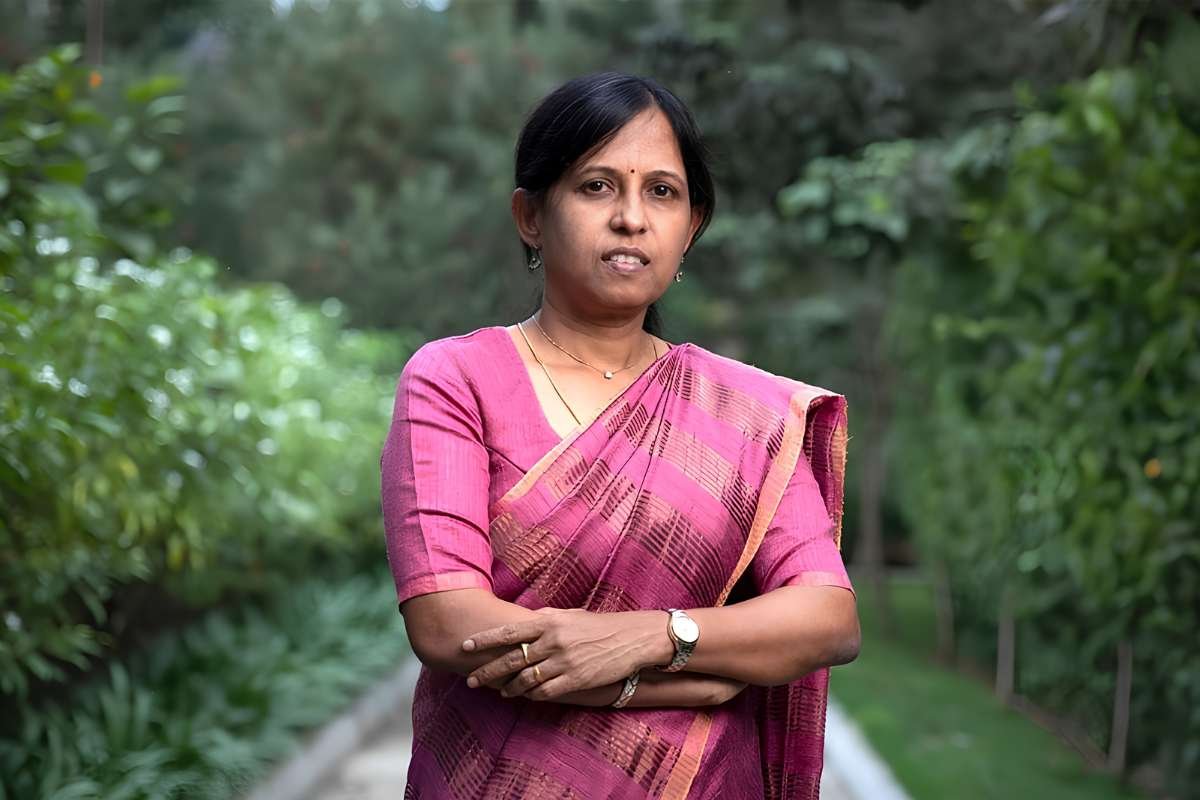
Dr. Kalpana K. spent years designing satellite structures before ISRO appointed her Associate Project Director for Chandrayaan-3. When the Chandrayaan-2 lander crashed on the moon in 2019, her team faced intense public scrutiny.
She studied the flight data, identified why the lander failed, and rebuilt the machine. She reinforced the lander’s legs, upgraded landing sensors, and wrote smarter safety software. On August 23, 2023, Chandrayaan-3 landed on the lunar South Pole.
Life Lesson: Failure gives you the exact information you need to succeed next time.
Key Achievements & Awards:
- Co-led the Chandrayaan-3 lunar landing mission as Associate Project Director (Source: ISRO Chandrayaan-3 Details).
- Designed satellite frames for India’s NavIC GPS system.
- Received the ISRO Team Excellence Award.
10. How Did Dr. Geetha Manjunath Use AI to Detect Early Cancer?
Dr. Geetha Manjunath worked for 25 years as a computer scientist at HP Labs and Xerox, earning over 17 international patents. After losing close family members to late-stage cancer, she realized traditional mammograms were often painful and missed tumors in younger women.
She left her corporate job to found NIRAMAI Health Analytix in 2016. She created Thermalytix®, an AI camera that measures heat variations in body tissue to spot early signs of breast cancer without pain or radiation. Today, her company screens thousands of women across India.
Life Lesson: Technology creates true value when it solves human suffering.
Key Achievements & Awards:
- Founder, CEO, and CTO of NIRAMAI Health Analytix.
- Won the NASSCOM Emerge 50 and BIRAC Innovator Awards.
- Holds 17+ international patents for thermal imaging and AI healthcare.
Where Do Female Scientists Work in India? (Sector Breakdown)
Data from the Department of Science and Technology (DST) shows that government institutions employ nearly half of all female researchers in India.
| Sectoral R&D Distribution of Indian Female Scientists | |
| Government Research Institutes (DRDO, ISRO, CSIR): | 45.87% |
| Higher Education & University Faculty: | 27.62% |
| Private Industrial R&D Centers: | 26.51% |
While public laboratories continue to absorb the largest share of talent, expanding the role of women in leadership across both government and corporate sectors remains vital. As female researchers break through senior administrative barriers in these organizations, their decision-making power directly influences research funding, institutional policy, and mentorship pipelines for the next generation of scientists.
How Can Scientific Leaders Grow Their Career and Social Impact?
Scientists grow their careers when they share their research with the world, connect with mentors, and speak at industry conferences.
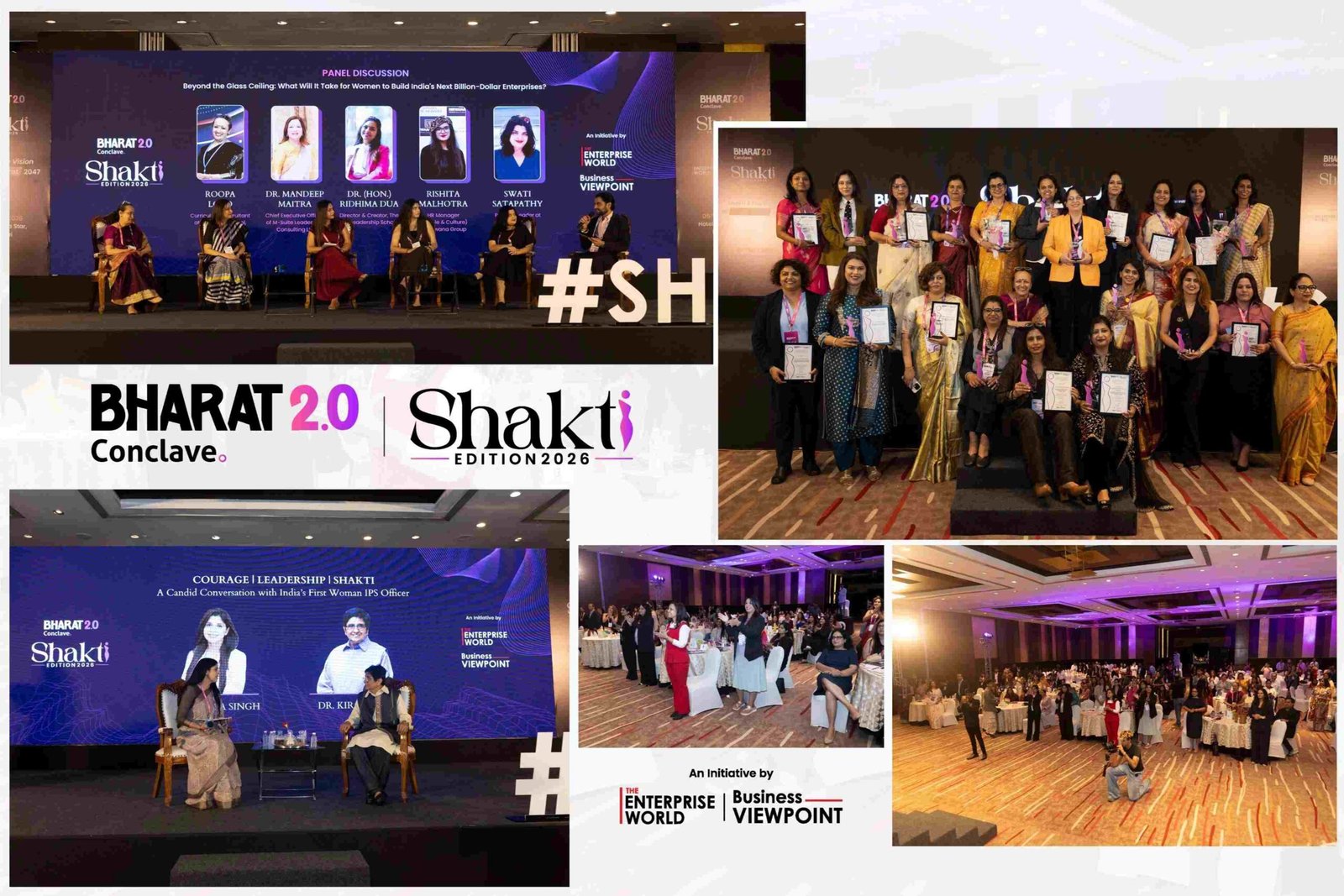
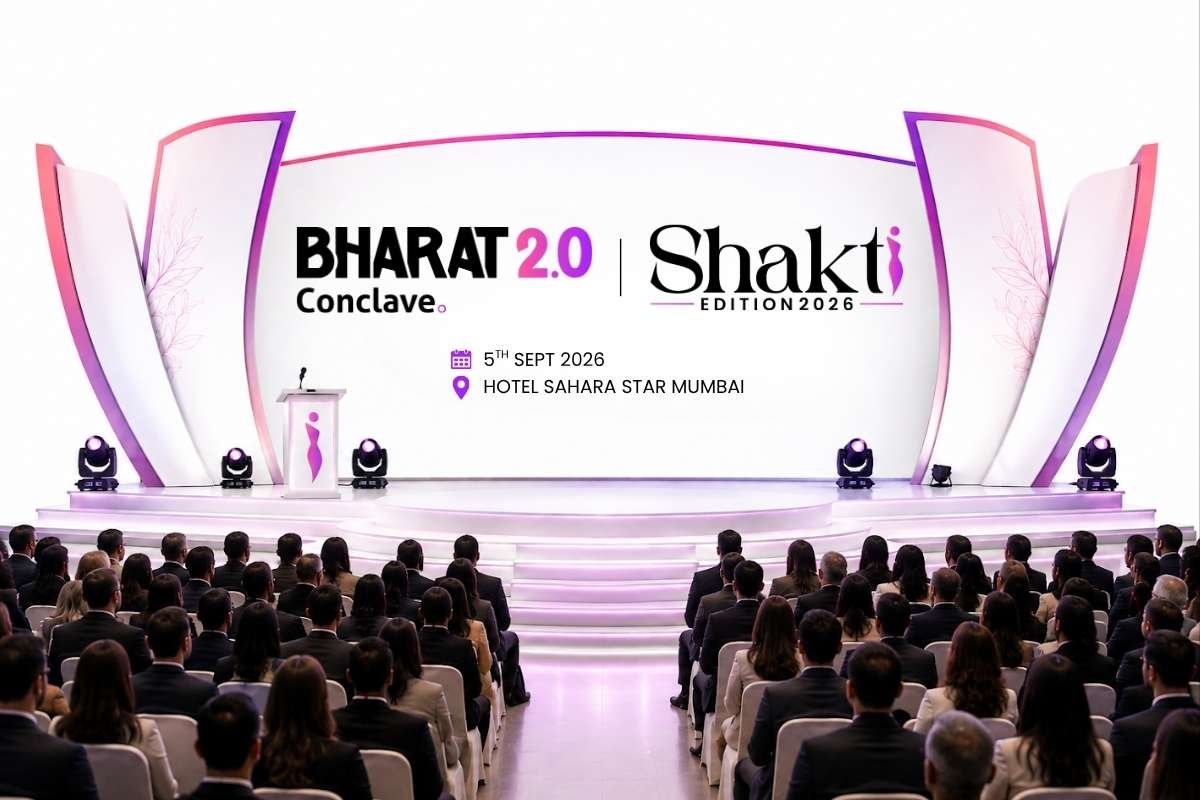
When evaluating major leadership events or Women Leadership Summit in India, researchers look at different features. Here is an example comparison between Bharat 2.0 Conclave vs ET Women Conclave.
| Key Feature | Bharat 2.0 Conclave | ET Women Conclave |
| Main Focus | Deep-tech, scientific innovation, & government research | Corporate management, branding, & business growth |
| Who Attends? | Top women scientists, tech founders, & policymakers | Corporate leaders & entrepreneurs |
| Event Length | 1-day summit (8–10 hours) | 2-day national convention |
| Best Used For | Scientific networking & deep-tech innovation | Business networking & corporate strategy |
Frequently Asked Questions about Women in Indian STEM
1. Who are the top women scientists leading space and missile programs in India?
Dr. Tessy Thomas served as Director-General at DRDO, leading the Agni-V missile project. Dr. Ritu Karidhal Srivastava directed Chandrayaan-2 operations, and Nigar Shaji led ISRO’s Aditya-L1 solar mission.
2. What percentage of Indian researchers are women?
Women represent 43% of total STEM higher education enrolments and hold 18.6% of active R&D positions in India.
3. What government programs support female scientists in India?
The Department of Science and Technology runs the WISE-KIRAN scheme, offering research grants, PhD fellowships, and re-entry options for women after career breaks.
4. What Is the Future for Women in Indian Science?
The stories of these 10 top women scientists show that India’s scientific future is bright. As female classroom participation reaches 43%, mentorship, equal workplace opportunities, and research grants will ensure Indian women continue to lead global scientific breakthroughs.