


Key Takeaways
- India’s new SIM binding rules take effect on January 1, 2027.
- Messaging platforms must link accounts to their registered active mobile SIMs.
- Web users may need to reconnect every 6 hours using QR codes.
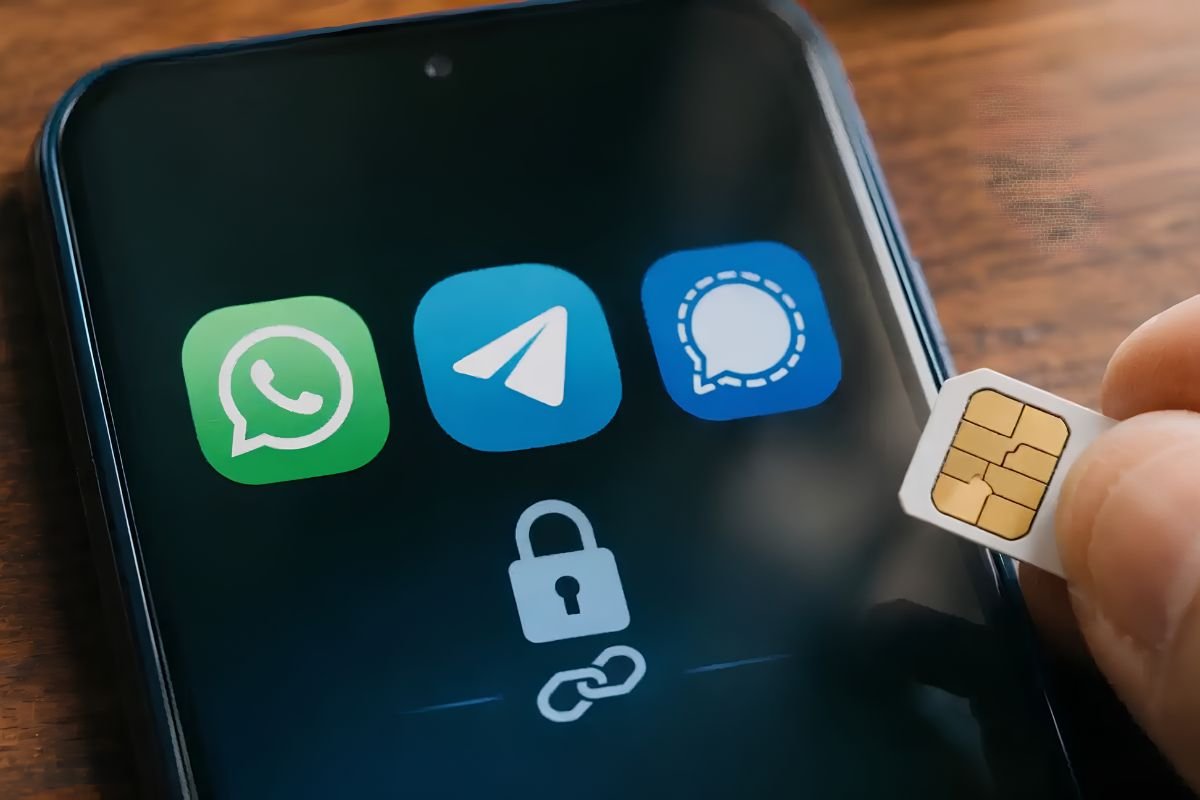
WhatsApp SIM Binding Rules and similar requirements for other messaging apps in India will take effect on January 1, 2027. The Department of Telecommunications (DoT) has set December 31, 2026, as the deadline for platforms to comply. The rules require accounts to remain linked to the active SIM associated with each registered mobile number, which could affect how users access messaging services across devices.
WhatsApp SIM binding rules set requirements for messaging apps
The directive covers WhatsApp, Telegram, Snapchat, Arattai, ShareChat, JioChat, and Signal. These platforms must ensure that accounts remain connected to the active SIM linked to the registered mobile number.
The rules also introduce a requirement for web versions of messaging services to log users out at least once every 6 hours. Users can reconnect by scanning a QR code. This could change how people use messaging services on computers, particularly those who keep web sessions open throughout the workday.
The requirement may affect businesses that rely on messaging apps for customer support, sales, internal communication, and service updates. Teams that use web versions to manage customer queries may need to reconnect during the day. Companies that use shared workstations or multiple devices may also need to review their access processes.
Users could lose access to an account if its registered SIM is removed or deactivated. The impact on individual users will depend on how each platform applies the requirements and supports different devices.
WhatsApp SIM binding rules aim to curb mobile number fraud
The DoT says the rules aim to address cybercrime involving Indian mobile numbers. According to the department, fraudsters operating from outside India have used messaging accounts registered with Indian numbers even after the linked SIM cards were no longer present in the device.
The new requirements are intended to make such misuse harder and help curb phishing, cross-border fraud, and digital arrest scams. Linking an account to an active SIM could make it harder to keep using an account after the associated number is no longer active in the device.
The directive falls under the Telecom Cyber Security Rules, 2024. However, the available information does not establish how much the new requirements will reduce fraud or how platforms will handle every possible device setup.
The WhatsApp SIM Binding Rules could affect Indian businesses that use messaging services to communicate with customers, suppliers, employees, and partners. Companies that depend on these channels may need to check whether their staff uses accounts on devices that do not contain the registered SIM. They may also need to prepare for more frequent logins on web-based services.
Device Compatibility And Implementation Questions Remain
Questions remain about how the requirements will work across different operating systems and messaging platforms. Apple has reportedly introduced an iOS software update to help detect when an iPhone operates without a physical SIM, potentially supporting compliance with the rules. The available details do not fully explain how this change will affect all messaging apps or devices.
Signal had reportedly not responded to government notices at the time of the report. Platforms will need to implement the requirements before the December 31, 2026, deadline.
Users who travel abroad, change SIM cards often, or access messaging accounts across several devices may need to check how the rules affect their setup. Businesses should also review their reliance on messaging apps for daily operations and customer communication.
The requirements are scheduled to take effect on January 1, 2027. Their practical impact will become clearer as platforms explain how they will apply SIM binding and manage access across phones, computers, and other connected devices.