Starting a green energy business does not always mean owning a solar farm. You can enter this market by serving customers, fixing equipment, or managing energy use. The key lies in choosing a model that fits your capital, skills, and risk limits. These green energy business ideas for small investors cover services, software, recycling, and niche installations.
Some need tools and technical skills, while others need sales and customer links. Small capital helps you start, but it does not remove working capital or compliance risks. Your location, equipment, and business scope will shape the real startup cost.
The right choice depends on local demand, technical ability, and compliance needs. Small investors should test customer interest and operating costs before scaling.
How to evaluate a small-investor green energy business?
The right green energy business ideas for small investors should match your funds, skills, and local demand.
Start by checking costs for tools, stock, deposits, and daily cash needs. Then, ask how the business earns money. Options include project fees, service plans, installation margins, and subscriptions. Your technical skills matter, especially for electrical work and system repairs.
Next, identify your customers. Finally, check permits, safety rules, waste handling, and other compliance needs.
You can choose from four broad business types. Asset owners need more capital and carry equipment risks. Installation and maintenance services rely on skilled work and customer trust. Advisory and technology-led businesses may need less equipment but strong expertise.
Circular economy models focus on collection, sorting, and safe waste handling. Green energy solutions and technology can support businesses that use data, software, or energy management tools.
Top 15 green energy business ideas for small investors across niche subsections
Let’s explore green energy business ideas for small investors across different sectors. We will go through various sectors that come under the green energy umbrella. Let’s dive right in.
Solar and Distributed Energy Services
Every working system needs checks, repairs, and timely support. This creates room for green energy business ideas for small investors beyond full EPC projects.
The three models below focus on existing assets, technical support, and rural energy needs.
1. Solar O&M and monitoring
Solar panels need regular checks to keep systems working well. You can offer cleaning coordination, fault checks, and output tracking. Your customers may include housing societies, schools, warehouses, and small factories. Instead of competing with EPC companies, target their after-sales service gaps.
Revenue model: Annual maintenance contracts, inspection fees, emergency visits, and monitoring subscriptions.
Key cost drivers: Testing tools, safety gear, monitoring software, and trained technicians.
Main constraint: Roof access, electrical safety, and clear service terms matter. Start with a defined service area and reliable technician support.
2. Inverter and battery diagnostics
Inverters and batteries need careful checks when system output drops. A diagnostic service can find faults and coordinate repairs. You can serve small businesses, facility managers, solar EPC companies, and backup power users. This model focuses on troubleshooting rather than manufacturing equipment.
Revenue model: Diagnostic fees, service packages, and maintenance contracts.
Key cost drivers: Testing equipment, technician training, transport, and safety gear.
Main constraint: Electrical hazards and battery handling require qualified skills. Follow manufacturer guidance and protect warranty terms before starting repairs.
3. Solar pump support and maintenance
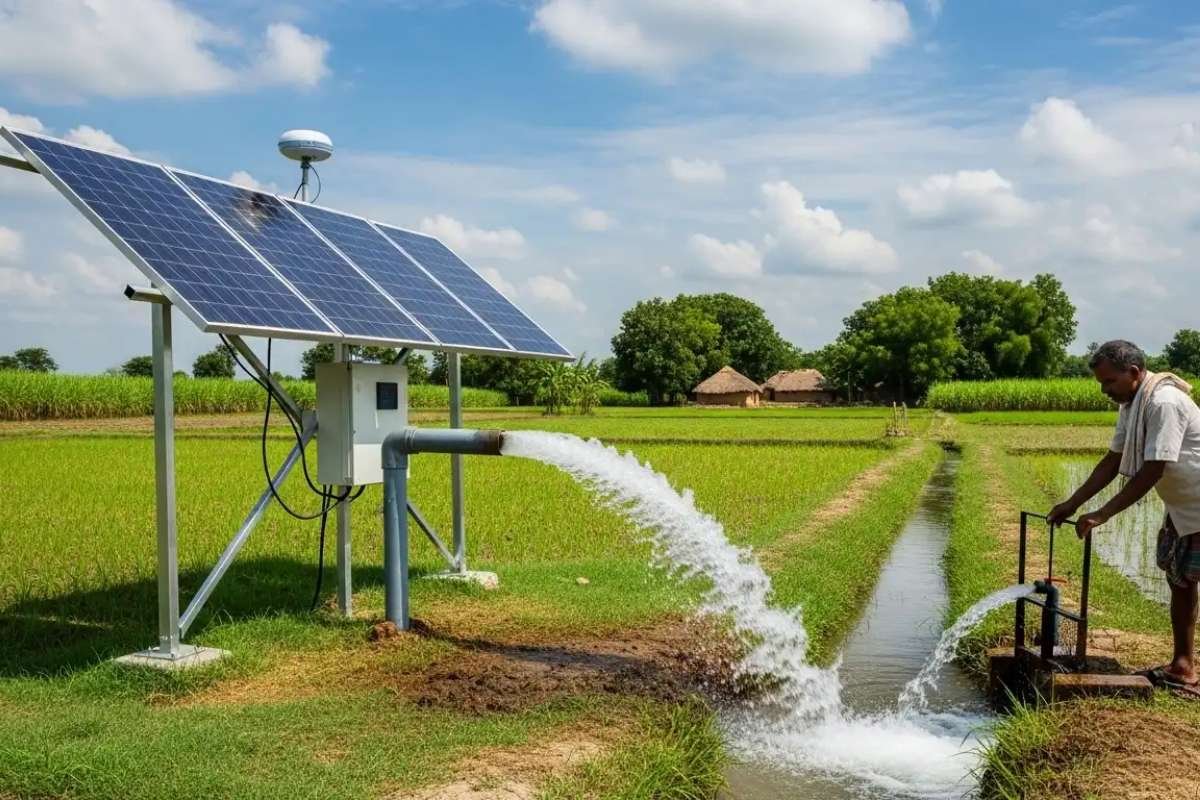
Farmers need dependable water pumps, especially across dry regions. You can support installation, fault checks, repairs, and routine maintenance. Your customers may include farmers, cooperatives, pump distributors, and rural service providers. A regional service network can help you start without owning a large EPC company.
Revenue model: Installation support fees, service visits, maintenance contracts, and replacement parts.
Key cost drivers: Transport, pump testing tools, spare parts, and trained local technicians.
Main constraint: State rules, vendor access, and local service coverage shape demand. PM-KUSUM includes standalone solar pumps and agricultural pump solarisation.
However, eligibility, subsidy support, and implementation arrangements vary by state and scheme component. Check official state guidelines before planning your services.
For investors seeking policy-linked opportunities, government incentives for green businesses can provide useful context. Avoid treating subsidies as guaranteed customer demand.
Energy Efficiency and Commercial Services
Green energy business ideas for small investors do not need more energy alone. They need better control over what they already use. This creates space for small investors who can help shops, factories, and offices cut waste.
These green energy business ideas for small investors focus on energy data, practical upgrades, and measurable system performance.
4. Commercial energy audits
Energy audits help businesses find waste in power use and equipment. You can assess electricity patterns, identify inefficient systems, and suggest practical fixes. Your customers may include small factories, hotels, offices, and retail chains. Focus on clear energy findings instead of broad sustainability advice.
Revenue model: Audit fees, implementation support, and recurring monitoring services.
Key cost drivers: Measurement tools, trained staff, travel, and reporting systems.
Main constraint: Your team needs suitable technical skills and reliable measurements. Check BEE requirements and relevant audit standards before offering regulated services.
5. Smart energy monitoring
Small businesses often lack a dedicated energy management team. You can help them track power use through meters, sensors, and reports. Your customers may include restaurants, workshops, retail stores, and office buildings. The value lies in turning energy data into useful daily actions.
Revenue model: Installation fees, monitoring subscriptions, and periodic advisory services.
Key cost drivers: Sensors, software, installation, data support, and customer onboarding.
Main constraint: Poor data quality can weaken customer trust. Choose reliable devices and explain what your reports can measure. Start with one clear use case, such as tracking high-use equipment or identifying unusual power patterns.
6. HVAC and cooling retrofits
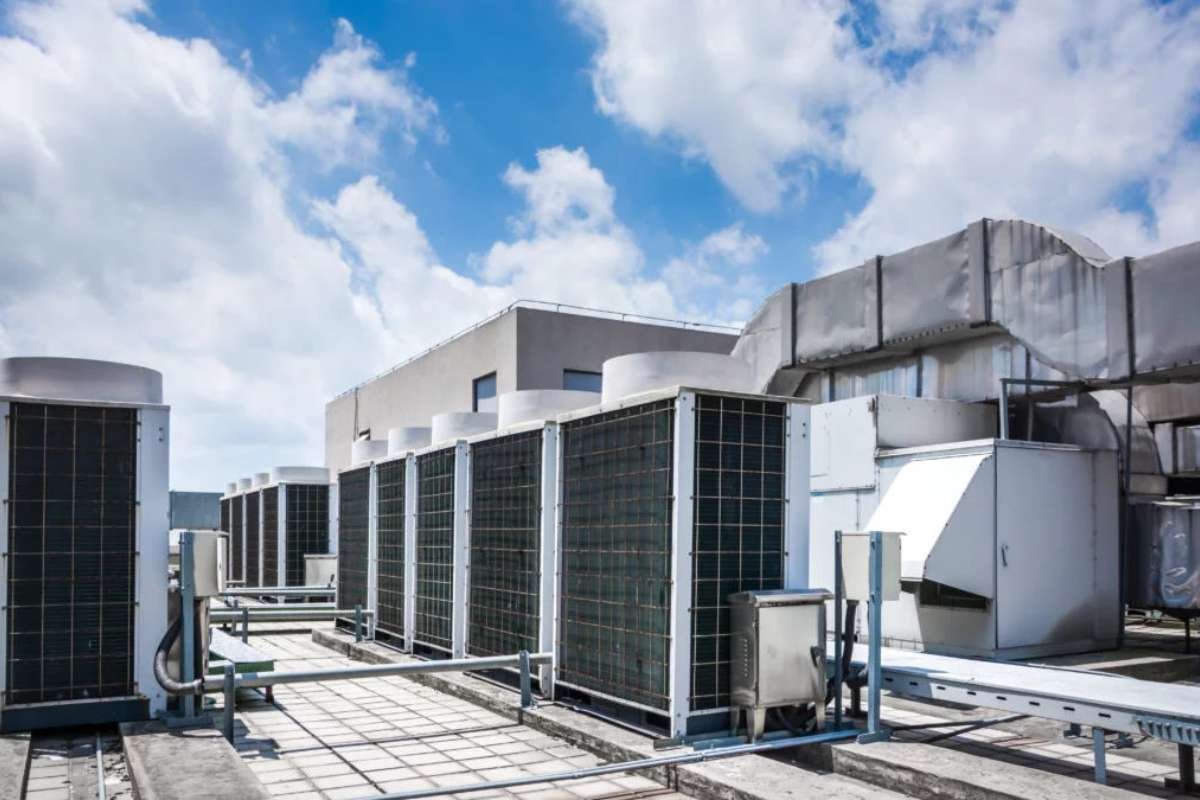
Cooling systems can drive high power use in Indian commercial buildings. You can help customers improve controls, replace inefficient units, and maintain cooling systems. Your customers may include hotels, hospitals, restaurants, offices, and retail stores. Focus on measured energy use and cooling performance, not just equipment sales.
Revenue model: Consulting fees, installation coordination, equipment margins, and maintenance contracts.
Key cost drivers: Testing tools, contractor fees, replacement equipment, and skilled technicians.
Main constraint: Large equipment costs and contractor dependence can raise project risk. Seasonal demand also affects service planning. Its standards and labelling programme help buyers compare equipment efficiency.
Better energy use is only one part of the transition. Storage and electric mobility create another set of service needs.
Energy Storage and EV Support Businesses
Batteries and electric vehicles create new service needs across India. Small investors can support these markets without manufacturing batteries or owning a charging network. However, both areas demand technical skills, safety checks, and clear operating rules. The next three green energy business ideas for small investors focus on battery health, charging support, and fleet energy use.
7. Second-life battery assessment
Used batteries need careful checks before anyone considers a second use. You can offer battery health testing, sorting, diagnostics, and collection coordination. Your customers may include recyclers, storage operators, and fleet businesses. Focus on assessment and service partnerships, not battery manufacturing.
Revenue model: Testing fees, service contracts, and collection or processing partnerships.
Key cost drivers: Diagnostic tools, trained technicians, protective equipment, and safe storage arrangements.
Main constraint: Battery work carries fire, shock, and handling risks. Follow applicable battery waste rules and use qualified personnel. Avoid treating refurbishment as a simple home-based business.
8. EV charging support
EV charging needs more than a charger and a power connection. You can help customers assess sites, coordinate installation, and maintain charging equipment. Your customers may include housing societies, offices, parking facilities, and fleet operators. This model lets you support charging growth without owning a full charging network.
Revenue model: Installation fees, maintenance contracts, and monitoring services.
Key cost drivers: Testing tools, technician costs, transport, and monitoring software.
Main constraint: Site feasibility, electricity connections, and charger compatibility affect each project. Check the applicable Ministry of Power guidelines and state electricity rules before offering installation services.
9. EV fleet energy management
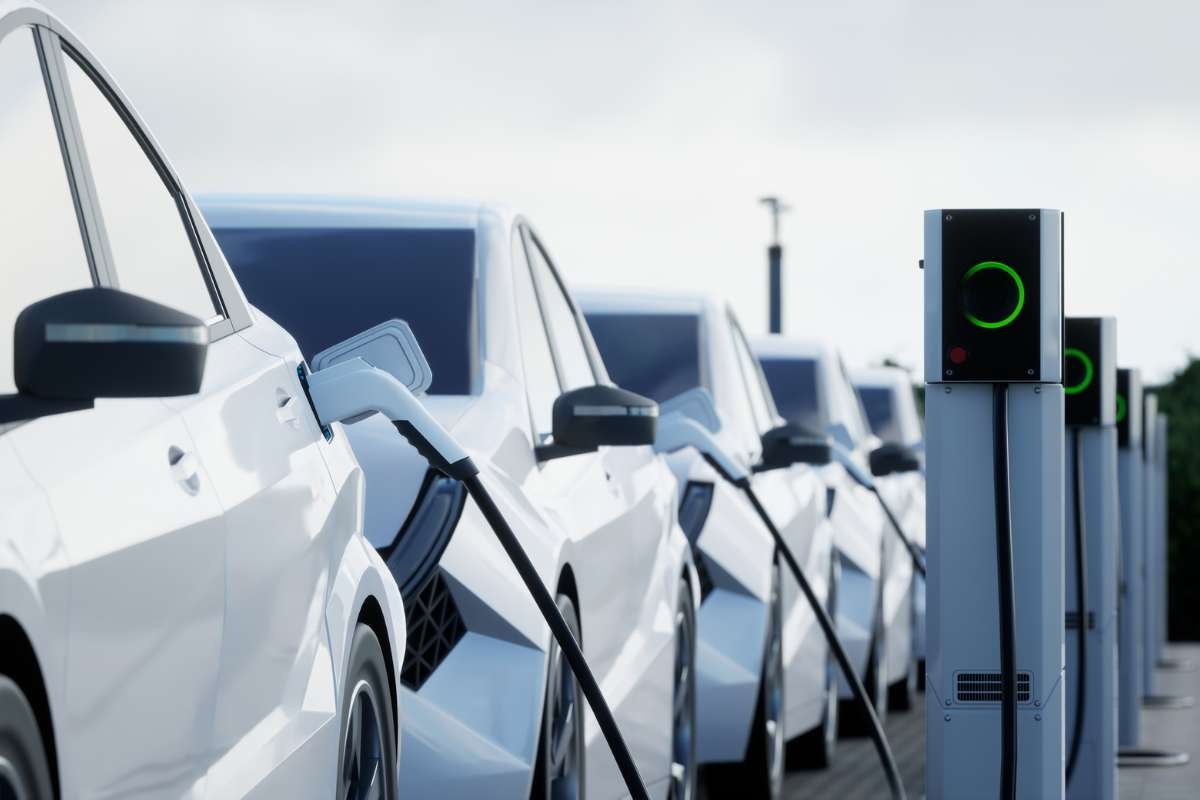
Electric fleets need reliable charging plans and good energy control. You can help operators track charging times, energy use, and charger uptime. Your customers may include delivery fleets, logistics companies, and electric three-wheeler businesses. Instead of selling vehicles, focus on helping fleets manage daily charging operations.
Revenue model: Software subscriptions, fleet support contracts, and energy management services.
Key cost drivers: Monitoring software, data integration, customer support, and technical staff.
Main constraint: Fleet systems need accurate data and reliable charger links. Start with a clear use case, such as charging schedules or energy reports. Confirm that the customer has compatible equipment and enough data access before promising measurable savings.
Energy systems also create waste, used parts, and recovery needs. The next section looks at circular economy and green supply chain services.
Circular Economy and Green Supply Chain
Green energy business ideas for small investors go beyond installation and maintenance. Small investors can enter this space through logistics, documentation, and resale services.
These models need strong compliance controls because waste handling and used equipment sales carry operational risks.
10. Solar panel recycling coordination
Solar panels eventually need collection, sorting, transport, and suitable end-of-life processing. You can build a service that connects solar project owners with approved processing partners. Your customers may include solar EPC companies, commercial facilities, project owners, and recyclers. Rather than investing in a recycling plant, focus on collection logistics, tracking, and reliable recycler partnerships.
Revenue model: Collection fees, logistics contracts, documentation services, and recurring service agreements.
Key cost drivers: Transport, safe handling equipment, storage arrangements, tracking systems, and trained workers.
Main constraint: Waste classification, transportation, handling, and environmental requirements can vary by material and activity.
Check applicable CPCB guidance and local requirements before accepting solar waste. Keep clear records of collection, movement, and handover. Start with a defined service area and verified processing partners.
11. Commercial battery waste collection
Businesses generate used batteries through EVs, backup systems, electronics, and service operations. You can organise collection and channelisation through authorised processing partners. Your customers may include EV dealers, battery service centres, commercial fleets, and electronics businesses. The business can focus on building a dependable collection and documentation network instead of operating a processing facility.
Revenue model: Collection contracts, logistics fees, documentation services, and partnerships with authorised recyclers.
Key cost drivers: Collection vehicles, protective equipment, temporary storage, staff training, and compliance records.
Main constraint: Collection and aggregation are not the same as recycling. Different activities may involve different registration, handling, and reporting duties under India’s Battery Waste Management Rules.
Confirm the applicable CPCB requirements before starting operations. Avoid storing batteries without suitable safety controls, clear ownership records, and an approved downstream channel.
12. Refurbished energy equipment resale
Some used energy equipment may still offer value after proper inspection. You can resell suitable solar components, energy monitoring devices, and related hardware to customers with limited budgets. Your target customers may include small businesses, repair networks, educational institutions, and independent service providers. The model works best when every item has a clear source, inspection record, and defined warranty boundary.
Revenue model: Resale margins, inspection fees, repair coordination, and after-sales support.
Key cost drivers: Equipment sourcing, testing tools, storage, repairs, transport, and inventory management.
Main constraint: Used equipment can create reliability, liability, and warranty risks. Counterfeit parts and inconsistent supply can also damage customer trust.
Check manufacturer specifications, warranty terms, and relevant product safety requirements before resale. Maintain inspection records and state clearly whether each product comes with a warranty, limited support, or no warranty.
Green Technology and Specialized Enterprise Services
These green energy business ideas for small investors use technology and advisory services to help businesses manage energy costs and sustainability goals. These green energy business ideas for small investors may need less physical equipment, but they depend on expertise, trust, and strong customer relationships.
13. Renewable energy software

Renewable energy businesses need tools for monitoring, maintenance, and performance reports. You can build or resell software for solar installers, O&M providers, and commercial facilities. Focus on one task, such as maintenance alerts or energy reporting, instead of a broad platform.
Revenue model: SaaS subscriptions, setup fees, integrations, and managed reporting.
Key cost drivers: Software development, cloud services, cybersecurity, and data integration.
Main constraint: Customer acquisition and system compatibility can increase costs.
14. Green building retrofits
Building owners need practical ways to reduce energy waste. You can coordinate lighting upgrades, smart controls, efficient equipment, and targeted retrofit work. Your customers may include offices, hotels, schools, warehouses, and commercial property owners.
Revenue model: Project fees, installation coordination, and maintenance contracts.
Key cost drivers: Assessment tools, contractors, replacement equipment, and project management.
Main constraint: Savings depend on building use, equipment quality, and installation standards. Use BEE and ECBC resources when assessing retrofit options.
15. Renewable energy procurement advisory
Businesses need help comparing energy suppliers, equipment vendors, and renewable procurement options. You can support SMEs, export-oriented manufacturers, and commercial property operators with vendor checks, energy reports, and procurement planning. Demand for corporate adoption of renewable energy can create opportunities for practical business-facing advice.
Revenue model: Consulting retainers, project fees, and supplier evaluation services.
Key cost drivers: Skilled staff, research tools, travel, and reporting systems.
Main constraint: Conflicts of interest, regulatory changes, and inaccurate technical advice can damage trust. Maintain transparent procurement processes and disclose commercial relationships.
How small investors can select a green energy business
The right green energy business ideas for small investors must fit your capital, skills, and customer access. Cash flow also matters. The Ministry of MSME reported that approximately ₹8.1 lakh crore remained locked in delayed payments. This is making customer payment terms a key working-capital risk.
Before choosing a B2B service, assess advance payments, credit periods, and collection processes.
Your customer segment matters as well. BEE has conducted more than 550 energy audits across 55 energy-intensive MSME clusters, showing the value of sector-specific energy assessments.
However, this does not guarantee demand in every location.
Use this validation process:
- Interview potential customers and identify a paid problem.
- Obtain vendor quotations and estimate service costs.
- Check licences, safety rules, and technical approvals.
- Test the service through a small pilot.
- Review supplier dependence, payment terms, and repeat demand.
Compare each idea with your ability to execute, not just its market size.
Conclusion:
Small investors can enter the green energy market through services, energy efficiency, equipment support, recycling, and technology. However, a smaller budget does not always mean lower risk. The right green energy business depends on your skills, local demand, recurring revenue, and ability to manage operations.
Before investing in equipment or inventory, speak with potential customers, compare supplier quotations, and test your service through a small pilot. Review the licences and safety rules that apply to your business model.
These steps help you assess green energy business ideas for small investors based on execution needs, cash flow, and practical customer demand.
Frequently asked questions
1. What are the best green energy business ideas for small investors?
There is no single best option for every investor. It all depends on your capital, skills, location, and customer demand.
2. How much money is needed to start a green energy business in India?
Costs vary by business model and location. Equipment, inventory, staff, registrations, transport, and working capital all affect your budget, so obtain quotations before investing.
3. Are green energy business ideas for small investors eligible for government incentives in India?
Some businesses may qualify, depending on the scheme, activity, location, and applicant type. Check official guidelines for current conditions, as incentives are not guaranteed for every business.