




Key Takeaways
- The summit highlighted stronger trade links between India and other BRICS economies.
- Indian exporters could gain more opportunities across emerging economy markets.
- Local currency transactions could support simpler cross-border trade arrangements.
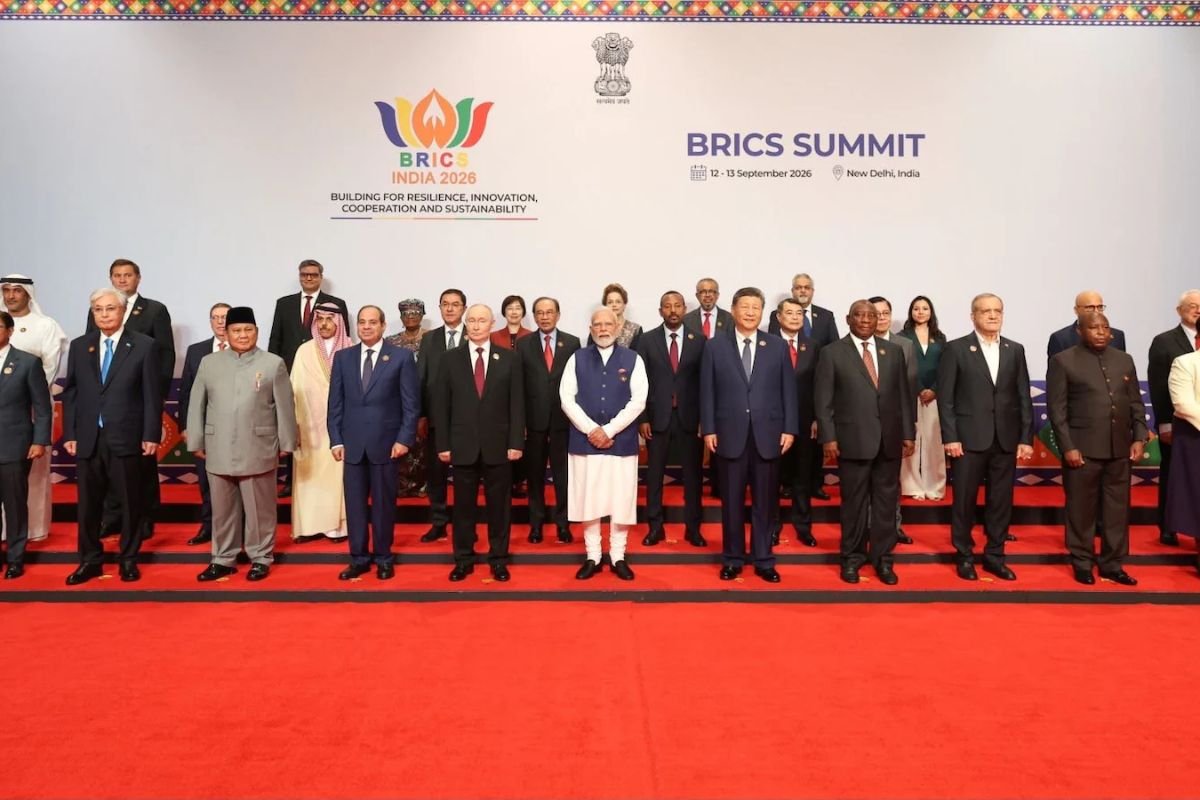
The 18th BRICS Summit in New Delhi focused on stronger economic cooperation among member countries, with intra-BRICS trade and local currency transactions receiving attention. The New Delhi Declaration also called for new initiatives to improve global economic cooperation. For Indian businesses, the summit highlighted opportunities linked to trade, exports, services, and cross-border commercial activity.
Trade co-operation gains greater attention
The New Delhi Declaration called for steps to improve trade among BRICS members and increase transactions using local currencies. The move keeps trade cooperation at the center of the group’s economic agenda as its membership expands.
The BRICS Summit also highlighted how stronger economic cooperation could create new opportunities for Indian exporters and businesses operating across emerging markets.
India has commercial links with several BRICS economies across goods, services, manufacturing, energy, technology, and other sectors. Greater trade cooperation could give Indian companies more channels to build business relationships within emerging markets.
The declaration also recommended new initiatives for global governance and called for changes in major international institutions. However, its economic focus included practical areas such as trade and payment arrangements between member economies.
The wider use of local currencies could also become relevant for Indian companies involved in international trade. Businesses currently using foreign currencies for cross-border transactions could monitor how BRICS countries develop payment and settlement arrangements.
The summit also included discussions with countries across Asia and Africa. These markets remain relevant for Indian exporters and companies looking to build international supply and distribution networks.
BRICS summit builds India’s links with emerging markets
India’s fourth BRICS chairship brought together senior leaders from member countries and created opportunities for several bilateral business discussions. Prime Minister Narendra Modi met Chinese President Xi Jinping during the summit, while India also engaged with leaders from ASEAN and African nations.
China remains an important trading partner for Indian businesses, while ASEAN and African markets offer opportunities across manufacturing, services, technology, pharmaceuticals, agriculture, and consumer products.
The summit also saw a meeting between Iran and the UAE, two important economies in West Asia. Both markets have established commercial links with India, particularly in energy, trade, shipping, logistics, and investment.
Saudi Arabia’s participation remained separate from the main BRICS session. Its foreign minister arrived after the joint statement was adopted. Saudi Arabia has not formally joined the grouping.
The New Delhi Declaration was adopted after negotiations among participating members. Its economic provisions included improving intra-BRICS trade and increasing transactions in local currencies.
For Indian entrepreneurs, the main business relevance of the BRICS Summit is the continued focus on trade among emerging economies. Indian companies operating across international markets can track new trade mechanisms, payment systems, and commercial arrangements that may emerge from BRICS cooperation.
The summit also brought India’s business relationships across several regions into one broader economic framework. As BRICS members continue developing trade cooperation, Indian exporters and businesses with overseas operations will have additional markets and commercial channels to monitor.

