

A small factory may waste power without knowing where the loss starts. A shop may pay more for energy, while a nearby business struggles with waste. Both need help, but neither may hire a large consulting company.
That gap creates room for low-investment green business ideas in India. For first-time entrepreneurs, Low-Investment Green Business Ideas can provide a practical way to enter sustainability-focused markets without immediately investing in large infrastructure.
Small providers can offer energy checks, waste collection, repairs, and resource-saving solutions. India’s push for cleaner power and better resource use adds to this demand.
However, low starting capital does not mean low running costs. Equipment, skilled workers, travel, safety, and permits can shape your actual spending. So, here are 15 ideas below to compare entry needs, revenue potential, and growth room.
How to choose a low-investment green business?
A low-cost setup can still drain cash before your first steady sale. Check five things before you choose among these low-investment green business ideas.
1. Initial capital: Add up tools, stock, deposits, registrations, and working cash. Your starting budget needs room for early delays.
2. Technical barrier: Check whether you need trained staff, special skills, or certified experts. Some services demand more knowledge than equipment.
3. Customer acquisition: Decide who pays you. Local factories, housing societies, shops, and institutions each need a different sales plan.
4. Revenue model: Compare one-time fees with repeat service contracts, commissions, and subscriptions. Predictable income can help cover monthly costs.
5. Expansion potential: Look for repeat customers and services you can standardize. A small team may help you serve more clients.
Don’t judge an idea by equipment cost alone. Investment in a green energy business can help you assess startup cash, working capital, and financial risks before committing money.
15 low investment green business ideas in India for first-time entrepreneurs
Low-cost green businesses work best when they solve a measurable problem. A factory wants to reduce energy waste. An office needs a safe route for old computers. A housing society needs someone to manage wet waste without creating odour.
That difference matters. Low-investment green business ideas should have a clear customer, repeatable service, and a realistic way to recover operating costs.
The opportunities below focus on narrow customer segments, revenue models, entry barriers, and available market evidence. Financial examples are illustrative, not guaranteed returns.
1. Compressed-air leak checks for small factories
Small engineering units often use compressed air for pneumatic tools, cleaning, and production equipment. Leaks can waste energy, but the loss depends on pressure, leak size, compressor efficiency, and operating hours. This makes compressed-air assessments one of the more specialised Low-Investment Green Business Ideas for entrepreneurs with suitable technical skills.
A niche operator can offer leak surveys, ultrasonic testing, tagging, and repair coordination to workshops in industrial clusters such as Pimpri-Chinchwad, Rajkot, or Coimbatore. Revenue can come from inspection fees and repeat quarterly checks.
The entry barrier is technical skill, not a large plant. You need suitable detection equipment, safety training, and a qualified repair partner. Avoid promising a fixed energy saving without measuring the baseline.
Investment logic: Sell the identification of waste first. Add repair coordination and verification after the customer approves the work.
2. Rooftop solar performance and maintenance contracts
India had 32.59 GW of grid-connected rooftop solar capacity as of 31 August 2026, according to MNRE. That installed base creates a potential service market, but the entire capacity does not represent immediate demand for a new maintenance provider.
Among Low-Investment Green Business Ideas, solar maintenance can offer a service-based model without requiring the operator to own a solar installation company.
A small operator can target housing societies, clinics, schools, and commercial buildings with scheduled cleaning, visual checks, inverter-error logging, and performance records. Electrical repairs should remain with qualified technicians.
Revenue can come from monthly or quarterly contracts. The key costs include trained workers, safe roof access, transport, insurance, and equipment.
Investment logic: Start in one local cluster and build route density. Ten nearby contracts may offer better economics than ten scattered sites.
3. Solar installation lead generation and customer referral
The PM Surya Ghar scheme targets one crore residential rooftop solar installations. That policy target creates a large potential customer funnel, but it does not guarantee that every lead will convert or that every locality has equal demand.
An entrepreneur can build a local referral service for housing societies, homeowners, and small commercial property owners. The business can screen enquiries, collect consent, compare verified installers, and coordinate site-visit requests.
This approach can make solar referrals one of the Low-Investment Green Business Ideas that relies more on marketing, sales, and local installer relationships than expensive equipment.
Revenue may come from disclosed referral fees or marketing contracts. The operator should not present itself as an installer without the required qualifications and permissions.
Investment logic: Track cost per enquiry, qualified-lead rate, installer conversion, and customer complaints. A high lead count means little if installers reject the leads.
4. Energy-efficient lighting retrofits for workshops

Selling LED bulbs alone creates price competition. A narrower model focuses on lighting assessments for workshops, warehouses, clinics, and retail spaces.
The service can map operating hours, identify over-lit areas, compare product quality, and coordinate installation through partners. The customer should evaluate energy use, illumination, warranty, maintenance, and payback rather than wattage alone.
Revenue can come from an assessment fee, procurement margin, or project coordination fee. Stocking every product increases working-capital risk.
For entrepreneurs seeking Low-Investment Green Business Ideas, this model can combine consulting, supplier relationships, and project coordination.
Investment logic: Start with a survey and supplier network. Purchase inventory only after confirming the customer’s specification and order.
5. Corporate IT asset collection and recycling coordination
India generated 13,97,955.59 metric tonnes of e-waste in FY 2024–25, while the reported collection, dismantling, recycling, or disposal rate was 70.71%. The figures come from CPCB estimates and reported activity under the applicable system; they do not capture every informal transaction.
A specialised business can serve offices with 20–200 employees. It can arrange scheduled pickups, asset lists, secure handover records, and coordination with registered recyclers.
Data protection creates the main service distinction. Customers may need documented data wiping, chain-of-custody records, and proof of final processing. Collection alone offers limited differentiation.
Investment logic: Earn through pickup coordination and documentation. Do not dismantle hazardous equipment without the required authorisation and controls.
6. Laptop refurbishment for students and MSMEs
A refurbishment business should not accept every used device. Older laptops may require expensive batteries, screens, storage, keyboards, or motherboard repairs. Warranty claims can quickly reduce margins.
Choose a narrow product range, such as business laptops with available parts. Revenue can come from refurbished sales, maintenance packages, upgrades, and buyback arrangements.
Before buying stock, test battery health, ports, storage, display, and operating performance. Build a clear grading system and a short warranty policy.
Investment logic: Your working capital sits in unsold devices. Buy only models with predictable repair costs and known resale demand.
7. Managed wet-waste systems for housing societies
Selling a composting machine does not solve a society’s daily waste problem. Staff must maintain segregation, manage moisture, control odour, and remove contamination.
A small operator can provide monthly wet-waste operations for apartment societies, restaurants, hostels, and schools. The contract may cover staff visits, process checks, resident training, and coordination for finished compost.
Revenue works better through recurring service fees than one-time equipment sales. The operator must define who supplies space, electricity, collection bins, and replacement material.
Investment logic: Begin with one or two societies close to each other. Travel time, contamination levels, and payment delays can decide whether the contract works.
8. Textile scrap sorting for local manufacturers
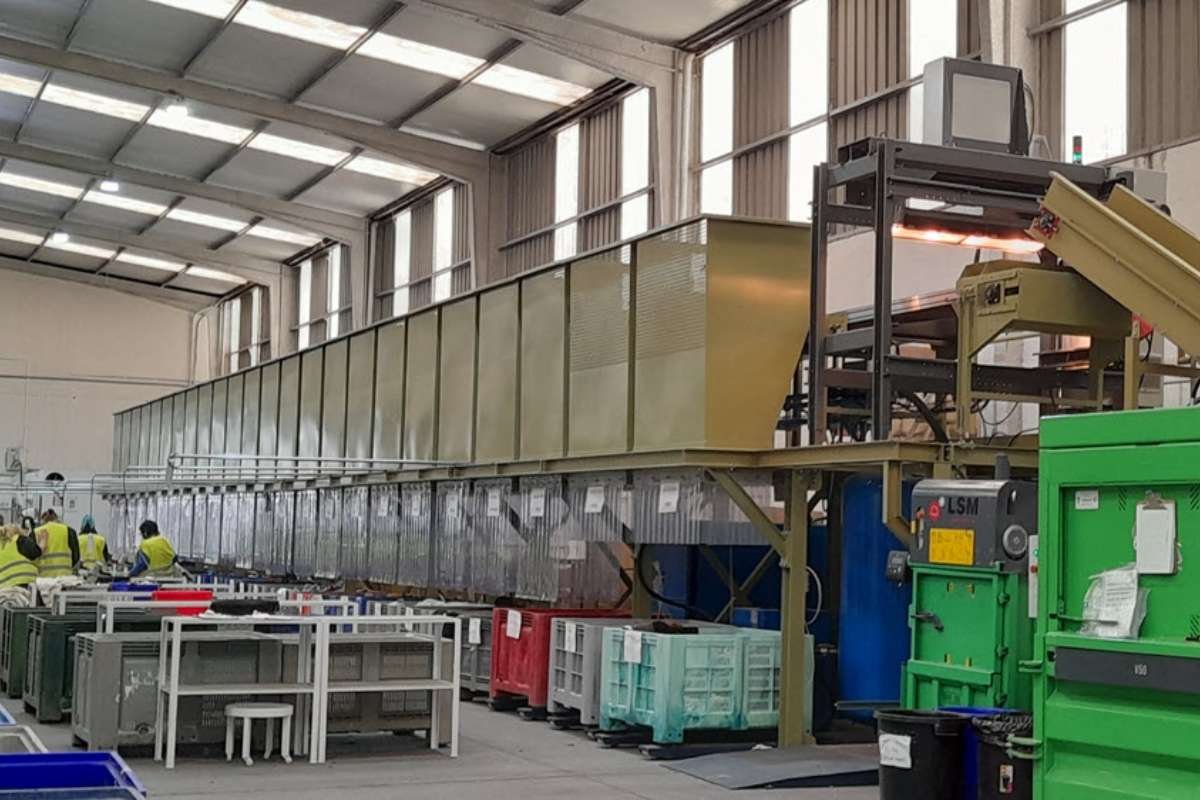
Textile waste has different values depending on fibre type, colour, blend, cleanliness, and buyer demand. Mixed scraps often fetch less than sorted material.
A niche business can collect production offcuts from garment units and sort them for recyclers, insulation makers, wiping-cloth suppliers, or other material buyers. The business needs storage, weighing, sorting labour, and reliable pickup routes.
Revenue may come from resale margins or a collection service fee. Do not assume every scrap stream has a ready buyer.
Investment logic: Secure an offtake arrangement before collecting large volumes. Unsold scrap occupies space and locks up cash.
9. Reusable crate and packaging rental
Small food distributors, fruit sellers, cloud kitchens, and local manufacturers may need packaging that survives repeated use. A reusable crate business can supply, collect, clean, and redistribute selected packaging formats.
The economics depend on the number of reuse cycles, breakage, loss, cleaning costs, and return distance. A reusable product does not automatically create a lower environmental impact if transport and return rates are poor.
Revenue can come from rental per cycle, weekly contracts, or managed packaging supply. Start with one product size and a defined delivery area.
Investment logic: Track the return rate for every customer. Lost crates can damage margins faster than low rental prices.
10. Water-loss checks for small hotels and laundries
Water-intensive businesses often need more than a general conservation report. Laundries, hostels, salons, and small hotels have distinct usage patterns.
A niche service can record meter readings, inspect visible leaks, review fixture use, compare consumption with occupancy or production, and coordinate repairs. Complex plumbing, treatment, and water-quality work require qualified specialists.
Revenue can come from a baseline assessment, repair coordination, and periodic monitoring. The customer should agree on the measurement period before claiming savings.
Investment logic: Sell measurable water management, not a vague promise of conservation. A baseline makes later savings easier to verify.
11. Construction material recovery from renovation sites
Renovation work produces mixed material streams, including metal, wood, fixtures, packaging, and selected reusable components. Their value depends on quality, separation, storage, and local buyers.
A small business can focus on recovering specific materials from offices, retail renovations, and residential upgrades. It can arrange sorting, pickup, resale, and documentation.
The model needs site access, safe handling, temporary storage, and a buyer network. Mixed debris may create disposal costs rather than resale income.
Investment logic: Begin with materials that already have local demand. Avoid renting storage before confirming how quickly stock can move.
12. Ev charging site feasibility and installation coordination
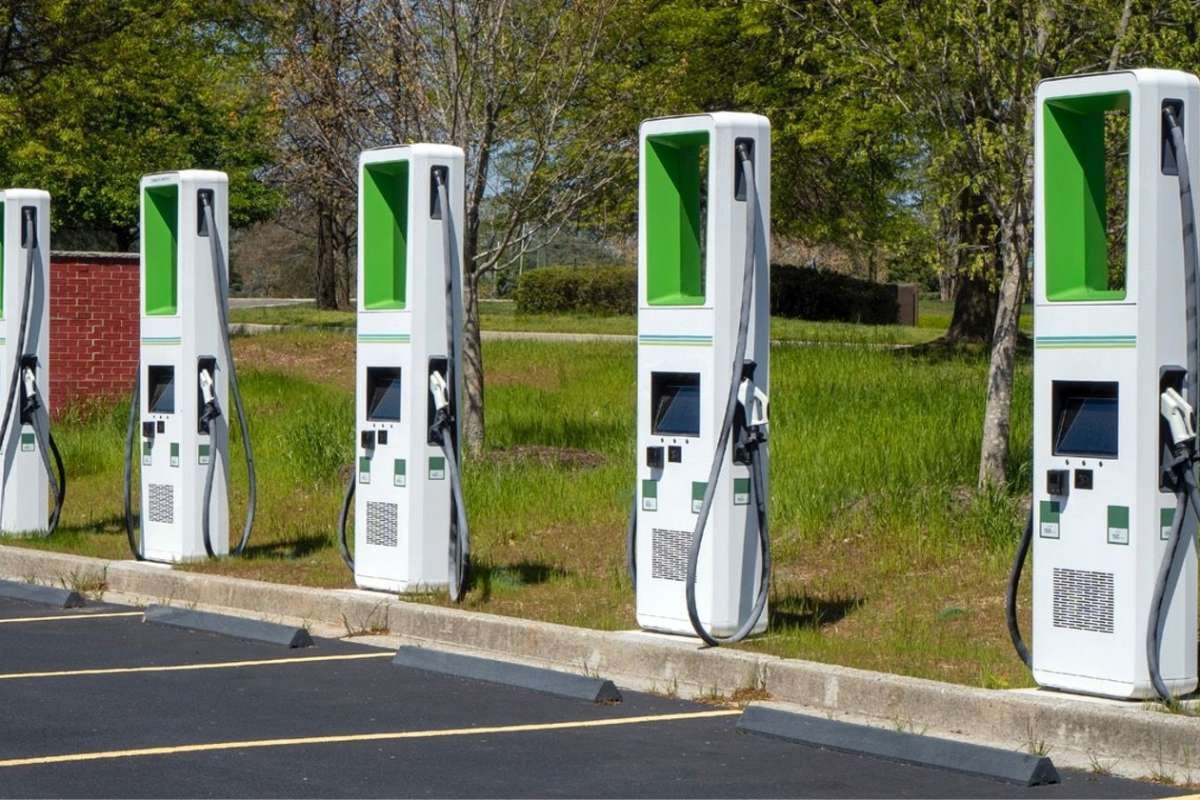
An EV charging business does not always require owning chargers. A smaller operator can assess parking sites and coordinate qualified electrical and charging providers.
Potential customers include housing societies, offices, retail sites, fleet operators, and commercial property owners. A site report should consider power availability, parking patterns, expected demand, connection requirements, safety, and user access.
Revenue may come from site surveys, project coordination, or ongoing vendor management. Electrical installation must remain with authorised and qualified professionals.
Investment logic: A charger with low utilisation may not recover its cost. Estimate likely users and charging demand before recommending equipment.
13. Utility-data collection for small-business carbon reports
Many small businesses lack organised records for electricity, fuel, travel, and purchased goods. A data service can help collect invoices, classify activity, maintain evidence, and prepare basic emissions calculations.
The business should define its reporting boundary and distinguish internal reporting from independent assurance. Emission factors, missing records, and supplier data can affect the result.
Revenue may come from annual reporting packages or monthly data-management subscriptions. Avoid selling an unsupported “carbon-neutral” claim.
Investment logic: Build a repeatable spreadsheet or software workflow. The value comes from accurate records and consistent updates, not complex terminology alone.
14. Sustainability documentation for msme suppliers
Large buyers may ask smaller suppliers for policies, waste records, energy data, supplier details, and environmental evidence. Many MSMEs need help organising this information but cannot justify a large consulting engagement.
A niche service can prepare document checklists, evidence folders, questionnaires, and basic improvement plans. Each assignment must follow the buyer’s actual requirements.
Revenue can come from a fixed documentation package or a recurring update service. The provider should not claim legal certification or compliance without the required authority.
Investment logic: Choose one buyer segment, such as auto-component suppliers or packaging vendors. Repeated questionnaires create an opportunity to standardise the work.
15. Spare-parts sourcing for solar and energy equipment
Small solar and energy-service providers may lose time when they cannot source a compatible connector, fuse, mounting component, monitoring device, or replacement part.
A specialised coordinator can maintain supplier contacts, compare specifications, track orders, and schedule qualified service technicians. The business can focus on a limited equipment category rather than carrying every part.
Revenue may come from sourcing margins, service coordination fees, or maintenance contracts. Product compatibility, warranties, and delivery reliability matter more than the lowest purchase price.
Investment logic: Begin with fast-moving parts and confirmed supplier relationships. Do not hold costly inventory without demand records.
Which of These Low-Investment Green Business Ideas Needs the Least Capital?
Low-Investment Green Business Ideas can still require meaningful working capital when they involve transport, staff, equipment, inventory, or recurring service costs.
The lowest entry cost does not always mean the easiest business. Referral services and documentation support may require less equipment, but they depend heavily on sales and trust. Maintenance and waste operations may create recurring revenue, but they bring higher labour, safety, and logistics demands.
| Business type | Main cost pressure | Revenue pattern |
| Referral and documentation services | Customer acquisition and skilled labour | Fees, commissions, retainers |
| Audits and assessments | Tools, training, travel | Per-assessment fees and follow-up work |
| Maintenance services | Labour, safety, transport | Recurring contracts |
| Collection and recovery | Vehicles, sorting, storage | Service fees and resale margins |
| Product distribution | Inventory and working capital | Product margins and repeat orders |
Before selecting any of these low-investment green business ideas, compare the customer acquisition cost with the expected repeat revenue. A business that earns only once from each customer needs a steady sales pipeline. A contract-based business needs reliable service delivery and enough cash to cover delayed payments.
The most suitable model depends on your local customer base, technical ability, available capital, and willingness to manage daily operations.
How much capital do you need to start a green business?
Starting a green business requires more than equipment. Budget for setup, working capital, customer acquisition, compliance, insurance, and recurring costs. An advisory service may need tools and training, while a distributor may also require inventory, storage, and transport. Owning equipment raises upfront costs, whereas leasing or partnering can reduce them but limit margins and control.
Estimate fixed monthly costs and contribution per sale to calculate break-even volume, then compare green energy business ideas for small investors based on capital needs, operating risks, and growth potential.
How to Start Low-Investment Green Business Ideas in India?
A practical launch process can reduce early spending and avoid unclear service promises.
- Select one customer problem: Focus on a narrow need, such as solar maintenance for housing societies.
- Validate demand: Speak with potential customers about current solutions, service gaps, and willingness to pay. Test a maintenance offer with one society before buying extensive equipment.
- Define the service scope: State what you handle and when qualified partners must step in.
- Calculate costs: Include tools, transport, insurance, marketing, staff, and working capital.
- Check compliance: Confirm registrations, permits, safety rules, and sector-specific requirements for your exact activity.
- Run a pilot: Track service quality, repeat demand, customer acquisition cost, and contribution margin before expanding.
Common mistakes to avoid when starting a green business

Even promising low-investment green business ideas can become expensive if customer demand, working capital, or compliance requirements are underestimated.
Avoid these mistakes before investing in a green business:
- Ignoring customer demand: Test local interest before buying stock or equipment. Confirm buyers for reusable packaging before building inventory.
- Underestimating working capital: Budget for wages, transport, marketing, repairs, and delayed payments. Start with a small paid pilot.
- Overlooking compliance: Check activity-specific requirements before expanding from e-waste coordination into storage, dismantling, or recycling.
- Making unsupported claims: Avoid “100% eco-friendly” or “zero carbon” without evidence. Use Green energy solutions and technology to assess technical fit and performance.
Conclusion:
The right Low-Investment Green Business Ideas depend on more than initial setup costs. Service providers, distributors, coordinators, data specialists, and maintenance operators each face different demands. Your choice should match a real customer problem, available skills, working capital, and applicable compliance requirements.
Compare each opportunity against your target market, operating costs, customer acquisition process, and ability to deliver consistent service. A small pilot can reveal more than an attractive revenue estimate. These factors shape how entrepreneurs participate in green energy business, from focused local services to scalable resource-efficiency businesses.
Frequently asked questions
1. Can I start a green business without technical qualifications?
Some sourcing, documentation, and coordination services have lower technical barriers. Electrical installations and specialised work may require qualified professionals or authorisations.
2. How do I estimate the investment required for a green business?
Include equipment, registrations, marketing, working capital, insurance, and monthly operating costs. Build a location-specific estimate before committing funds.
3. What are the best low-investment green business ideas in India?
Suitable options depend on your skills, local demand, capital, and compliance needs. Service, maintenance, distribution, and coordination models offer different entry points.