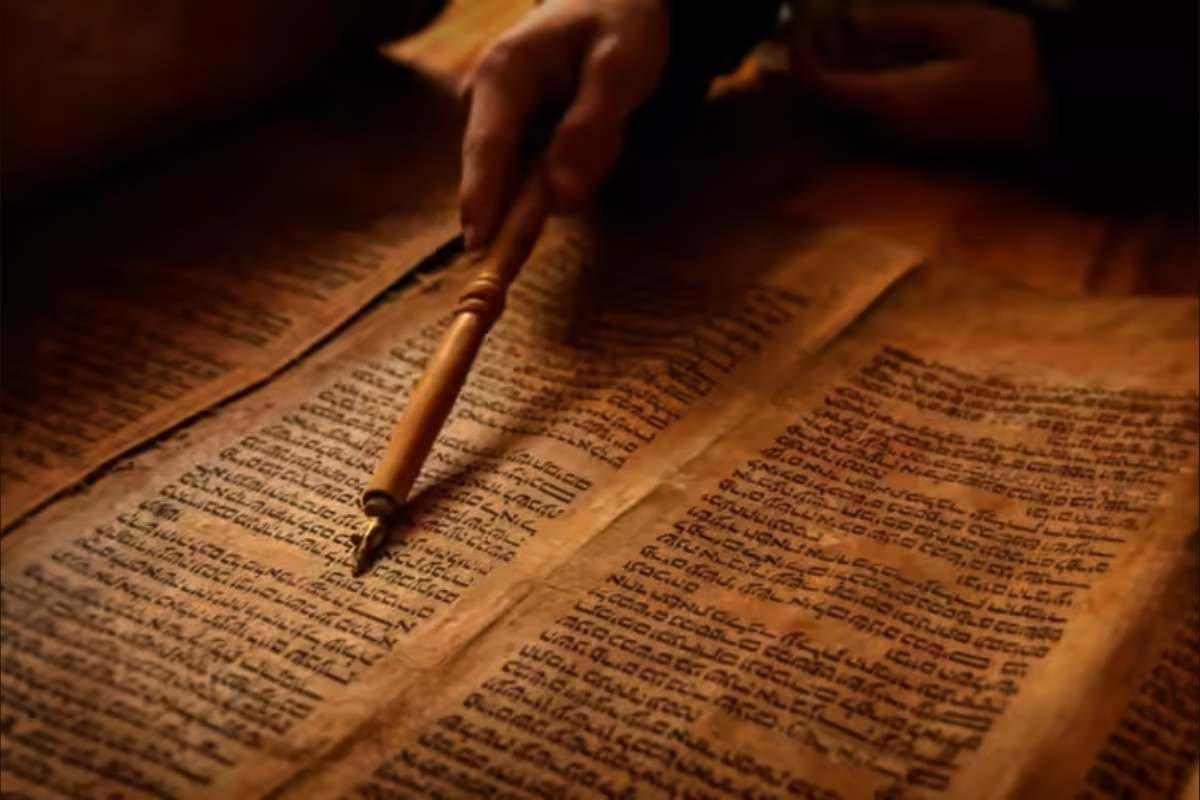


ॐ पूर्णमदः पूर्णमिदं पूर्णात् पूर्णमुदच्यते
(Oṃ pūrṇamadaḥ pūrṇamidam pūrṇāt pūrṇamudacyate)
This ancient Sanskrit verse reminds us that the whole comes from the whole. And even when the whole is taken away, the whole remains.
We feel this truth in every corner of our land. Every local custom feels like a world of its own. Our people find meaning in the rhythm of the seasons and the flow of our rivers.
These traditions form the cultures of India. They connect our modern lives to the wisdom of our ancestors.
Our soil teaches us that the many paths we walk all lead to the same truth. You see this in the quiet prayer of a village elder and the energy of a city festival.
We honour the earth, the sky, and the spark of life within every person we meet.
This shared understanding binds the various Indian cultures into one single, beating heart. It is a bond that goes deeper than words and lasts longer than time itself.
So, let’s see the Indian culture that makes us whole.
The Role of Language in Defining India’s Cultural Identity
Across our vast plains and high hills, the way we speak defines how we see the world. Each of these 22 languages carries a unique rhythm that shapes the living cultures of India. When we talk, we don’t just trade facts; we share a piece of our soul through words that have been polished by time.
1. The Voices of the North and West
Hindi acts as a massive bridge for millions of people. It is a simple and strong tongue that helps us share our cultures. This deep bond with our roots is best described by Bhartendu Harishchandra, who wrote, “निज भाषा उन्नति अहे, सब उन्नति को मूल” (The progress of one’s own language is the root of all progress), reminding us that our own speech is the base for all other growth.
In the West, Gujarati carries the spirit of busy markets and the joy of festive nights. It shows our love for travel and trade, often echoing the pride found in the line, “જેને ગૌરવ છે ગુજરાતી હોવાનું, એની ભાષા પણ છે મધુર ગુજરાતી” (One who takes pride in being Gujarati, their language too is sweet Gujarati). This tells us that for those who love their roots, their speech is always sweet.
Nearby, Marathi stands as a bold and sturdy voice. It reflects the persistence of the hills and the spirit of the people. This sense of pride is clear when speakers say, “लाभले आम्हास भाग्य बोलतो मराठी” (We are fortunate to have the luck of speaking Marathi.)
Further north, Punjabi is full of zest and loud joy. It makes everyone want to dance and carries a big-hearted love for life. You can feel this energy in the simple truth, “ਮੈਨੂੰ ਪੰਜਾਬੀ ਹੋਣ ‘ਤੇ ਮਾਣ ਹੈ, ਮੇਰੀ ਬੋਲੀ ਮੇਰੀ ਪਛਾਣ ਹੈ” (I am proud to be Punjabi; my speech is my identity), which places one’s speech at the very centre of who they are.
The mountain air of the north also brings us Dogri, which is as soft as the high peaks, and Kashmiri, a soulful tongue that blends old ways with new spirits. Nepali stands as a sturdy link for the hill folks. Sindhi acts as a global bridge for a community known for its hard work.
2. The Soul of the East and Central Plains
Bengali flows with a soft and poetic grace. It is a language that turns every thought into art and adds a touch to the cultures of India. This deep love for the mother tongue shines in the famous cry, “মোদের গরব, মোদের আশা, আ মরি বাংলা ভাষা!” (Our pride, our hope, O our wondrous Bengali language!).
In the state of Odisha, Odia remains a sacred link to our long history, living in the quiet stones of old temples. In the plains of Bihar, Maithili is known for its kind tone and ancient roots.
The east also gives us Assamese, which flows like the wide Brahmaputra, and Manipuri, the rhythmic heartbeat of the far hills. Bodo tells the brave tales of the woods, while Santali connects us to the earth and sky, reminding us of the oldest Indian cultures.
3. The Classical Depth of the South and Coast
Tamil stands as one of the grandest and oldest voices in the world. It is a deep sea of wisdom that anchors the soul of the Indian cultures. Its vital spark is caught in the line, “தமிழுக்கும் அமுதென்று பேர், அந்தத் தமிழ் இன்பத் தமிழ் எங்கள் உயிருக்கு நேர்” (Tamil is another name for nectar; that sweet Tamil is as dear as our lives), which compares the joy of the language to the breath of life itself.
In the neighbouring lands, Telugu is famous for its musical sound, where every word ends in a soft vowel. This melodic beauty led Sri Krishnadevaraya to famously state, “దేశభాషలందు తెలుగు లెస్స” (Among the languages of the land, Telugu is the best).
Kannada holds thousands of years of wise books and songs within its grace. The joy it brings to the speaker is captured by Kuvempu, who wrote, “ಕನ್ನಡ ಎನೆ ಕುಣಿದಾಡುವುದೆನ್ನದೆ” (When I hear ‘Kannada’, my heart starts to dance). The line describes how the heart leaps at the mere mention of the name.
Along the coast, Malayalam flows with the rhythm of the palms and a love for deep stories. Nearby, Konkani reflects a breezy, sun-lit life that stays open to many worlds.
4. The Timeless Ones
Finally, we have the languages that weave through every region. Sanskrit is the pure and wise root of our prayers and many of our words. It holds the oldest secrets of the cultures of India, and as the old verse says, “भाषासु मुख्या मधुरा दिव्या गीर्वाणभारती” (Among all languages, the language of the gods is the foremost, sweet, and divine). And even today, it remains a timeless treasure.
Urdu adds a touch of fine art to our shared speech, making every sentence sound like a song. Its fame across the land is captured in the couplet, “اردو ہے جس کا نام ہمیں جانتے ہیں داغ، ہندوستاں میں دھوم اسی کی زباں کی ہے” (Dagh knows the name is Urdu; its fame is spread all over India), noting how the beauty of Urdu is known in every corner of the nation.
These 22 tongues ensure that the many Indian cultures stay vibrant and strong for all time.
How Six Ancient Faiths Shaped the Cultures of India

The soil of our land has been a cradle for some of the deepest thoughts ever known. Over thousands of years, different paths of faith have grown here, each adding a new layer to the shared cultures of India.
These religions did not just appear; they evolved through the lives of seekers, saints, and everyday people who looked at the stars and asked the big questions.
1) Hinduism (Sanatana Dharma)
As the oldest living faith in the world, Hinduism has no single founder. It grew from the ancient wisdom of the Vedas, composed over 3,000 years ago. Its history is a long journey from grand fire rituals to the deep philosophy of the Upanishads. And finally, to the heart-led devotion of the Bhakti movement.
This faith teaches that while paths are many, the truth is one. Honouring the divine in nature and in every soul, it has shaped the core cultures for ages.
Also Read: Tribes in India as the Heartbeat of Ancient Wisdom
2) Buddhism
Founded by Siddhartha Gautama in the 6th century BCE, Buddhism began with a prince who left his palace to find the root of human suffering. After reaching enlightenment under a Bodhi tree, he taught the Middle Way, a life of balance and kindness.
For centuries, great empires like that of Ashoka spread these peaceful ideas across Asia. Even as its form changed over time, the focus on peace and mindfulness remains a vital part of the Indian culture.
3) Jainism
Jainism traces its roots back through twenty-four teachers known as Tirthankaras, with Lord Mahavira being the most recent in the 6th century BCE. It is a path of extreme non-violence and self-control.
Its history is one of quiet strength, where followers live by the idea that every living being has a soul worthy of respect. This deep care for all life has left a lasting mark on the ethics of India.
4) Sikhism
Born in the 15th century in the fertile plains of Punjab, Sikhism was founded by Guru Nanak Dev Ji. He spoke of a world where all people are equal, regardless of caste or creed.
The faith grew through the lives of ten Gurus, who stood for justice and the selfless service of others. The history of the Khalsa and the holy Guru Granth Sahib shows a spirit of bravery and love that continues to inspire the cultures.
5) Islam
Islam reached our shores through traders and Sufi saints more than a thousand years ago. It brought a message of brotherhood and a single, formless divine power. Over time, it blended with local ways to create stunning art, music, and buildings like the Taj Mahal.
The history of this faith is woven into our daily lives. It is seen in the food we eat and even the words we speak, enriching the diverse cultures.
6) Christianity
Tradition says that St. Thomas, one of the apostles of Jesus, arrived on the southern coast nearly 2,000 years ago. Since then, the faith has grown through various missions and local communities, especially in the south and northeast.
Its history is tied to the growth of schools and hospitals. It shows their long-standing commitment to service. This gentle presence has become a firm pillar in the modern cultures of India.
Each of these paths tells a story of seeking the light in different ways. They have learned to live side by side, sharing festivals and sacred spaces. This long history of living together is what makes the many Indian cultures so deep and resilient.
The Story of India Told Through Its Temples and Cities
The way we build our homes and temples tells the story of our land. For thousands of years, our people have carved stones and baked bricks to create spaces that honour both the earth and the divine.
This long history of building is a key part of the Indian heritage, showing how we adapted to different climates and materials.
The Indus Valley Roots (3300 BC – 1300 BC)
Our journey began over 5,000 years ago in the Bronze Age. In cities like Harappa and Mohenjo-daro, people were masters of planning. They used baked bricks of a set size to build straight streets and deep wells. This early focus on utility and order set the stage for the future, proving that we have always valued skill and careful design.
Rock-Cut Marvels (2nd Century BC – 10th Century AD)
As time passed, builders moved from bricks to the very heart of the mountains. During the Mauryan and Gupta eras, monks and artists carved entire temples out of solid rock.
At sites like the Ajanta Caves and the Kailasa Temple at Ellora, they did not add stones; they took them away to reveal halls and statues. This patient’s work is a grand chapter in the cultures of India, where the mountain itself became a place of prayer.
The Northern Style: Nagara (5th Century AD – 13th Century AD)
In the north, during the Gupta and Rajput eras, temples grew tall and curved, looking like the peaks of the Himalayas.
These buildings use a central tower, or shikhara, that rises high above the plains. This is seen in the Kandariya Mahadeva Temple at Khajuraho or the Lingaraja Temple in Bhubaneswar. The walls are covered in carvings of gods, animals, and daily life. This style reflects the vast, open spirit of the northern cultures, reaching up toward the sky.
The Southern Style: Dravida (7th Century AD – 17th Century AD)
Down south, under the Pallava and Chola kings, builders chose a different path. Their temples feature huge gate towers known as Gopurams, like those at the Meenakshi Amman Temple in Madurai.
Massive stone structures, such as the Brihadisvara Temple in Thanjavur, often have many layers shaped like pyramids. The steady strength of these stone structures anchors the deep and ancient cultures of India in the southern states.
The Indo-Islamic Blend (12th Century AD – 19th Century AD)
Starting about 800 years ago, during the Sultanate and Mughal eras, new ideas arrived from Persia and Central Asia. This brought the use of the arch, the dome, and the minaret in grand works like the Taj Mahal in Agra and the Qutub Minar in Delhi.
Local builders mixed these new shapes with Indian stone-work and floral patterns, seen in the red sandstone of Humayun’s Tomb. This mix created a unique look that defines many of the urban cities.
Colonial and Modern Shapes (18th Century AD – Present)
Later, during the British Raj, traders from Europe brought tall pillars and wide porches to handle the heat. Cities like Mumbai grew with stone arches and clock towers, seen in the Chhatrapati Shivaji Maharaj Terminus.
Meanwhile, Kolkata built the white marble Victoria Memorial. Today, our new buildings, such as the Lotus Temple or the New Parliament Building, use glass and steel but often keep the old ideas of open light. All these layers build the grand story of India.
The Timeless Story of Indian Art Through the Ages

The story of Indian art is a long journey that moves from the walls of dark caves to the courts of great kings. For thousands of years, our people have used colour, clay, and stone to tell their stories and share their faith.
This constant change in how we create is a key part of the cultures of India, showing how our ancestors saw the world around them.
1. Prehistoric Beginnings (30,000 BC – 3000 BC)
Our first artists lived in the shelters of the hills. At sites like the Bhimbetka rock shelters, they used earth and minerals to paint scenes of hunts, dances, and animals. These simple red and white lines show the very start of our culture. It is where humans first felt the need to leave a mark of their life on the stone.
2. The Classical Era (2nd Century BC – 10th Century AD)
As kingdoms grew, art became a way to honour the divine and the royal. During the Gupta Empire, often called the “Golden Age,” artists reached a peak of skill in sculpture and painting. The Ajanta Caves are the best example of this, where murals show the lives of the Buddha with soft lines and bright colours. This era defined the look of Indian culture, creating a style of grace and peace that spread across all of Asia.
3. The Medieval Shift (11th Century AD – 18th Century AD)
With the arrival of new rulers, art moved from temple walls to the pages of books. The Mughal School of art brought a love for detail, showing tiny flowers, birds, and court scenes with great care. At the same time, the Rajput and Pahari schools in the hills and deserts used bold colours to tell tales of love and gods like Krishna. These small, bright paintings mix the local heart with new styles from afar.
4. The Folk and Tribal Roots
While kings had their court artists, the people in villages kept their own ways alive. Madhubani art from Bihar uses twigs and fingers to create patterns of nature on walls, while Warli art from Maharashtra uses simple white circles and triangles. These living traditions are the heartbeat of the Indian culture, passed down from mother to child for hundreds of years.
5. The Modern Movement (19th Century AD – Present)
In the last two hundred years, Indian art has found new ways to speak. Artists such as Raja Ravi Varma mixed Western oil paint with Indian stories, while the Bengal School looked back at our roots to find a new path.
Today, our artists use every tool from digital screens to large metal shapes. All these layers, from the first cave scratch to the modern canvas, build the rich story of India.
Cinema’s Role in Crafting India’s Cultural Identity
We cannot talk about the cultures of India without films. Movies act like a mirror for our people. They show our dreams and our hard truths. Since 1913, films have helped unite our many states. These stories define modern India today.
The film Pather Panchali (1955) showed our real lives. It won awards and reached the whole world. Later, Sholay (1975) became a huge hit for everyone. It changed how we tell stories on the big screen. These movies helped build the unique Indian cultures.
Films like Lagaan (2001) even reached the Oscars. Such wins brought pride to our entire nation. Cinema survived many bad times and tough financial gaps. It remains a vital part of the Indian culture. Music and dance from films fill our daily lives.
The Stories That Bind India Beyond Borders and Time
Every corner of our land has its own voice. These many voices form the rich cultures of India through books and poems. Long before we had movies, we had local stories. These tales were told in villages and royal courts. They keep our past alive for us today.
In the south, Tamil literature is very old. The Sangam poems from 600 AD to 300 AD talk about love and war. These poems show the deep roots of the Indian culture.
They describe the land and the sea with great care. This old wisdom still guides many people today.
In the east, Bengali writers changed how we think. Rabindranath Tagore wrote the Gitanjali, which won a Nobel Prize in 1913. His words brought the beauty of our land to the world. Such books are a major part of Indian literature. They teach us to look at the soul.
In the West, Marathi and Gujarati books show our grit. Writers like Jhaverchand Meghani wrote about folk heroes in the desert. P.L. Deshpande’s Vyakti Ani Valli brings life and humour to Indian literature.
In the north, Hindi and Urdu poets such as Ghalib wrote about the heart and pain. These many layers build the vast Indian culture. They prove that our strength lies in our many words.
Each book acts like a window into a new home. We learn about different foods, clothes, and faiths through them. This shared reading helps us stay close to each other. The living cultures grow every time a new story is told. It is a gift that keeps on giving.
The Taste of Tradition: Exploring India’s Culinary Roots
Our land is a vast kitchen where every state brings its own flavour. From the cold hills of the north to the warm coasts of the south, the way we cook tells the story of our soil. This mix of spices and grains is a key part of India’s culture, showing how we live with nature.
We cannot talk about our food without the spice trade that shaped our past. For thousands of years, black pepper and cardamom from our shores moved across the globe. These local crops are the soul of the cultures of India, making our meals famous in every land.
In the north, the wheat fields give us breads like Roti and Naan. During the Mughal era, rich dishes such as Biryani and Kebab became part of Indian cuisine. They use thick creams and nuts to create a royal feel in every bite.
Down south, rice and coconut are the stars of the plate. Fermented foods such as Idli and Dosa show our old wisdom in health and taste. This light and tangy style is perfect for the tropical sun and sea breeze.
In the east, the many rivers provide a feast of fresh fish. Machher Jhol from Bengal and the simple Pakhala from Odisha reflect the calm water life. These dishes keep the local cultures tied to the rhythm of the rains and the tides.
In the west, the dry lands of Rajasthan and Gujarat use milk and lentils. Dishes like Dal Baati Churma show how we find strength in a harsh climate. These tough yet sweet flavours are a proud part of Indian culinary history, proving that we can thrive anywhere.
Street food also joins us all together in the busy city hubs. From the spicy Vada Pav of Mumbai to the tangy Pani Puri of Delhi, snacks are a shared joy. They bring the diverse India to one corner, where everyone eats from the same cart.
Festivals That Unite the Cultures of India

The many faiths of our land create a bright cycle of feasts throughout the year. Each path has its own special days that mark the shift of the sun or the life of a great teacher.
These events are the heart of the cultures of India, showing how we find joy in our shared history.
1. Diwali (The Festival of Lights)
This is the biggest feast in Indian culture. It falls in the month of Kartika (October – November), when every home glows with oil lamps and candles.
It marks the return of Lord Rama to Ayodhya after 14 years. The people lit lamps to show him the way in the dark. It is a story of hope that has lived in India for thousands of years.
It shows the victory of light over the dark and good over bad. For Indians, it is a time to start fresh, clean our homes, and share sweets with our friends.
Also Read: 101 Happy Diwali wishes that secretly brighten hearts in unexpected, magical way
2. Eid al-Fitr (The Feast of Breaking the Fast)
This joy follows the holy month of Ramadan. It moves with the moon, bringing people together for grand meals.
It began in 624 CE after a key win in a struggle for faith. It was a day to thank the divine for the strength to fast. In India, it has been a day of peace for over a thousand years.
It is a day of deep charity and love. People hug and share a sweet milk dish called Sheer Khurma. It proves that the Indians are built on the idea of a big, kind family.
3. Vaisakhi
This bold day falls on April 13 or 14 each year. It is a loud and happy part of the culture, especially in the green fields of the north.
In 1699, Guru Gobind Singh Ji created the Khalsa to stand for justice. This changed the cultures of India by giving people a strong sense of duty. It also marks the time when the grain is ready to be cut.
It is a day of brave dance and bright clothes. It shows the grit of the people who work the land. For India, it is a time to thank the earth and stand tall for what is right.
4. Christmas
Held on December 25, this day brings a soft glow to the winter. It has a unique local touch within the many cultures, especially along the coasts.
It marks the birth of Jesus in a small town far away. The faith came to our shores 2,000 years ago with St. Thomas. This long stay has made it a core part of Indian festivals.
It is a time for carols, stars, and fruit cakes. In the Indian culture, people of all faiths join in to see the lights. It shows our love for peace and the joy of a new child.
Also Read: 200+ Christmas Wishes About Love, Laughter, Faith, Family, and Friendship
5. Buddha Purnima
This calm day falls on the full moon of Vaisakha (May). It is a quiet and white-clad part of the cultures of India, marked by peace.
It marks the birth, enlightenment, and death of the Buddha. He was a prince who found the way to end pain 2,500 years ago. His path of the “Middle Way” is a pillar of the Indian culture.
People visit stupas to pray and help the poor. It teaches us to be kind to every living soul. For Indians, it is a day to look inside and find a calm heart.
Conclusion:
The cultures of India are a rich tapestry woven from thousands of years of shared life. From the silent stone of old temples to the bright lights of the cinema screen, every piece fits together to tell our story.
We find our strength in our many voices, our deep faiths, and the unique flavours of our food.
This long journey shows that while our ways may differ, our hearts remain the same.
By honouring our past and welcoming the new, the Indian cultures stay vibrant and strong. We continue to move forward, held together by the many threads of our history.
FAQs
1. What is the oldest evidence of planned cities in India?
The Indus Valley ruins at Harappa and Mohenjo-daro show the first use of grid streets and baked bricks.
2. What makes the Nagara and Dravida temple styles different?
Northern Nagara temples have curved towers such as mountain peaks. Meanwhile, Southern Dravida temples feature tall, layered pyramid gates.
3. Why is the Mughal era important for the architectural history of India?
This era brought the use of the dome and arch, creating famous white marble gems like the Taj Mahal.