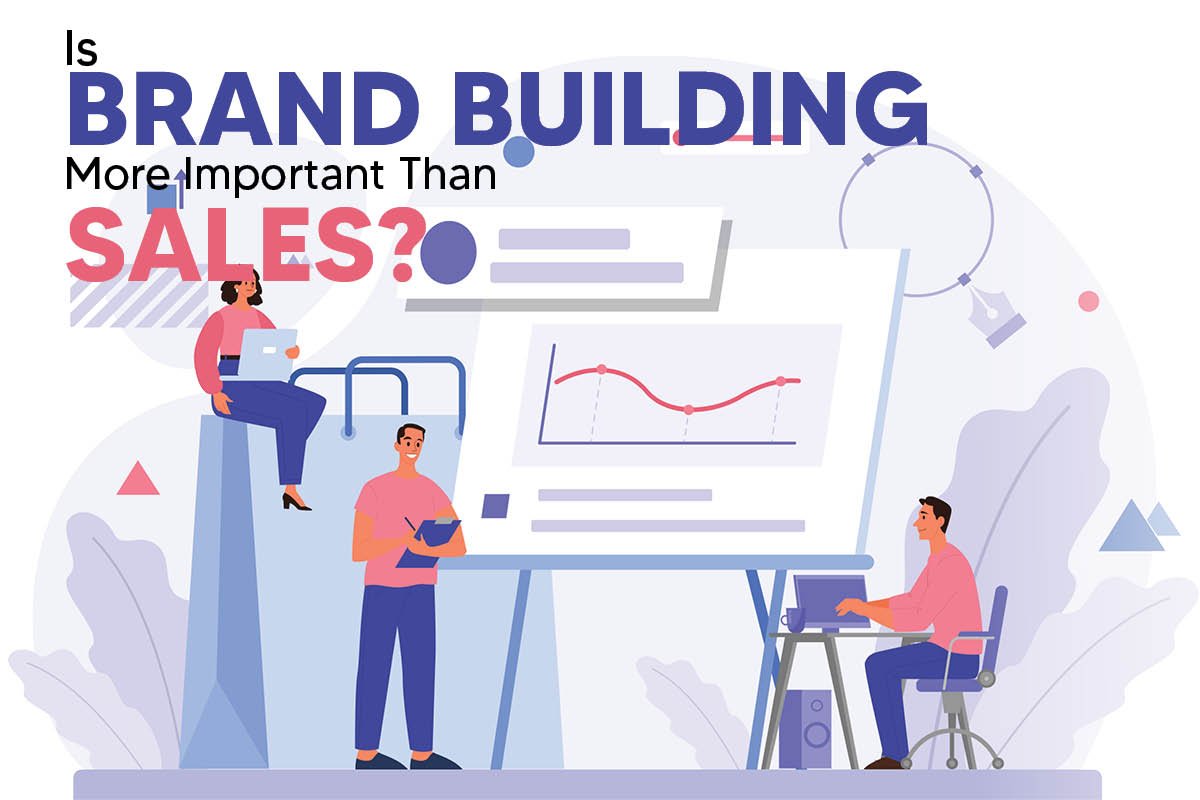

In the pulsating heart of India’s corporate boardrooms, where growth trajectories are plotted and quarterly results scrutinised, a fundamental strategic tension simmers beneath the surface, and for the modern Indian business leader, a critical question persists: Should the relentless pursuit of immediate sales targets take precedence, or is the long-term, often intangible, cultivation of brand equity the true cornerstone of enduring success?
This debate is far from academic; it determines whether a company becomes a fleeting participant or a lasting icon in the Indian market. Drawing on legendary triumphs and cautionary failures, this article argues that treating the issue as a binary choice is a dangerous oversimplification: the future belongs to those who master the symbiotic dance between the two, using brand as the compass and sales as the engine.
The unrelenting pressure of the sale: lessons from e-commerce flash sales & discounting fatigue
The Indian e-commerce wars of the 2010s offer a pure-play study in sales-first strategy. Platforms like Flipkart’s “Big Billion Days” and Amazon’s “Great Indian Festival” became synonymous with deep discounts, driving massive volume and market penetration. The initial logic was compelling: acquire customers at any cost.
Pros of this sales-first approach (The Early Win):
- Rapid Scale: Flipkart used discount-driven events to achieve colossal GMV (Gross Merchandise Value) and become a market leader.
- Customer Acquisition: Millions of Indians made their first online purchase due to irresistible price points.
- Investor Narrative: Soaring sales volumes fuelled billion-dollar valuations and funding rounds.
Cons of this sales-first approach (The Long-Term Hangover):
- The Commodity Trap: Customers were trained to wait for sales, with loyalty tied to the deepest wallet, not the platform.
- Catastrophic Unit Economics: Many sales were made below cost, leading to massive losses, and the model proved unsustainable for many, as evidenced by the struggles of several vertical e-commerce players that failed to build a brand beyond discounts.
- Erosion of Brand Trust: When the discounts ended, so did the traffic, reducing the brand to a “marketplace for deals” that struggled to command premium positioning or build genuine emotional loyalty.
The sustaining power of brand building: the legacy of trust and identity

Contrast this with enterprises built on foundational brand pillars. Their sales are a result of their brand strength, not the sole antecedent.
1. Tata group: the unshakeable fortress of trust
The Tata brand, valued in the billions, is not built on sales promotions but on over a century of ethical conduct, nation-building, and stakeholder welfare reflected in actions such as Tata Group’s decision to care for victims and families beyond legal obligation and its steadfast commitment to Tata Steel’s workers during periods of crisis. This deep reservoir of trust translates directly into enduring commercial power.
- Proof Point: When Tata launched Tata Salt and entered the automotive sector with Tata Motors, it didn’t need to compete on price; consumers chose the offerings because the Tata name signaled quality and integrity. The group’s ability to command a price premium and achieve instant market acceptance for new ventures, such as Tata Consumer Products’ acquisition and rebranding of Tetley, is a direct dividend of decades of brand equity.
2. Amul: the “Taste of India” that masters narrative
Amul’s dominance in the dairy sector goes beyond its unmatched sales prowess, resting on a brand built on a cooperative model that empowers farmers and a marketing strategy deeply woven into India’s cultural fabric. Its iconic topical ads are not sales pitches but weekly brand building exercises that keep Amul relevant, witty, and endearing across generations.
- Proof Point: Deep emotional connection allows Amul to expand into new product categories (pizzas, beverages) with instant recognition and trial, where the sales are protected by a brand so strong that it acts as a formidable barrier to competition.
3. Titan: building desire beyond utility
Titan Company Ltd. masterfully transformed the watch from a mere timekeeping device into a symbol of aspiration, gifting, and personal style. Through consistent investment in design, in-store experience (World of Titan), and segmented sub-brands (Sonata for value, Fastrack for youth, Titan for the family, Nebula for luxury), Titan built a powerful brand architecture.
- Proof Point: Titan’s brand equity enabled a daring flanking strategy with Tanishq, allowing it to enter the fragmented gold jewellery market with confidence. Consumers transferred their trust in Titan to Tanishq, believing in its purity, design, and fair pricing not because of discounting gold, but because the brand stood for trust in a trust-deficient category. That conviction transformed a bold entry into a multi-billion-rupee business built from scratch.
The strategic interdependence: where brand and sales fuel each other
The most successful modern strategies blend both disciplines seamlessly.
- Asian Paints: It dominates the Indian paints market not just through distribution and sales reach (a sales strength), but through decades of building a brand associated with trust, beautiful homes, and innovation (like Colour Idea stores). Their brand allows for premium pricing; their sales execution ensures it’s available everywhere.
- Mahindra & Mahindra (Automotive): The “Mahindra“ brand stands for rugged, dependable, and authentic SUVs. This brand promise, built over decades with vehicles like the Bolero and Scorpio, creates a loyal customer base willing to pay a premium. Marketing campaigns then convert this brand affinity into sales for new models like the Thar or XUV700, which often have long waiting lists, a sign of brand power directly driving sales velocity.
The Indian corporate landscape – a tale of two strategies

| Company / Case | Focus | Brand Impact | Sales Impact | Long-Term Outcome |
| Kingfisher Airlines | Sales & Aggressive Growth | Associated with unreliability and debt | High initial load; later collapsed | Catastrophic Failure. Brand destroyed. |
| Discount-Driven E-commerce | Volume & Discounts | Perceived as low trust/discount channel | High GMV; unsustainable economics | Consolidation. Only service-led brands survived. |
| Tata Group | Trust & Ethics | One of India’s most trusted brands | Command premium; easy sector entry | Enduring Legacy. Profitable growth. |
| Titan Company | Brand & Aspiration | Synonymous with quality and trust | Premium pricing; successful Tanishq pivot | Market Leader. Profitable diversifier. |
The road ahead: an integrated mandate for Indian leadership
The landscape is clear: in the digital age, every customer interaction is a brand moment, every brand promise must be operationally deliverable, and consumers, especially younger generations, seek authenticity and values, not just value.
The strategic imperatives for leaders:

- Measure Beyond the P&L: Track Brand Health Metrics Net Promoter Score (NPS), brand recall, sentiment analysis, alongside sales figures.
- Align Operations with Promise: Your supply chain, customer service, and product quality are the ultimate brand ambassadors. Zomato’s investment in delivery partner safety and packaging is brand building in action.
- Communicate Value, Not Just Price: Marketing must articulate the brand’s unique ethos and benefit, not merely act as a promotional loudspeaker.
- Budget for the Long Term: Allocate resources to brand building activities (content, community, experience) with the same seriousness as performance marketing budgets.
Looking forward: the digital-age synthesis
Today, brands like Wakefit Solutions exemplify this modern synthesis, entering the crowded mattress and furniture market not through discounting but by building a brand anchored in a powerful, single-minded promise: “Sleep Solutions.” Through consistent content marketing, including a blog rooted in sleep science, transparent pricing without inflated MRPs, and a deeply customer-centric 100-night trial policy, they built immense trust and category authority. This strong brand foundation created a natural sales pull, enabling Wakefit to scale effectively, expand into new categories, and compete head-to-head with established players.
Similarly, Zomato has evolved from a pure utility-based sales platform (food delivery) into a multi-faceted brand through investments in storytelling (social media wit, transparency reports), community events (Zomaland), and sustainability initiatives (plastic neutrality). This brand building effort, despite operational challenges, creates a more resilient emotional connection that aims to reduce customer churn and justify premium services like Zomato Gold.
Conclusion: the final verdict from the hotseat
So, is brand building more important than sales? The evidence from India’s corporate history renders a decisive judgement: It is the wrong question. Brand and sales are not opposing forces but interdependent disciplines.
Sales without a brand are a hollow transaction, a business with no moat, vulnerable to the next lower price. A brand without sales is a philosophical idea, a business with no engine.
The winning formula for India Inc. is the “And/Both” principle: build a brand that stands for something authentic, valuable, and unmistakable, and execute with relentless precision at every sales touchpoint. Let brand be the reason customers choose you, and sales excellence the reason they stay and advocate. In an unforgiving business environment, those who invest in the slow burn of brand equity will move beyond quarter-to-quarter survival to shape decades of leadership. Sales may power the engine, but the brand sets the direction.
The future belongs to the builders.