

For decades, agriculture has focused on one goal: producing more. Today, the conversation is changing. Farmers are looking beyond higher yields to healthier soils, sustainable practices, and long-term resilience. Biological agriculture is emerging as an important part of that shift, offering solutions that work with nature to improve crop health while reducing dependence on chemical resources.
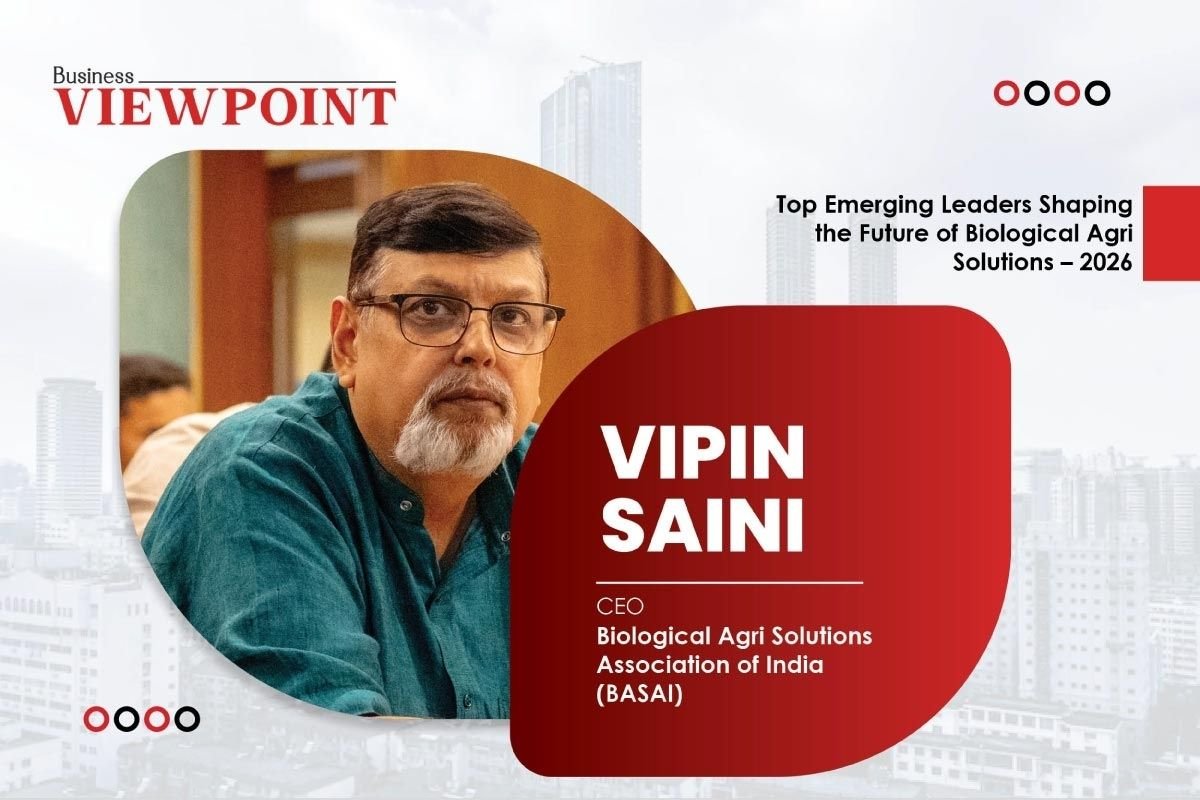
Few understand this transformation better than Mr. Vipin Saini, CEO of the Biological Agri Solutions Association of India (BASAI). With more than 30 years of experience in regulatory affairs and agricultural policy, he has played a major role in bringing together government, industry, researchers, and farmers to advance biological agriculture in India. Through his leadership, BASAI is helping shape the policies, partnerships, and regulatory frameworks needed to build a more sustainable future for Indian agriculture.
Leading Change by Building Farmer Confidence
While biological agriculture has gained massive attention over the past decade, Vipin Saini believes conventional farming will continue to be the backbone of crop production for years to come. The reason, he explains, is simple: agriculture is deeply rooted in tradition. For farmers, it is more than an occupation; it is a way of life shaped by experience, making any major shift a gradual process rather than an overnight change.
He believes the industry needs to move beyond the assumption that introducing innovative products is enough to drive adoption. Real progress, he says, depends on earning farmers’ trust. As the focus expands from food security to nutritional security, biological solutions have an important role to play. However, their success will rely on continuous farmer engagement, effective stewardship, and consistently delivering results in the field.
Although biologicals have been part of the agricultural landscape since the 1970s, he sees the industry’s biggest responsibility as building confidence rather than simply promoting products. In his view, true leadership lies in helping farmers adopt new solutions at their own pace, ensuring that biological and conventional farming work together to create a more productive, resilient, and sustainable future for agriculture.
Bringing the Ecosystem Together
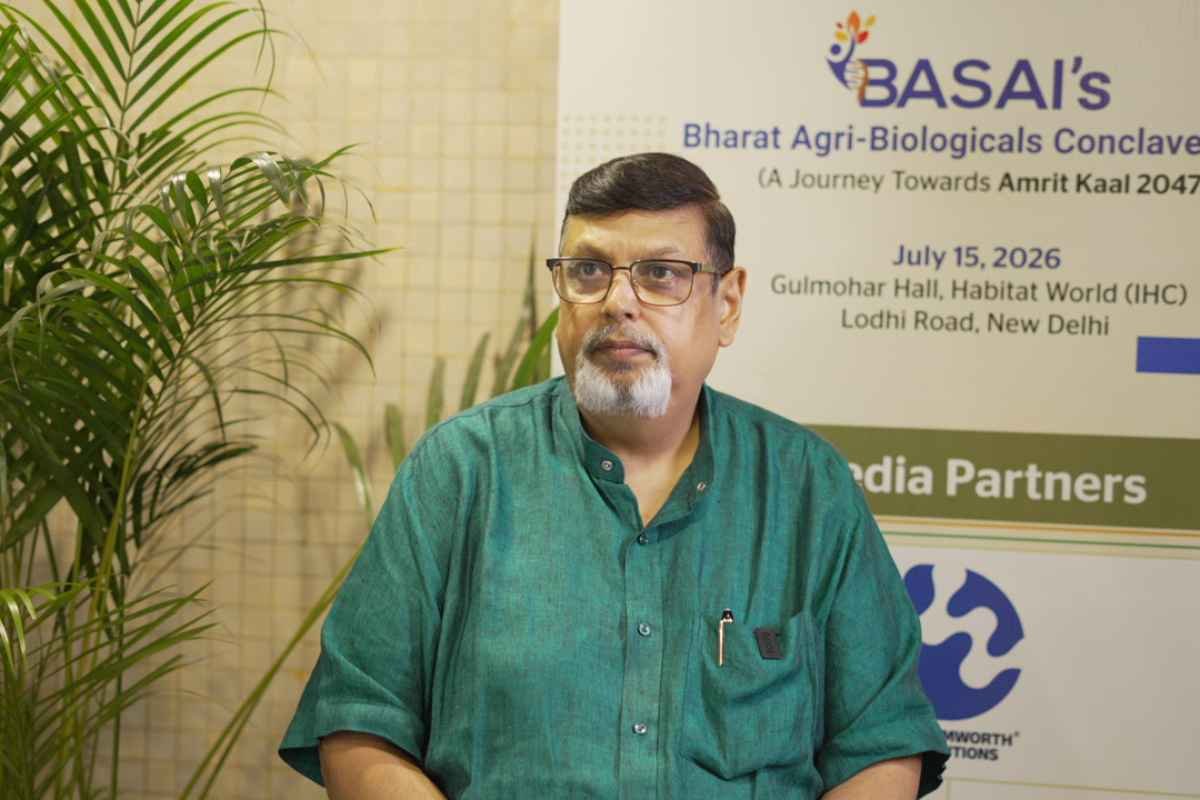
Vipin Saini believes leading BASAI is about connecting the dots across the entire biological agriculture ecosystem. To him, advancing India’s biological agriculture ecosystem requires balancing the interests of policymakers, industry, and farmers while understanding the unique needs of agriculture, horticulture, and allied sectors.
He sees the CEO’s role as more than leading an organization; it is about bringing diverse stakeholders together, building consensus, and turning ideas into action. In an industry with varying priorities, progress depends on diplomacy, mutual understanding, and careful execution. To him, real leadership lies in creating common ground that benefits the entire ecosystem and encourages wider adoption of biological agriculture.
Finding Common Ground
Vipin Saini considers competition a natural part of business, but collaboration is essential for the industry’s long-term growth. While pricing will always remain a competitive factor, he feels the real challenge is ensuring that the industry upholds ethical business practices, responsible pricing, and accurate product claims.
According to him, building consensus starts with putting the sector’s collective interests ahead of individual gains. When policymakers, researchers, manufacturers, and farmers work together with transparency and shared accountability, it creates greater trust across the ecosystem and lays a stronger foundation for the growth of biological agriculture.
A Defining Step Toward Industry Unity
One of the most defining decisions in Vipin Saini’s leadership journey was expanding BASAI’s focus to represent the entire spectrum of biological agricultural inputs, including biofertilizers, biopesticides, biostimulants, plant growth regulators (PGRs), and pheromones. While it was a calculated risk, he believed it was essential to bring the industry together under a common platform rather than operate in silos.
Drawing on his expertise in regulatory frameworks such as the Insecticides Act, 1968, and the Fertiliser Control Order, 1985, he helped BASAI navigate complex policy and compliance challenges at both the central and state levels. By fostering collaboration and advocating for shared industry interests, he has strengthened BASAI’s credibility and positioned it as a trusted voice for India’s biological agriculture sector.
A Stronger Regulatory Framework for Biologicals
If there is one barrier Vipin believes needs to be removed, it is the absence of a dedicated legislative framework for biological agricultural solutions. He argues that biologicals often perform multiple functions, as biofertilizers, biopesticides, or biostimulants, making them difficult to regulate under existing laws designed for conventional inputs.
In his view, a separate regulatory framework would bring greater clarity, reduce compliance challenges, and create a more predictable environment for innovation. More importantly, it would ensure consistent product quality, competitive pricing, and timely access to biological solutions, ultimately benefiting farmers and accelerating the growth of India’s biological agriculture sector.
Strengthening Partnerships for a Stronger Ecosystem

To Vipin Saini, the future of biological agriculture depends on stronger partnerships rather than working in isolation. Under his leadership, BASAI has signed MoUs with the Service Export Promotion Council (SEPC), under the Ministry of Commerce, and the Institute of Pesticide Formulation Technology (IPFT), under the Ministry of Chemicals & Fertilizers, to encourage collaboration and support the sector’s growth.
At the same time, he continues to strengthen BASAI’s relationships with fellow industry associations and key stakeholders. He believes that when organizations come together to solve common challenges, the entire industry benefits. His focus is on building a united ecosystem where collaboration, not competition, drives long-term progress.
Aligning Agriculture with Tomorrow’s Priorities
Looking ahead to 2030, Vipin Saini believes the industry must shift its focus from viewing biologicals as an alternative to recognizing them as an essential complement to conventional farming. As climate change and environmental pressures continue to reshape agriculture, he sees biological solutions playing a critical role in building more sustainable and resilient farming systems.
He also points to the growing policy support for sustainable agriculture through various government initiatives, along with the broader vision of the UN Sustainable Development Goals and India’s Amrit Kaal 2047. By aligning BASAI’s efforts with these long-term priorities, Vipin is working to ensure the industry is prepared not just for the next few years, but for the future of Indian agriculture.
Building the Future of Biological Agriculture
Vipin Saini believes the next breakthrough in biological agriculture will come from the combined efforts of government, industry, researchers, and farmers. As India advances toward its sustainability goals, he sees biological solutions playing a vital role in addressing climate change, improving soil health, and strengthening both food and nutritional security. He emphasizes that innovation must be supported by strong policies, farmer education, and industry collaboration to create lasting impact
Key Government Initiatives Driving the Shift:
- Paramparagat Krishi Vikas Yojana (PKVY) – Promoting organic farming
- National Mission on Natural Farming (NMNF) – Encouraging chemical-free agriculture
- Digital Agriculture Mission – Advancing technology-driven farming
- Agriculture Infrastructure Fund (AIF) – Supporting agricultural innovation and infrastructure
- Soil Health & Fertility (SH&F) – Improving soil quality and productivity
- Farmer Producer Organizations (FPOs) – Strengthening farmer collectives and market access
- PM-KISAN – Providing direct income support to farmers
Crop Protection to Crop Production
The Challenge
Making stakeholders understand the need to comprehensively understand regulations under various related legislative Acts and having a holistic understanding while making any decision, be it innovation, R&D, Manufacturing, marketing, and/or approaching the end uses…the farmer.
The Decision
Keeping regulatory affairs as a base.
The Impact
Supporting the industry towards attaining regulatory approvals and working towards smoothing the last mile for reachability of their products, while maintaining a cordial relationship with the who’s who in the government and general stakeholders.
Leadership Snapshot
Leading at the National Level
Contributing to India’s biological agriculture ecosystem through key leadership roles:
- Member of the Bureau of Indian Standards (BIS) Food and Agriculture Division 1 (FAD 1) and Convenor/Member of various Panels of FAD1.
- Member of the Sectoral Expert Committee (SEC) on Biomanufacturing, Sector: Climate Change Resilient Agriculture, Sub-sector: Agri-Biologicals [Department of Biotechnology] GOI
- Member Secretary of the International Agriculture Cooperation Committee (IACC) of SEPC (Services Export Promotion Council) of the Ministry of Commerce and Industry, GOI.
Knowledge That Creates Impact
100+ Books, Booklets & Workbooks Published
Sharing insights on regulations, agriculture, policy, and sustainable development.
Awards That Reflect Leadership
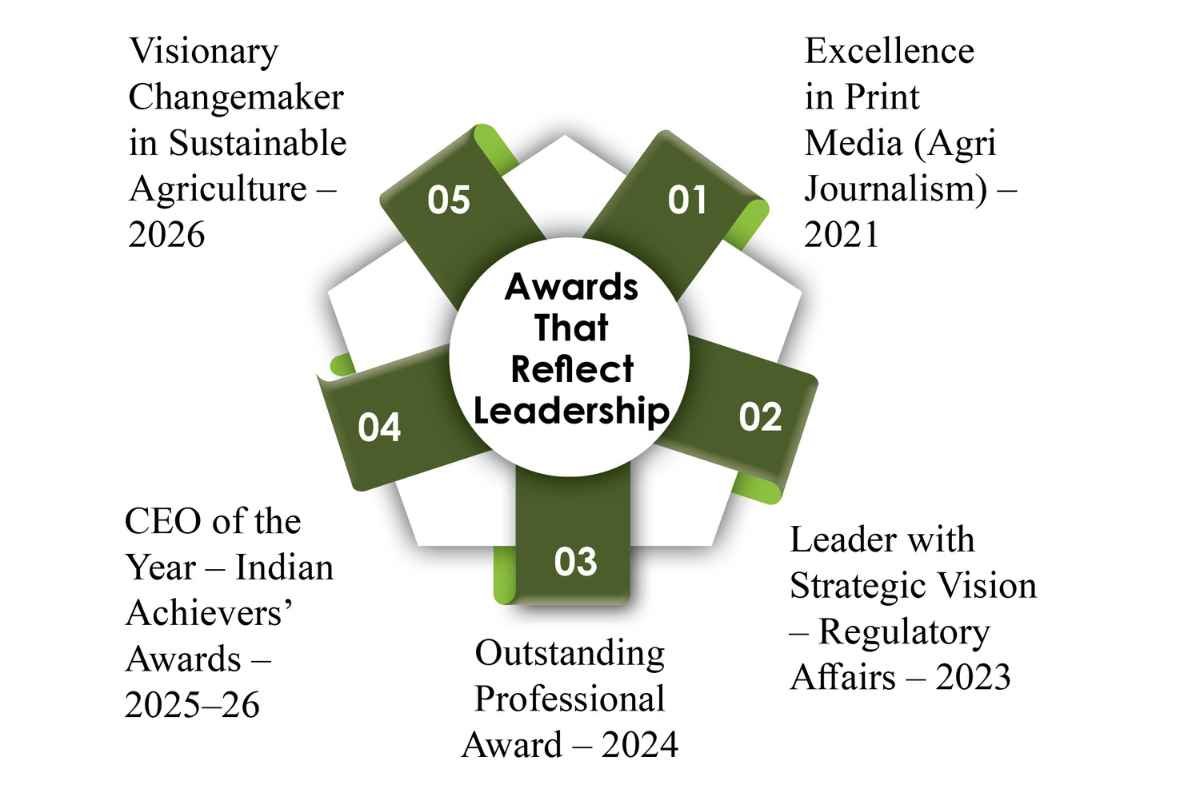
- Excellence in Print Media (Agri Journalism) – 2021
- Leader with Strategic Vision – Regulatory Affairs – 2023
- Outstanding Professional Award – 2024
- CEO of the Year – Indian Achievers’ Awards – 2025–26
- Visionary Changemaker in Sustainable Agriculture – 2026
Current Mission
Leading BASAI’s efforts to:
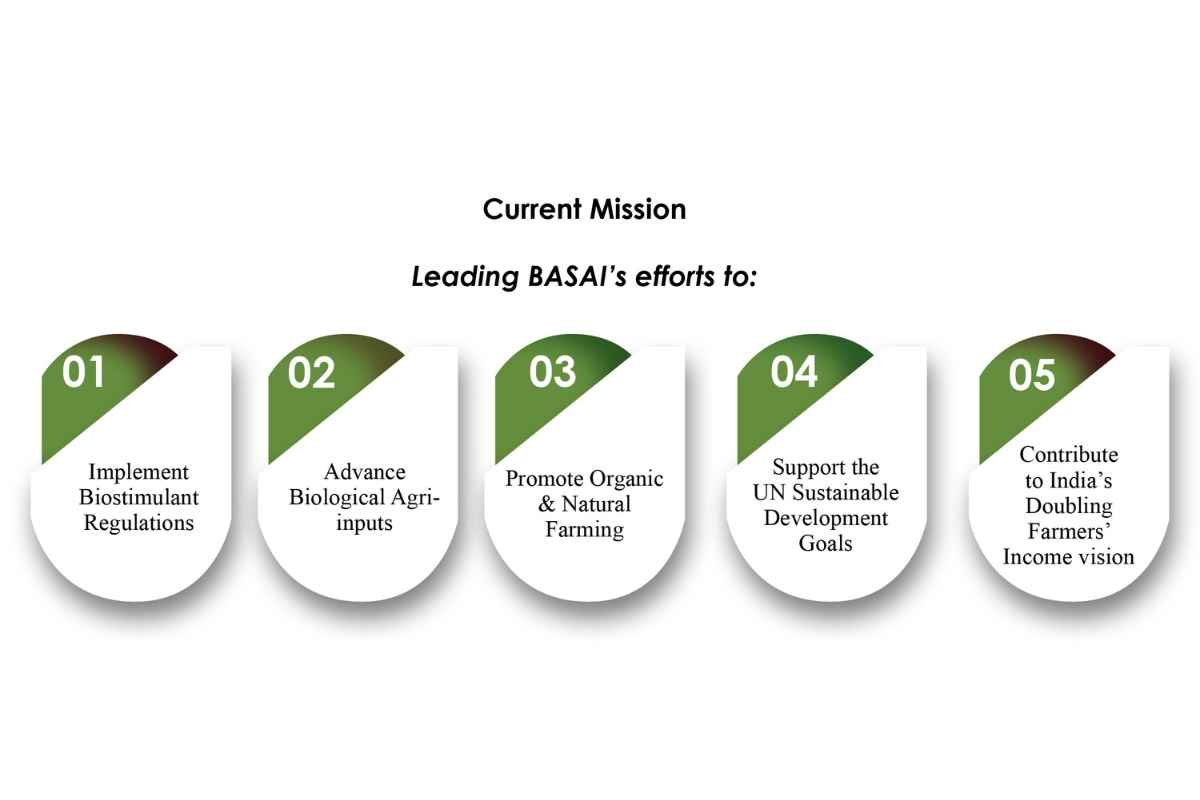
- Implement Biostimulant Regulations
- Advance Biological Agri-inputs
- Promote Organic & Natural Farming
- Support the UN Sustainable Development Goals
- Contribute to India’s Doubling Farmers’ Income vision
Core Regulatory Expertise
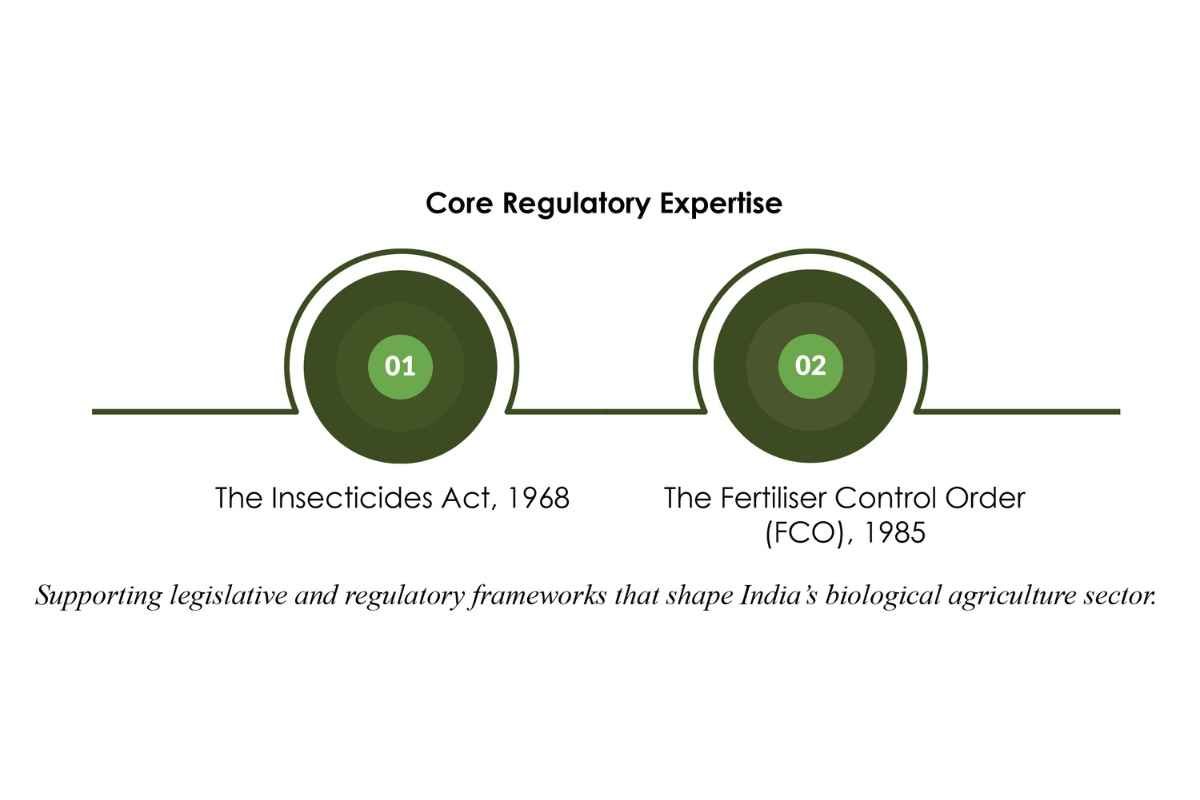
The Insecticides Act, 1968
The Fertiliser Control Order (FCO), 1985
Supporting legislative and regulatory frameworks that shape India’s biological agriculture sector.
In the Spotlight
Top Emerging Leaders Shaping the Future of Biological Agri Solutions – 2026
Success Code
Develop an understanding of regulatory affairs, remain a learner all along, and acknowledge your learnings as and when shared; diplomacy at all levels. Reading and writing should be continuous to retain whatever has been learnt and observed.
I’m a big fan of regulatory affairs and information dissemination. Knowledge sharing is a prime core ideology, and I don’t believe in the secrecy of publicly attained information, ‘cause it’s just a matter of time that the other will get to know about it. The sooner you share, the sooner you get exposed to different viewpoints on the same. This helps out in addressing issues of immediate concern or any one you can foresee coming your way.
Be a learner all along, and the experience itself will open doors for guiding stakeholders all along. Cautiously diplomatic in approach is a necessity.