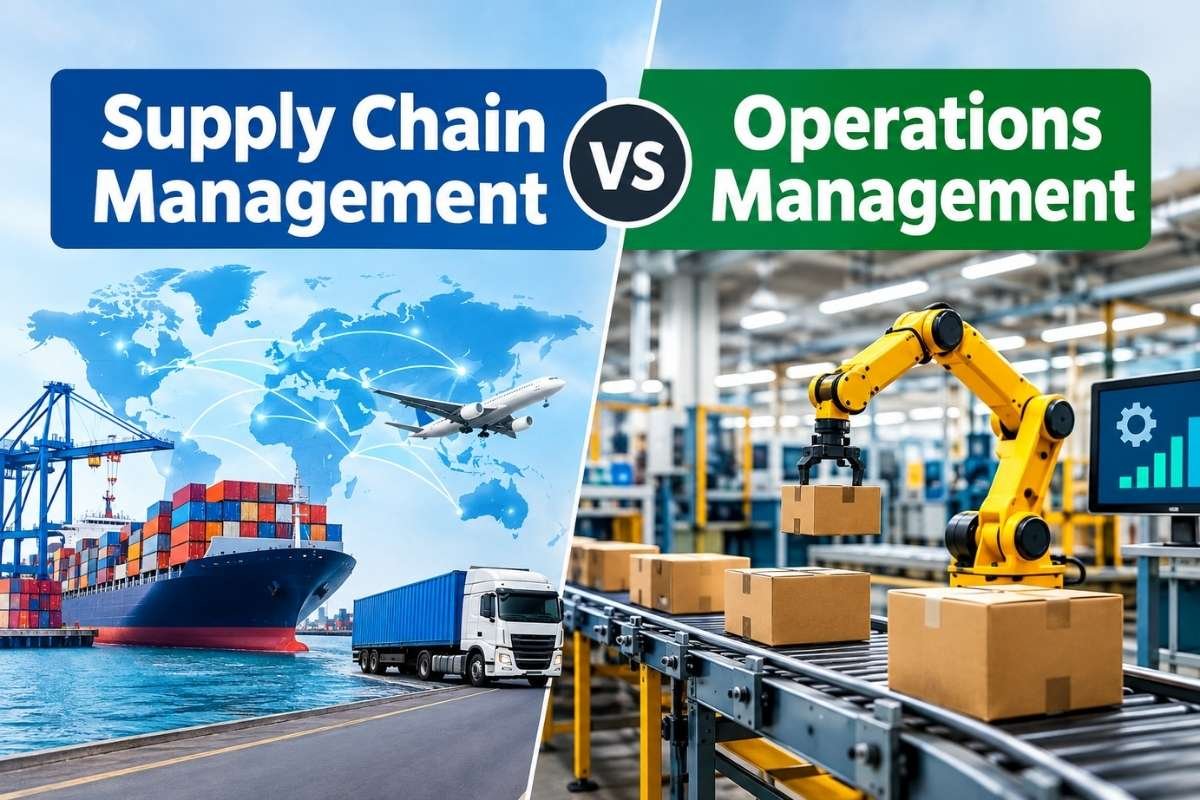


A delayed shipment can stop a whole production line. A weak plant process can waste scarce stock. That makes supply chain management vs operations management easy to mix up. Yet, they solve different parts of the same business problem.
Supply chain management moves materials, data, and goods across the supply network. Operations management turns inputs into goods or services within the firm. The two areas overlap, but they work at different levels.
In essence, one side helps move the product while the other helps improve the input. To summarize the two, it’s the input and output of a business that helps it keep running.
Deloitte found nearly 80% of supply leaders faced disruption recently. So, let’s compare the scope, roles, goals, KPIs, and business impact of both supply chain management and operations management.
Supply Chain Management vs Operations Management: The Definitions
Let’s start by understanding the definitions of the two management systems and then move on to what they actually refer to. Starting with supply chain management.
What Is Supply Chain Management?
Supply chain management keeps goods, data, and stock moving across firms. It links suppliers, procurement, factories, warehouses, transport, distributors, and customers. Its scope can cross many firms, unlike most internal business functions. Teams also track inventory, plan demand, and manage logistics across this network. The components of supply chain management cover these links in greater detail.
The World Bank tracks logistics through six key performance areas. Its 2023 index covered 139 countries and 4,090 assessments. This shows why SCM goes beyond one firm’s walls.
What Is Operations Management?
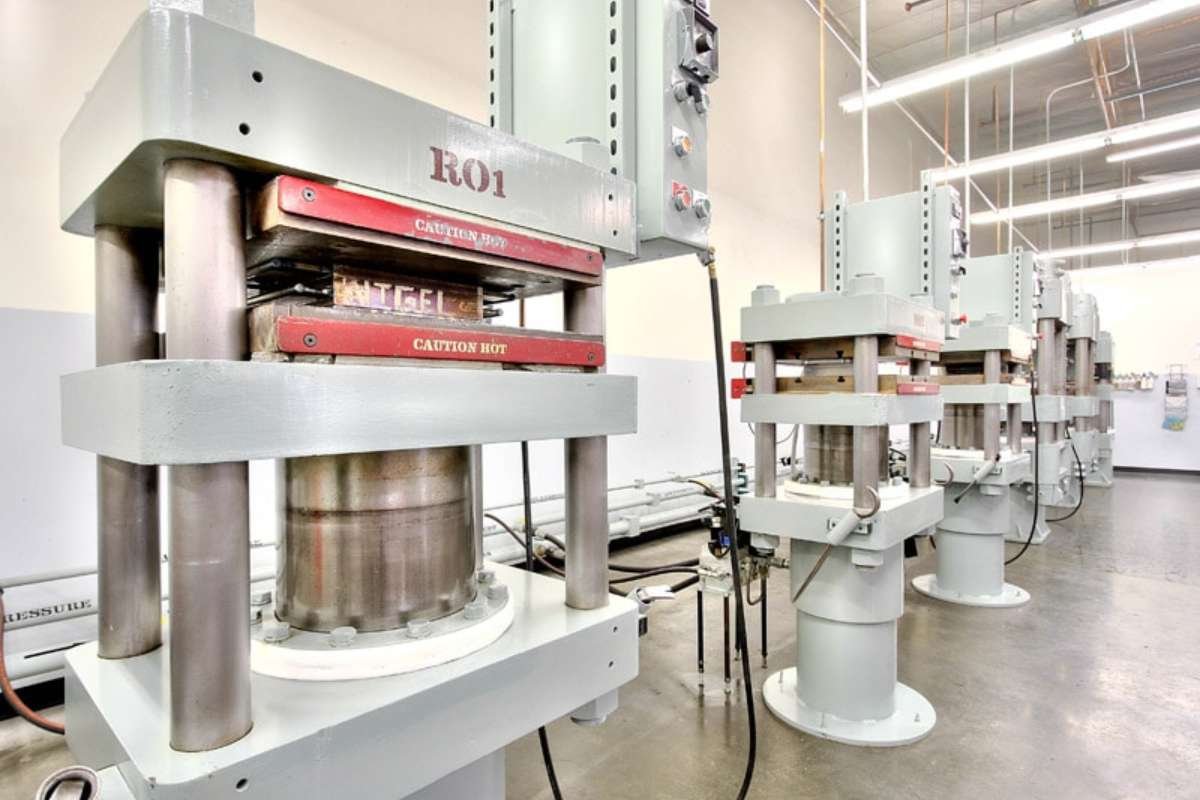
Operations management keeps an organization’s daily work running well. It uses people, tools, processes, and resources to deliver value. Teams plan production, manage capacity, control quality, and set work schedules.
They also improve processes, use staff well, and manage facilities. In a factory, this means keeping production steady and waste low. In a hospital, it can mean managing beds, staff, and patient flow.
In a bank, it can mean improving service speed and accuracy. So, operations mainly focus on what happens inside the organization. That makes its role more internal than supply chain management.
Supply Chain Management vs Operations Management: Key Differences Between the Two Systems
The biggest difference is where each function works. Supply chain management manages the wider flow from suppliers to customers. Operations management focuses on how the business runs those internal processes.
In short, supply chain management vs operations management shows two linked views of business performance.
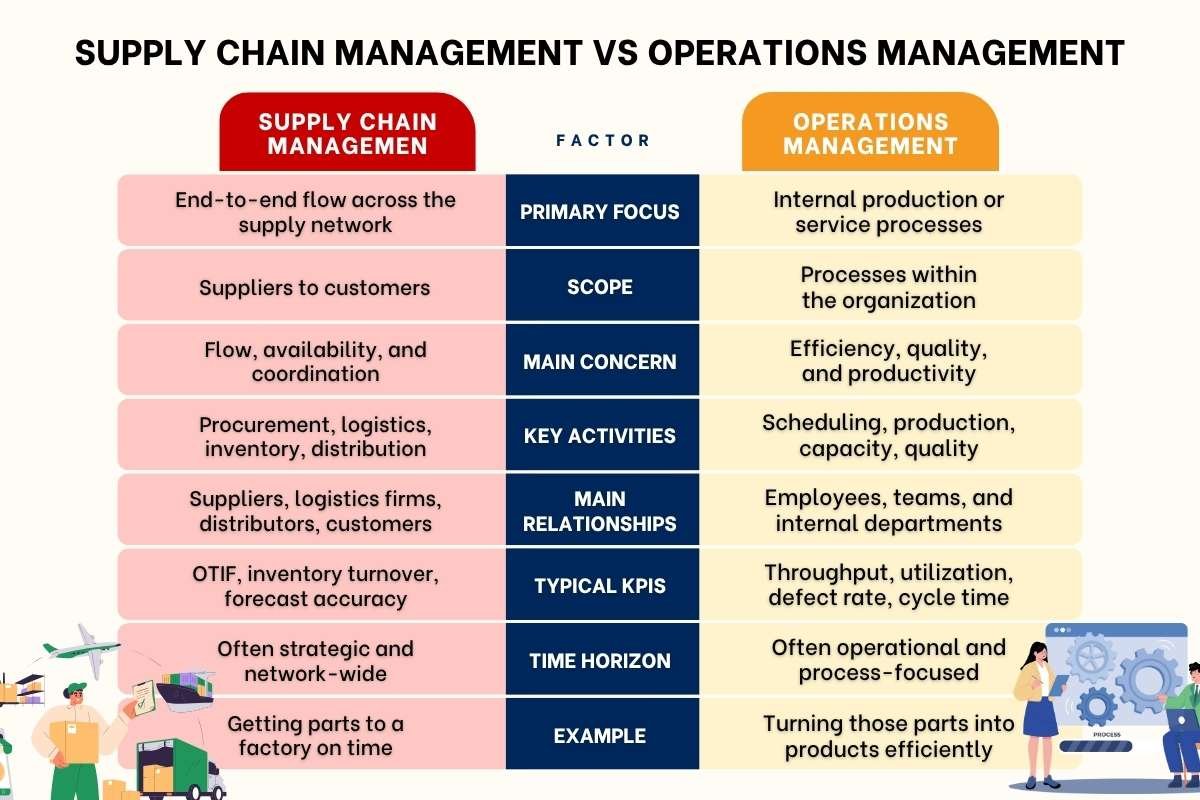
| Supply Chain Management | Factor | Operations Management |
|---|---|---|
| End-to-end flow across the supply network | Primary focus | Internal production or service processes |
| Suppliers to customers | Scope | Processes within the organization |
| Flow, availability, and coordination | Main concern | Efficiency, quality, and productivity |
| Procurement, logistics, inventory, distribution | Key activities | Scheduling, production, capacity, quality |
| Suppliers, logistics firms, distributors, customers | Main relationships | Employees, teams, and internal departments |
| OTIF, inventory turnover, forecast accuracy | Typical KPIs | Throughput, utilization, defect rate, cycle time |
| Often strategic and network-wide | Time horizon | Often operational and process-focused |
| Getting parts to a factory on time | Example | Turning those parts into products efficiently |
Note for Designer: Turn this table into an infographic.
Consider an Indian automaker such as Tata Motors. A supplier delay can cut its part supply. Operations teams then face less stock for planned work. That can slow output and push back customer orders. This simple chain shows how both functions must work together. One manages the flow, while the other manages execution.
Supply Chain vs Operations Management: Dedicated Roles and Responsibilities
The two functions also differ in their day-to-day roles. Supply chain teams manage links beyond the firm’s walls. Operations teams manage the work that turns plans into results.
| Supply Chain Roles | Operations Roles |
| Supply chain manager | Operations manager |
| Procurement manager | Production manager |
| Logistics manager | Plant manager |
| Demand planner | Quality manager |
| Inventory manager | Process improvement manager |
| Warehouse manager | Capacity planning manager |
| Distribution manager | Workforce manager |
Supply chain teams manage suppliers, stock, transport, and delivery plans. They also track demand and align supply with customer needs. Operations teams manage output, quality, staff, equipment, and daily workflow. In an Indian retail firm, SCM may secure stock across vendors. Operations then ensures stores or teams handle that stock well.
The roles differ, but their goals still connect. Better coordination can cut waste, delays, and missed orders.
How Supply Chain Management and Operations Management Work Together?
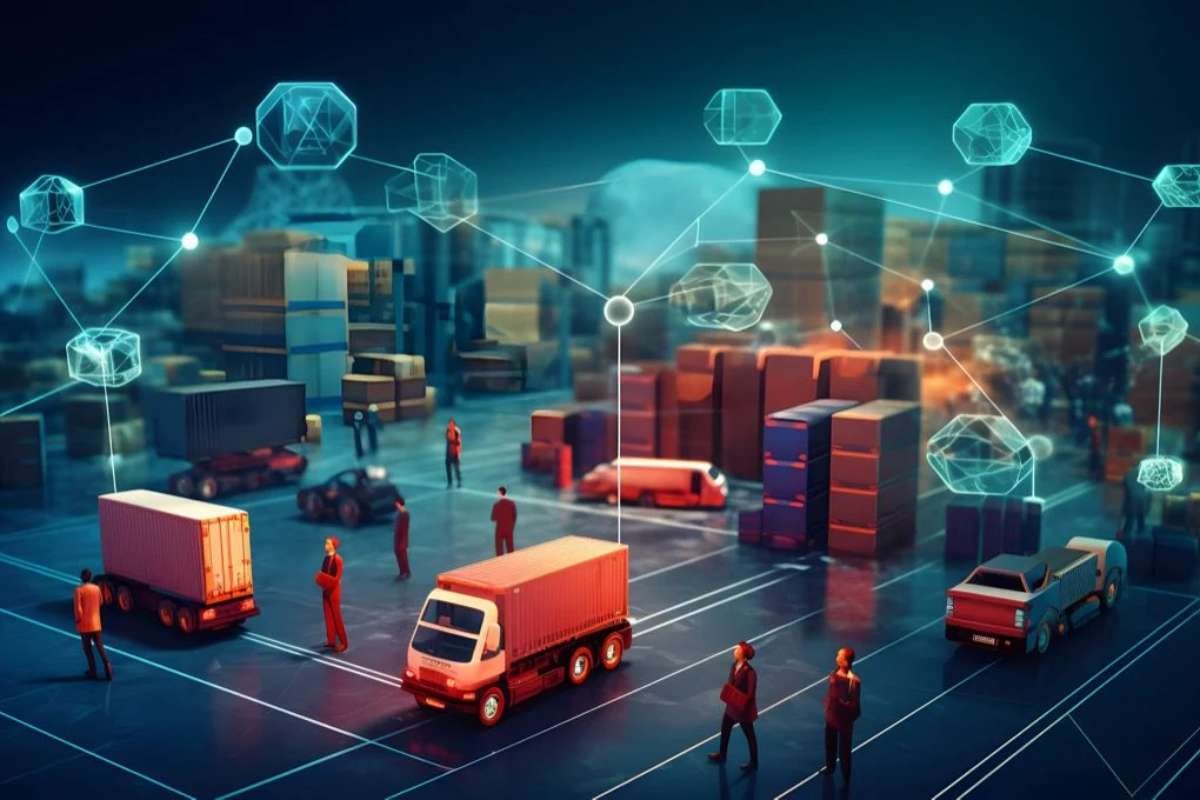
SCM and operations management work as linked parts of one system. Supply chain management vs operations management should not suggest that one replaces the other. Instead, both teams must share plans, data, and goals.
Supplier → Procurement → Production → Warehouse → Distribution → Customer
SCM forecasts demand and keeps needed materials available. Operations then plans capacity and schedules work based on that supply. SCM coordinates outbound delivery, while operations protects quality and steady output. Poor coordination can create excess stock, bottlenecks, stockouts, and late orders.
This is where supply chain optimization strategies can help teams align these linked steps. Integrated planning also helps firms balance demand, supply, capacity, and inventory decisions.
Which One Does a Business Need?
Most medium and large firms need both functions working together. SCM matters more with many suppliers, global sourcing, and complex delivery networks. Operations matter more when firms depend on production, service, quality, or capacity. Smaller firms may combine both roles within fewer teams. The key lies in finding where problems start.
Choose your focus:
- Supplier, inventory, or delivery problems → SCM
- Capacity, quality, or production problems → Operations
- Problems across both areas → Integrated management
Supply Chain Management vs Operations Management: How They Differ in Real Business
The difference becomes clearer when we follow one product. Consider an Indian smartphone brand sourcing parts from several countries. SCM teams track suppliers, shipping, stock, and delivery plans. They also manage risks when shipments face delays or shortages.
Operations teams focus on what happens after parts arrive. They plan assembly, manage staff, check product quality, and track output. If assembly slows, operations finds the process gap. If parts arrive late, SCM works with suppliers and logistics partners.
Here is the simple split:
- SCM problem: Parts arrive late from a supplier.
- Operations problem: Assembly takes too long.
- Both teams: Customer orders face long delivery delays.
This shows why supply chain and operations management must share data. One controls the wider flow, while the other drives internal execution.
Conclusion:
The key difference is simple: SCM looks across the supply network. Operations management focuses more on internal execution. Yet, neither function works well in isolation. Supply chain management vs operations management shows why both need shared plans and clear data.
Strong coordination can reduce delays, waste, and stock gaps. It also helps firms serve customers with greater speed and care. This foundation leads into broader supply chain practices, tools, and strategies.
Frequently Asked Questions
1. Is supply chain management the same as operations management?
No. SCM manages flows across the wider supply network. Operations manages processes within the organization.
2. Which is better, SCM or operations management?
Neither is always better for every business. The right focus depends on its needs, structure, and key problems.
3. What is the main difference between SCM and operations management?
SCM manages the external supply network. Operations manages internal business processes.
4. Can operations management be part of supply chain management?
Yes, both functions can overlap in many businesses. Production operations form one key link within the wider supply chain.
5. What KPIs are used in SCM and operations management?
SCM tracks inventory turnover, OTIF, forecast accuracy, and order cycle time. Operations tracks throughput, capacity utilization, defect rate, and production cycle time.
Thank You for Reading!
See More
ERP vs SCM Software: Their Differences and Uses in Supply Chain Management