


Most of us use green energy and clean energy as if they mean the same thing. In business, that small mix-up can cause real confusion. Green energy usually comes from nature and renews over time. It also aims to limit harm to air, land, and water. Clean energy covers a wider set of power sources and systems. Its main test is low or zero harmful emissions.
So, why does the green energy vs. clean energy difference matter? It can shape the projects you fund, the tech you choose, and the power you buy. It can also change how you assess Indian policies and business ideas. Once technology enters the picture, the line gets less clear. That is why green energy solutions and technology deserve a closer look.
Green energy vs. clean energy: the basic difference
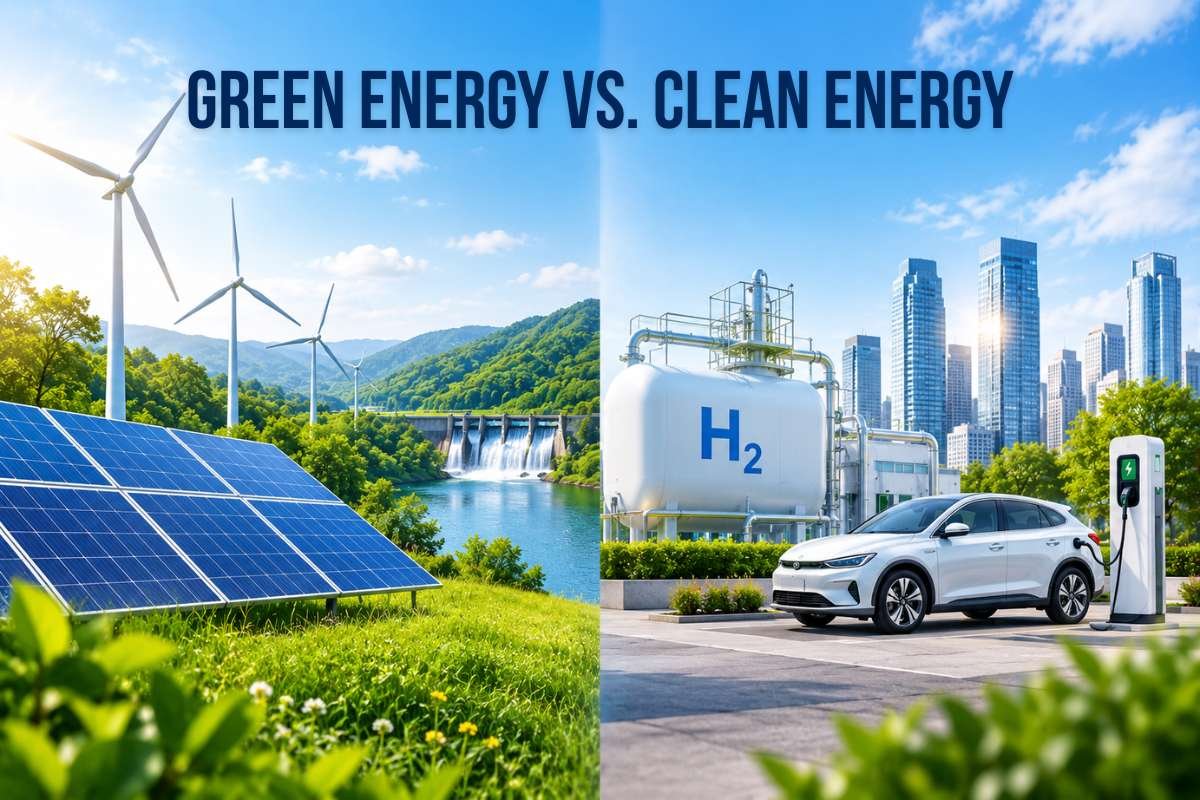
Think of green energy as the narrower term. It points to energy from sources that nature can renew. Solar, wind, and geothermal power fit this group. Small hydro can also fit, depending on its environmental impact. IRENA includes solar, wind, hydro, geothermal, ocean energy, and bioenergy.
Clean energy takes a wider view. It focuses more on emissions and pollution. The IEA calls clean energy an umbrella term for net-zero compatible sources, assets, and systems. Its scope includes renewables, nuclear power, storage, grids, and some carbon capture systems.
| Factor | Green Energy | Clean Energy |
|---|---|---|
| Main focus | Natural, renewable sources | Low or zero harmful emissions |
| Scope | Narrower | Broader |
| Examples | Solar, wind, small hydro | Renewables, nuclear, storage, and grids |
| Business lens | Resource and sustainability | Emissions and energy performance |
So, most green energy can count as clean energy. Yet, clean energy can cover more than green sources. The terms also vary across regulators, companies, investors, and markets. The European Commission, for example, links renewable energy with clean energy.
Green energy vs. clean energy difference in how their sources compare
The source alone does not always tell the full story. The way we produce energy also matters. Solar and wind have low lifecycle emissions and rely on renewable resources. Small hydro can also offer low-carbon power, but site choice can affect rivers and local habitats.
Geothermal power uses Earth’s heat and can provide steady power. Biomass gets more complex. It can use farm waste, yet feedstock choice affects land use, air pollution, and lifecycle emissions. Nuclear power produces very low operational carbon emissions, but it does not use renewable fuel.
Hydrogen needs even more care. Its label depends on how we make it. Green hydrogen uses renewable electricity for electrolysis. Hydrogen from fossil fuels does not meet that same test.
Carbon capture can also lower emissions from fossil fuel use. Yet, it does not make the fuel renewable.
This shows the green energy vs. clean energy difference goes beyond simple source lists. The term green energy vs. renewable energy also needs care. Renewable describes the source, while green can involve wider environmental impacts.
Green energy vs. clean energy: why the difference matters for businesses
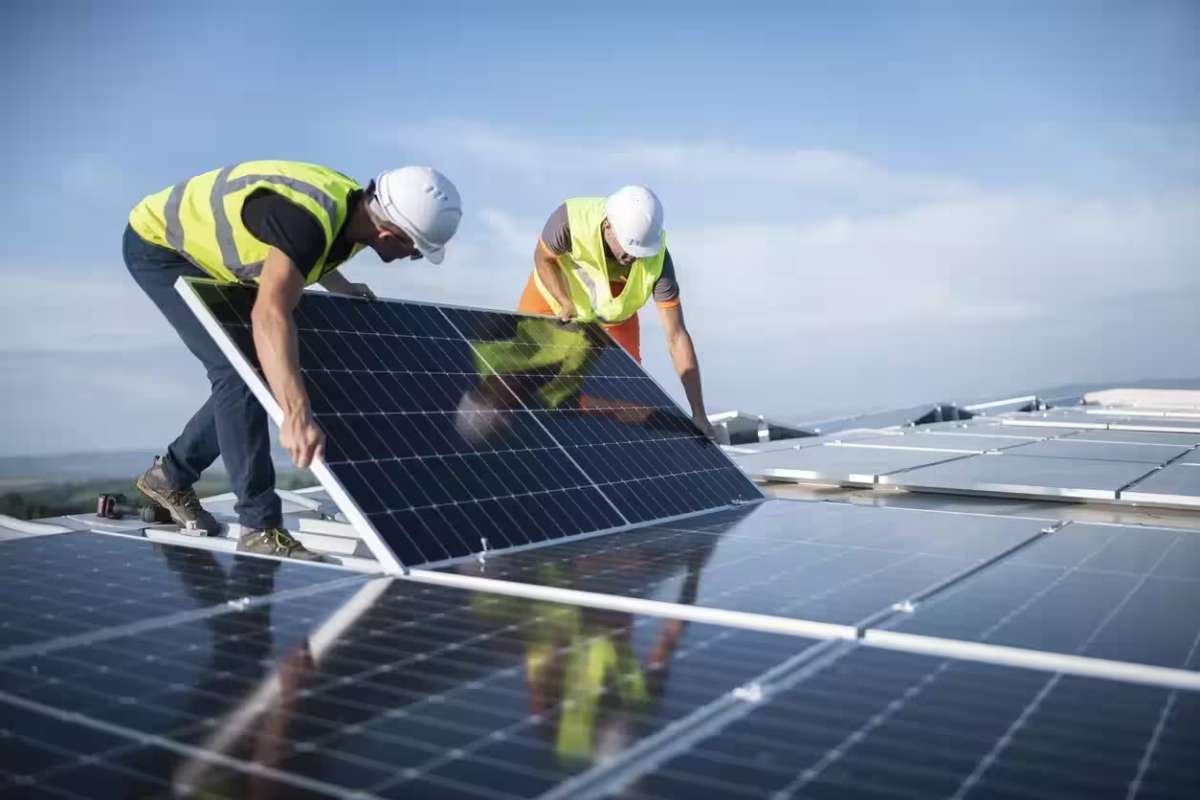
For a business, the label can shape the whole offer. First, ask what you can sell. You might sell power, equipment, storage, or energy-saving services. You might also offer grid support or carbon-management tools.
Then ask what claim your offer can make. Renewable sourcing can support one claim. Lower emissions can support another. Energy savings can support both cost and climate goals.
The customer also changes the business case. Homes need simple power solutions. Data centres need steady power and strong backup. Factories may need clean power, storage, and energy checks. Logistics firms may seek cleaner transport and charging systems.
India already gives this market a strong base. CEA tracks Green Energy Open Access and net metering. It also lists procurement routes for renewable power and storage.
So, corporate adoption of renewable energy can create demand for power, tech, and services. Green and clean can lead businesses toward different markets.
What the difference means for green energy entrepreneurs?
You do not need a power plant to enter this market. That is where the terms start to matter. Green-energy businesses can focus on solar EPC, upkeep, biomass, or distributed power. They can also sell equipment or manage old solar panels and other waste.
Clean-energy businesses can take a wider path. They can build battery storage, smart energy tools, or efficiency tech. They can also support EV charging, cleaner factories, and carbon management.
This creates room for green business models that scale across many customer needs. Some earn through projects. Others earn through service fees, software, maintenance, or equipment sales.
The key point often gets missed. A clean-energy business does not need to generate renewable power. An energy-management company can cut power use without producing one unit.
That distinction can help you choose the right market. It also gives you a clearer path when you learn how to start a green energy business.
Green vs. clean energy: what investors should look at
For investors, the label matters less than the business underneath. A solar generator may own costly assets for decades. A storage company may face different tech and replacement risks. An efficiency company may need less capital but depend more on customer sales.
So, I would compare each business across a few key points. Look at revenue sources, asset ownership, and capital needs. Then check policy exposure, tech risk, and customer concentration. Project timelines also matter, especially for large energy assets. Regulatory needs can shape costs and market entry too.
This makes the green energy business a broader task than picking green stocks. Two clean-energy companies can face very different risks.
For listed companies, investors can study annual reports, SEBI filings, and exchange disclosures. Green energy IPOs in India also need careful review of offer documents, revenue sources, and project plans.
Green energy vs. clean energy difference in government policy?
Policy can change how we use these terms in India. A renewable-energy scheme may cover specific sources or projects. An energy-efficiency programme may focus on lower power use instead. Emissions rules may target pollution levels, while clean-tech support may target specific technologies.
That means government incentives for green businesses need careful checking. Do not assume every green or clean business gets the same support. Each scheme can set its own technology, project, location, or applicant rules.
The same care applies to compliance. A solar installer may face different rules than a power generator. A battery recycler may face different environmental requirements than an energy software company.
So, before asking what licenses are needed for a green energy business, first define the activity. Then check the rules from the right federal and state agencies.
Green energy vs. clean energy differences: which one should a business choose?
There is no single model that fits every business. Start with the problem you want to solve. Then ask if you will generate power or cut power use.
A green-energy model may suit renewable generation, equipment, or resource-based services. A broader clean-energy model may suit storage, efficiency, or low-emission tech.
Before choosing, ask six simple questions:
- What problem does the business solve?
- Does it generate energy or reduce energy use?
- What emissions occur across its lifecycle?
- Who pays, and what do they pay for?
- Which rules apply to the business?
- How much capital does the model need?
That last point can guide low-investment green business ideas, too. For smaller investors, green energy business ideas for small investors may offer entry points without removing business risk.
What industry leaders say about green and clean energy?
Lord Adair Turner, Chair of the Energy Transitions Commission, notes that clean energy supply and energy efficiency often get treated separately. Yet both can drive decarbonisation. That wider view helps explain why clean-energy businesses can span power, storage, efficiency, and technology.
Conclusion:
The green energy vs. clean energy difference comes down to scope and purpose. Green energy focuses more on renewable sources with lower environmental harm. Clean energy takes a wider view and focuses on low emissions and pollution. A business may sell clean technology without producing renewable power. Likewise, a renewable project still needs careful checks on its wider impact.
Once you understand these terms, business choices become clearer. The next step is to see where these ideas create real green energy business opportunities in India.
Frequently asked questions on green energy vs. clean energy differences
1. What is the difference between green energy and clean energy?
Green energy mainly covers renewable sources with low environmental harm. Clean energy covers a wider range of low-emission sources. The two terms overlap, but their scope differs.
2. Is all green energy clean energy?
Most common green sources also qualify as clean energy. However, their full impact can depend on land use, pollution, materials, and lifecycle emissions.
3. Is renewable energy the same as green energy?
Not always. Renewable energy describes how a source replenishes naturally. Green energy adds an environmental lens. That lens can include pollution, land use, and other impacts.
4. Is nuclear energy green or clean energy?
Nuclear power generally counts as low-carbon or clean energy. Its green status varies across frameworks. Key concerns include radioactive waste, mining, and long-term environmental impacts.