


Key Takeaways:
- A potential trade deal signals improved market access for businesses
- Talks focused on the maritime safety impact on global trade and logistics routes
- Skilled workforce mobility discussions support services and technology sectors
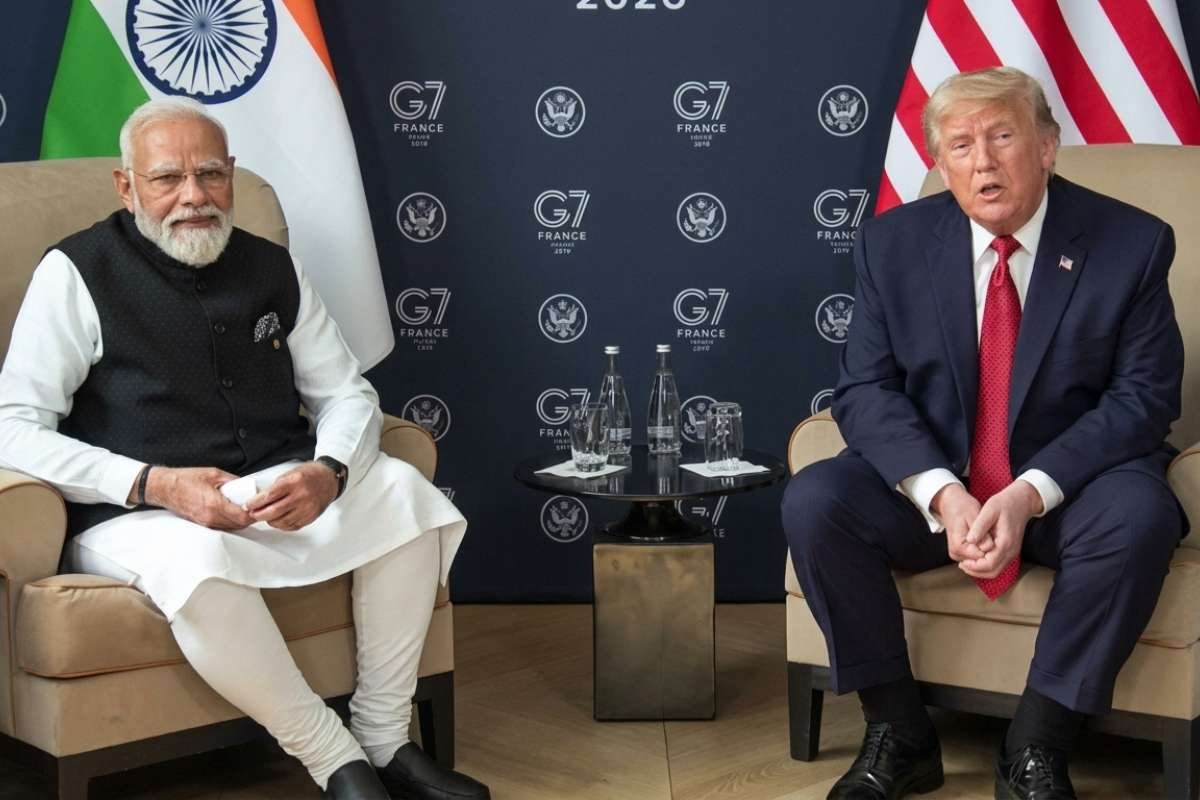
India and the United States indicated progress toward a bilateral trade agreement during a 55-minute meeting between Prime Minister Narendra Modi and US President Donald Trump on the sidelines of the G7 summit in Evian-les-Bains, France.
Trade Discussions And Economic Engagement Gain Momentum
Both leaders reviewed developments across trade, energy, defence, technology, and people-to-people engagement. The discussions included ongoing efforts toward finalizing a trade framework, which has been under negotiation since early 2026.
The United States indicated that both sides are close to concluding a trade agreement. The engagement follows earlier discussions that began after a preliminary framework was reached in February this year.
Trade remains a key component of the bilateral relationship, with both countries focusing on improving market access and strengthening supply chains. The discussions also reflected continued coordination between officials working toward agreed targets set in prior meetings.
The meeting marked the first interaction between the two leaders in over a year. The engagement lasted 55 minutes and covered a broad set of economic and operational priorities relevant to both economies.
In addition to trade, the leaders discussed energy cooperation and technology partnerships, which remain important areas for business collaboration and investment flows.
Maritime Trade And Workforce Mobility In Focus
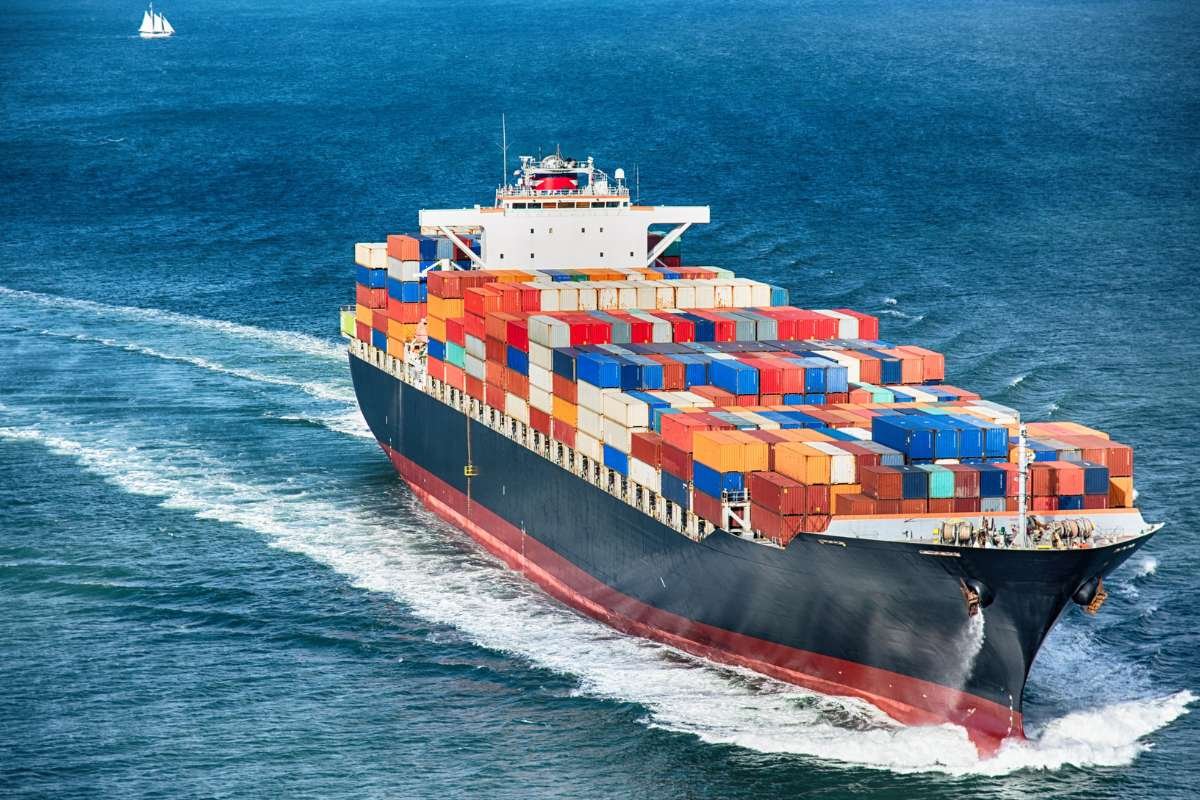
A key point of discussion included the importance of maintaining open maritime routes, particularly the Strait of Hormuz, which plays a critical role in global energy and goods movement. Ensuring uninterrupted shipping flows remains essential for international trade operations.
India highlighted the role of its seafarers, with hundreds of thousands engaged in global shipping operations. The safety and continuity of maritime activity were emphasized due to their direct link to trade logistics and supply chains.
The conversation also included references to workforce mobility, particularly skilled professionals. This area remains significant for sectors such as technology, consulting, and services, where cross-border talent movement supports business growth.
At the G7 Summit, both sides reaffirmed their commitment to strengthening bilateral economic cooperation, emphasizing continued collaboration across industries that drive economic growth and employment.
Recent developments in global energy markets were acknowledged in the context of maritime routes and supply stability. These factors influence input costs and operational planning for businesses engaged in trade-dependent sectors.
Overall, at the G7 summit, interaction reflects continued engagement between two major economies with a focus on trade expansion, operational stability in global logistics, and workforce participation across sectors.
Visit Business Viewpoint Magazine for the latest information.