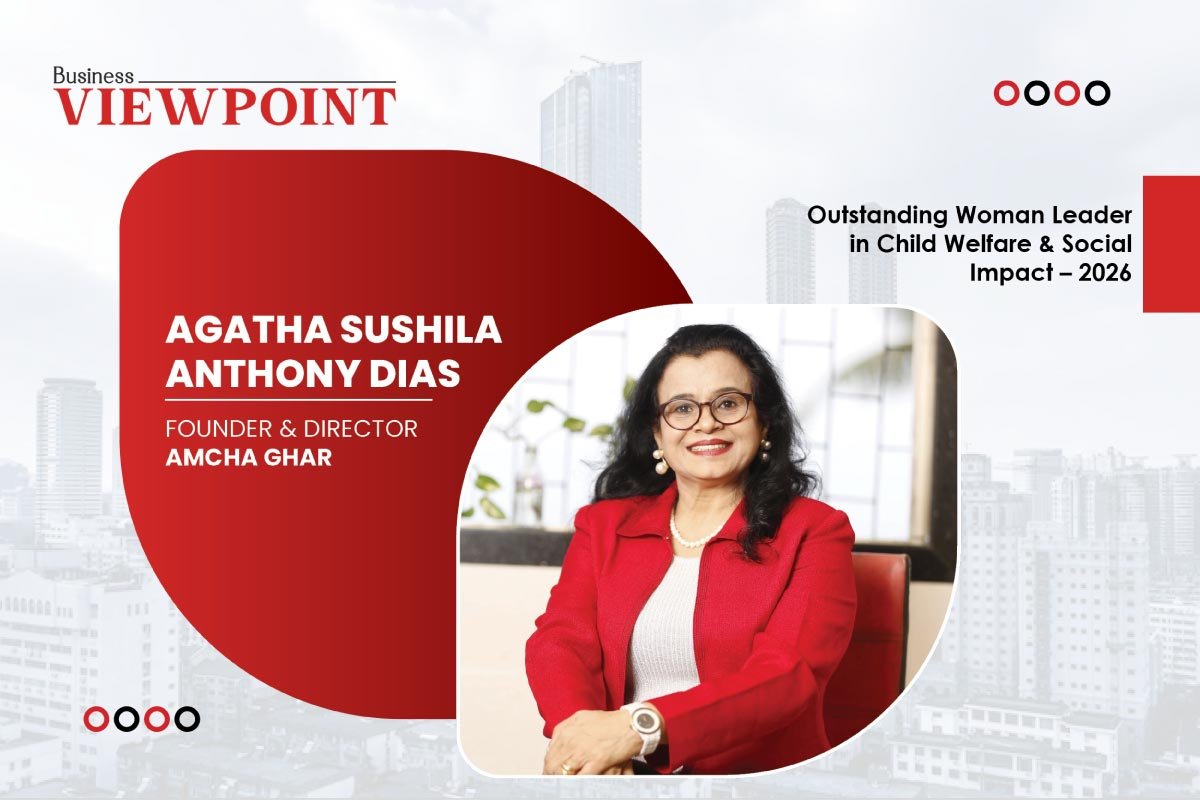



Some people build careers. Others build something that outlives them. Agatha Sushila Anthony Dias, Founder & Director of Amcha Ghar, Social Reformer, Child-Welfare Advocate, Educator, Author, Life & Dream Coach, and Peace Ambassador, belongs to the second kind. Raised in a modest family with five siblings in Madar, Ajmer, Rajasthan, she left home for Mumbai at 16. Her early work in service-oriented environments and communities in need, followed by her studies at Nirmala Niketan College of Social Work, shaped her commitment to social transformation.
In 1994, she married Anthony Dias, and two years later, they founded Amcha Ghar. Rather than building a conventional family around themselves, they chose to create a family for children who needed one. That decision became the foundation of a journey spanning child welfare, education, community development, and social impact.
Her work later extended into women’s leadership and peace advocacy, while her books, mentoring, workshops, and speaking engagements have allowed her to share the lessons of a life shaped by adversity, service, and purpose.
The Turning Point That Built A Legacy
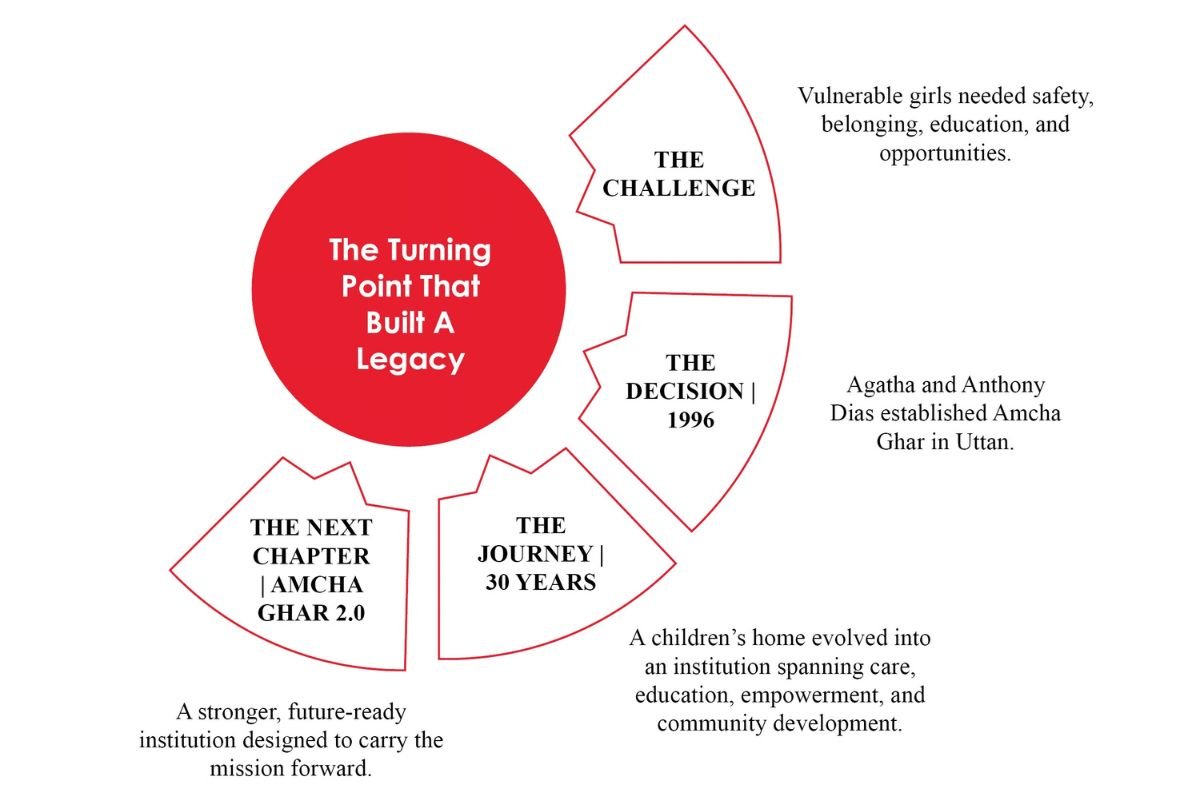
- THE CHALLENGE
- Vulnerable girls needed safety, belonging, education, and opportunities.
- THE DECISION | 1996
- Agatha and Anthony Dias established Amcha Ghar in Uttan.
- THE JOURNEY | 30 YEARS
- A children’s home evolved into an institution spanning care, education, empowerment, and community development.
- THE NEXT CHAPTER | AMCHA GHAR 2.0
- A stronger, future-ready institution designed to carry the mission forward.
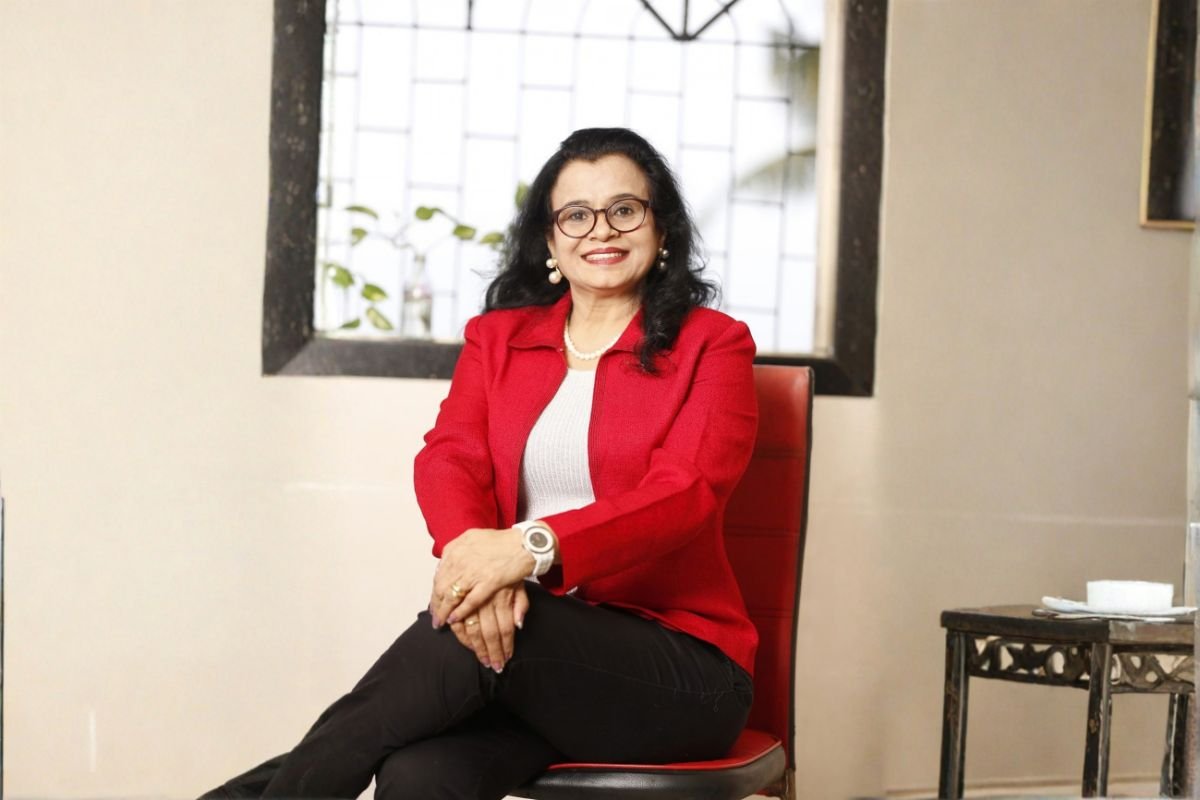
The Journey of One Home to a Larger Mission
Some journeys begin with a plan. Amcha Ghar began with a need that could not be ignored.
In 1996, Agatha Sushila Anthony Dias and her late husband, Anthony Dias, opened the doors of Amcha Ghar in Uttan, Bhayandar, Maharashtra. The name meant “Our Home,” and that was exactly what they wanted it to be: a place where vulnerable and underprivileged girls could find safety, care, education, and the feeling of being part of a family.
There was no grand blueprint for what Amcha Ghar would eventually become. The work grew with the needs of the children. A home became a place of learning. Care became an effort to build confidence. Education opened doors to further study and employment. Over time, the organisation expanded its work into child protection, empowerment, community development, and outreach.
Three decades later, more than 500 underprivileged girls have been supported and educated through Amcha Ghar. Its wider programmes and outreach initiatives report having reached more than 1.40 million beneficiaries.
But the most telling part of the journey cannot be captured in a number.
It is found in the girls who moved on to higher education, professional training, employment, and independent lives. Some of the children who once needed a home eventually built lives of their own. For Agatha, those stories carry far more meaning than any award or milestone.
As Amcha Ghar completes 30 years in 2026, the organisation is preparing for its next chapter, Amcha Ghar 2.0. The vision is becoming more structured, professional, and technology-enabled, but the reason behind the work remains unchanged.
When a Home Becomes a Launchpad
Over the past three decades, Amcha Ghar’s understanding of child welfare has evolved. Providing a vulnerable child with safety, food, education, and a caring environment was only the beginning. The larger goal has always been to prepare her for life beyond the home.
That means giving children opportunities to make decisions, manage money, communicate with confidence, cope with failure, develop practical skills, and eventually take responsibility for their own lives. A child may have books, school fees, uniforms, and even a degree, yet still feel unprepared for adulthood. Confidence, financial literacy, digital and AI skills, emotional resilience, career awareness, and the ability to handle rejection can make an equally important difference.
At the heart of this approach is dignity and belonging. The girls should not see themselves simply as beneficiaries of an institution. They should grow up with a sense of family, responsibility, and the confidence that they have a place where they are valued and supported.
Agatha believes this is where Amcha Ghar 2.0 must take the next step: moving from care and education towards genuine independence. That requires more than compassion. Strong governance, financial discipline, technology, impact measurement, and succession planning must support the human side of the mission.
The measure of good care, ultimately, is not how long a child needs support, but how confidently she can build a life of her own.
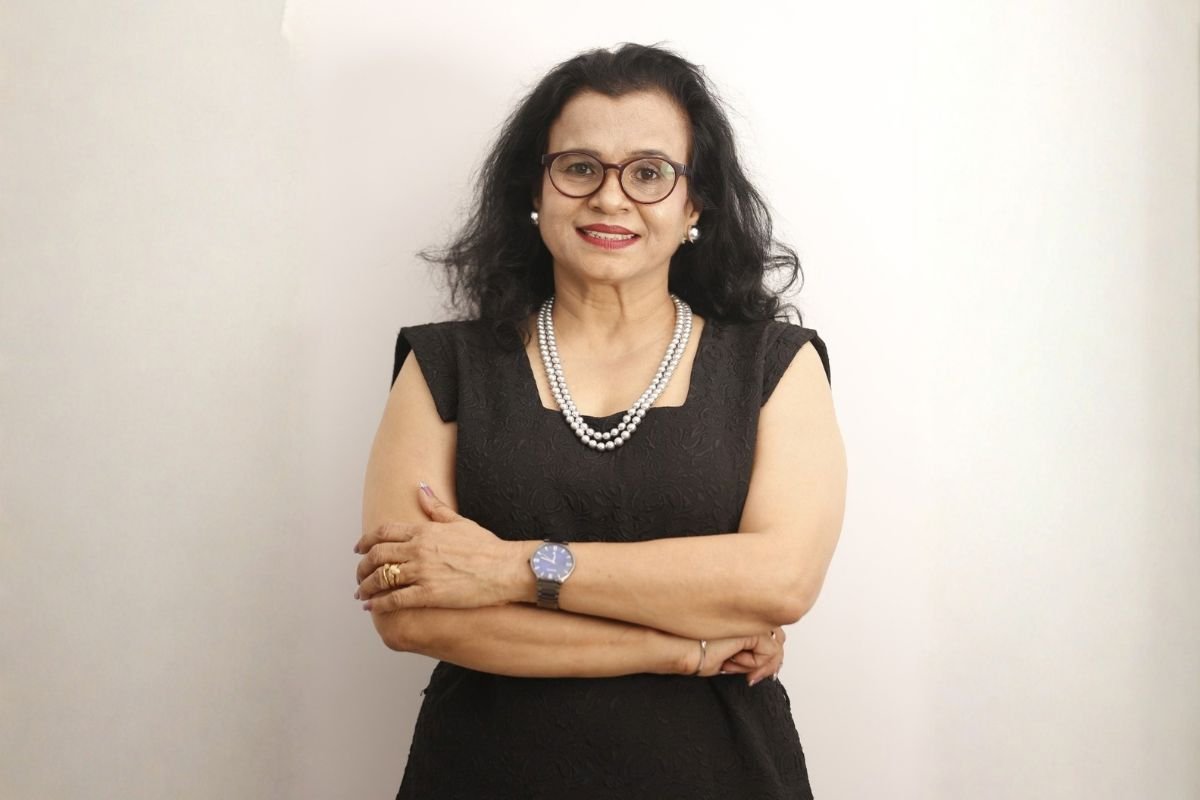
The Leadership Philosophy of Leading Through Service
Agatha’s leadership has grown from the same belief that shaped Amcha Ghar from the beginning: meaningful leadership starts with service.
She does not see Amcha Ghar simply as an organisation with programmes, systems, and responsibilities. At its heart, it is a family environment, one where people are expected to care for one another, take responsibility, and grow together. That sense of family has influenced not only how the girls are supported, but also how the organisation itself is led.
Her approach rests on four simple ideas: serve with integrity, lead with grace, live with gratitude, and grow as a family.
Integrity means doing what is right even when there is no recognition attached to it. Grace shapes the way she works with people, particularly through difficult moments. Gratitude keeps the focus on the people, relationships, and opportunities that have made the journey possible. And the idea of growing as a family ensures that progress never becomes purely institutional; it remains connected to the people behind it.
This philosophy also shapes Agatha’s understanding of success. For her, success is not something to pursue for its own sake. It comes as a result of doing meaningful work, serving people well, and creating opportunities that allow others to move forward.
That belief has remained steady even as Amcha Ghar has grown and prepares for its next chapter. The organisation may become more structured and technology-enabled, but its leadership remains rooted in something far more personal: serve well, treat people with dignity, remain grateful, and grow together.
Expanding the Reach of the Mission
One of the most important decisions in Amcha Ghar’s journey was to move beyond caring for a limited number of girls and invest in education for the wider community.
The organisation’s early focus was on creating a safe home for vulnerable girls. Over time, Agatha and her team recognised that prevention and education could create impact on a much larger scale. This led to the development of Amcha Ghar English High School, followed by the Junior College.
The decision changed the nature of Amcha Ghar’s work. It grew from primarily being a children’s home into a broader educational and community institution, allowing its impact to reach many more people.
As Amcha Ghar moves into its 2.0 phase, Agatha sees another important leadership responsibility: ensuring that the organisation eventually becomes bigger than its founder. The next generation, including Amcha Ghar’s senior daughters, must step forward as mentors, ambassadors, and future torchbearers of the mission.
Agatha believes the true strength of a mission is ultimately seen in its ability to continue, grow, and create impact beyond the person who started it.
Measuring What Remains
Numbers matter because they bring accountability, but Agatha’s deepest measure of Amcha Ghar’s impact is found in what its daughters do with the opportunities they receive. A successful outcome is not simply completing school or securing a job; it is seeing a former daughter grow into someone who can make her own choices, contribute to her family and community, and support others in turn.
For Agatha, that is when the circle comes complete: a child who once received support eventually becomes someone who can give it. The strongest legacy of Amcha Ghar is therefore not measured only by how many lives it has touched, but by what those lives go on to create.
A Different Question for the Next Generation: Bharat 2.0 Conclave – Shakti Edition Special
When a Woman Enters the Room, Something Should Change
Agatha does not see women’s leadership as simply occupying a seat at the table. The real question is: what changes because she is there?
Meaningful leadership gives women the authority to make decisions, allocate resources, influence policy, create opportunities, and bring perspectives into rooms where they were once missing. Power, in her view, does not require women to become more like men. Empathy, intuition, and nurturing can stand alongside courage, accountability, and decisive action.
Representation gets a woman into the room. Leadership gives her the courage to change what happens inside it.
Strong Enough to Care, Firm Enough to Lead
Years of working with girls have shaped Agatha’s understanding of women’s leadership. Motherhood, she says, became something much larger than biology. It deepened her understanding of care, belonging, and the emotional realities of those she serves.
Yet the expectations placed on women can be complicated. They are often expected to be strong without appearing difficult, compassionate without appearing weak, ambitious without appearing selfish, and available to everyone.
Agatha eventually stopped trying to fit herself into someone else’s definition of a woman leader. She learned that compassion and firmness can coexist. A woman can nurture and negotiate, forgive and hold people accountable, dream boldly and remain deeply human.
Creating Opportunities, Not Waiting for Them
Agatha wants young women to stop waiting for permission to recognise their own potential.
She wants them to demand equal opportunity, education, financial independence, dignity, safety, and a genuine place in decision-making. She also wants them to build institutions, businesses, communities, and families where the next generation of girls does not have to fight the same battles again.
Her challenge to young women is simple:
Stop asking, “Will somebody give me an opportunity?”
Start asking:
“What can I create? What can I lead? Whom can I take forward with me?”
Because true empowerment is not only about rising. It is about leaving a pathway open for others to rise after you.

A Wider Vision of Social Change
Agatha’s vision for social development goes beyond education. Amcha Ghar has grown to address child welfare, women’s skill development, community engagement, and support for senior citizens.
Its work is strengthened through partnerships with corporations, foundations, philanthropists, volunteers, and well-wishers, reflecting Agatha’s belief that lasting change requires shared responsibility.
The organisation’s efforts also align with several UN Sustainable Development Goals, including hunger, education, gender equality, clean water and sanitation, decent work, and partnerships, turning a single vision into wider community impact.
Recognition at a Glance
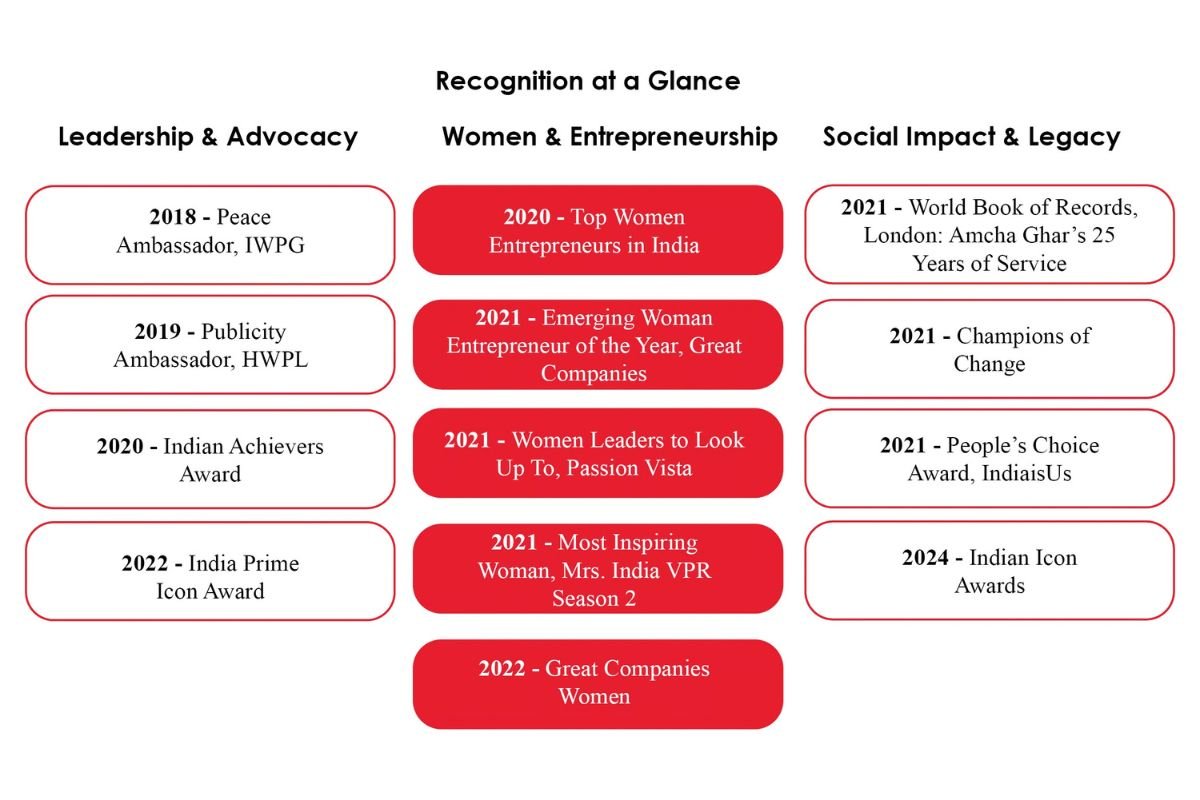
| Leadership & Advocacy | Women & Entrepreneurship | Social Impact & Legacy |
| 2018 – Peace Ambassador, IWPG | 2020 – Top Women Entrepreneurs in India | 2021 – World Book of Records, London: Amcha Ghar’s 25 Years of Service |
| 2019 – Publicity Ambassador, HWPL | 2021 – Emerging Woman Entrepreneur of the Year, Great Companies | 2021 – Champions of Change |
| 2020 – Indian Achievers Award | 2021 – Women Leaders to Look Up To, Passion Vista | 2021 – People’s Choice Award, IndiaisUs |
| 2022 – India Prime Icon Award | 2021 – Most Inspiring Woman, Mrs. India VPR Season 2 | 2024 – Indian Icon Awards |
| 2022 – Great Companies Women |
AI with Human Judgment: A Leader’s Approach
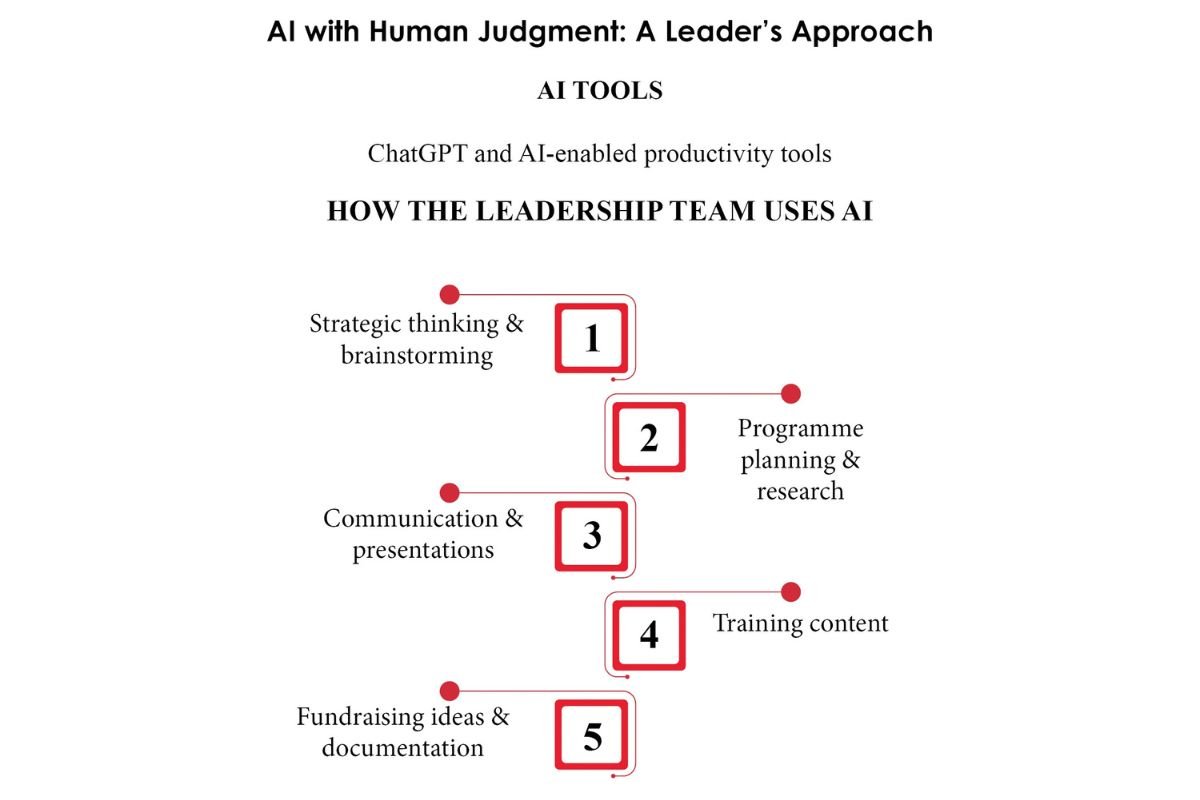
AI TOOLS
ChatGPT and AI-enabled productivity tools
HOW THE LEADERSHIP TEAM USES AI
- Strategic thinking & brainstorming
- Programme planning & research
- Communication & presentations
- Training content
- Fundraising ideas & documentation
WHAT IT BRINGS
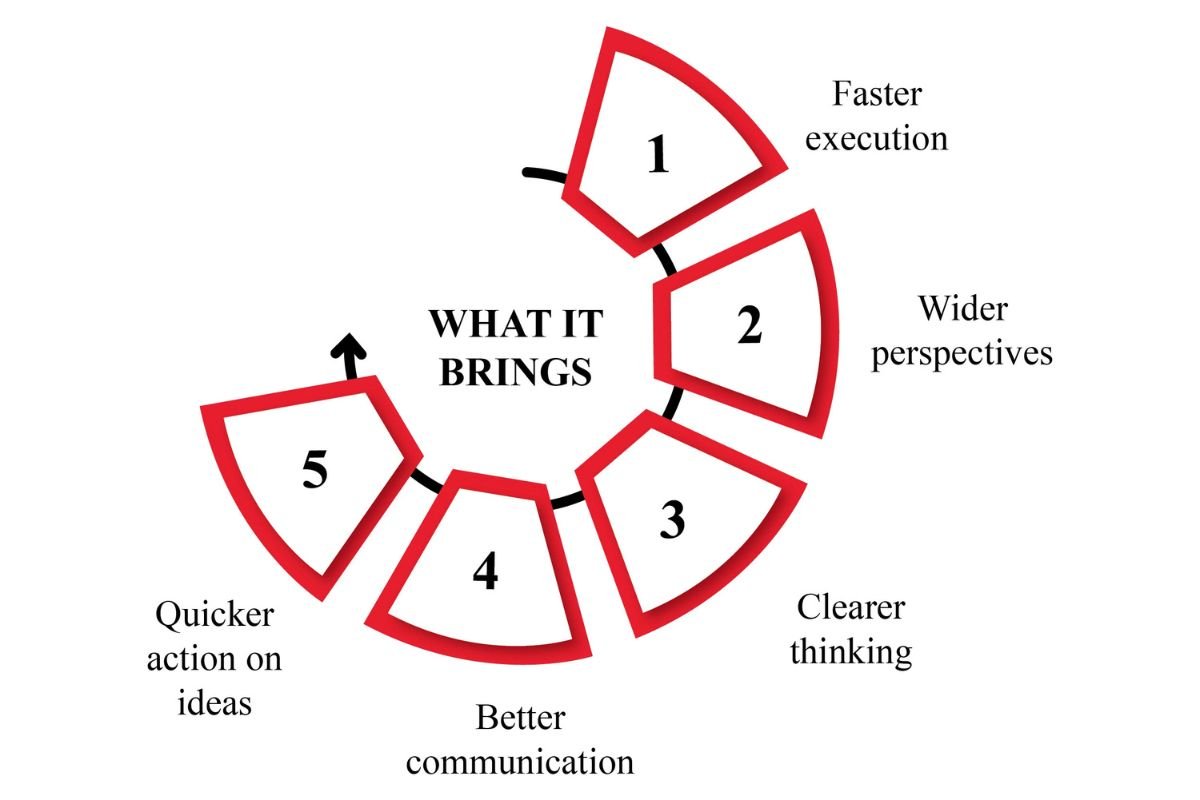
- Faster execution
- Wider perspectives
- Clearer thinking
- Better communication
- Quicker action on ideas

THE LEADERSHIP PRINCIPLE
AI can help explore options and organise complexity, but it does not replace judgment. Values, experience, and ground realities remain at the centre of every decision.
AMCHA GHAR 2.0 | LOOKING AHEAD
The aim is not simply to use AI, but to help children and teams become responsible users who understand how to work with the technology.
Education & Learning
- High School, Junior College, library and reading initiatives serving Uttan and nearby communities, with a focus on higher education and future-ready learning.
Digital & Innovation
- Smart classrooms, IT facilities, and a Tinker Lab, with plans to strengthen access to AI, technology, and innovation.
Career & Opportunity
- Career guidance, exposure, skill development, scholarships, and higher-education support designed to help young people become confident and employable.
Community Impact
- An SSC Board Examination Centre since 2025, strengthening Amcha Ghar’s role within the wider Uttan community.
Future-Ready Care
- Continuing to strengthen safety, dignity, development, and family-like care through stronger child-care systems.
The Next Generation
- Preparing Amcha Ghar’s daughters to become mentors, ambassadors, and future leaders who can carry the mission forward.
THE BIGGER VISION
Building an institution that grows beyond its founder, equipping children for independent futures and carrying its mission sustainably across generations.
Partnerships That Build Possibility
Amcha Ghar 2.0 will need partnerships that bring more than funding. Agatha sees the next phase as an opportunity to work with universities, technology partners, healthcare institutions, career mentors, skill-development organisations, professionals, and long-term CSR partners who can open new opportunities for children.
The organisation also plans to strengthen its internal foundation through better data systems, impact measurement, governance, leadership development, diversified fundraising, and succession planning.
Priority areas include child-care infrastructure, higher education, AI and technology, employability, healthcare, leadership, and institutional capacity building. The aim is to build long-term relationships where organisations become partners in transformation, rather than simply donors to a project.
Amcha Ghar also hopes to grow into a collaborative platform where business, education, civil society, and community leadership can work together towards lasting social impact.
The challenge is to professionalise without becoming impersonal. Systems should become stronger without losing the human connection that makes a child feel, “This is my home, and someone here genuinely knows me.”
Building What Can Continue Beyond Her
As Amcha Ghar enters its fourth decade, Agatha’s focus is shifting from building the organisation around a founder-led model to building an institution that can carry its mission forward for generations.
Through Amcha Ghar 2.0, the organisation is placing greater emphasis on succession, technology, measurable outcomes, leadership development, sustainability, future-ready skills, and the growing role of its senior daughters.
The priority is no longer simply to expand its physical presence, but to strengthen the systems, partnerships, infrastructure, and future leadership needed to sustain the mission beyond one generation.
Agatha’s own lesson is simple: leadership is not about carrying everything personally. It is about building people, documenting knowledge, creating systems, and preparing successors.
The dream that began in 1996 is therefore moving towards a wider horizon:
From protecting a child,
to educating a community,
to building an institution,
to prepare the next generation to lead.
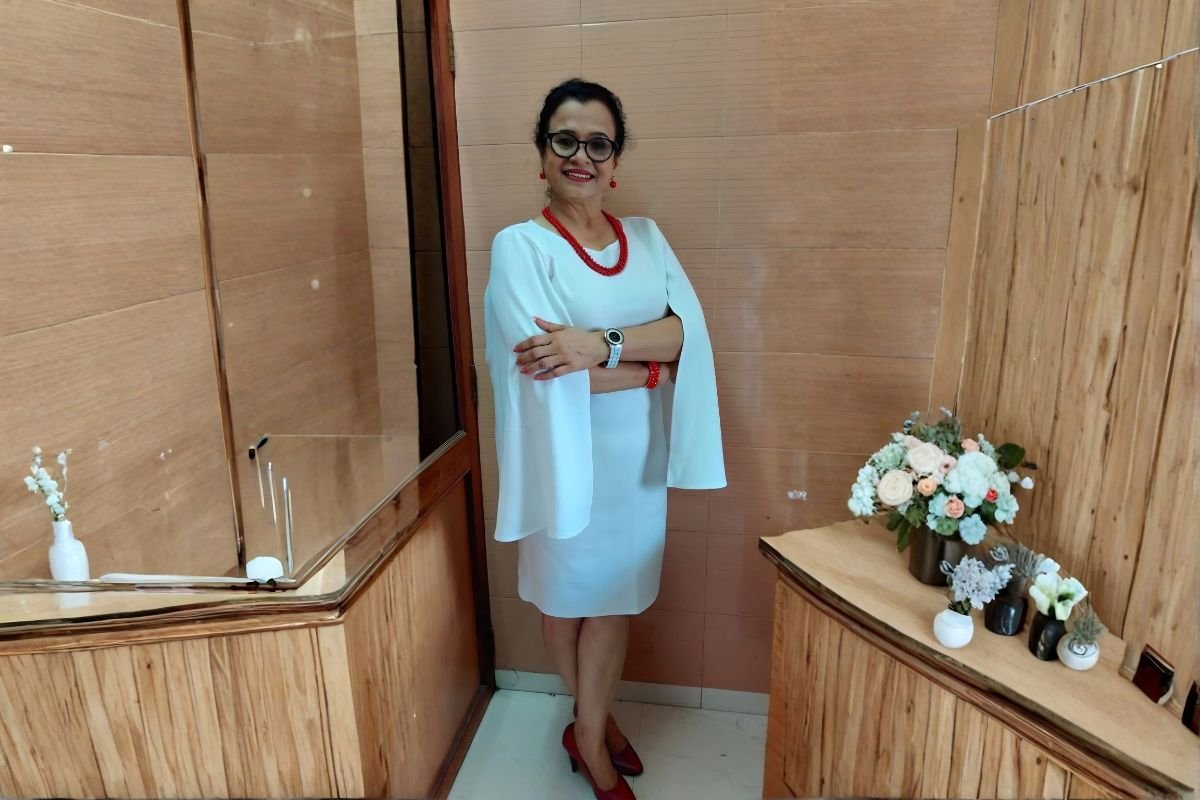
A Note to My Younger Self and the Many Young Agathas
Do not wait to document what life is teaching you.
After losing my husband Anthony, I understood painfully that when a person leaves us, so much of their wisdom can leave with them. That realization was one of the reasons I eventually documented my own journey in my autobiography, Agatha Sushila Dias: If I Can, Anybody Can.
I would also tell myself that leadership is not about carrying everything personally. Build people, document knowledge, create systems, and prepare successors. Today, this lesson is at the heart of Amcha Ghar 2.0. I don’t want Amcha Ghar’s knowledge and values to remain only with me; I want them transferred to our daughters and the next generation of leaders.
30 Years, One Dream, A Larger Future
“Thirty years ago, we started with a dream of giving vulnerable children a home filled with love, dignity, and opportunity. Today, as Amcha Ghar completes 30 years, my dream has grown larger. Amcha Ghar 2.0 is about ensuring that this mission continues beyond us—stronger, more sustainable, and ready for the next generation. My greatest reward will always be seeing our daughters and students become independent, compassionate human beings who, in turn, create a better tomorrow for someone else.”
— Agatha Sushila Dias
Success Code
My success code can perhaps be summed up by the title of my autobiography: If I Can, Anybody Can. I believe our beginnings need not determine our destination. Serve with integrity, lead with grace, and live with gratitude. Difficulties will come, but I have learned to treat them as part of the journey rather than the end of it. I try to live one day at a time and give that day my best. Thirty years later, those individual days have become Amcha Ghar. For me, success is not simply what you achieve for yourself; it is what becomes possible for others because you chose not to give up.