
The journey of education in India owes much of its progress to visionary women who broke barriers, challenged the norm, and redefined the learning landscape. These Indian female educationists not only fought social prejudices but also built institutions, launched path-breaking reforms, and nurtured generations of change-makers.
In a country with deeply rooted traditional systems, their courage to educate and empower has created a ripple effect, transforming communities and influencing national policies. This blog pays tribute to 10 remarkable Indian female educationists whose contributions continue to inspire and educate millions.
10 Indian Female Educationists Who Shaped Different Eras of Education
Here are the Top 10 Indian Female Educationists and their era, key contributions, and the recognition they received for shaping education and social change in India.
| Sr. No | Name | Era | Major Contribution | Recognition |
| 1. | Savitribai Phule | 19th century | Girls’ education and social reform | Pioneer of women’s education |
| 2. | Pandita Ramabai Saraswati | 19th century | Women’s education and social reform | “Pandita” title; Pioneer of women’s education |
| 3. | Rukmini Devi Arundale | 20th century | Arts-based education and Kalakshetra | Padma Bhushan1956 |
| 4. | Begum Rokeya | Early 20th century | Muslim girls’ education | Major educational reformer |
| 5. | Dr. Kiran Bedi | Late 20th century | Prison education and rehabilitation | Ramon Magsaysay Award |
| 6. | Dr. Sunitha Krishnan | Contemporary | Rehabilitation & Education | Padma Shri, 2016 |
| 7. | Dr. Swati Popat Vats | Contemporary | Early childhood education | Education-sector leadership |
| 8. | Smita Deorah | Contemporary | EdTech and School transformation | LEAD Group recognition |
| 9. | Dr. Rukmini Banerji | Contemporary | Foundational learning learning outcomes | Yidan Prize 2021, Maulana Abul Kalam Azad Shiksha Puraskar, 2008 |
| 10. | Prof. Mangala Kapoor | Contemporary | Indian classical music education and preservation. | Padma Shri 2026 – Literature & Education |
From girls’ education rights and women’s empowerment to arts, early learning, EdTech, and data-driven education, these 10 women have shaped different aspects of India’s education system.
Their contributions reflect the diverse ways women have influenced the country’s educational journey through different platforms.
Education and Women’s Empowerment
1. Savitribai Phule
- Born: 3 January 1831
- Origin: Naigaon, Satara, Maharashtra
- Education: Educated by Jyotirao Phule; later trained at Normal School
- Role: Teacher, educationist, social reformer, and poet
Savitribai Phule entered education when girls were rarely encouraged to study, but her own education became the beginning of a much larger reform. After training as a teacher, she and Jyotirao Phule opened a girls’ school in Pune in 1848.
Her work faced fierce social hostility; people mocked her, threw stones, cow dung, and other objects at her, but she continued teaching girls and later helped establish more schools. She became one of the most recognised pioneers of women’s education in India.
2. Pandita Ramabai Saraswati
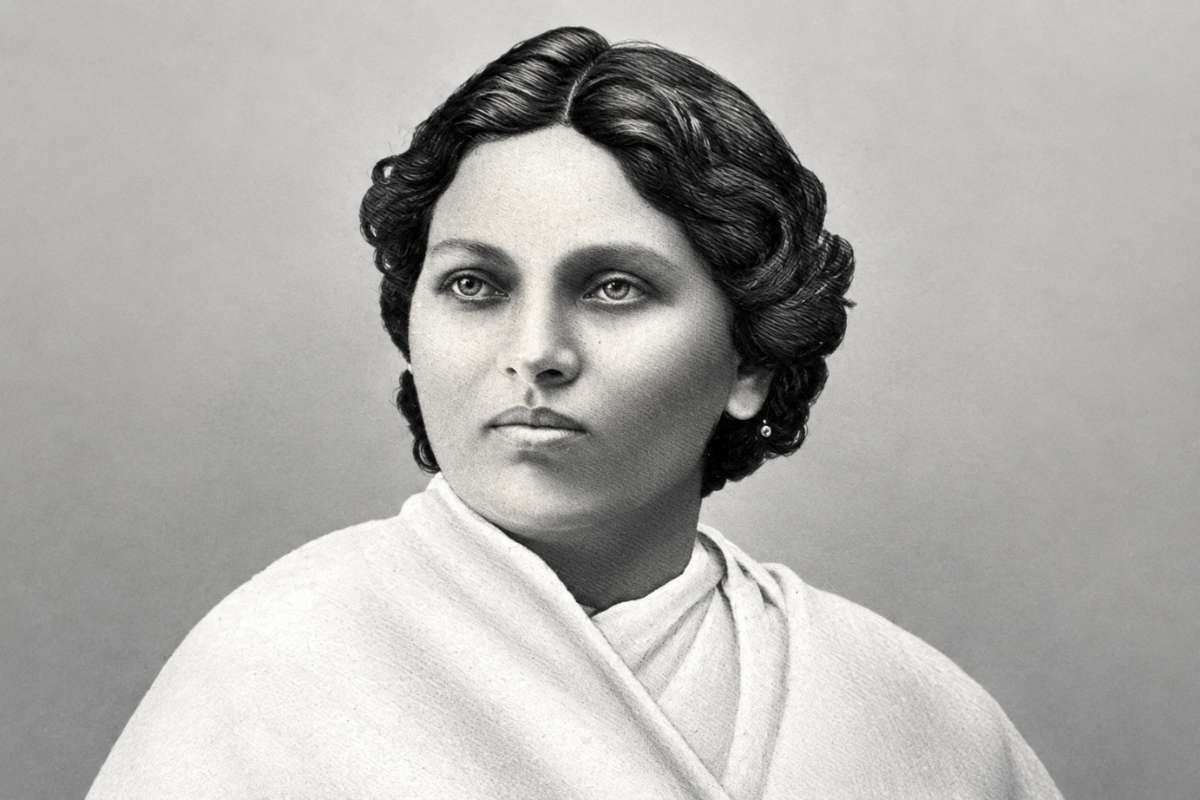
- Born: 23 April 1858
- Origin: Gangamul, near Mangalore, in the erstwhile Madras Presidency (present-day Karnataka).
- Education: Sanskrit education from her parents
- Role: Educationist, social reformer, and advocate for women’s rights
Pandita Ramabai grew up in a period when women were largely denied formal education, yet her father taught her Sanskrit despite opposition from orthodox society.
After losing her parents and later her husband, she dedicated her life to improving the lives of women, establishing institutions such as Sharada Sadan to provide education, vocational training, and independence to widows and other women.
3. Begum Rokeya
- Born: 1880
- Origin: Pairaband, Rangpur, British India (now in Bangladesh)
- Education: Learned Bengali and English privately
- Role: Educationist, writer, and social reformer
Begum Rokeya, though born in what is now Bangladesh, is counted in the list of Indian female educationists due to her monumental influence on Muslim women’s education during British India.
Begum Rokeya knew the struggle for girls’ education personally: her conservative father did not allow her to attend school, so she learned Bengali from her sister and English from her brother. She later turned that denied opportunity into action, founding Sakhawat Memorial Girls’ School in 1911 with just nine students.
Rokeya broke barriers by writing in Bengali and English, advocating women’s rights in journals like “Sultana’s Dream.” The school created formal educational opportunities for girls and was eventually taken over by the Government of Bengal in 1935.
Art and Culture Into Education
4. Rukmini Devi Arundale
- Born: 29 February 1904
- Origin: Madurai, Tamil Nadu
- Education/Background: Raised in the Theosophical Society environment at Adyar
- Role: Educationist, cultural reformer and founder of Kalakshetra
Rukmini Devi Arundale carved a unique path among the Indian female educationists who bridged classical arts and modern education. She entered Bharatanatyam, an art form surrounded by social and caste prejudices at the time.
Rather than simply performing it, she built an institution around its teaching and founded Kalakshetra in 1936. She developed systematic education in dance, music, and the arts for young learners, helping give Indian classical arts a formal educational space.
Learn More: Top Women Scientists in India: 10 Names Redefining Modern STEM
Education Beyond the Traditional Classroom
5. Dr. Kiran Bedi
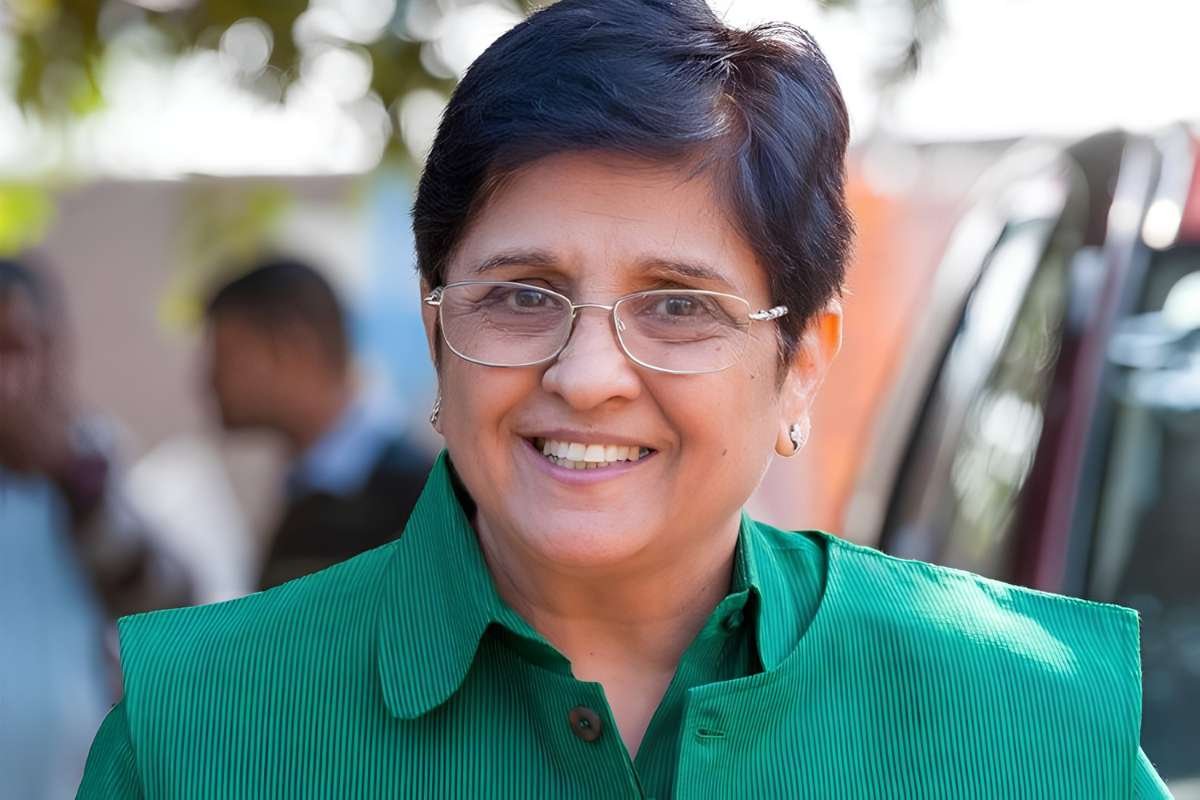
- Born: 9 June 1949
- Origin: Amritsar, Punjab
- Education: Degrees in English, Political Science and Law; PhD in Social Sciences
- Role: Former IPS officer, prison administrator and social reformer
When Kiran Bedi took charge of Tihar Prison in 1993, inmates lacked basic facilities and educational opportunities. She introduced literacy programmes, vocational training and a nursery school for children of incarcerated mothers, promoting rehabilitation through education and skills.
She also launched the Navjyoti India Foundation, reflecting her belief that knowledge can give even offenders a second chance. Her prison reforms earned her the Ramon Magsaysay Award in 1994.
She often describes this mindset as “constructive discontent,” the refusal to accept limitations or circumstances as the final word. This mindset makes her an influential leader because she encourages people to rise above their circumstances.
6. Dr. Sunitha Krishnan
- Born: 1972
- Origin: Bengaluru, Karnataka
- Education: Social work background
- Role: Human-rights activist and founding member of Prajwala
Dr. Sunitha Krishnan’s impact on education emerges from her tireless work with trafficking survivors. Sunitha Krishnan’s personal experience of sexual assault became a driving force behind her work with vulnerable women and children. In 1996.
As the co-founder of Prajwala, she offers more than shelter; she offers holistic education. Many don’t realize that her schools are tailored for trauma-affected children, with integrated counseling, arts, and vocational training.
Among Indian female educationists, she is a rare blend of activist, academic, and curriculum innovator.
7. Dr. Swati Popat Vats
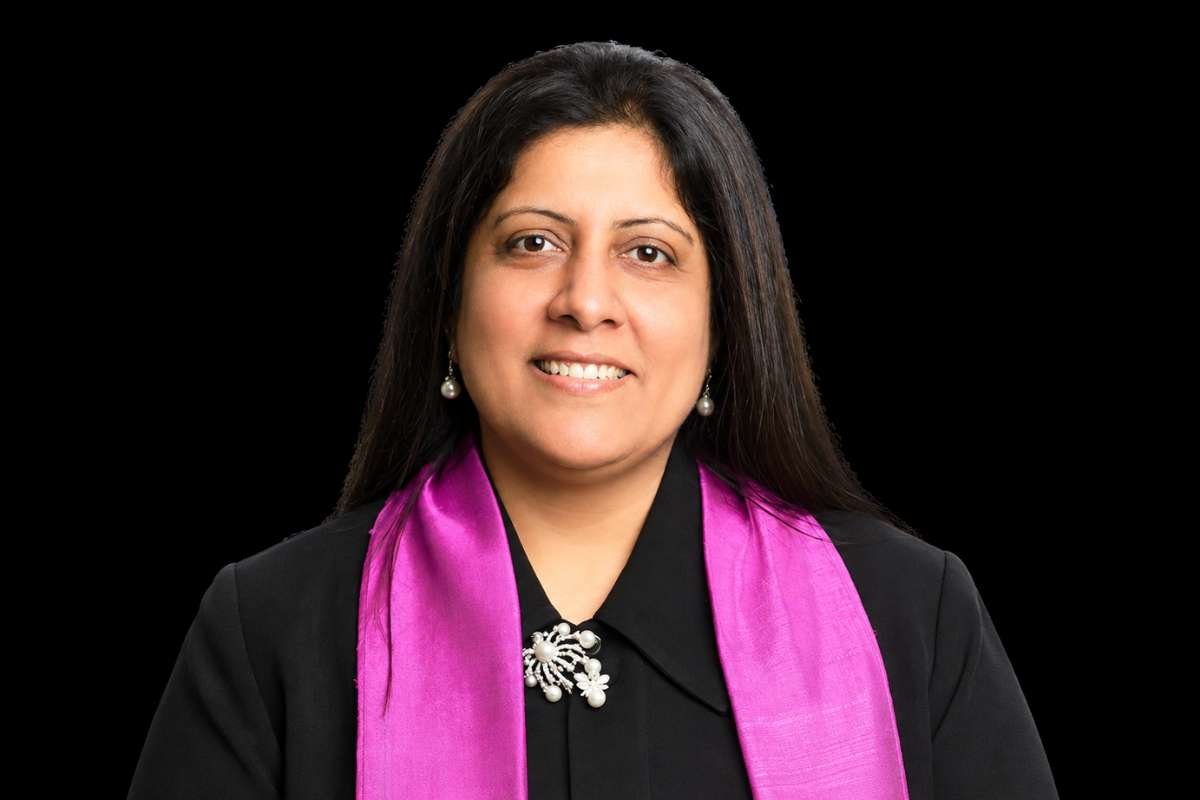
- Origin: Mumbai, India
- Education: Specialist in early childhood education
- Role: President, Podar Education Network; Founder Director, Podar Jumbo Kids and Podar Prep
Dr. Swati Popat Vats stands at the forefront of early childhood education in India. What differentiates her work is her advocacy for neuroscience-based learning methods through her organization, Podar Jumbo Kids.
She also campaigns against rote learning, calling for joyful classrooms and parental involvement. Among Indian female educationists, her voice is pivotal in policy consultations and educator training nationwide. Her ideology is
‘We need to move away from compliance and take teachers into the real meaning of teaching’.
EdTech, Data and Modern Learning
8. Smita Deorah
- Origin: India
- Role: Co-Founder and Co-CEO, LEAD Group
Smita Deorah’s journey into education began with her work at Anganwadis in Mumbai, where she noticed gaps in resources and teacher support. Through her non-profit Sparsh, she introduced a “pre-school in a box” model across 16 Anganwadis to improve early learning.
Smita Deorah and Sumeet Mehta started with a 14-student school in rural Gujarat in 2012 and built LEAD around curriculum, teacher training, assessment, and technology. Reflecting Deorah’s vision of
Smita Deorah’s work with LEAD reflects several principles emphasised by NEP 2020, including skill-based learning, teacher development, technology, and a shift beyond rote learning
9. Rukmini Banerji
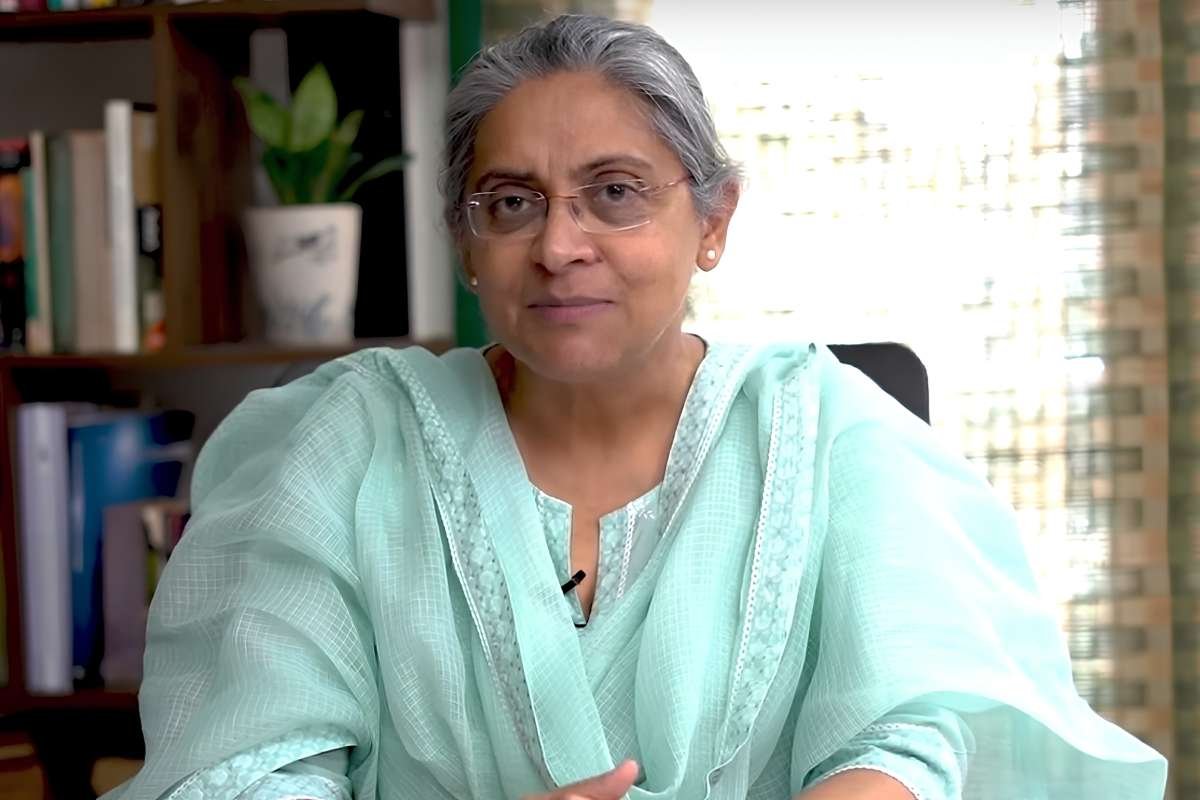
- Origin: Bihar
- Education: St. Stephen’s College, Delhi School of Economics, Oxford University and University of Chicago
- Role: Senior Advisor, Pratham Education Foundation; former CEO
As the CEO of Pratham, Rukmini Banerji is widely recognized as a data-driven educationist. But what many do not know is her early work as a field volunteer in Bihar and Uttar Pradesh, where she manually surveyed villages to understand why children weren’t learning.
She confronted a different education problem: children were entering school, but many were still struggling with basic reading and arithmetic. She sees another opportunity through technology. She believes AI could help teachers provide “differentiated instruction” while keeping human teaching at the centre. Her larger vision is that children should have the freedom to
Her work with Pratham helped develop the Annual Status of Education Report (ASER). Since 2005, ASER has tracked children’s schooling and learning levels across rural India, providing evidence for education policy and planning.
She is one of the few Indian female educationists combining pedagogy with rigorous statistical insight to drive systemic change.
Music Education and Academic Learning
10. Prof. Mangala Kapoor
- Born: 15 January 1954
- Origin: Varanasi, Uttar Pradesh
- Education: M.Mus. (Gold Medal) and Ph.D. in Music, Banaras Hindu University
- Role: Classical vocalist, musicologist, academician and music educator
Prof. Mangala Kapoor built her career around music education, research, and the preservation of Indian classical traditions. She served at Banaras Hindu University for more than 30 years and retired in 2019 as Professor and Head of the Department of Music, contributing to teaching, curriculum development, research, and academic administration.
She later founded the Prof. Mangala Kapoor Foundation, which provides free music education to economically disadvantaged and differently-abled individuals, extending her work beyond the university classroom.
Prof. Mangala Kapoor, a musicologist, academician, and educator, received the Padma Shri 2026 in Literature and Education; her contributions also include five books on music and work towards documenting and disseminating Indian classical music traditions.
More Info: 7 Leadership Lessons Business Viewpoint Magazine Learned from India’s Top Women Leaders
Conclusion
The legacy of Indian female educationists is a testament to the power of vision, resilience, and compassion. Their collective journey is not just about teaching; it’s about rebuilding the nation through education. As India continues to evolve as a global knowledge powerhouse, it is these women, both celebrated and unsung, who have laid the foundation for an enlightened, inclusive, and empowered future.
Let us celebrate them not just in history books but in ongoing policy, classroom reforms, and by encouraging the next generation of educators to follow in their footsteps.
Frequently Asked Questions
1. Who are the most influential female educationists in India today?
Rukmini Banerji, Smita Deorah, and Swati Popat Vats are among the notable women shaping learning, EdTech, and early childhood education in India today.
2. Who was the first female teacher in India?
Savitribai Phule is widely recognised as one of India’s first female teachers and a pioneer of girls’ education.
3. Why are female educationists important in India?
Indian Female educationists have expanded access to education, challenged social barriers, and inspired generations of girls to pursue learning and leadership.
4. How have women changed the Indian education system?
Women have transformed Indian education through girls’ schooling, social reform, arts education, learning assessment, rehabilitation, and modern EdTech.
Links & Sources:
- https://kalakshetra.in/the-founder/? https://theenterpriseworld.com/kiran-bedi-bharat-2-0-conclave/
- https://tallbergfoundation.org/participant/sunitha-krishnan/?
- https://www.podarinstitute.com/message_drswatipopatvats
- https://leadschool.in/blog
- https://www.pratham.org/2019/05/21/dr-rukmini-banerji-3/?
- https://pratham.org/aser-2026/
- https://leadschool.in/blog/early-influences-shaping-values
- https://www.pratham.org/2019/02/10/maulana-abul-kalam-azad-shiksha-puraskar-govt-of-bihar-to-rukmini-banerji-2008