

The pharmaceutical industry operates at a unique intersection of science, regulation, and human impact where every decision ultimately touches the life of a patient. In an era defined by rapidly evolving regulatory expectations, digital transformation, and the constant demand for both speed and uncompromising quality, leadership in quality and compliance has never mattered more. Few embody this responsibility as deeply as Mr. Vipul Doshi, Chief Quality and Compliance Officer at Zydus Lifesciences Ltd. With more than four decades in the pharmaceutical industry, he has built his career not merely on enforcing compliance, but on redefining what quality means for the business and the people it serves.
His journey spans Operations, R&D, Regulatory Affairs, Pharmacovigilance, and Quality, giving him a rare, end-to-end perspective that shapes his leadership philosophy. What sets him apart is his conviction that quality is not a department or a checklist, it is a shared mindset and a cultural responsibility owned by every employee. From leading the remediation of FDA Warning Letter sites to championing risk-based, quality-culture-driven approaches, he has consistently challenged conventional thinking and delivered lasting impact. At a time when the industry must protect patient trust while enabling innovation, speed, and growth, his voice offers both credibility and clarity grounded in experience, guided by integrity, and always anchored to the patient behind every product.
From Checklist to Culture, Unlearning Quality as Mere Compliance
When compliance risks becoming a tick-box exercise, Vipul believes quality leaders must deliberately unlearn old assumptions. Early in his career, he associated quality success with complete records, strict adherence to procedures, and constant inspection readiness. However, he realised compliance alone cannot guarantee quality or business success. He consciously unlearned the belief that quality revolves solely around compliance, documentation, and passing audits. While these remain important, he views quality as more than a control function, helping businesses make better decisions, identify risks early, improve processes, and build lasting trust with patients, customers, and regulators.
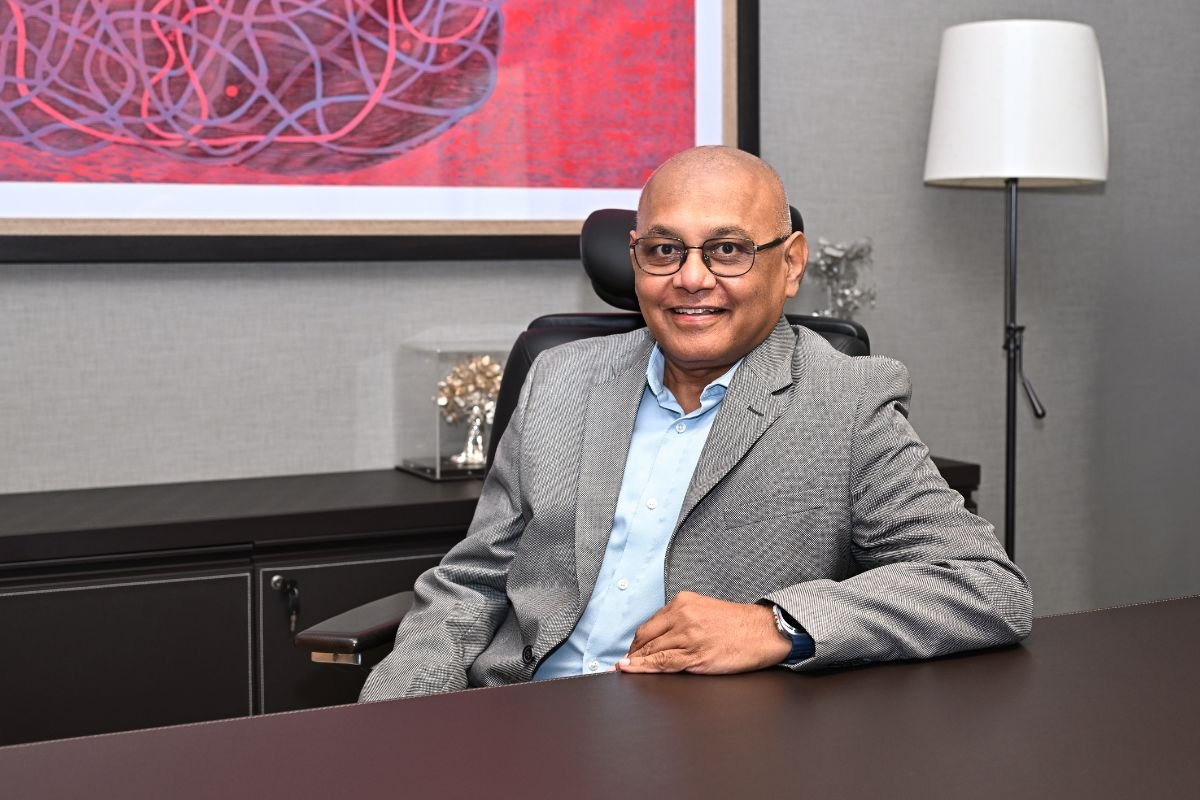
This shift changed the question he asks: instead of merely wondering whether the organisation is compliant, he prefers to ask whether it is doing the right thing to consistently deliver safe, effective, and reliable products. The same shift reshaped how he approaches audits, investigations, and quality discussions. Rather than fixating only on deviations or procedural gaps, he now tries to understand the bigger picture why an issue occurred, what systemic risks exist, and how to prevent it from happening again. For him, the most powerful insight is that when quality becomes part of an organisation’s culture, compliance naturally follows.
Speed and Quality, Partners, Not Opponents
The tension between speed and quality, according to Vipul, is often misunderstood because people treat them as competing priorities. In many organisations, aggressive timelines make quality look like a drag on progress, while quality teams sometimes assume that caution means piling on more reviews, checks, and documentation. He believes neither approach works. In his view, speed and quality are not opposites, because poor quality is actually one of the biggest causes of delay. Deviations, investigations, batch rejections, rework, complaints, and regulatory observations consume far more time and resources than simply doing things right the first time.
In practice, Vipul focuses on building quality into processes rather than inspecting it at the end, emphasising critical risks, process simplification, data-driven decisions, and clear priorities based on patient impact and business risk rather than equal urgency. During investigations and change controls, he prioritises root cause identification and effective actions over excessive, low-value documentation to resolve issues thoroughly and efficiently. He believes high-performing organisations rely on robust processes, strong quality culture, and empowered teams, where well-designed systems and risk awareness enable speed without compromising quality. For him, speed results from operational excellence rather than cutting corners, and quality and speed should work together to meet patients’ expectations.
From Gatekeeper to Enabler, A Contrarian Bet on Quality Culture
One contrarian quality decision that Vipul championed was his belief that quality should not act as a gatekeeper to the business but as an enabler of it. Traditionally, quality functions were seen as the final checkpoint, focused on identifying deficiencies, approving documents, and adding controls. While controls matter, excessive oversight can create complexity, slow decision-making, and discourage ownership within operational teams. Instead, he advocated for a risk-based, quality-culture-driven approach where responsibility is shared across Manufacturing, R&D, Supply Chain, Engineering, and Quality. Through initiatives like QUEST, process simplification, Daily Dialogue, Speak Up culture, and cross-functional collaboration, the focus shifted to building quality into processes rather than inspecting it afterward.
Initially challenging the conventional mindset that more procedures and reviews lead to better compliance, this approach improved employee engagement, quality ownership, proactive risk management, inspection readiness, and continuous improvement. He learned that sustainable compliance comes from culture rather than additional checkpoints, where employees understand requirements, feel empowered to raise concerns, and make responsible decisions even when unobserved. Transforming quality from a policing function into a business partner and culture driver strengthened compliance, operational performance, problem-solving, regulatory confidence, and patient trust, delivering some of his career’s most meaningful and lasting results.
The Weak Signals Leaders Miss Before Small Issues Become Big Risks
Major quality events rarely come as a surprise, according to Vipul. His experience across quality and compliance shows that the biggest risks are often visible long before becoming serious issues but are dismissed because nothing has gone wrong yet. He identifies the acceptance of small issues as “normal” as a warning sign. Remarks like “This happens sometimes” or “We’ve never had a problem because of it” may indicate processes drifting from intended standards. He also monitors recurring minor issues, including delayed investigations, overdue CAPAs, repeated documentation errors, and frequent deviations with slightly different descriptions, which may signal deeper quality risks despite appearing harmless.
Individually, small issues seem manageable, but together they often tell a bigger story, as Vipul Doshi believes the strongest warning signals are behavioural rather than technical, including employees avoiding concerns, hesitating to challenge decisions, or explaining issues instead of fixing them, indicating deeper quality culture problems. Since major quality events often result from overlooked signals rather than unexpected failures, he urges leaders to remain curious about minor trends and ask, “What is this trying to tell us?” before they escalate into audit observations, supply disruptions, or regulatory risks. For him, quality leadership involves recognising weak signals, preventing failures, and identifying opportunities for proactive risk prevention.
How Vipul Leverages Technology in Quality Operations
Vipul views AI and digital technologies as important enablers in quality and compliance operations tools to improve decision-making, enhance efficiency, and proactively manage risks, never as replacements for scientific judgment or quality oversight.
- AI Tools: His toolkit includes TrackWise, MODA, Tableau, integrated QMS dashboards, AI-enabled BMR review, AI-driven quality analytics, and regulatory intelligence tools.
- Primary Use Cases: – AI-enabled Batch Manufacturing Record (BMR) review for faster detection of documentation errors, inconsistencies, and compliance risks; AI-driven quality analytics and regulatory intelligence to track internal quality data, FDA 483s, warning letters, deviations, CAPAs, and complaints; and real-time monitoring of quality metrics, investigations, training compliance, and operational performance.
- Key Benefits: Improved review efficiency, stronger data integrity, and more focus on higher-value assessments; early identification of emerging risks, benchmarking against global regulatory expectations, and preventive actions; and a shift from reactive to predictive quality management identifying patterns, anticipating risks, and preventing issues before they impact product quality or patient safety.
- Impact on Decision-Making: Faster, data-driven decisions with speed, accuracy, and efficiency, helping leadership focus on areas needing attention. Best outcomes come from combining AI, digital tools, scientific expertise, and human judgment where experience, ethics, and a strong quality culture remain essential, sustaining commitment to patient safety, product quality, and regulatory compliance.
The Coming Shift, From Reactive Compliance to Predictive Quality
As regulatory expectations become more data-driven, Vipul sees quality and compliance rapidly moving from a reactive, document-focused model to a predictive and data-driven one. Over the next three to five years, he believes the biggest shift will come from the integration of AI, advanced analytics, and connected digital quality systems. Instead of relying solely on periodic reviews and investigations after an event occurs, organisations will increasingly use real-time data to identify trends, predict risks, and take preventive actions before issues impact patients or regulatory compliance.
He notes that movement in this direction is already visible through electronic quality management systems, automated data review, digital audits, and AI-assisted investigation tools such as AI-assisted BMR review. In his view, the real value is not simply reducing paperwork; it is enabling faster, more informed decisions while maintaining a high level of compliance. Ultimately, he believes the organisations that successfully combine technology with a strong quality culture and human oversight will be best positioned to meet evolving regulatory expectations and improve operational performance.
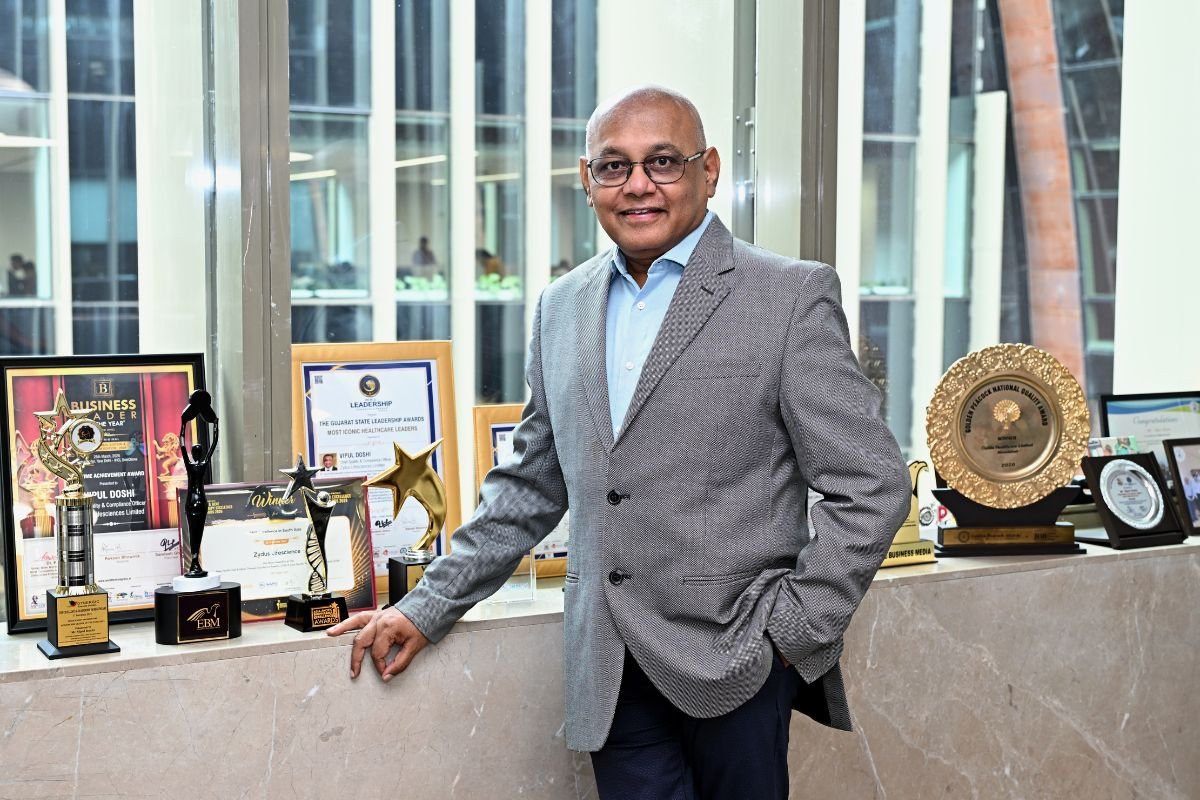
Strategic Partnerships and Acquisitions, Aligning Growth with Long-Term Vision
Strategic partnerships and acquisitions can play an important role in accelerating growth, strengthening capabilities, and expanding global presence, according to Vipul Doshi. The organisation remains open to opportunities that align with its long-term vision and create sustainable value for the business and stakeholders. Its focus is on collaborations that bring complementary technologies, advanced manufacturing capabilities, innovative product portfolios, and access to new markets.
He sees significant potential in areas such as complex generics, biologics, specialty pharmaceuticals, and emerging healthcare technologies, where scientific expertise, operational excellence, and strong quality systems are essential for long-term success. Any potential partnership or acquisition would be assessed carefully for its strategic fit, technological strengths, regulatory compliance, quality standards, and potential to create lasting value. Ultimately, the objective is to build meaningful collaborations that strengthen competitive position, accelerate innovation, and support the commitment to making high-quality, affordable medicines accessible to patients worldwide.
A Quality Culture Owned by Everyone, Zydus’ Potential Benchmark for Pharma
Building a true quality culture where every employee owns quality beyond the Quality function is a Zydus practice Vipul believes could become a benchmark for the wider pharmaceutical industry. While robust systems, procedures, and regulatory compliance remain essential, sustainable quality excellence requires personal accountability across all functions for product quality and patient safety. Through initiatives such as QUEST, Speak Up culture, process simplification programs, and regular management reviews, employees are encouraged to proactively identify risks, suggest improvements, and raise concerns without hesitation, shifting quality from compliance-driven to value-driven.
Employees are empowered to make quality-focused decisions, challenge existing practices, and contribute to continuous improvement regardless of their organisational role or level. This culture is reinforced through leadership engagement, independent quality oversight, risk-based decision-making, and continuous learning from inspections, deviations, and operational experiences, embedding quality into daily behaviours beyond procedures and documentation. As the pharmaceutical industry grows increasingly complex and globalised, Vipul believes organisations fostering ownership, transparency, and accountability can achieve compliance excellence and operational performance. He sees Zydus’ quality culture model as a potential benchmark for the broader pharmaceutical industry.
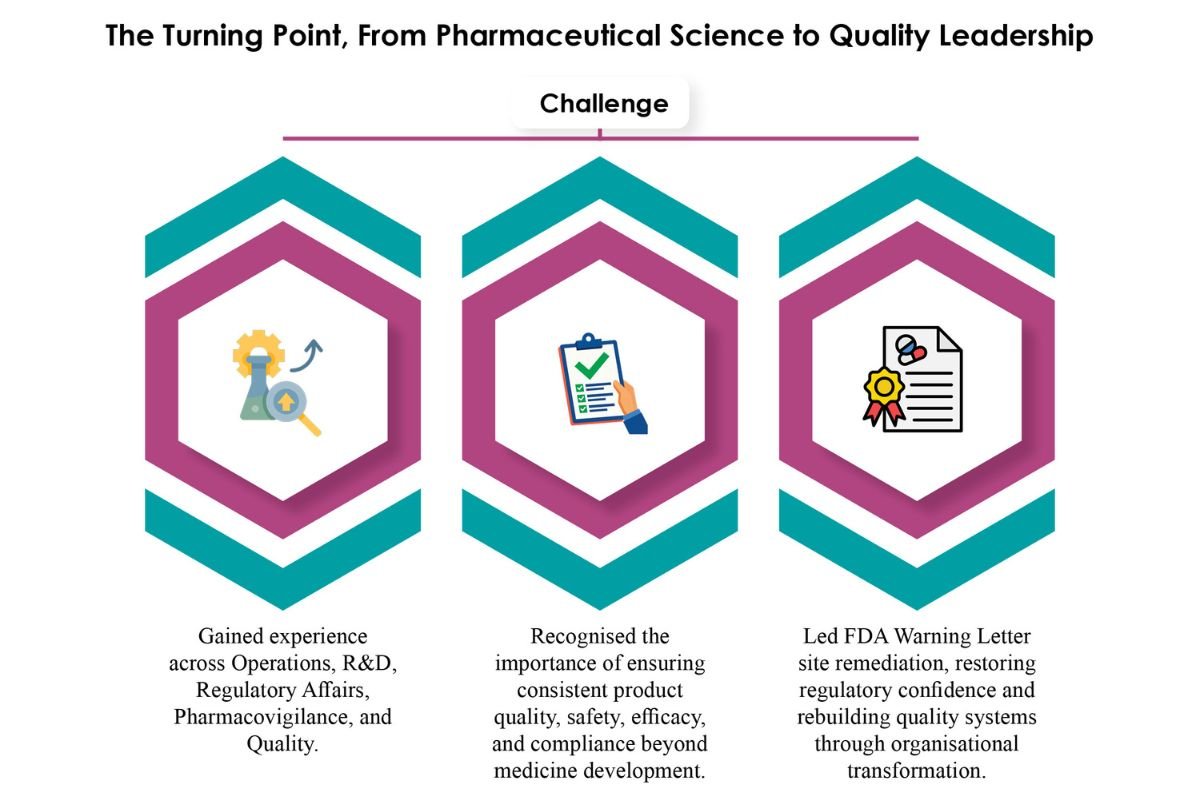
The Turning Point, From Pharmaceutical Science to Quality Leadership
| Part | Details |
| Challenge | Gained experience across Operations, R&D, Regulatory Affairs, Pharmacovigilance, and Quality.Recognised the importance of ensuring consistent product quality, safety, efficacy, and compliance beyond medicine development.Led FDA Warning Letter site remediation, restoring regulatory confidence and rebuilding quality systems through organisational transformation. |
| Action | Shifted from pharmaceutical science and product development to quality leadership.Prioritised quality culture, robust systems, data integrity, and risk-based decision-making over short-term compliance fixes.Strengthened cross-functional accountability, making quality a shared organisational responsibility beyond the Quality function. |
| Outcome | Shaped his leadership philosophy and career trajectory, leading to his role as Chief Quality Officer at Zydus Lifesciences.Over four decades in the pharmaceutical industry, contributed to FDA Warning Letter remediation, quality system maturity, regulatory confidence, and sustainable compliance across global operations.Reinforced a patient-centric approach, embedding quality into culture, decision-making, and everyday operations beyond regulatory requirements. |
Trust Built in Crisis, The Leadership Lesson Quality Teaches
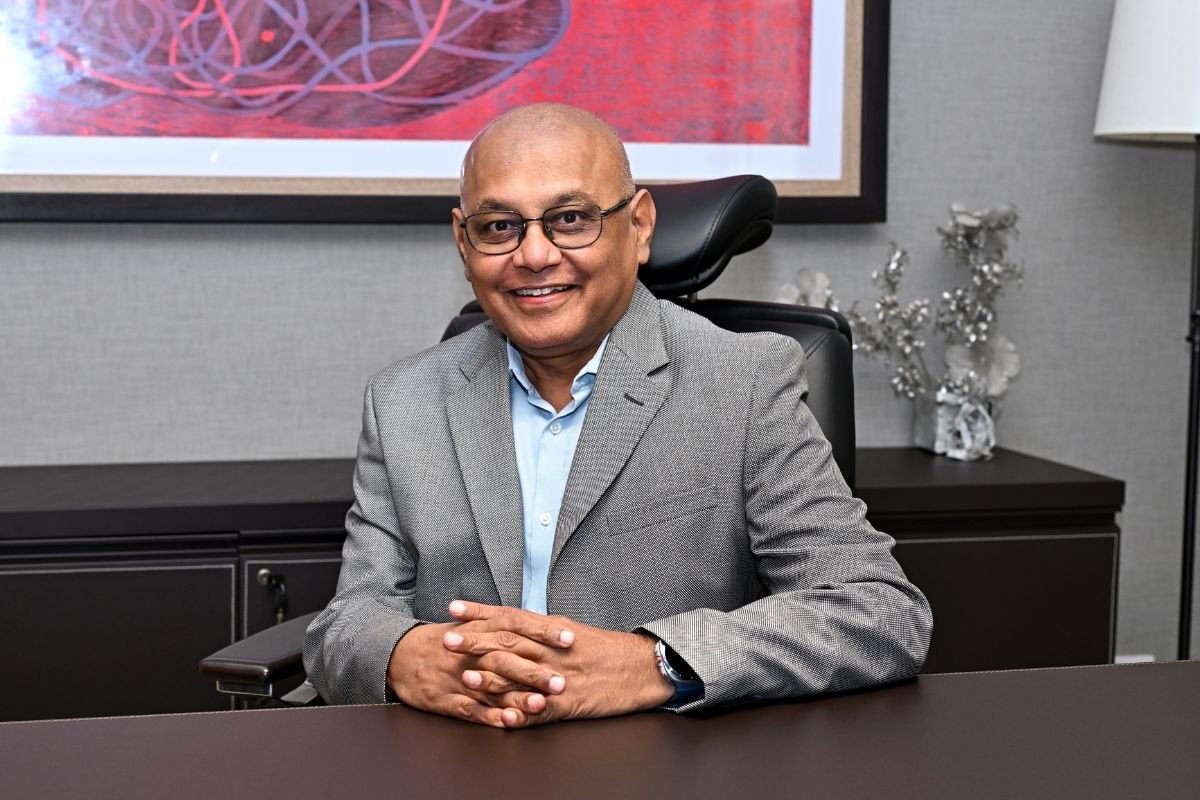
One leadership lesson that quality and compliance has taught Vipul one conventional leadership training rarely addresses is that trust is built during an organisation’s most difficult challenges, rather than when everything runs smoothly. Facing deviations, recalls, regulatory inspections, and unexpected failures, leaders must move beyond assigning blame or seeking quick fixes. He believes sustainable success requires an environment where employees feel comfortable speaking up, reporting issues early, and discussing problems openly without fear. His experience managing complex regulatory challenges reinforces that every quality issue is ultimately a leadership issue. While procedures and systems matter, culture determines behaviour when no one is watching.
The leader’s role is not simply to enforce compliance but to build trust, encourage transparency, and empower teams to make the right decisions under pressure. Conventional leadership programs focus on strategy, performance, and execution, while quality leadership teaches something deeper: the courage to confront uncomfortable truths, the humility to learn from failures, and the discipline to prioritise long-term patient trust over short-term business gains. Ultimately, the most effective leaders are not those who create organisations where mistakes never happen, but those where people identify risks early, speak up confidently, learn continuously, and work together to prevent small issues from becoming larger problems.
| The Success Code: Quality as a Shared Mindset |
| One principle that has guided me throughout my career is that quality is not a department, it is a mindset and a responsibility shared by everyone in an organisation. Over more than four decades in the pharmaceutical industry, I have learned that sustainable success comes from integrity, continuous learning, and the courage to address problems before they become crises. Regulatory compliance is important, but the ultimate goal is earning and maintaining patient trust. I have also learned that challenges and failures are often the best teachers. When supported by strong culture, disciplined execution, and empowered teams, every challenge becomes an opportunity to improve, grow, and create lasting value for patients and society. |
Advice for Emerging Leaders on Trust and Innovation
Never lose sight of the patient behind every product you make. That is Vipul Doshi’s advice to emerging pharmaceutical quality and compliance leaders protecting patient trust while enabling innovation, speed, and business growth. He believes quality should never be a barrier but a partner to innovation, helping businesses move faster through robust processes, intelligent data use, and identifying risks before they become problems. He emphasises investing in people and relationships, as strong systems matter, but culture sustains quality when no one is watching. Leaders should encourage openness, listen to different perspectives, and create an environment where people feel comfortable speaking up.

Finally, he advises them to remain curious and keep learning, as the industry evolves rapidly with digital technologies, AI, advanced therapies, and changing regulatory expectations the leaders who succeed will combine scientific knowledge, business understanding, and human empathy. Most importantly, regulations can be satisfied through compliance, but patient trust is earned through consistent quality, integrity, and doing the right thing even when it is difficult and that trust is the most valuable asset any pharmaceutical company can have.