

India’s metal industry offers opportunities across manufacturing, construction, recycling, and repair services. The country recorded 5.1% growth in manufacturing output in May 2026, while finished steel consumption reached 119.57 million tonnes between April and December 2025, up 7% year on year.
These trends point to potential demand, but success depends on choosing the right niche. These metal business ideas for beginners cover ten options, with estimated investments, revenue models, equipment needs, and practical steps to start.
You will also learn how to assess profitability, meet legal requirements, and manage risks before investing.
Top 10 metal businesses and how to start them:
So, let’s start with 10 metal business ideas for beginners and how you can start them. Here’s what you must know.
1. Scrap metal recycling business
A scrap metal recycling business collects, sorts, grades, and sells discarded metals to recyclers, foundries, and industrial buyers. Common materials include iron, steel, aluminium, copper, and brass.
This model suits entrepreneurs who can build reliable collection and resale networks. Potential sources include construction sites, manufacturing units, workshops, and vehicle repair shops.
How to start:
- Research local scrap prices, storage rules, and waste-handling requirements.
- Identify reliable suppliers and authorised buyers.
- Arrange suitable weighing scales, sorting tools, storage, and transport.
- Compare buying and selling prices before purchasing inventory.
- Maintain records of material grades, weights, purchases, and sales.
Investment and revenue: A small collection and trading operation may require approximately ₹2 lakh to ₹8 lakh. A larger yard with vehicles, handling equipment, and substantial inventory can cost much more.
Revenue comes from reselling collected scrap, while earnings depend on purchase prices, material quality, transport, sorting losses, and selling prices.
Main risk: Metal prices can change quickly. Unsold stock, inaccurate grading, and delayed buyer payments can wipe out narrow trading margins.
2. Metal fabrication business
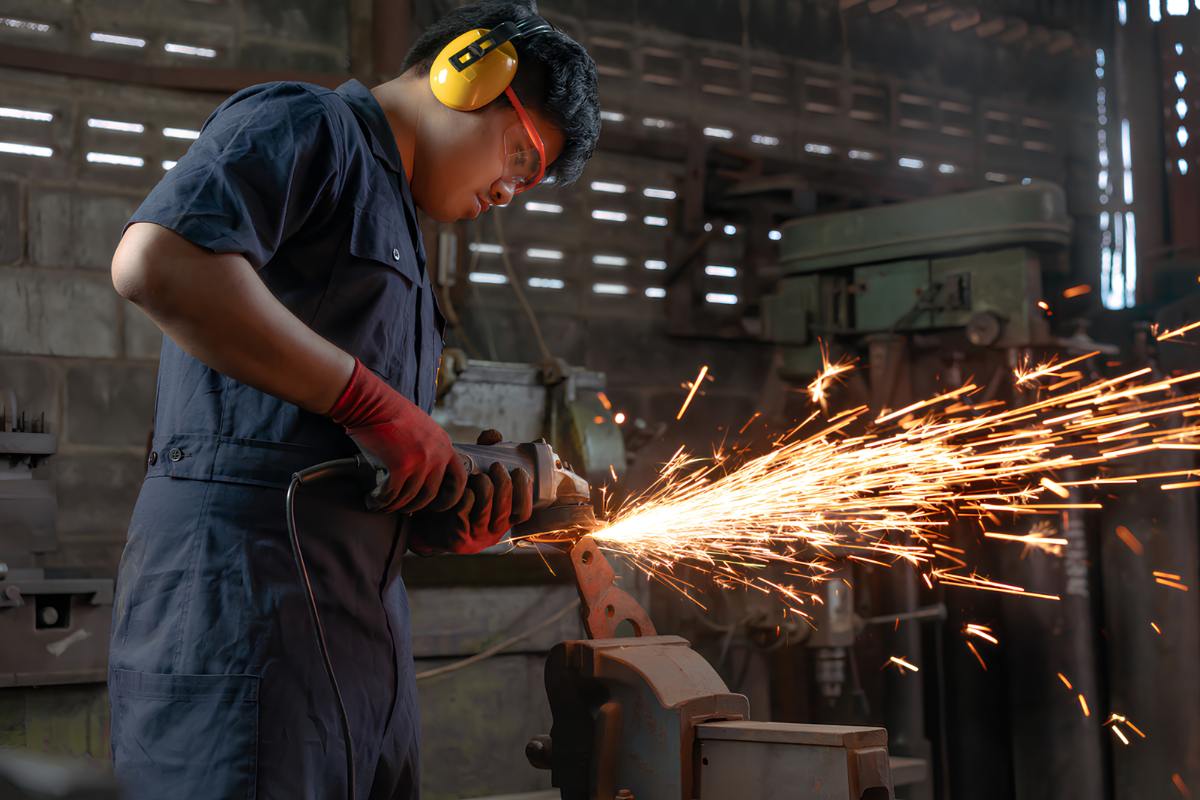
Metal fabrication involves cutting, bending, welding, and assembling metal into products such as gates, railings, frames, brackets, racks, and custom structures.
This is one of the metal business ideas for beginners with welding skills and access to construction or industrial customers. A small workshop can begin with simple jobs and expand into specialised components as demand grows.
How to start:
- Learn welding, measurement, material selection, and technical drawing.
- Set up a workshop with welding machines, cutting tools, clamps, and safety equipment.
- Build a portfolio of sample products and completed projects.
- Approach builders, factories, architects, and maintenance teams.
- Calculate material, labour, consumables, delivery, and overhead costs before quoting.
Investment and revenue: A small workshop may require ₹5 lakh to ₹15 lakh, depending on rent, machinery, and working capital. Revenue can come from custom orders, installation projects, repair jobs, and repeat component supply.
Main risk: Incorrect estimates can leave a workshop busy but unprofitable. Material wastage, rework, labour hours, and late payments require close control.
3. Sheet metal production
Sheet metal production turns flat sheets into components through cutting, bending, punching, stamping, and related processes. Products may include electrical enclosures, ducts, brackets, machine covers, and appliance parts.
This is a more capital-intensive option when the business owns industrial machinery. Beginners can reduce upfront costs by starting with job work and outsourcing specialised processes.
How to start:
- Identify manufacturers that regularly purchase sheet metal components.
- Learn their specifications, tolerances, and inspection requirements.
- Source suitable steel, aluminium, or stainless-steel sheets.
- Obtain machinery only after estimating likely order volumes.
- Establish quality checks and dependable delivery schedules.
Investment and revenue: A small setup may require approximately ₹10 lakh to ₹30 lakh or more. Advanced production units can cost substantially more. Revenue typically comes from per-piece pricing, batch orders, tooling charges, and repeat supply contracts.
Main risk: Expensive equipment must generate enough paid work to justify its purchase, maintenance, and energy costs.
4. Metal jewelry making
Metal jewelry making involves designing and selling rings, pendants, earrings, bracelets, and accessories made from materials such as silver, brass, and copper.
This business suits people with design skills who want to begin from a small workspace. Products can be sold directly to consumers or supplied to retailers.
How to start:
- Learn metalworking, soldering, shaping, and finishing techniques.
- Begin with a small collection and test customer response.
- Source materials from suppliers who can verify composition and quality.
- Sell through online marketplaces, social media, craft fairs, or retail partners.
- Track material weight, labour time, packaging, platform fees, and returns.
Investment and revenue: A small handmade jewelry business may start with ₹50,000 to ₹2 lakh, excluding substantial precious-metal inventory. Revenue can come from individual sales, custom designs, wholesale orders, and limited collections.
Main risk: Unsold designs, returns, platform fees, and metal price changes can reduce earnings. Consistent quality and a distinct design style help build customer trust.
5. Metal engraving business
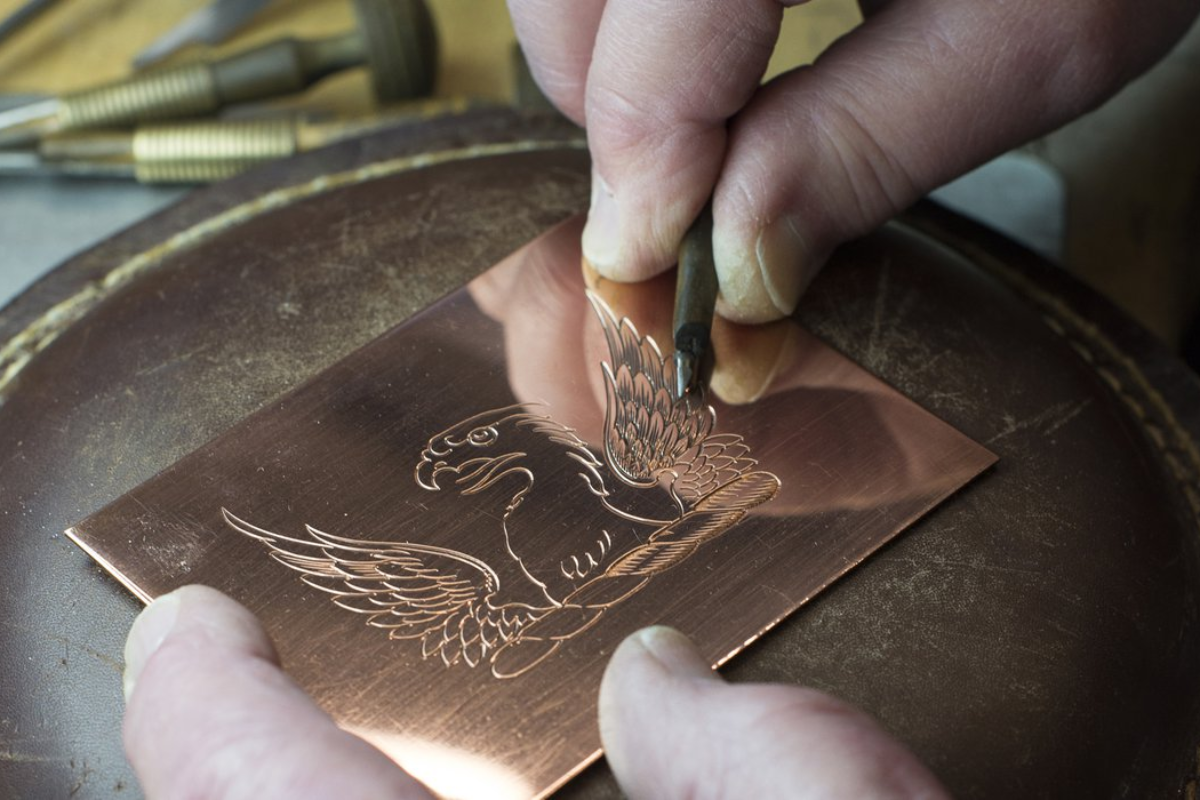
Metal engraving adds names, logos, serial numbers, designs, or other markings to metal products. Customers may include trophy shops, corporate gifting companies, manufacturers, jewelry sellers, and event organisers.
Beginners can start with manual engraving or outsource machine work while testing demand. A laser or CNC machine may be worthwhile once recurring orders justify the cost.
How to start:
- Select a niche, such as industrial marking, personalised gifts, or nameplates.
- Learn design software and material compatibility.
- Compare machines based on marking depth, speed, accuracy, and supported metals.
- Prepare samples for potential customers.
- Offer bulk pricing for repeat orders and corporate work.
Investment and revenue: A basic commercial setup may cost around ₹1 lakh to ₹5 lakh. Industrial-grade equipment can require much more. Revenue comes from per-item charges, batch orders, design fees, and recurring marking contracts.
Main risk: Incorrect machine settings, poor artwork, inconsistent marks, and equipment downtime can cause costly rework. Check laser safety and ventilation needs before installing equipment.
6. Welding and repair services
Welding and repair businesses fix metal gates, railings, machinery parts, frames, agricultural equipment, and industrial structures. Work may take place in a workshop or at the customer’s site.
This is among the metal business ideas for beginners, which suits skilled welders who want to start with essential tools instead of investing in a full production line.
How to start:
- Build welding skills and complete relevant training.
- Purchase suitable welding equipment, cables, tools, and protective gear.
- Define the repair services you can safely provide.
- Approach factories, garages, property managers, contractors, and equipment owners.
- Set a clear process for site inspections, quotations, and customer approvals.
Investment and revenue: A basic mobile service may require approximately ₹1 lakh to ₹4 lakh. A workshop with more equipment and staff may cost ₹4 lakh to ₹10 lakh or more. Revenue comes from labour charges, call-out fees, repair jobs, and maintenance contracts.
Main risk: Travel time, emergency scheduling, safety requirements, and inconsistent demand can affect earnings. Structural and industrial work may require specialised qualifications or inspection.
7. Aluminium door and window manufacturing
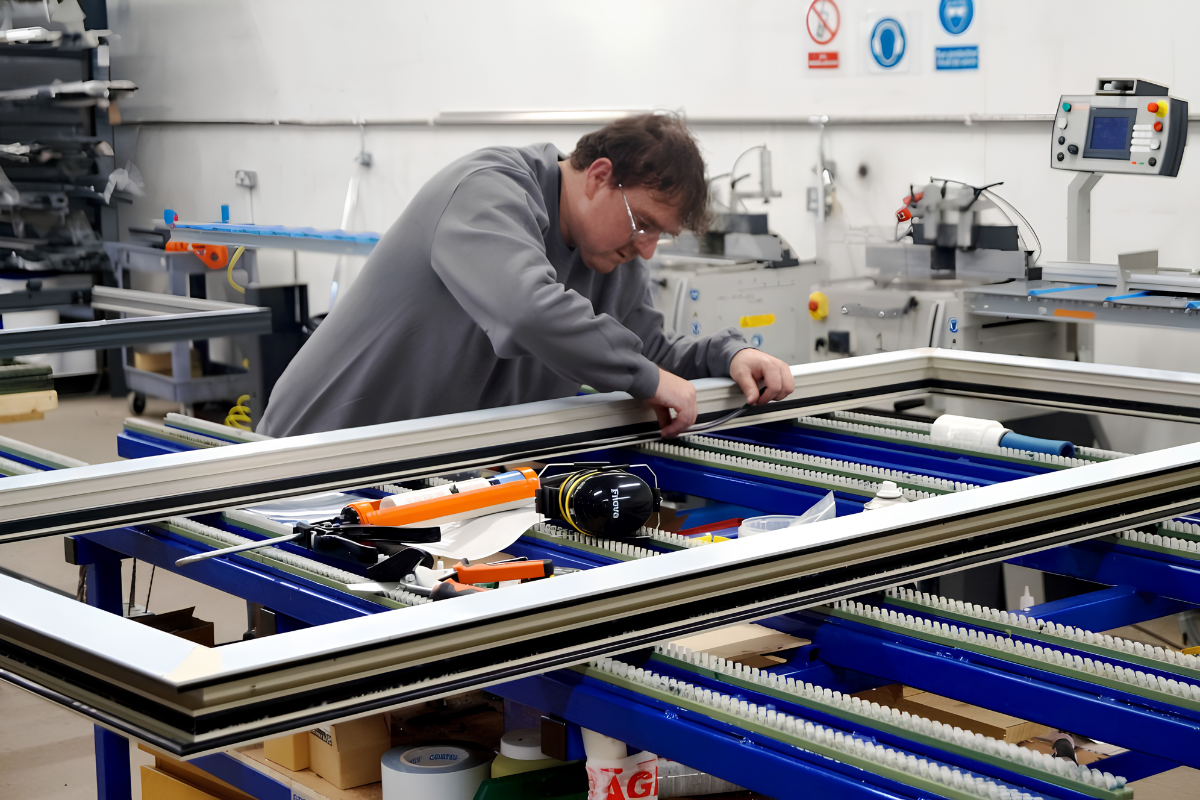
This business fabricates and installs aluminium doors, windows, partitions, and frames for homes, offices, shops, and commercial buildings.
Entrepreneurs can start with measurement, assembly, and installation work, then add machinery as order volumes grow.
How to start:
- Learn measurement and profile calculations.
- Build relationships with aluminium profile, glass, hardware, and sealant suppliers.
- Set up cutting and assembly tools in a suitable workspace.
- Connect with builders, architects, interior designers, and renovation contractors.
- Offer installation, repair, and replacement services alongside new products.
Investment and revenue: A small operation may need ₹3 lakh to ₹10 lakh. A more automated workshop requires additional capital. Revenue comes from project quotations, material supply, installation charges, and repair work.
Main risk: Measurement errors, glass breakage, installation defects, and project delays can increase costs. Payment milestones should match material purchases and installation work.
8. Blacksmithing and custom metal art
Blacksmithing and custom metal art involve producing decorative items, furniture, sculptures, hooks, fixtures, and bespoke accessories. Customers often value unique designs and skilled craftsmanship.
This is one of the metal business ideas for beginners with artistic ability and access to buyers who appreciate custom work.
How to start:
- Learn forging, shaping, joining, and finishing techniques.
- Begin with a small set of practical designs.
- Set up a safe workspace with suitable tools and heat-resistant equipment.
- Photograph completed work and build a portfolio.
- Approach interior designers, home decor shops, hospitality businesses, and direct buyers.
Investment and revenue: A small artisan workshop may require approximately ₹2 lakh to ₹8 lakh. Revenue can come from commissioned work, made-to-order furniture, decor sales, and collaborations with designers.
Main risk: Custom work can take more labour than expected. Estimates must account for materials, finishing, installation, and delivery.
9. Metal roofing business
A metal roofing business supplies, installs, repairs, or maintains roofing systems for warehouses, factories, commercial buildings, and farm structures.
Beginners can focus on installation and repair while sourcing sheets and accessories from established manufacturers or distributors.
How to start:
- Learn roof measurement, material selection, waterproofing, and installation methods.
- Establish supplier relationships for sheets, fasteners, insulation, and accessories.
- Build a trained installation team with suitable fall-protection systems.
- Approach industrial property owners, construction firms, and roofing contractors.
- Prepare quotations that cover materials, labour, equipment, transport, and site conditions.
Investment and revenue: An installation-led business may start with approximately ₹3 lakh to ₹10 lakh, excluding major vehicle purchases and large material inventories. Revenue comes from installation contracts, repairs, maintenance, and material supply.
Main risk: Working at height, weather delays, inaccurate measurements, and poor installation can cause injuries, losses, or costly claims.
10. Metal coating and powder coating services
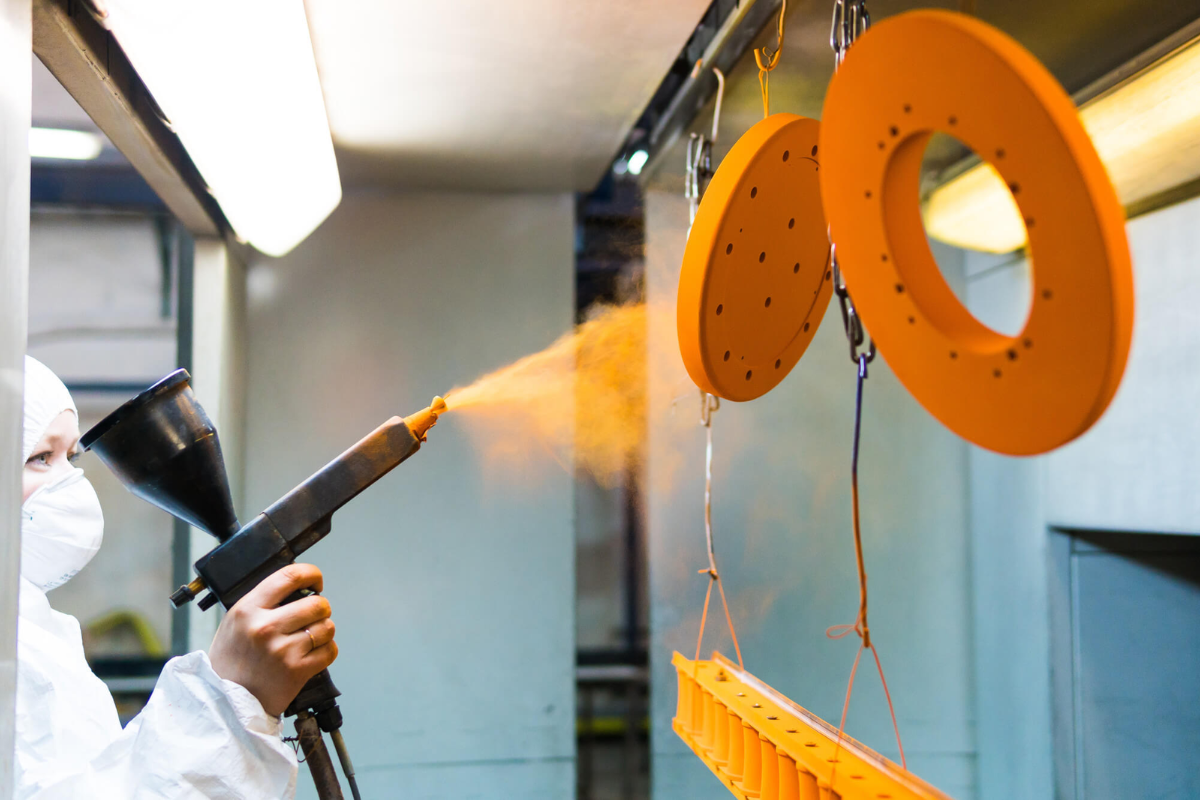
Powder coating applies a dry coating to suitable metal surfaces, which are then cured to form a protective finish. Customers include manufacturers of furniture, equipment, electrical enclosures, and metal fixtures.
This business can attract repeat orders from manufacturers with regular finishing needs. However, it usually requires more space and process control than a basic repair service.
How to start:
- Learn surface preparation, coating application, curing, and quality inspection.
- Identify manufacturers with regular finishing requirements.
- Assess the costs of coating equipment, a curing oven, ventilation, and workspace.
- Establish procedures for colour matching, coating thickness, and defect checks.
- Check environmental, fire safety, and worker protection requirements.
Investment and revenue: A small commercial setup may require approximately ₹8 lakh to ₹25 lakh or more, depending on oven size, automation, workspace, and compliance needs. Revenue typically comes from per-piece charges, batch rates, and recurring industrial contracts.
Main risk: Inconsistent finishes, rejected batches, energy costs, and low equipment utilisation can reduce profitability.
Investment figures in this section are indicative planning estimates for small Indian operations, not verified supplier quotations. Actual costs vary by city, scale, equipment condition, rent, inventory, compliance needs, and working capital. Obtain current quotations before investing.
Comparison of metal business ideas by investment and complexity
The best metal business ideas for beginners are not always those with the lowest equipment costs.
| Business idea | Startup investment | Equipment costs* | Skill requirements | Target customers | Revenue model | Complexity |
| Scrap metal recycling | ₹2–8 lakh | ₹50,000–₹2 lakh | Grading, buying, sales | Workshops, recyclers, factories | Resale margin | Medium |
| Metal fabrication | ₹5–15 lakh | ₹2–7 lakh | Welding, measurement, design | Builders, factories, households | Custom jobs, contracts | Medium -high |
| Sheet metal production | ₹10–30 lakh+ | ₹5–20 lakh+ | Machine operation, quality control | Component makers, manufacturers | Per-piece and batch orders | High |
| Metal jewelry making | ₹50,000–₹2 lakh | ₹15,000–₹75,000 | Design, finishing, craftsmanship | Consumers, retailers | Direct sales, wholesale | Low -medium |
| Metal engraving | ₹1–5 lakh | ₹50,000–₹3 lakh | Design software, machine operation | Gift shops, manufacturers | Per item, bulk orders | Low -medium |
| Welding and repair | ₹1–4 lakh for mobile work | ₹40,000–₹1.5 lakh | Welding, troubleshooting | Factories, garages, property owners | Labour, call-out fees | Medium |
| Aluminium doors and windows | ₹3–10 lakh | ₹1–4 lakh | Measurement, assembly, installation | Builders, homeowners | Project and installation fees | Medium |
| Blacksmithing and metal art | ₹2–8 lakh | ₹50,000–₹3 lakh | Forging, design, finishing | Designers, retailers, consumers | Custom commissions, product sales | Medium -high |
| Metal roofing | ₹3–10 lakh for installation-led work | ₹50,000–₹2 lakh | Measurement, roofing, site safety | Contractors, factories, property owners | Installation and repair contracts | Medium -high |
| Powder coating | ₹8–25 lakh+ | ₹4–15 lakh+ | Surface preparation, coating, quality control | Manufacturers, furniture makers | Per-piece and batch charges | High |
Equipment costs are indicative parts of total startup investment, not additional amounts. They may exclude installation, taxes, rent deposits, vehicles, and specialised compliance costs. Actual totals may exceed these ranges.
Use this comparison to shortlist two or three options. Then validate their costs with local suppliers and customers. Compare the cost of owning machinery with renting it or outsourcing specialist processes.
How much does it cost to start a metal business?
The total investment depends on what you sell, how you produce it, and how long customers take to pay. Buying equipment is only one part of the budget.
Main startup expenses
| Expense | What to include |
| Machinery and tools | Purchase, installation, accessories, and initial servicing |
| Workspace | Deposit, rent, electrical work, storage, and ventilation |
| Raw materials | Metal stock, welding rods, coating powders, glass, and other inputs |
| Labour | Wages, training, specialist contractors, and recruitment |
| Transport | Material collection, deliveries, fuel, and loading |
| Compliance and safety | Applicable registrations, protective gear, fire protection, and environmental controls |
| Working capital | Money for wages, utilities, stock, and bills while waiting for customer payments |
| Sales and administration | Samples, marketing, accounting, insurance, and communication |
Three practical investment scenarios
- Small service-led business: A mobile welding service, basic engraving operation, or handmade jewelry business may start with limited machinery and a small workspace. The priority is to build skills and find paying customers.
- Small workshop: Fabrication, aluminium assembly, and custom metalwork may need a rented workshop, several tools, raw materials, and working capital.
- Production or processing unit: Sheet metal production and powder coating may require specialised machinery, power infrastructure, quality systems, and environmental controls.
Before investing, prepare a month-by-month budget for the initial operating period. Include a reserve for repairs, material price changes, and slower-than-expected sales.
Calculate your funding needs.
Total startup funding = Setup costs + Initial inventory + Pre-opening expenses + Working capital reserve
For example, a fabrication workshop might budget ₹4 lakh for equipment, ₹1.5 lakh for workspace setup, ₹2 lakh for initial materials, and ₹2.5 lakh for working capital. This gives a planned funding need of ₹10 lakh, before additional expenses not included in these assumptions.
These figures are illustrative, not a standard cost for every workshop. Your actual budget should reflect supplier quotations, local rent, wage rates, and expected customer orders.
How profitable are metal businesses?
Metal business ideas for beginners can earn revenue through product sales, labour, installation, repairs, and industrial processing. Profitability depends on the price customers will pay relative to material costs, labour, overheads, and the capital tied up in operations.
A business with high sales may still earn little if it wastes material, underquotes jobs, or gives customers long credit periods.
Understand revenue and profit.
- Revenue: Total money earned from sales and services.
- Gross profit: Revenue minus the direct costs of the products or services sold.
- Operating profit: The amount left after operating expenses, such as rent, salaries, power, and maintenance.
- Net profit: The amount left after relevant expenses, interest, and taxes.
Don’t use these measures interchangeably when comparing business models.
Illustrative monthly profitability scenarios
The following examples show how a small business could calculate its earnings. They are hypothetical scenarios, not industry averages or promises of returns.
| Business model | Monthly revenue | Direct costs | Operating expenses | Indicative operating profit* |
| Small fabrication workshop | ₹5,00,000 | ₹3,25,000 | ₹1,25,000 | ₹50,000 |
| Welding and repair service | ₹1,50,000 | ₹45,000 | ₹70,000 | ₹35,000 |
| Metal engraving service | ₹1,20,000 | ₹36,000 | ₹54,000 | ₹30,000 |
The examples show why owners must track both sales and costs. The fabrication workshop has the highest revenue, but its operating profit is ₹50,000 in this scenario. The smaller repair service generates less revenue yet retains ₹35,000 after its listed costs.
What drives profitability?
1. Material purchasing: Buying the correct grade at a competitive price helps protect margins. In fabrication, sheet metal production, and roofing, material can account for a large share of the selling price.
2. Equipment utilisation: Machines need enough paid work to justify their purchase, maintenance, and energy costs.
3. Pricing accuracy: Quotations should include material wastage, labour hours, consumables, delivery, installation, overheads, and a margin for unforeseen work.
4. Repeat orders: Recurring industrial customers can make production planning easier and reduce the cost of finding new buyers.
5. Payment collection: An unpaid invoice does not pay wages. Deposits, milestone billing, and clear credit limits can protect working capital.
Calculate the break-even point.
For a business with relatively stable pricing and costs, use this formula:
Break-even sales = Fixed costs ÷ Contribution margin ratio
Contribution is the amount left from sales after variable costs. If monthly fixed costs are ₹1,00,000 and the contribution margin ratio is 25%, the business needs ₹4,00,000 in monthly sales to break even, assuming the ratio and cost structure remain stable.
A business with changing metal prices, different product margins, or seasonal demand should test several scenarios.
Essential equipment, suppliers, and workspace requirements
Choosing the right setup is a key part of starting a metal business. Buying advanced machinery before securing customers can tie up money needed for stock, wages, and daily expenses.
Essential equipment by business type
- Scrap recycling: Suitable weighing scales, sorting bins, handling tools, and safe storage.
- Fabrication and welding: Welding machines, cutting tools, clamps, measuring instruments, workbenches, and protective equipment.
- Sheet metal production: Shearing, bending, punching, or cutting equipment suited to the components being produced.
- Jewelry and metal art: Hand tools, shaping equipment, finishing tools, and suitable soldering or forging equipment.
- Engraving: A suitable engraving machine, design software, workholding tools, and required safety controls.
- Aluminium doors and windows: Profile cutting tools, assembly equipment, measuring tools, and installation kits.
- Metal roofing: Cutting and fastening tools, access equipment, fall protection, and transport arrangements.
- Powder coating: Surface preparation equipment, spray equipment, a suitable curing oven, ventilation, and process controls.
The final equipment list should match the product, metal grade, production volume, and quality standards customers expect.
How to choose suppliers?
Compare at least three suppliers where possible. Assess more than the quoted price.
- Material quality: Confirm grades, dimensions, specifications, and test certificates where required.
- Delivery reliability: Check lead times and whether suppliers can handle urgent orders.
- Price and credit terms: Understand payment deadlines, minimum order quantities, and price changes.
- Replacement and service: For machinery, check warranties, spare parts, training, and local repair support.
- Traceability: Maintain purchase records and material identification for jobs where specifications matter.
Licenses, Environmental Compliance, and Workplace Safety
Legal requirements vary by state, business activity, facility size, and materials handled. A small engraving service does not face the same obligations as a scrap processing yard or an industrial coating unit.
For businesses in India, check the relevant requirements before starting operations.
Registrations and permissions to investigate
- Business registration: Choose an appropriate legal structure and complete the applicable registrations.
- GST: Confirm registration, invoicing, and tax obligations under current rules.
- Local permissions: Check trade permissions, zoning, building use, and other local requirements.
- Factory and labour requirements: Determine which establishment, factory, worker welfare, and employment rules apply.
- Pollution control: Contact the relevant State Pollution Control Board or Pollution Control Committee about consent requirements for activities such as metal processing, surface treatment, and coating.
- Scrap and waste management: Verify rules for storage, transport, handling, and disposal of regulated materials. Scrap businesses should also check whether specific waste-processing rules apply.
- Fire and electrical safety: Confirm applicable requirements for welding, hot work, ovens, electrical installations, and combustible materials.
Workplace safety essentials for metal business ideas for beginners
Metalworking can involve sharp edges, heavy loads, hot surfaces, sparks, fumes, dust, noise, and moving machinery.
A safe operation should provide:
- Suitable eye, face, hand, hearing, and foot protection.
- Machine guards and emergency shut-offs where required.
- Safe lifting, storage, and material-handling procedures.
- Appropriate ventilation and fume extraction.
- Fire prevention measures and safe hot-work practices.
- Training for machinery, welding, and other high-risk tasks.
- Inspection and maintenance records.
- Fall protection for roofing and elevated installation work.
Safety is an operating requirement, not an optional cost to add after the business begins earning.
How to find customers and build B2B partnerships?
Finding reliable buyers is essential for growing a metal business. These metal business ideas for beginners can attract customers through direct sales, referrals, and repeat contracts.
- Target B2B buyers: Approach factories, builders, and equipment makers with clear service details, quality standards, and payment terms.
- Offer custom products: Accept tailored orders for fabrication, engraving, jewelry, and metal art with clear specifications and advance payments.
- Provide repair and maintenance: Contact garages, warehouses, housing societies, and industrial sites with clear service rates and maintenance plans.
- Build contractor partnerships: Connect with architects, interior designers, roofers, and contractors to secure referrals through reliable work and timely delivery.
- Sell online: Promote jewelry, engraved gifts, and metal decor through marketplaces, social media, or your website.
- Retain valuable customers: Maintain quality, meet deadlines, resolve issues quickly, and prioritise customers who offer sustainable returns.
Common risks and how to manage them
| Risk | Practical control |
| Metal price changes | Set quotation validity periods and review prices before buying. |
| Excess inventory | Buy to demand and track stock turnover. |
| Equipment breakdowns | Schedule maintenance and budget for repairs. |
| Quality issues | Check material grades, measurements, and finished work. |
| Price competition | Compete through reliability, quality, or specialisation. |
| Late payments | Set credit limits, request advances, and follow up promptly. |
| Dependence on a few buyers | Build a broader customer base. |
| Workplace accidents | Train workers and enforce safety procedures. |
| Incorrect quotations | Include materials, labour, wastage, delivery, and overheads. |
Protect cash flow by forecasting expenses and tracking unpaid invoices. Document material specifications and inspection results to reduce rework, disputes, and rejected orders.
Market opportunities for metal businesses for beginners in India
National data can help identify sectors to investigate, but local customer demand should guide investment decisions.
Manufacturing and industrial supply chains
The Ministry of Statistics and Programme Implementation reported 5.5% year-on-year growth in manufacturing output in May 2026. Basic metals, motor vehicles, and electrical equipment were among the industries recording growth.
Potential markets include:
- Fabricated frames, brackets, racks, and enclosures.
- Replacement parts and equipment repairs.
- Sheet metal components for electrical and machinery makers.
- Contract welding and industrial maintenance.
- Surface finishing for manufacturers.
Identify nearby industrial clusters and ask buyers about actual sourcing needs, order volumes, quality standards, and supplier requirements.
Steel demand and construction
The Ministry of Steel’s Annual Report 2025–26 records provisional finished steel consumption of 119.574 million tonnes between April and December 2025, up 7% from 111.727 million tonnes in the same period a year earlier.
This demand is relevant to construction materials, fabricated structures, industrial components, and roofing. However, national consumption does not show how much demand a local business can win.
Investigate nearby construction projects, warehouses, factories, renovation work, contractor requirements, payment practices, and material prices.
Recycling and resource recovery
Scrap collection can serve manufacturers and authorised metal processors that need recovered materials. The Steel Scrap Recycling Policy offers useful policy context.
The business depends on sourcing clean, correctly graded scrap, moving it economically, and selling it to dependable buyers. Check local supply networks, buyer requirements, storage rules, waste-handling obligations, and net resale value after expenses.
Validate demand before investing.
Speak with at least ten potential customers. Ask what they buy, how often they order, what problems they face with current suppliers, and what quality or delivery standards they expect.
Compare their answers with supplier quotations, local competition, and your own cost estimates. This gives you a stronger basis for choosing among metal business ideas for beginners than national growth figures alone.
Market data can help identify promising sectors, but entrepreneurs should use national trends as a starting point for local research rather than assume that overall growth will translate into sales.
What metal businesses can learn from real-world examples?
Established companies show how different parts of the metal value chain operate. Their scale differs from that of a new workshop, so the lessons below concern business models rather than expected startup earnings.
1. Tata Steel: Building a recycling supply chain
Tata Steel operates across the steel value chain, including steel recycling activities. Its business provides a starting point for understanding the role of organised scrap processing.
Lesson for beginners: Build reliable sourcing networks, sort materials accurately, maintain traceable records, and secure dependable buyers. Collecting scrap without a confirmed resale channel can expose a small business to unnecessary inventory risk.
2. APL Apollo Tubes: Serving defined industrial applications
APL Apollo Tubes focuses on structural steel tubes and related applications. Its business model illustrates how a defined product range can serve construction, infrastructure, and industrial customers.
Lesson for beginners: Choose a focused product category, learn buyer specifications, and deliver consistent quality. A small supplier may build its position by serving a clear customer need rather than trying to produce everything.
3. Jindal Stainless: Matching materials to customer needs
Jindal Stainless serves markets that require stainless steel for different applications.
Lesson for beginners: Understand the material requirements of each customer instead of competing on price alone. Accurate specifications, consistent supply, and dependable service can help distinguish a specialist supplier.
These examples illustrate different approaches: building supply networks, focusing on a defined product category, and serving customers with specific material requirements. They do not establish the likely earnings or investment needs of a new small business.
How to choose the right metal business for your budget and skills?
Choose based on your skills, access to customers, workspace, and ability to manage costs, not budget alone.
| Your situation | Options to consider | Validate first |
| Limited capital and creative skills | Jewelry, basic engraving | Demand, material costs, sales channels |
| Technical skills and little space | Mobile welding and repair | Local rates, demand, safety |
| Moderate capital and workshop access | Fabrication, aluminium assembly | Orders, supplier terms, margins |
| Strong industrial contacts | Sheet metal job work, industrial repairs | Specifications, volumes, payment terms |
| Access to scrap suppliers and buyers | Scrap collection and trading | Grading, transport, resale margins |
| Higher capital and industrial space | Powder coating, specialised production | Orders, equipment use, compliance |
Beginner’s launch checklist
- Research local demand and competitors.
- Identify target customers and speak with potential buyers.
- Compare at least three suppliers and obtain equipment quotations.
- Estimate setup costs, operating expenses, and working capital.
- Decide which machinery to buy and which processes to outsource.
- Check applicable licences, environmental rules, and safety requirements.
- Set prices using material, labour, overhead, wastage, and delivery costs.
- Establish payment terms and a process for collecting overdue invoices.
- Secure initial orders or credible customer commitments where possible.
- Track sales, profit, inventory, and cash flow from the first month.
Conclusion
The best metal business ideas for beginners start with a clear customer need, a workable budget, and a realistic plan to earn revenue. Scrap trading, welding, fabrication, engraving, jewelry, and industrial processing all offer different routes into the industry.
Each model brings its own costs, skills, and risks. Before investing, check local demand, compare suppliers, estimate margins, and understand the legal requirements. Secure initial customers where possible, keep enough working capital, and invest in machinery as order volumes justify it.
A focused business with reliable service and sound cost control can build a stronger foundation than one that invests heavily before testing demand.
Frequently asked questions
1. Which metal business is best for beginners?
Mobile welding, handmade jewelry, and basic engraving suit beginners, depending on their budget, skills, and local demand.
2. How much investment is needed to start a metal business in India?
A small metal business may need ₹50,000 to ₹4 lakh, while workshops and processing units require more.
3. Which metal business can I start with low investment?
Handmade metal jewelry, basic engraving, and mobile repair services offer relatively low-cost entry points.