



India’s green market now offers a scale test for many businesses. Renewable capacity keeps rising, but growth alone does not make a model scalable.
A business may cut emissions and still struggle to grow. One custom solar project shows this problem quite well. Each new client may need fresh designs, teams, and approvals. That makes growth slow and costly.
By contrast, green business models that scale repeat one strong solution. They can serve many companies, sites, or cities with less extra work. Good scale comes from three linked gains:
- Revenue growth: More customers can lift income without equal costs.
- Operational repeatability: Teams can deliver the same model again.
- Environmental impact: Each new sale should create more green value.
India gives these models a large field for growth. As of July 2026, India had about 291.7 GW of renewable capacity, including large hydro.
Yet the real question goes beyond market size. Why can some green models grow faster than others?
This article examines 10 models with that question in mind. It looks at their economics, repeatability, infrastructure needs, and growth limits.
What makes a green business model scalable?
Before choosing among green business models that scale, it helps to test scalability itself. A green product may solve a real problem yet struggle to grow. The best models pass five simple tests.
First, test repeatability. Can one solution serve many customers?
Next, check capital efficiency. Does growth demand equal capital each time?
Then, test standardisation. Can teams repeat the process across cities?
Also, check distribution. Can sales grow beyond founder-led outreach?
Finally, test unit economics. Does each new sale keep margins healthy?
Use this quick framework to assess green business models that scale:
| Scalability factor | What to examine |
|---|---|
| Revenue | Does recurring or repeat revenue drive growth? |
| Capital | Does each new site need major upfront capital? |
| Operations | Can teams repeat delivery with little change? |
| Technology | Can software reduce manual work and errors? |
| Geography | Can the model expand across Indian states? |
| Regulation | Will each new market need fresh approvals? |
| Impact | Does environmental impact rise with revenue? |
These tests also reveal where growth can break down. A model may scale sales but strain operations. Another may grow fast but need huge capital.
So, true scale needs balanced growth across money, systems, and impact.
Top 10 green business models that can scale in India
The strongest models do more than solve green problems. They create systems that can repeat across sites, firms and cities. That repeat factor matters most when we assess scalable green business opportunities.
1. Distributed solar-as-a-service
Solar-as-a-service removes the high upfront cost for many businesses. The provider funds, installs, and manages the solar system. Customers then pay through long-term contracts or energy-service deals.
The scale comes from using repeatable project designs and vendor networks. A provider can serve factories, warehouses, and offices across several states. India already had 32.59 GW of grid-connected rooftop solar capacity by 31st August, 2026.
That base creates room for commercial and industrial demand. The stronger model does not sell panels once. It sells reliable power savings over many years.
2. Energy management as a service
Energy management turns efficiency into an ongoing service instead. Companies can pay for monitoring, control, and energy optimization each month. Smart meters, sensors, and analytics can reduce manual checks.
This changes the model from equipment sales to recurring revenue. A factory can use the same service across many plants. A retail chain can also use one platform across hundreds of stores.
The key advantage comes from software and shared data systems. They let small teams manage many sites at once. That makes this one of the more flexible green business models that scale.
3. EV charging networks
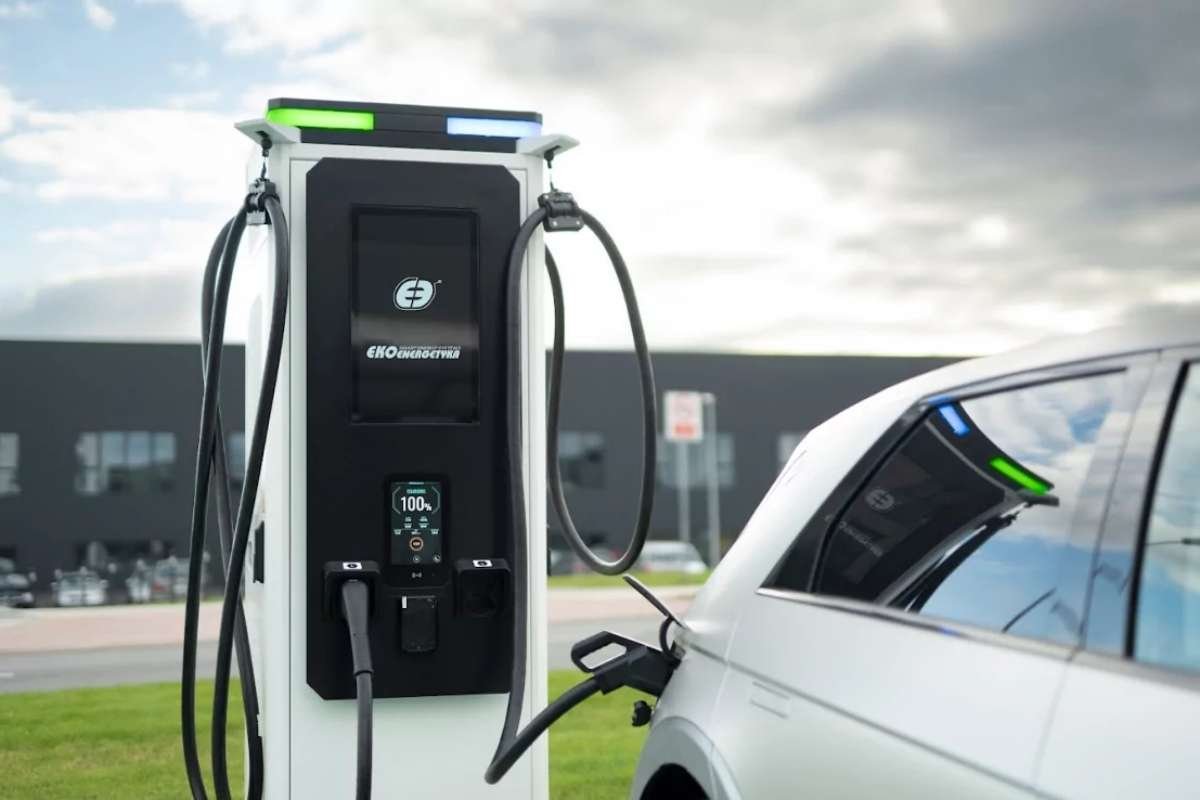
Charging businesses can grow beyond single charging points. The better opportunity combines fleets, logistics hubs, commercial sites, and highways. These locations can create more predictable demand than private drivers alone.
Operators can earn through charging fees, subscriptions, and fleet contracts. They can also use software to track usage and manage networks. India’s PM E-DRIVE dashboard recorded over 8.59 lakh eligible EV sales for 2026-27 by early September.
That demand creates room for wider charging networks. Fleet contracts can also improve station use and revenue planning.
4. Battery energy storage as a service
Battery storage can follow the same service model as solar. Businesses can access storage without owning the full system. Providers can then deploy similar systems across several customer sites.
Customers may use storage for backup, peak control, and renewable integration. The provider earns through recurring contracts instead of one equipment sale.
The real scaling test involves system design and maintenance. Standard battery units can simplify procurement, installation, and support. Software can also track performance across many sites.
This model may suit factories, warehouses and commercial buildings. It also creates stronger links between solar generation and flexible power use.
5. Waste management and resource recovery networks
Basic waste collection can become hard to scale across cities. Local routes, labour needs and waste quality can raise costs quickly. The bigger opportunity sits further along the value chain.
Standardised sorting and recovery systems can create more repeatable operations. Companies can earn through service contracts and recovered materials. They can also build regional processing hubs for better scale.
The distinction matters between collecting waste and recovering value. Collection moves material from one place to another. Recovery turns that material into a useful secondary resource.
This makes resource recovery more attractive than collection alone. It also gives companies more ways to earn from each tonne handled.
6. Industrial waste-to-value platforms
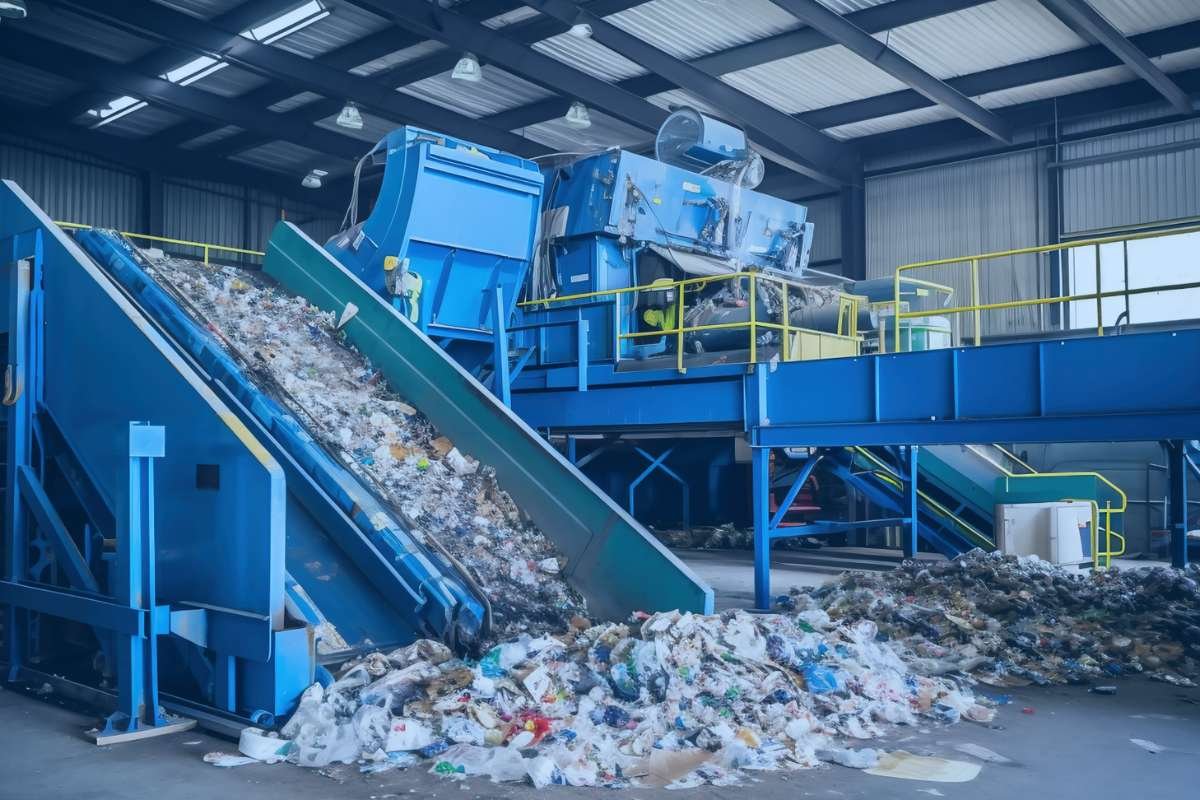
Industrial waste does not always need another recycling plant. Sometimes one factory’s by-product can serve another factory’s needs. That idea forms the basis of industrial symbiosis.
A digital platform can match sellers with buyers across industrial clusters. It can also arrange logistics, quality checks, and material verification. The platform does not need to own every recycling asset.
That asset-light structure can support faster geographic growth. It can also earn through transaction fees and logistics services.
For India, industrial clusters create a strong starting point. Gujarat, Maharashtra, and Tamil Nadu offer dense manufacturing networks. Such density can reduce transport costs between material suppliers and buyers.
7. Water efficiency as a service
Water efficiency can work as a recurring industrial service. Providers can measure use, reduce losses, and improve reuse at plants. They can also install treatment and monitoring systems where needed.
The model suits sectors with high water needs. These include textiles, food processing, pharma, and manufacturing. Data centres also create a growing need for careful water management.
NITI Aayog notes that treated wastewater reuse remains limited. Its research found less than 1,000 MLD reused for valuable purposes.
That gap points toward a large service opportunity. Providers can charge for treatment, monitoring, or measured savings.
8. Sustainable cold-chain infrastructure
Cold chains connect green energy with food logistics. Efficient cooling can reduce energy use, while better storage can reduce food losses. Renewable power can further support remote or farm-level facilities.
The scalable model links farms, processors, logistics firms, and retailers. Providers can build repeatable cold-storage formats for different regions. They can also use shared facilities instead of serving one client alone.
India’s food ministry currently supports integrated cold chains. These systems cover farm-level cooling, storage, packing, and transport.
The ministry listed 408 approved cold-chain projects as of March 2026.
This shows how infrastructure gaps can create repeatable business demand.
9. Green building operations and energy retrofits

New green buildings get plenty of attention, but existing buildings offer scale. Retrofit firms can upgrade HVAC, lighting, controls, and energy systems. They can then repeat similar packages across property portfolios.
This model can target malls, offices, hotels, and warehouses. Large property groups can provide several sites under one contract.
The market also has a clear energy case. BEE says buildings account for more than 30% of India’s electricity use.
That makes efficiency a large commercial problem, not just an environmental one. Standard retrofit packages can help providers reduce delivery time and cost.
10. Circular supply-chain platforms
Circular platforms can help businesses track materials, waste, and recycled inputs. They can also connect buyers with suppliers of secondary materials. Software makes this model easier to expand across many customers.
The opportunity spans automotive, electronics, textiles, and packaging. These sectors handle large material flows and complex supplier networks.
Regulation can also support demand for better tracking. SEBI’s BRSR Core framework includes ESG disclosure requirements for value chains.
That creates demand for better data and supplier visibility. The strongest platforms can turn that need into recurring software revenue.
Across these 10 models, one pattern stands out. The most scalable green models sell systems, not one-off green products.
Green business models that scale – comparison table
The table should work as a quick decision tool, not just a list. It shows where scale comes from and where growth may slow.
| Business model | Scalability | Capital intensity | Recurring revenue | Main customer |
|---|---|---|---|---|
| Solar-as-a-service | High | High | High | C&I businesses |
| Energy management | High | Low–medium | High | Commercial/industrial |
| EV charging | High | High | Medium | Fleets/consumers |
| Storage-as-a-service | High | High | High | C&I/grid |
| Resource recovery | Medium–high | Medium–high | Medium | Industries |
| Waste-to-value platform | High | Low–medium | Medium | Industrial buyers |
| Water-as-a-service | Medium–high | Medium | High | Industry |
| Cold-chain infrastructure | Medium–high | High | High | Food/logistics |
| Building retrofits | Medium | Medium | Medium | Property owners |
| Circular supply-chain software | Very high | Low | High | Enterprises |
The table shows why green business models that scale need more than demand. Capital needs can slow expansion, even when customers want the service. Heavy infrastructure also makes each new location cost more.
Recurring revenue can improve cash flow and customer value. Yet customer acquisition can still limit growth. Regulation can add another layer, especially across states.
Asset-light platforms often scale faster for these reasons. Software can serve more customers without matching physical assets. Infrastructure models can still win when contracts create steady demand.
So, the best scalable green business model balances four things well. They need repeat sales, healthy margins, manageable capital needs, and simple operations.
How to choose the right scalable green model?
The right model depends less on market size and more on fit. A strong idea can still fail when its capital, skills, or sales needs exceed the business capacity.
Use this simple rule before choosing among green business models that scale:
- Strong capital access: Consider infrastructure-heavy models like solar or storage.
- Strong operating skills: Service models can turn expertise into recurring income.
- Strong technology skills: Platforms can scale with less physical infrastructure.
- Predictable demand: B2B models can create steady, repeat contracts.
- Fast geographic growth: Location-independent models offer more flexibility.
- Limited capital: Asset-light models can help test demand before expansion.
Then score each model from one to five across eight areas:
| Factor | What to ask |
|---|---|
| Customer demand | Will enough customers pay for this solution? |
| Capital requirement | Can the business fund its growth needs? |
| Recurring revenue | Can customers pay again and again? |
| Regulatory complexity | How hard will compliance become? |
| Geographic scalability | Can the model work across Indian states? |
| Technology dependence | Can technology improve delivery and growth? |
| Gross-margin potential | Can margins stay healthy as sales rise? |
| Environmental impact | Does growth create greater green value? |
A high score does not make one model universally best. It shows where the model fits the business.
For example, a solar model may suit strong capital access. A software platform may suit strong tech and sales skills.
That makes green business models that scale a matter of business fit. The best choice balances resources, risk, demand, and impact.
Where India has the strongest scaling opportunities?
India’s strongest scaling opportunities come from market gaps, not just demand. Dense industrial clusters can support shared energy, water, and resource services. Cities also create large, repeat needs across buildings, waste, and transport.
| Indian market | Scalable opportunity |
|---|---|
| Industrial clusters | Energy and water services |
| Tier 1 cities | Building efficiency |
| Tier 2 cities | EV and distributed-energy infrastructure |
| Manufacturing hubs | Resource recovery |
| Agricultural regions | Cold-chain solutions |
| Logistics corridors | EV charging and storage |
Manufacturing growth can create steady demand for resource recovery. Organised logistics can also support fleet charging at key hubs.
India’s renewable expansion creates another strong opening. Data centres add demand for reliable, efficient power and cooling. Water-intensive sectors also need better reuse and control.
Corporate sustainability rules can further drive demand from large companies. This makes green business models that scale more viable in focused markets.
The best opportunity may not sit in India’s biggest cities. Often, industrial corridors and fast-growing Tier 2 markets offer stronger room for repeat growth.
Conclusion:
Green business models that scale need more than strong market demand. They need recurring revenue, repeatable systems, and sound unit economics. India offers different paths for that growth. Industrial hubs need energy and water services. Cities need cleaner buildings and better waste systems. Logistics corridors need charging and storage.
Founders should therefore assess three things together: Economics, regulation, and environmental impact. A model may look green yet struggle with margins or approvals.
The real test stays simple: Scalable green business models can serve more customers without matching increases in cost or complexity. They combine repeatable operations, recurring revenue, and measurable environmental impact. Example: Can each new customer create more value without equal complexity? If yes, the model has a stronger path to lasting scale.
Frequently asked questions
1. What are green business models that scale?
Scalable green business models can serve more customers without matching increases in cost or complexity. They combine repeatable operations, recurring revenue, and measurable environmental impact.
2. What makes a green business model scalable?
Strong models use repeatable processes, recurring revenue, and healthy unit economics. Standard systems and technology also make expansion across locations easier.
3. Are green businesses capital intensive?
Infrastructure models like solar, storage, and cold chains often need major capital. Software, consulting, and service models can offer more asset-light growth paths.