

Key Takeaways:
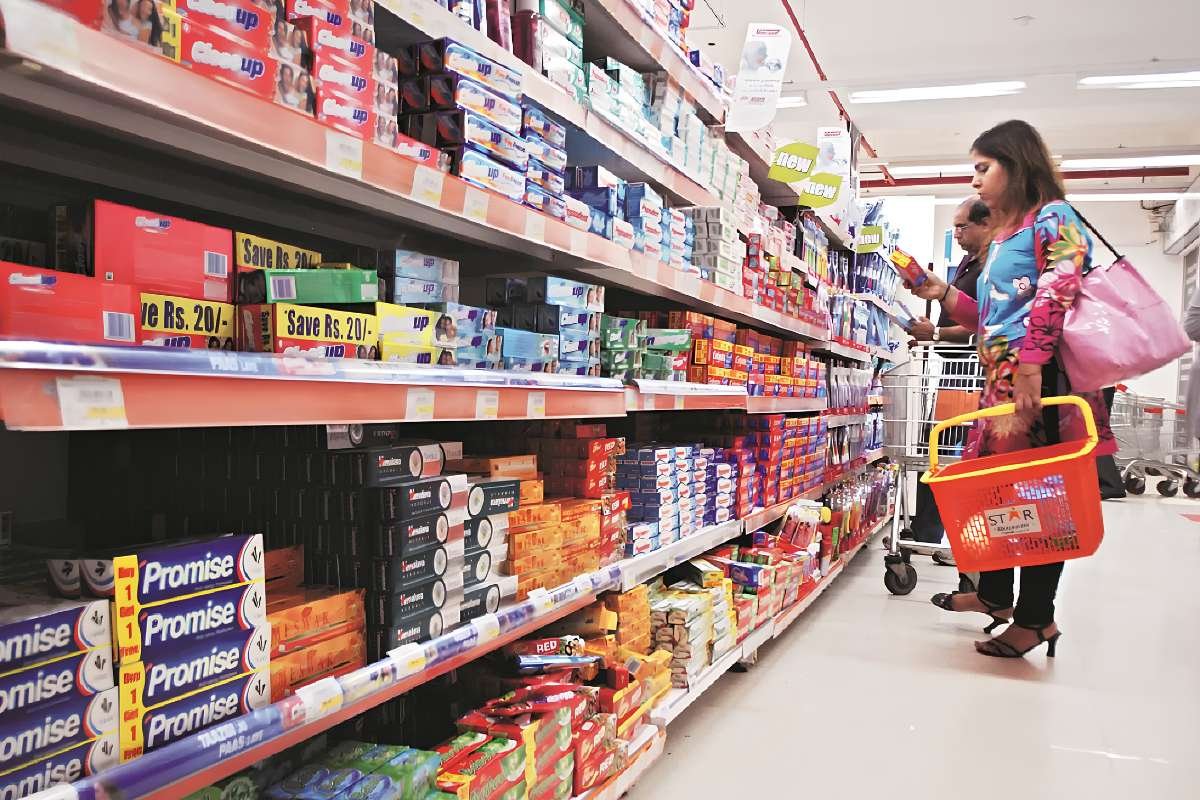
- FMCG price hikes: FMCG firms raise prices 2-5% to protect margins amid inflation.
- Shrinkflation emerges as a key strategy to protect operating margins
- Stable demand supports revenue growth despite persistent inflation pressures
Rising input costs driven by commodity inflation and global uncertainties are prompting leading FMCG companies in India to implement calibrated price increases in the September quarter. Companies remain focused on protecting margins while maintaining steady demand, supported by resilient consumption and improving revenue growth trends.
Pricing Strategies Shift As Cost Pressures Persist
FMCG players had already implemented FMCG price hikes of around 2-5% in the June quarter and are now adopting additional measures such as shrinkflation and selective price revisions. These strategies aim to offset rising costs of key inputs such as sugar, palm oil, and crude-linked derivatives.
Britannia Industries indicated that it plans to introduce an additional 1.5-2% price increase in the second quarter through shrinkflation, particularly in ₹5 and ₹10 product packs. The company noted that its pricing-led growth in the first quarter was largely driven by such measures. It also expects to maintain EBITDA margins for FY27 at levels similar to FY26 if input costs remain elevated.
Godrej Consumer Products Ltd implemented an average price increase of about 5% in the June quarter as part of the broader FMCG price hikes across the sector. The company is currently monitoring commodity trends before taking further action. With Brent crude prices hovering between $80-85 per barrel, management indicated that existing pricing remains adequate for now. Input cost changes typically reflect with a lag of 3-4 weeks due to crude linkage.
Dabur India also highlighted continued pressure from elevated input costs. The company plans to take calibrated pricing actions while focusing on productivity improvements and cost efficiencies. It expects double-digit revenue growth in FY27, driven more by price and value growth than volume expansion, as inflation continues to impact consumer purchasing patterns.
Demand Outlook Remains Stable Despite Inflation Concerns
Despite the FMCG price hikes, companies continue to report stable demand conditions. Britannia noted that the demand environment remains strong, with consistent consumption trends supporting growth expectations.
Hindustan Unilever Ltd expects sequential inflation of 2-5% in the September quarter compared to the June quarter. The company plans to continue calibrated price adjustments across categories while maintaining a balance between margin protection and volume growth.
Tata Consumer Products Ltd indicated that it may consider further pricing interventions depending on cost movements. The company remains cautious given the dynamic nature of input costs and aims to sustain steady revenue growth in the mid to high single-digit range.
Nestle India flagged potential moderation in consumption in the near term due to inflationary pressures and external uncertainties. The company continues to monitor factors such as commodity prices and weather conditions, which could influence overall demand in the food and beverage segment and consumer responses to FMCG price hikes.
Across the sector, companies are closely tracking crude oil volatility, commodity inflation, and weather-related risks such as monsoon variability and El Niño. While pricing strategies are being adjusted to manage margins, the overall focus remains on sustaining growth through steady demand, product innovation, and operational efficiency.
The combined impact of moderate price increases, shrinkflation, and cost control measures is expected to support revenue growth while helping companies navigate ongoing input cost pressures in the current fiscal year.
Visit Business Viewpoint Magazine to read more.