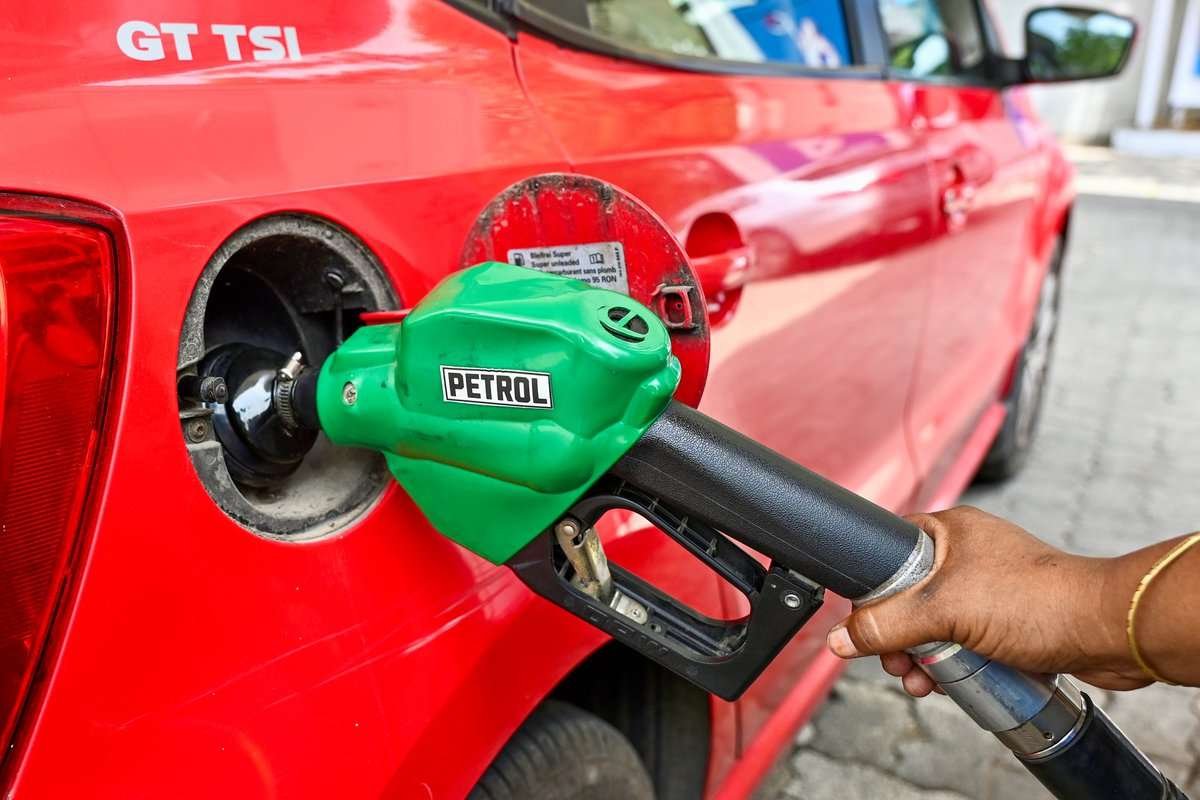



Key Takeaways
- Alternative Fuel Vehicles reach 40.59% share in July sales
- Petrol vehicle share narrows to 41.68% amid E20 transition concerns
- Passenger vehicle sales rise 19.1% to 4,16,555 units in July
Consumer response to India’s transition to E20 petrol is influencing buying patterns in the passenger vehicle market, with alternative fuel vehicles gaining share rapidly. Data from Federation of Automobile Dealers Associations shows that CNG, hybrid, and electric vehicles are approaching parity with petrol models in retail sales.
Shift In Consumer Preferences After E20 Rollout
Alternative Fuel Vehicles accounted for 40.59% of total passenger vehicle retail sales in July, just 1.09 percentage points below petrol vehicles, which held a 41.68% share. The narrowing gap reflects a measurable shift in consumer preferences following the nationwide rollout of E20 petrol.
India recently completed the transition to E20 fuel, which contains 20% ethanol, replacing the earlier E10 blend. The move is part of a broader effort to reduce dependence on imported fuel sources. However, the change has introduced uncertainty among consumers, particularly regarding vehicle performance and efficiency.
Concerns have been more pronounced among owners of older vehicles that were not originally designed for higher ethanol blends. Buyers are evaluating the potential impact on engine performance, fuel efficiency, and maintenance over time. This has led to increased interest in Alternative Fuel Vehicles such as CNG, hybrid systems, and electric powertrains.
Market Growth And Sales Trends
Despite shifting preferences, overall passenger vehicle demand remained strong in July. Retail sales increased 19.1% year on year to 4,16,555 units. Growth was supported by multiple factors, including improved vehicle availability, new model launches, lower interest rates, and tax related measures that supported consumption.
The rise of Alternative Fuel Vehicles highlights changing decision factors among buyers. Cost considerations, fuel efficiency, and evolving regulatory standards are becoming central to purchase decisions. The near parity between petrol and alternative fuel vehicles indicates a structural change in the market rather than a temporary shift.
Automakers and dealers are responding by expanding offerings across CNG, hybrid, and electric segments. Increased availability of models across price points is contributing to higher adoption levels. At the same time, infrastructure improvements, particularly in charging and refueling networks, are supporting this transition.
For entrepreneurs and business owners, the trend signals evolving opportunities in the automotive value chain. Demand is increasing not only for vehicles but also for supporting services such as charging infrastructure, maintenance solutions, and component supply.
The July data indicates that consumer behavior is adapting quickly to policy and fuel changes. As the share of Alternative Fuel Vehicles continues to rise, the market is likely to see further diversification in product offerings and investment focus across mobility segments.
Visit Business Viewpoint Magazine to read more.