


Key Takeaways
- Reduced sports programme impacts medal count but improves medal efficiency
- Strong performances in boxing, athletics, and judo offset missing disciplines
- The Fourth-place finish reflects depth across diverse sporting categories
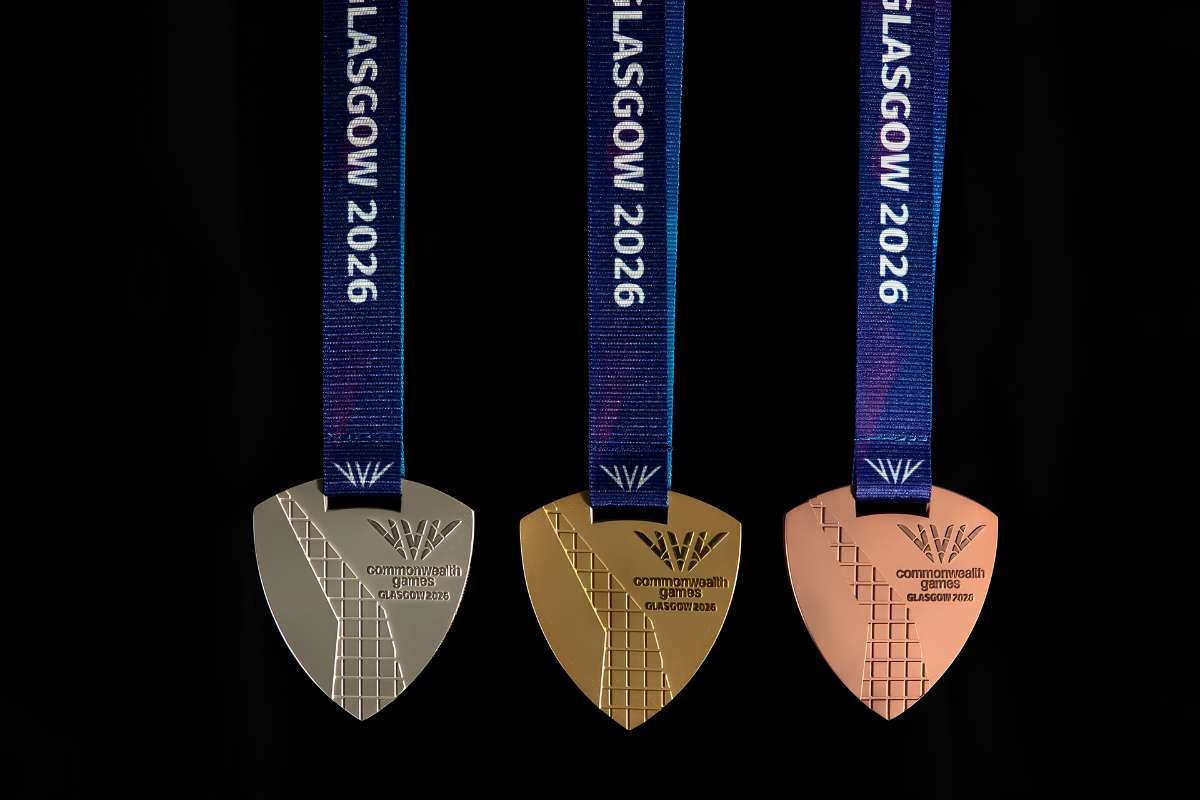
India concluded its campaign at the Commonwealth Games 2026 with a total of 39 medals, including 13 Gold, 17 Silver, and 9 Bronze. This marks the country’s lowest medal tally since 1998, falling below the 50-medal mark for the first time in 24 years. Despite the reduced count, India secured fourth place in the overall standings.
Reduced Programme And Medal Efficiency
The Glasgow Games featured a significantly compressed schedule with only 10 sports, compared to 19 sports in the previous edition. This restructuring led to the exclusion of key disciplines such as shooting, wrestling, badminton, table tennis, and field hockey, which have historically contributed a major share of India’s medal tally.
These five sports alone accounted for 30 out of India’s 61 medals in the 2022 edition, including 13 Gold medals. Their absence removed a substantial portion of India’s traditional medal opportunities, creating a constrained competitive environment.
Despite these limitations, India achieved a medal density of 3.90 medals per sport, reflecting improved efficiency across the available disciplines. The country finished level with Scotland at 39 medals but secured fourth place based on a higher silver medal count. Australia, England, and Canada occupied the top three positions.
Strong Performances Across New Disciplines
India’s boxing contingent delivered one of the standout performances of the Commonwealth Games, winning 10 medals from a 14-member team. The haul included 7 Gold and 3 Silver medals, marking one of the most dominant boxing campaigns by a single nation in the history of the event. Gold medals were secured by athletes including Preeti Pawar, Jaismine Lamboria, Sakshi Chaudhary, Priya Ghanghas, and Arundhati Choudhary, along with Sachin Siwach and Ankush Panghal in the men’s category.
Judo also emerged as a breakthrough sport, with Harsh Singh and Asmita Dey winning India’s first Gold medals in the discipline. Additional contributions came from Yamini Mourya, who won Silver, and Unnati Sharma, who secured Bronze.
In athletics and para athletics, India collected a combined total of 16 medals. Neeraj Chopra won Silver in javelin, while Gulveer Singh became the first Indian track athlete to win two medals in a single edition, earning Silver in the 10,000m and Bronze in the 5,000m. Tejaswin Shankar added a Bronze medal in the decathlon.
Para athletes contributed 7 medals, equalling the country’s previous combined tally in the category. Gold medals were won by Sharmila Dhankar, Dilip Mahadu Gavit, and Soman Rana.
In weightlifting, Mirabai Chanu secured her third consecutive Commonwealth Games Gold medal, leading an overall haul of 8 medals for the team, including 6 Silver and 1 Bronze.
India’s performance at the Glasgow Games highlights its ability to adapt to structural changes in competition format. With traditional medal-heavy sports excluded, the contingent delivered across a wider range of disciplines, reflecting depth and emerging strength in multiple sporting areas.
Visit Business Viewpoint Magazine for the latest business and technology insights.