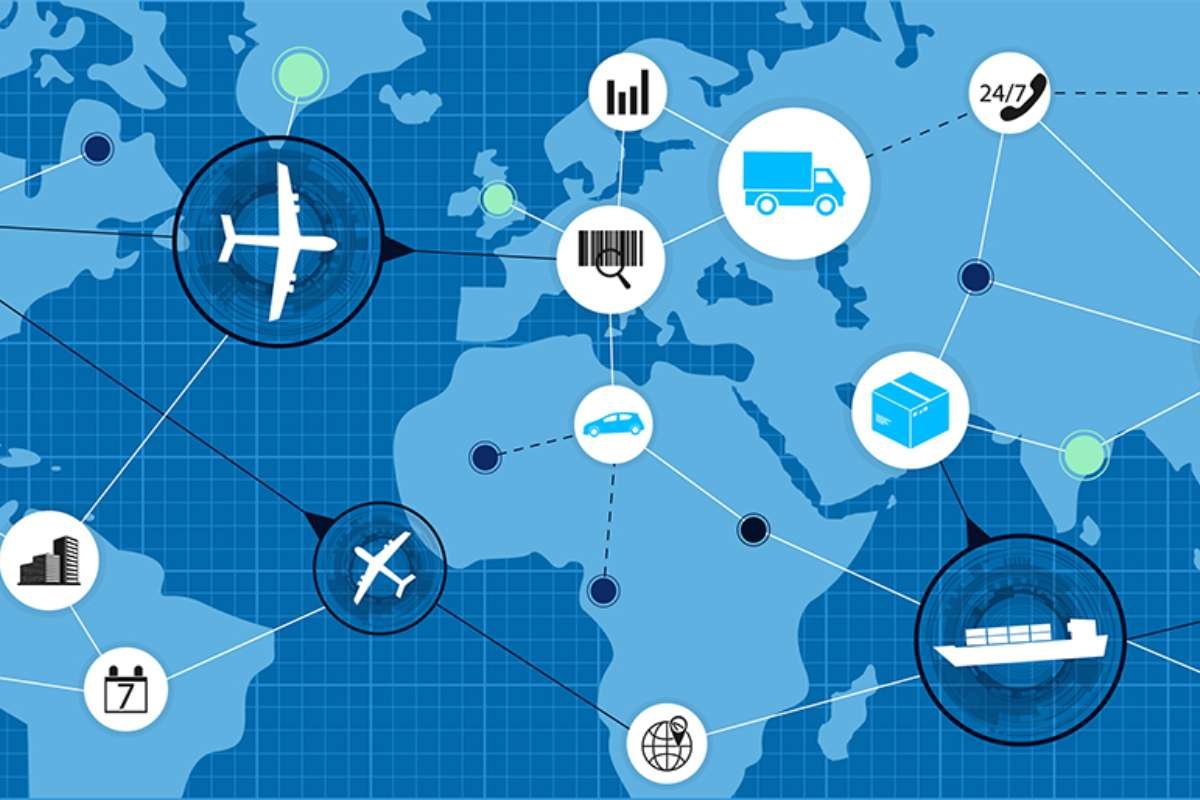



Learning how to build a resilient supply chain strategy starts with understanding risks and preparing for disruptions. This guide explains how businesses can improve visibility, use technology effectively, strengthen supplier networks, and create response plans. It also covers practical tools such as risk matrices, early warning systems, and supplier resilience scorecards to help reduce disruptions and support long-term business stability.
Think about a factory waiting for a shipment that never arrives. Production slows, orders get delayed, and customers start looking elsewhere. Situations like this have become more common in recent years.
Supply chain resilience means a business can prepare for problems, respond quickly, and recover with less disruption. This matters today because of geopolitical tensions, extreme weather, supplier failures, cyberattacks, port congestion, and changing customer demand. Indian manufacturers, retailers, exporters, and logistics firms face these challenges every day.
According to the World Economic Forum’s Global Risks Report 2026, supply chain disruptions remain among the top business risks worldwide. Understanding how to build a resilient supply chain strategy can help businesses stay prepared. This guide explains the key steps.
How to Build a Resilient Supply Chain Strategy?
A resilient supply chain strategy helps a business prepare for disruptions, respond quickly, and recover with minimal impact. In simple terms, it is a plan that keeps products, materials, and operations moving even when unexpected problems occur.
Understanding how to build a good supply chain strategy starts with balancing efficiency and flexibility. Many companies focus on lowering costs by reducing inventory or relying on a small number of suppliers. While this can improve efficiency, it can also create weak points in the supply chain.
Recent disruptions affecting Indian businesses include:
- Red Sea shipping delays
- Global semiconductor shortages
- Extreme weather events
These challenges can result in:
- Delivery delays
- Higher operating costs
- Lost sales
- Customer dissatisfaction
A useful way to measure resilience is bounce-back time. This refers to the time it takes a supply chain to return to normal after a disruption. The shorter the bounce-back time, the more resilient the supply chain.
The sections below explain the key steps businesses can take to strengthen their supply chains and reduce the impact of future disruptions.
This structure answers the keyword immediately, keeps the flow logical, and naturally leads into the actionable sections that follow.
Identify Risks Before They Become Disruptions

Understanding how to build a resilient supply chain strategy starts with identifying risks before they affect operations. Businesses that wait for a problem to happen often face higher costs and longer recovery times.
Common supply chain risks include:
- Supplier dependency
- Transportation delays
- Cybersecurity threats
- Regulatory changes
- Climate-related disruptions
- Labor shortages
A simple risk matrix can help teams stay proactive:
| Risk | Likelihood | Impact | Priority |
| Supplier delay | High | High | High |
| Cyberattack | Medium | High | High |
| Labor shortage | Medium | Medium | Medium |
Review this matrix every month and score each risk based on how likely it is to occur and how much damage it could cause.
Many companies only assess direct suppliers. A better approach is to map Tier-2 and Tier-3 suppliers as well. These are the suppliers behind your suppliers. Hidden risks often start there and can spread through the supply chain management before anyone notices.
Cyber risk deserves special attention. According to IBM’s Cost of a Data Breach Report 2025, the global average cost of a data breach reached $4.88 million, making cybersecurity an important part of supply chain planning.
Improve Supply Chain Visibility Across Every Stage
Supply chain visibility means knowing what is happening across your supply chain at any given time. This includes inventory, suppliers, shipments, and customer demand.
Many businesses struggle because important data is spread across different systems. Inventory teams, suppliers, warehouses, and logistics partners may all work with separate information. When data is disconnected, delays and shortages can be harder to spot.
Focus visibility on these key areas:
- Inventory levels
- Supplier performance
- Shipment tracking
- Demand forecasts
To improve visibility:
- Create a central dashboard for key supply chain data.
- Set clear reporting standards for suppliers.
- Track inventory in real time where possible.
- Review lead times every week.
It is also important to understand the difference between visibility and traceability. Visibility shows what is happening now across the supply chain. Traceability shows where a product came from and how it moved through the supply chain. Both matter, but they serve different purposes.
Better visibility helps businesses make faster decisions, which is a key part of understanding how to build a resilient supply chain strategy.
Use Technology to Detect Problems Earlier

Technology can help businesses spot problems before they affect customers. However, it should support decisions, not replace them.
Useful tools include:
- Supply chain management software
- Predictive analytics
- IoT sensors
- Warehouse management systems
- Transportation management systems
Many Indian manufacturers and logistics providers are investing in these tools to improve planning and reduce disruptions.
A useful approach is to create an early warning system. Alerts can be triggered when supplier deliveries are delayed, inventory drops too low, or shipments fall behind schedule. This allows teams to act before small issues grow into bigger problems.
Visibility remains a challenge for many organizations. According to McKinsey’s Global Supply Chain Leader Survey, 95% of companies have visibility into tier-one supplier risks, but only 42% can see risks at tier-two suppliers and beyond. This highlights why businesses need better tools and data to identify hidden vulnerabilities across their supply chains.
Technology provides faster insights, making it an important part of how to build a resilient supply chain strategy.
Build Strong Supplier and Logistics Networks
Relying on a single supplier may reduce costs, but it can also increase risk. If that supplier faces delays, shortages, or financial trouble, your operations can suffer.
Supplier diversification helps reduce this risk. Businesses should consider working with multiple suppliers and, where practical, sourcing from nearby regions to shorten delivery times and improve flexibility.
Strong relationships matter just as much as supplier numbers. Key practices include:
- Regular performance reviews
- Shared demand forecasts
- Joint contingency planning
When discussing how to build a resilient supply chain strategy, supplier relationships are often overlooked. Yet they can make a major difference during disruptions.
A useful tool is a supplier resilience scorecard. This tracks:
- Reliability
- Delivery performance
- Financial health
- Risk exposure
The scorecard helps businesses identify weak points early and make better sourcing decisions before problems arise.
Create a Response Plan Before a Crisis Happens

A clear response plan is an important part of knowing how to build a resilient supply chain strategy. When disruptions occur, preparation can reduce downtime and help teams respond faster.
A strong response plan should include:
- A dedicated crisis team
- Backup suppliers
- Emergency inventory policies
- Communication procedures
- Recovery targets
Everyone should know their role before a disruption happens.
To test readiness, consider running a disruption simulation every quarter. For example, teams can practice responding to a supplier shutdown, transportation delay, or cyberattack. These exercises often reveal gaps that may not be visible during normal operations.
The more prepared a business is, the faster it can recover when challenges arise.
Conclusion
Supply chain resilience is not a one-time project. It requires regular review and continuous improvement. Businesses that identify risks early, improve visibility, and use technology effectively are often better prepared for disruptions.
Strong supplier networks, diversified sourcing, and clear response plans also play a key role. For Indian businesses, the goal is not to predict every disruption but to be ready for it. Understanding how to build a resilient supply chain strategy is the first step toward creating a supply chain that can adapt, recover, and keep serving customers.
FAQs
How often should a supply chain strategy be reviewed?
Most businesses should review it quarterly and after major disruptions or market changes.
Which industries benefit most from supply chain resilience?
Manufacturing, retail, healthcare, automotive, e-commerce, and logistics businesses benefit significantly.
What is the biggest mistake in supply chain planning?
Focusing only on cost savings while ignoring risks, flexibility, and recovery capabilities.
Can small businesses build resilient supply chains?
Yes. Even simple steps like supplier diversification and risk assessments can improve resilience.
What KPIs measure supply chain resilience?
Common metrics include recovery time, order fulfillment rate, supplier reliability, inventory availability, and disruption frequency.