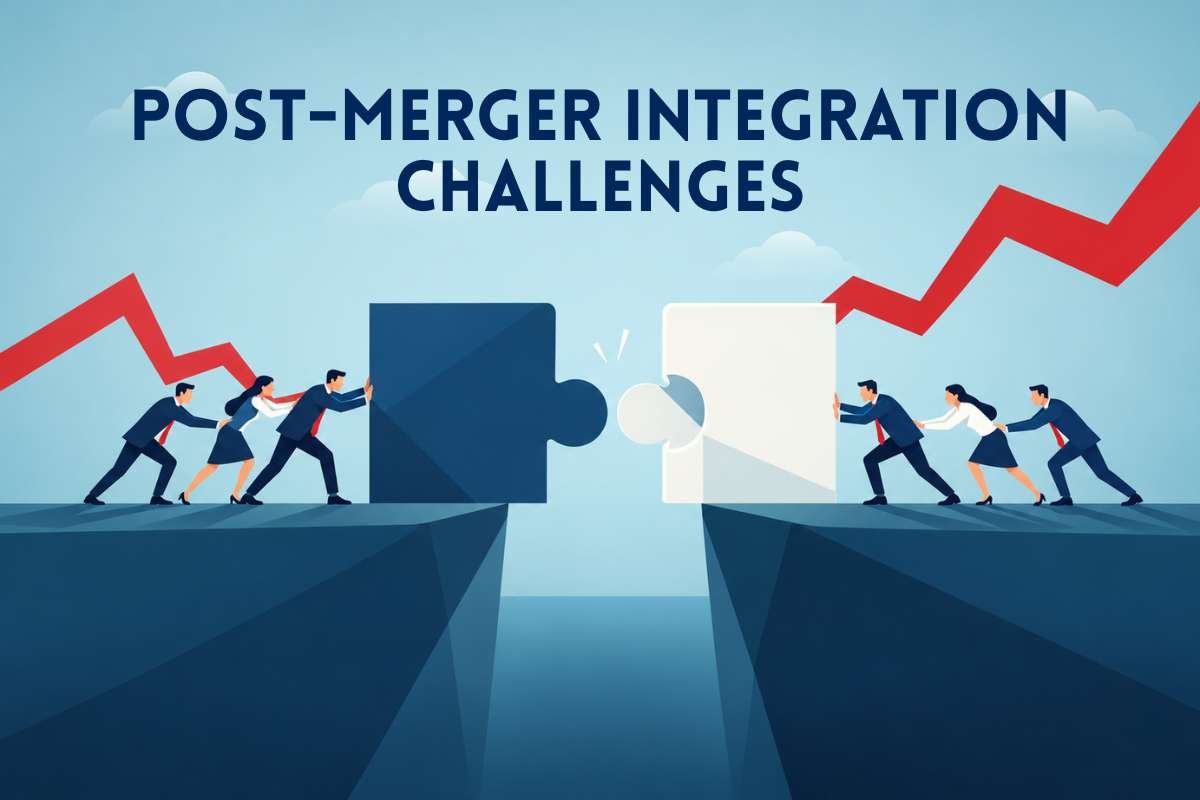


This blog breaks down the core debate of Bootstrapping vs. Fundraising in a way that is direct, honest, and rooted in real-world experience. You will read about what each funding model means, how Indian founders used them, and what the data actually says. A comparison table makes the differences clear at a glance. The article covers pros, cons, hybrid strategies, and answers the four most common questions founders ask before making this decision.
What if the funding choice you make on Day One determines whether you are a founder or just someone who once had a great idea? Sounds dramatic, but it is true.
The debate between Bootstrapping vs. Fundraising has buried great companies and launched billion-dollar businesses. Some founders raised millions and still struggled. Others started with limited resources and built companies that changed industries.
So what is the secret? There is no one-size-fits-all answer. But there is a smarter answer, and it depends on who you are, what you are building, and how fast you want to grow.
Consider Zoho Corporation. Sridhar Vembu built Zoho without depending on external venture capital. The company focused on creating profitable products, growing through customer revenue, and maintaining founder control.
Today, Zoho serves millions of users globally and is one of India’s biggest examples of building a large technology company through disciplined growth.
What is bootstrapping?
Bootstrapping means building your business using your own money, your own revenue, and your own resourcefulness. You do not take money from venture capitalists, angel investors, or traditional startup funding sources.
You use personal savings, early customer payments, or revenue reinvestment to grow.
The term comes from the old phrase “pulling yourself up by your bootstraps.” In the world of startups, it means you stand on your own two feet.
How does bootstrapping work in practice?
A bootstrapped founder typically starts small. They validate the idea fast. They charge customers early. Every rupee earned goes straight back into the product or service.
Growth may be slower, but the founder keeps stronger control over decision-making and ownership. When you look at bootstrapping vs. fundraising side by side, bootstrapping demands discipline.
You cannot afford to waste money on strategies that do not work. You cannot hire a huge team before you need one. Every decision directly impacts the company’s survival.
Real-world example: Zerodha
Zerodha is one of India’s strongest bootstrapping success stories.
Founded by brothers Nithin Kamath and Nikhil Kamath in 2010, Zerodha grew without raising external venture capital.
The company focused on solving a real customer problem, making stock trading simpler and more affordable. Instead of chasing investor money, Zerodha built a profitable business through customer revenue and sustainable growth.
Today, Zerodha is one of India’s largest stockbroking platforms and proves that a company can achieve massive scale through bootstrapping.
Another example: Zoho Corporation
Zoho started as a small software company and grew into a global SaaS business without depending on traditional venture funding.
The company focused on building products, acquiring customers, and reinvesting profits into expansion. This approach appears again and again in the Bootstrapping vs. Fundraising discussion.
The bootstrapped phase forces founders to understand customers deeply, control costs, and build products that people genuinely value.
What is fundraising?
Fundraising means raising capital from external sources such as angel investors, venture capital firms, accelerators, crowdfunding platforms, or corporate investors.
In exchange, founders usually give up a portion of ownership or agree to certain investment terms.
When founders choose fundraising in the Bootstrapping vs. Fundraising debate, they are betting that outside capital will help them grow faster than they could alone.
They accept dilution, meaning they own a smaller percentage of a potentially much larger company.
Types of fundraising
- Angel Investors: High-net-worth individuals who invest their personal money into startups in exchange for equity.
- Venture Capital (VC): Professional investment firms that provide large amounts of capital to startups with high-growth potential.
- Crowdfunding: Platforms where startups raise money from a large number of people.
- Accelerators: Programs that provide early funding, mentorship, and networks to help startups grow.
Real-world example: OYO
OYO is one of India’s biggest fundraising-driven startup stories.
Founded by Ritesh Agarwal, OYO used external funding to expand rapidly across India and international markets.
The company raised significant venture capital to build technology, expand operations, acquire properties, and scale quickly.
This is a classic Bootstrapping vs. Fundraising case where fundraising became the fuel for aggressive growth.
Real-world example: Swiggy
Swiggy built its business through a fundraising-led growth strategy.
The food delivery company raised capital from major investors to expand operations, improve technology, strengthen logistics, and compete in a highly competitive market.
The company’s growth required significant investment in infrastructure and customer acquisition, making fundraising an important part of its journey.
Bootstrapping vs. Fundraising: side-by-side comparison

| Factor | Bootstrapping | Fundraising |
| Equity Ownership | The founder keeps more ownership | Investors receive a share |
| Capital Available | Limited to savings or revenue | Access to large capital |
| Growth Speed | Slower, organic | Faster expansion |
| Decision Control | Founder-led | Investor influence |
| Risk Level | Personal financial pressure | Growth expectations |
| Profitability Focus | Early profitability | Growth-first approach |
| Failure Cost | Smaller financial exposure | Larger financial stakes |
| Best Suited For | Lean businesses, SaaS, profitable startups | High-growth, capital-intensive startups |
| Famous Examples | Zerodha, Zoho | OYO, Swiggy |
Pros and cons of bootstrapping
The advantages
- Full Control: No investor can force you to change your vision, pivot your product, or chase unrealistic growth targets. You remain in control of your company’s direction. Companies like Zerodha and Zoho show how founders can build large businesses while maintaining strong control.
- No Equity Loss: Every percentage of ownership you keep remains yours. Bootstrapped founders avoid giving away ownership early, which can become valuable if the company becomes successful.
- Lean Thinking: When money is limited, founders learn to make smarter decisions. Bootstrapped companies focus on customer needs, efficient operations, and building products that create real value.
- No Fundraising Distraction: Raising money requires founders to spend months pitching investors. Bootstrapped founders can spend more time improving their products and serving customers.
The challenges
- Slow Growth: Without large amounts of capital, growth depends mainly on revenue. A bootstrapped company may not be able to spend aggressively on marketing, hiring, or expansion compared to funded competitors.
- Personal Risk: Founders often invest their own savings and time into the business. Early-stage struggles can create financial pressure.
- Harder to Hire: Funded startups can offer high salaries and benefits. Bootstrapped companies often need to attract employees through mission, culture, and ownership opportunities.
Pros and cons of fundraising
The advantages
- Speed: Capital allows startups to hire teams, improve technology, expand markets, and acquire customers faster. Companies like Swiggy used funding to build large delivery networks and compete in a fast-moving industry.
- Network Access: Good investors provide more than money. They bring industry connections, hiring support, business advice, and future funding opportunities.
- Credibility: Investment from known investors can increase trust among customers, employees, and business partners.
The challenges
- Equity Dilution: Every funding round reduces the founder’s ownership percentage. While the company may become bigger, the founders own a smaller share.
- Investor Pressure: Investors usually expect strong growth and returns. Sometimes this pressure pushes companies to prioritize expansion over profitability.
- The Fundraising Trap: Many founders spend significant time raising money instead of improving the actual business. This can slow down product development and customer growth.
The hybrid approach: bootstrapping then fundraising

Not every founder has to choose only one path.
Many successful companies first build a strong foundation, get customers, prove their business model, and then raise money to accelerate growth. This approach combines the discipline of bootstrapping with the speed of fundraising.
You build with control first, then raise capital from a stronger position.
Case study: Freshworks
Freshworks is a strong Indian example of a hybrid approach.
Founded by Girish Mathrubootham and Shan Krishnasamy, Freshworks started by focusing on building useful customer support software.
The company initially focused on product-market fit and customer adoption before raising significant external funding.
Later, Freshworks raised venture capital to expand globally, strengthen its technology, and scale operations.
In 2021, Freshworks became a publicly listed company on the NASDAQ.
Freshworks represents a balanced Bootstrapping vs. Fundraising journey: build a strong product first, then use funding to accelerate growth.
How to decide between bootstrapping vs. Fundraising?
The right choice between Bootstrapping vs. Fundraising depends on four honest questions every founder must answer.
1. How capital-intensive is your model? A hardware, manufacturing, or deep-tech company may need a large investment before earning revenue. A software or service business can often start lean and grow through customer revenue.
2. How fast does your market move? If competitors are expanding quickly with investor money, fundraising may help you move faster. In competitive industries, speed can become a major advantage.
3. What is your personal financial situation? Bootstrapping requires patience and financial discipline. Your personal responsibilities and risk tolerance influence which path makes sense.
4. What kind of company do you want to build? A profitable SaaS company, lifestyle business, or global technology platform may require different funding strategies. The best choice depends on your long-term vision.
What the data says about bootstrapping vs. Fundraising?
India has seen thousands of startups grow through both bootstrapped and funded models. Many small businesses and technology companies begin with founder capital and customer revenue.
At the same time, venture-backed startups have created some of India’s largest companies by using external capital for rapid expansion.
The lesson from Bootstrapping vs. Fundraising is simple:
Both models work, but they work for different goals, industries, and founders.
Common myths in the bootstrapping vs. Fundraising debate

Myth 1: You need VC money to build a real company.
False.
Indian companies like Zerodha and Zoho prove that founders can build large, successful businesses without traditional venture capital.
Myth 2: Fundraising means you lose control.
False.
Capital is a tool. When used correctly, funding can help companies like Swiggy and OYO scale faster and serve millions of customers.
Myth 3: Bootstrapping is only for small businesses.
False.
Bootstrapped companies can become large if they build strong products, understand customers, and manage resources well.
Myth 4: Once you raise money, you cannot follow a disciplined approach.
Wrong.
Many startups combine both strategies, building efficiently first and using funding later for expansion.
Conclusion
The Bootstrapping vs Fundraising debate does not have one universal winner. The smartest founders do not choose based on trends or pressure. They choose based on what their business actually needs.
Indian startups show both sides of the story.
Zerodha and Zoho prove that bootstrapping can create powerful, long-lasting companies. Swiggy and OYO show how fundraising can help startups expand quickly and capture large markets.
The question is not which path is better.
The question is which path is better for your business, your market, and the future you want to build. Whether you bootstrap, fundraise, or combine both approaches, the goal remains the same:
Build a great product, serve customers, and create lasting value.
FAQs
1. Is bootstrapping better than fundraising for first-time founders?
Not always. Bootstrapping helps founders build discipline, understand customers, and create strong products before taking outside money. The right choice depends on the business model and growth goals.
2. How much equity do you typically give up when fundraising?
It depends on the funding stage and investor terms. Founders usually exchange a part of ownership for capital, resources, and faster business growth.
3. Can a startup switch from bootstrapping to fundraising later?
Yes. Many startups first prove their idea, build customers, and then raise investment from a stronger position.
4. What are the biggest mistakes founders make in the Bootstrapping vs Fundraising decision?
Common mistakes include raising money too early, avoiding funding when the market needs quick growth, or choosing based on pressure instead of business needs
Thank You For Reading!
See More
The Smart Bootstrapping Techniques Behind India’s Most Successful Startups