

Key Points:
- The Strait of Hormuz reopening brings new transit fees, raising oil transport costs.
- Higher fees may increase shipping, insurance, and global crude prices.
- India faces rising fuel costs, inflation, and possible supply risks.
A United States-Iran ceasefire reopening the Strait of Hormuz allows Iran and Oman to levy transit fees, raising concerns over oil costs and potential energy stress for import-dependent countries like India.
Ceasefire Reopens Key Oil Corridor With New Costs
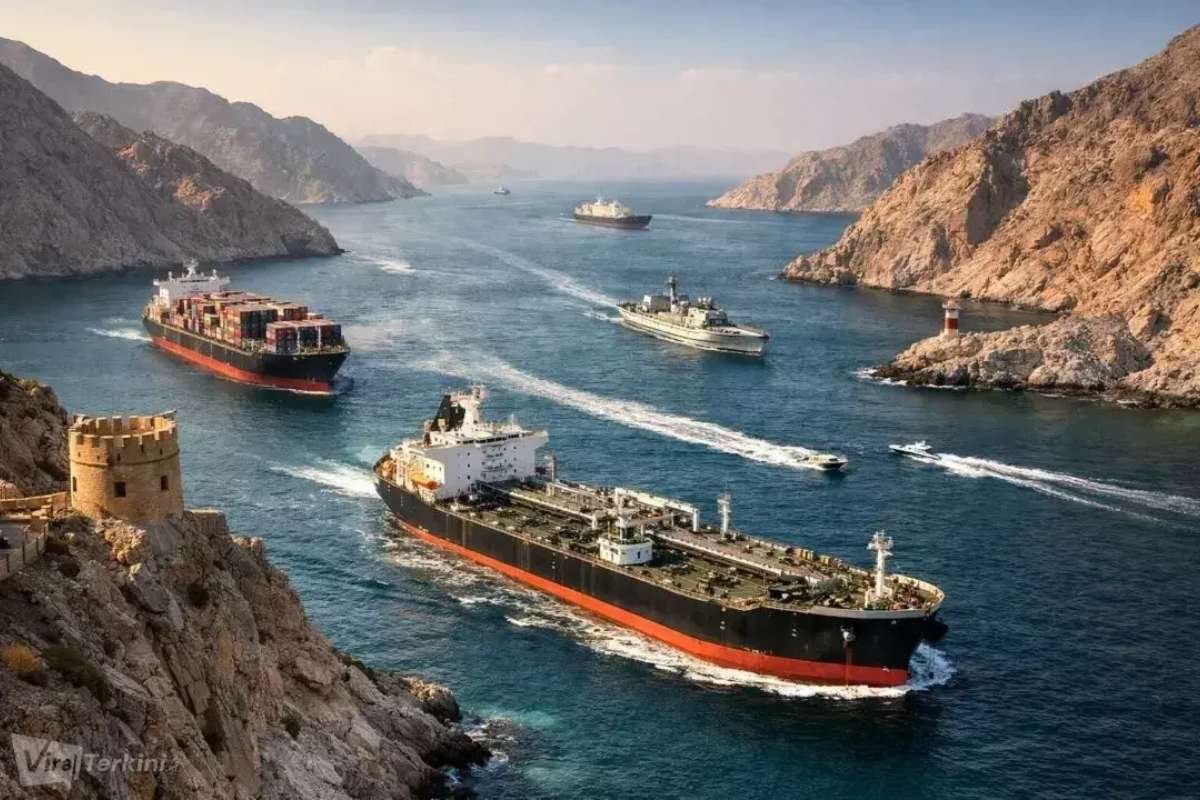
The United States and Iran have agreed to a two-week ceasefire to end a 40-day conflict that disrupted shipping through the Strait of Hormuz, a critical artery for global oil flows. The agreement includes a provision allowing Iran and Oman to impose transit fees on vessels crossing the waterway.
The strait, about 34 kilometers wide, handles roughly one-fifth of the world’s oil trade. Its closure since late February, marked by attacks on vessels, had already driven global oil prices higher.
U.S. President Donald Trump says Iran’s proposal offers a “workable basis” for negotiations, adding that the two-week window should allow terms to be finalized.
Transit Fees Add Pressure to Global Oil Markets
The introduction of transit fees marks a departure from the long-standing practice in the Strait of Hormuz, which has historically been treated as an international passage without tolls. The proposed charges are expected to vary based on cargo, vessel type, and operating conditions.
Iranian officials say the revenue will fund postwar reconstruction following widespread infrastructure damage. Deputy Foreign Minister Kazem Gharibabadi says the measure is intended to facilitate transit rather than restrict it.
However, the plan raises legal questions under the United Nations Convention on the Law of the Sea, which generally bars coastal states from charging for passage through international straits, except for specific services.
Gulf countries, including the United Arab Emirates and Qatar, oppose the move, calling for uninterrupted and toll-free navigation. Analysts say even modest fees could increase shipping and insurance costs, pushing up global oil prices.
India Faces Cost Pressure and Energy Risk
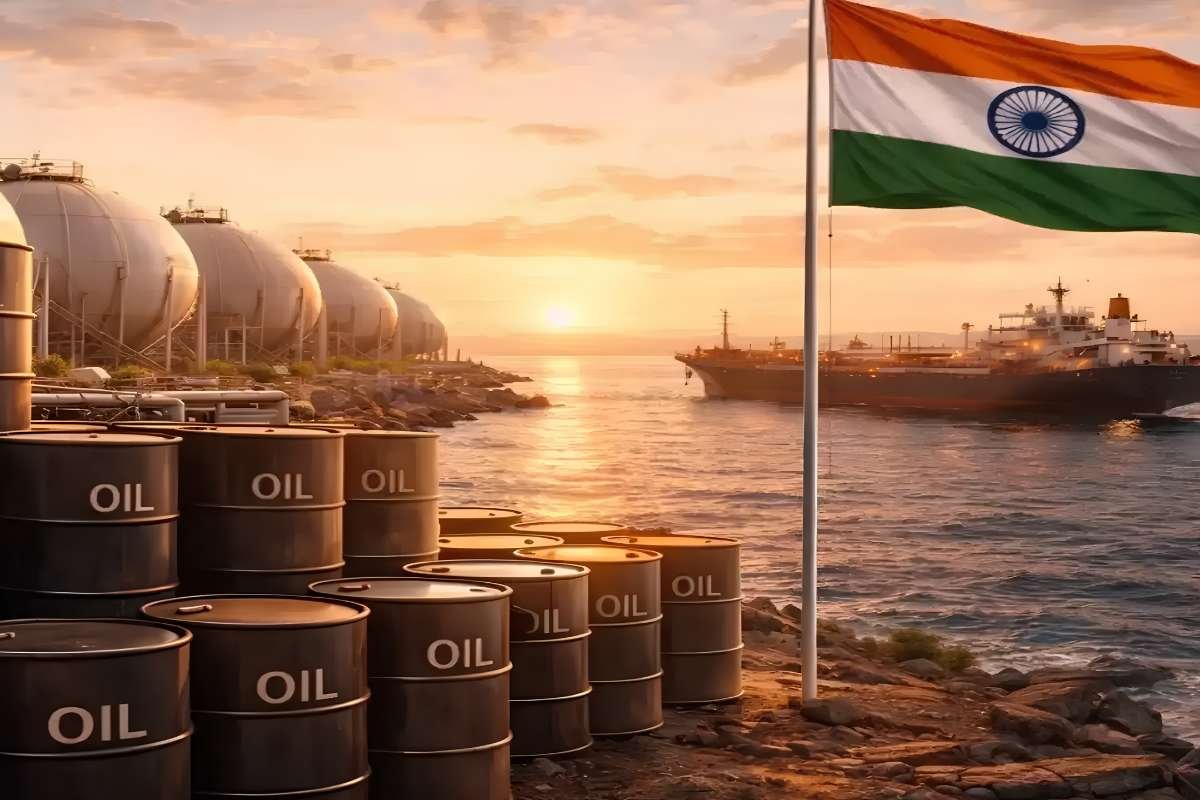
For India, the developments carry immediate economic implications. The country imports more than 80 percent of its crude oil, much of it routed through the Strait of Hormuz. Any increase in transit or shipping costs directly affects domestic fuel prices and inflation.
Higher crude costs could strain public finances if the government moves to cushion consumers through tax cuts or subsidies. Refiners such as Indian Oil Corporation and Reliance Industries are likely to face tighter margins if input costs rise.
Beyond pricing, the situation also raises concerns about supply stability. Disruptions or uncertainty in the Strait can lead to shipment delays, higher insurance premiums, and reduced availability of critical imports, including fertilizers.
India is expected to maintain a cautious diplomatic stance, balancing ties with Iran, Gulf nations, and the United States while prioritizing uninterrupted energy flows.
Experts say the combination of transit fees and geopolitical risk could amplify volatility in energy markets, increasing the likelihood of cost-driven stress for major importers. For India, the immediate priority remains ensuring a stable supply while managing the economic impact of rising energy costs.