
“Entrepreneurship is living a few years of your life like most people won’t, so that you can spend the rest of your life like most people can’t.”
Entrepreneurship isn’t a race to the top; it is a journey. And just like every journey, this one can be perilous at times. The highs, the lows, and the in betweens are all part of the success stories of Indian entrepreneurs.
When we look at successful entrepreneurs today, we see their success, their money, and their multinational, multimillion-dollar brands and corporations. But behind all those façades are humans with sleepless nights and tireless days.
The goal is to work so hard that you won’t have to work again. And today, in this blog, we will join these big names on a journey and check out the success stories of Indian entrepreneurs.
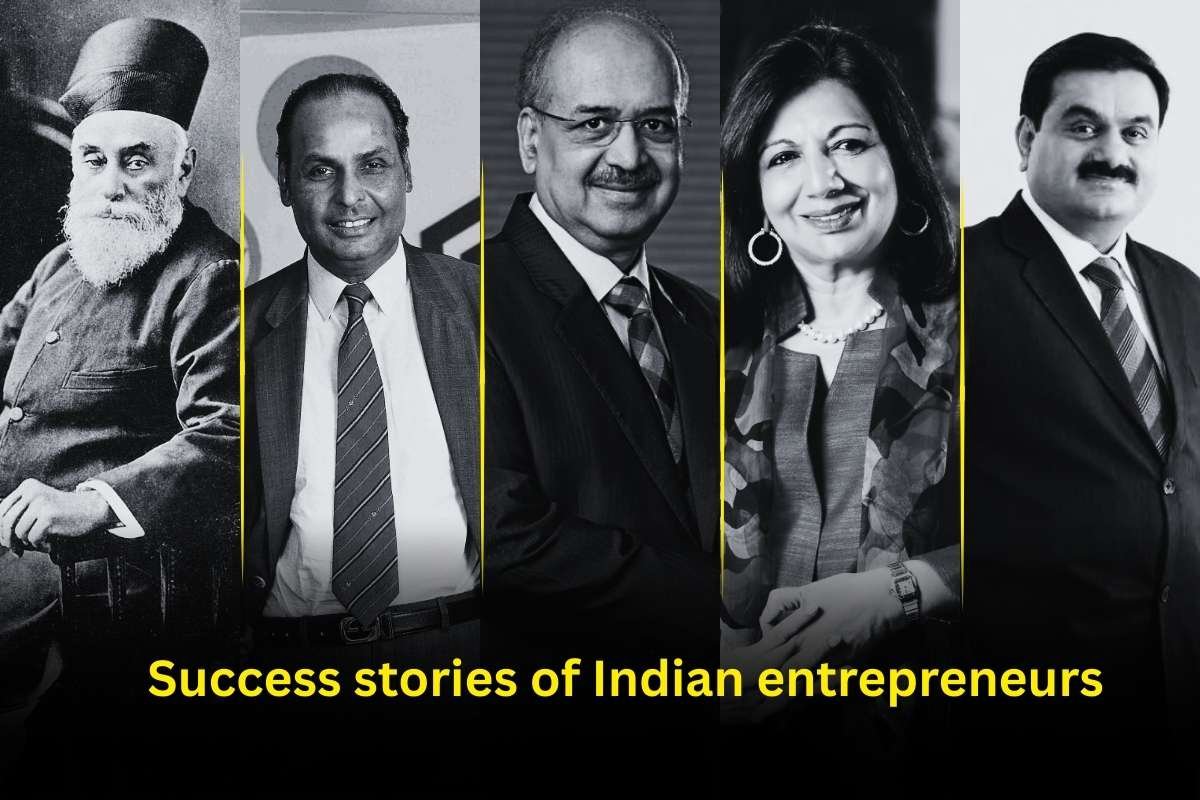
10 Success Stories of Indian Entrepreneurs Who Rose Against All Odds
Here are 10 success stories of Indian entrepreneurs. Let’s see how they reached where they are. We will go through all the challenges, sorrows, and successes they faced to reach greatness.
1. Jamsetji Tata
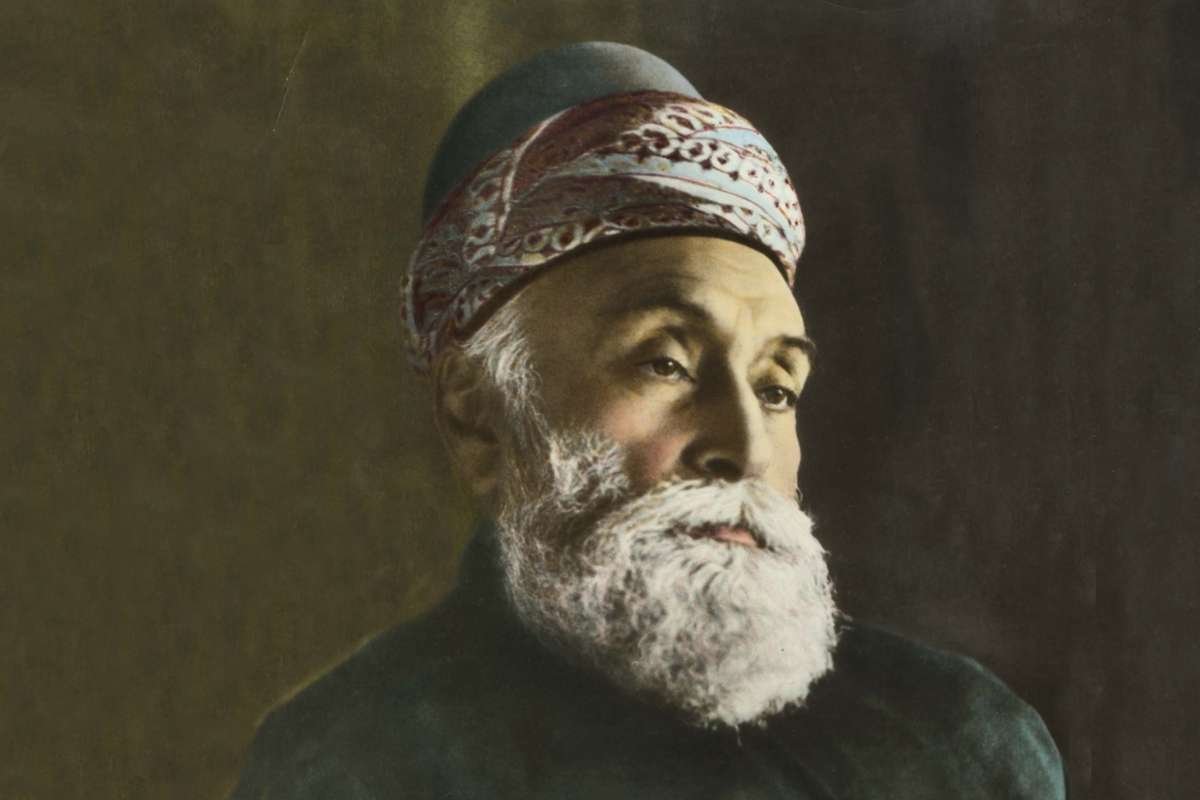
Today, the Tata Group is the biggest conglomerate globally. In 2025, it was valued at $31.6 billion, but it all started with a son who returned to India from China to join his father’s business. Jamsetji Tata changed not just the India he lived in, but the India that was to come.
At 29, he founded a trading company in 1868 with ₹21,000 as capital investment. Later, he realised the cotton industry was blooming, and he knew that it was the future of business. So, the very next year, he bought a rundown, bankrupt mill in Chikpoli and converted it to a cotton mill. In 1874, he founded the Central India Spinning, Weaving, and Manufacturing Company in Nagpur.
People scorned him, laughed at his face for the stupid decision. Why wouldn’t they? Who in their right mind would leave the “Cottonopolis of India,” Mumbai, and start a cotton factory in Nagpur? But Jamsetji had a vision. He had a goal—not one goal but four.
He wanted to open an iron and steel company, a world-class learning institution, a unique hotel, and a hydroelectric plant. And while all of these dreams eventually did come true, the dreamer himself couldn’t see the fruit of the very tree he sowed.
Key Takeaway:
- Evaluate the Market: Jamshetji evaluated and realised that the cotton industry was the future.
- Plan Ahead: Jamshetji Tata always planned on building a hotel, setting up an iron and steel company, and a learning institution.
- Pay Attention to Criticism, not Condemnation: People criticised him for his decision to set up a factory in Nagpur over Mumbai, but he already knew why he was doing so.
2. Dhirubhai Ambani
He was the most famous Indian entrepreneur of all time. His success stories are an inspiration to businessmen and women of every generation. A son of a poor school teacher from Gujarat travelled to Bombay with nothing but dreams.
He said, “If you don’t build your dream, someone will hire you to help build theirs.” And with that, he travelled to Bombay. He tried and failed, and he tried some more.
Dhirajlal Hirachand Ambani, the father of the Indian Capital Market, started Reliance with nothing but $300 (₹14000) and in three decades turned those ₹14000 into ₹60,000 crore. His sons and grandchildren enjoy a life no Indian can, all because the kid from Gujarat couldn’t stop dreaming.
When we think of Ambanis, we think of Antila, but Dhirubhai spent his days in a small 350 sq. ft. (33 m2) room, which he called his office. Was it dumb? Probably. Did he look delusional? Surely. But the success stories of Indian entrepreneurs tell us that the difference between delusion and reality is your sweat and effort.
From a young child in a poor house in some isolated village in Gujarat to the top of Antila in Mumbai, Dhirubhai showed us the power of dreams and the persistence of those who pursue them.
Key Takeaway:
- Dream Big and believe it: Dhirubhai Ambani had a dream, and even against all odds, he believed in it.
- Hard Work Matters: The story of Ambani is the story of hard work and persistence.
- There is no failure, only surrender: Dhirubhai Ambani failed multiple times, but he kept trying.
3. Dilip Shanghvi
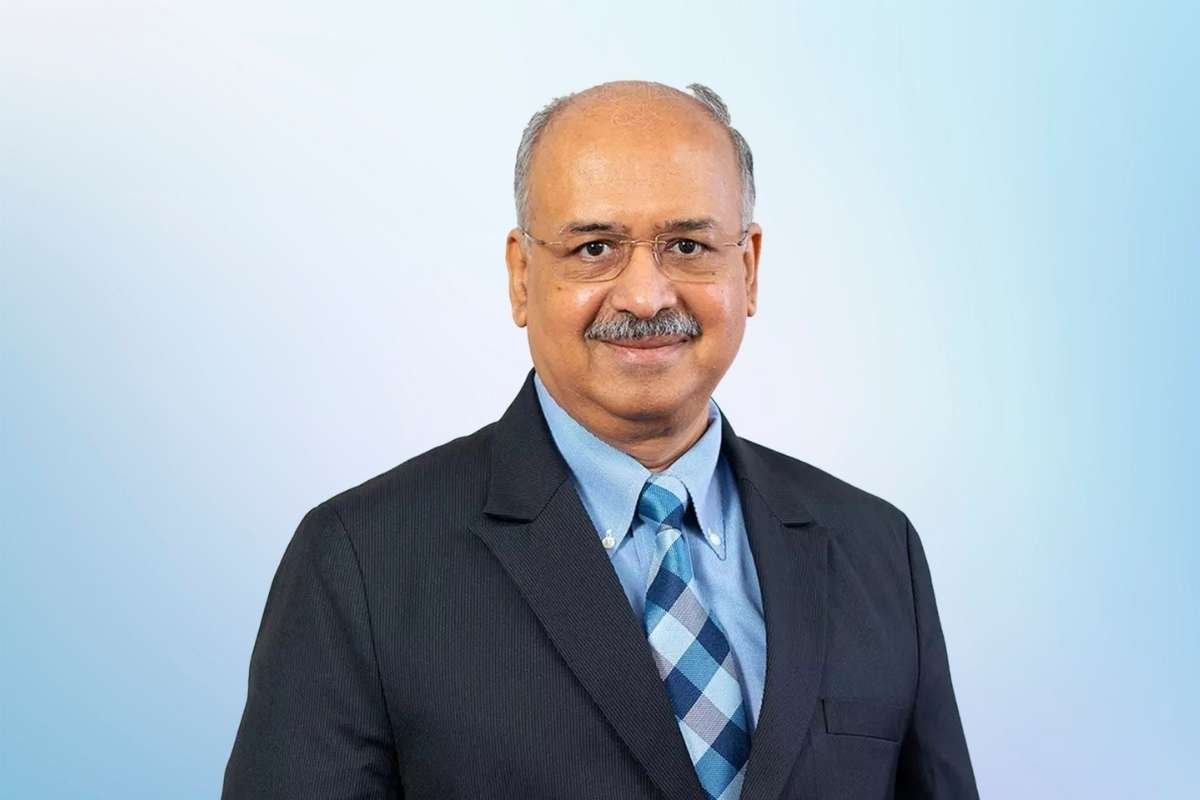
Do you know what percentage of India is suffering from depression? The National Health Survey showed that 1 in 20 Indians suffer from depression. Mental health is so undermined in our country, and yet a name arose in the 1980s, Dilip Shanghvi, who entered the pharmaceutical industry with a concentration on psychiatric medicines.
He started Sun Pharmaceutical with a loan. When he started, the company had only one manufacturing facility in Vapi, Gujarat. He understood his company wasn’t big enough to cover all types of medicines, so what did he do? He picked a single niche, and he started focusing on Psychiatric drugs.
But that was just the beginning. His leadership at Sun Pharma made them the largest generic pharmaceutical company in India. His goal was always to provide affordable medicines to the common people, and anyone who has visited a generic pharmacy will tell you, it’s no longer a dream.
If you truly want to get into the mind of this brilliant businessman, read “The Reluctant Billionaire.” Today, Dilip has been honoured with Padma Shri by the Indian government. He was ranked 8th in India’s most powerful people of 2017 list by India Today.
Key Takeaway:
- Find your niche: Dilip started with a single niche, psychiatric medicines.
- Understand the market: Psychiatric drugs weren’t majorly developed in India until Sun Pharma.
- Expand: Once Sun Pharma was profitable, Dilip spread his arms into other medicines and drug development. He even invested in research and development.
4. Kiran Mazumdar-Shaw
When we talk about the pharma industry, we cannot forget the lady who rules it, Kiran Mazumdar-Shaw. According to Forbes, she is the 93rd richest person in India in 2025, but that wasn’t always the case.
She was born to a brewmaster in Bangalore without a business background. Her story began when she went to Ballarat College, Australia, to study malting and brewing. In 1974, she was the only woman in her batch.
The backwardness of Indian society and the lack of opportunities in the brewery led her to leave India and move to Scotland. But then came 1978, and in a small garage with a seed investment of ₹10,000, she started Biocon Limited. And India found out about Biotechnology.
Thanks to her degree in malting and brewing, she already knew everything about enzymes and bacteria, two key components of biotechnology. In her early days, her young age, gender, and non-business background made everyone question her.
‘Your business model is not tested!” they said. But she didn’t stop.
Her first employee was a retired mechanic who helped her set up her business, and today Biocon has more than 16000 employees worldwide.
Key Takeaway:
- Small Start can turn into Big End: Kiran’s company started with a retired mechanic and a garage and turned into a multinational company.
- Challenge Old Ways: The only female student to study her degree, entering business without any knowledge. Kiran’s story is one of revolt and change.
- Everything is Useful: While it may have seemed like her degree was useless at the time, it came in handy when she started her own biotech company.
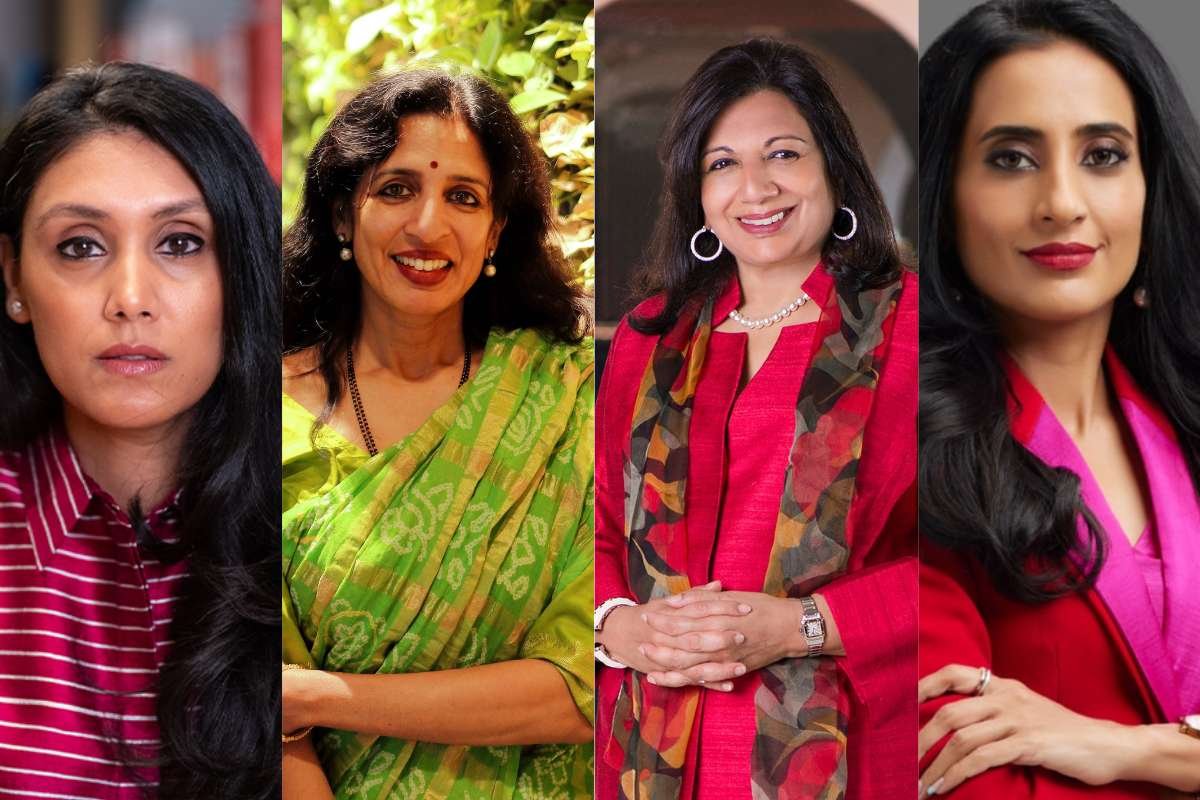
Who are the most successful women entrepreneurs in India? Find 19 at the top of the game
In this blog, we shall take a look at the top women entrepreneurs in the country who have made a huge impact.
5. Gautam Adani
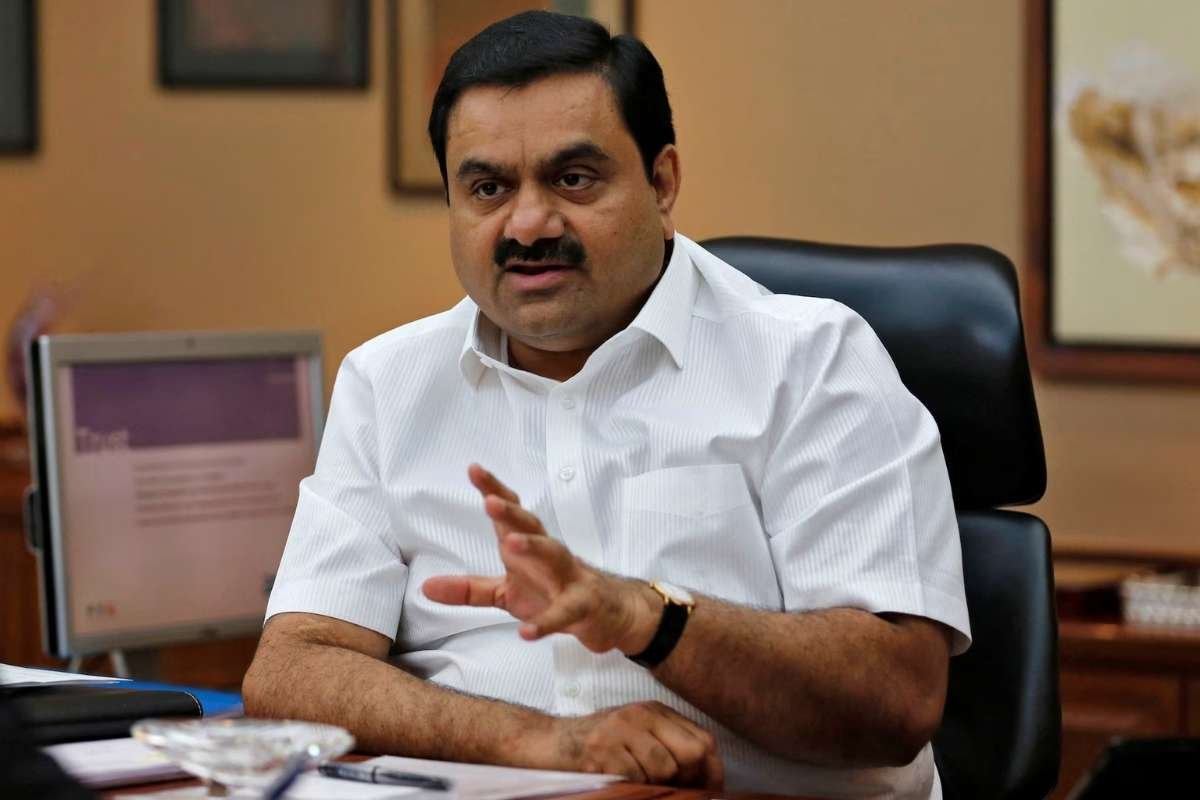
We are midway through the success stories of Indian entrepreneurs, which means we should mention the biggest entrepreneur in the country right now. Gautam Adani started as a diamond sorter in his teenage years. While he did come from a business family, he was not interested in following the same business as his father.
To pursue his dreams, he dropped out of school, migrated to Mumbai, and started working as a diamond sorter for the Mahendra brothers. For three years, young Gautam worked tirelessly, but then in 1981, his elder brother bought a plastics unit in Ahmedabad and invited him to manage the operations.
Adani took this opportunity and went back to his state, and the rest is history. In 1988, Adani founded Adani Exports, now known as Adani Enterprises, the holding company of the Adani Group.
Originally, the Adani group was focused on power utilities and agriculture, but then came liberalisation. Adani used this opportunity to expand his company into other sectors. And just like that, Adani was everywhere. Metal, cement, real estate, railways, you name it! The Adani group had a share.
According to their own reports, the Adani group was responsible for 9% of India’s infrastructure. All because a 16-year-old boy left school and decided to find his path. A path to becoming the second richest man in India.
Key Takeaway:
- Take Risk: Adani left his father’s already established business and moved out of his hometown to find his path.
- Explore Opportunities: Whether it was entering the power utility market or real estate, Adani knew how to explore.
- Age is just a Number: In its essence, Adani’s story is the story of a 16-year-old kid who just dropped out of school.
6. Aman Gupta
“We will meet in the market” (Abhi Siddha market mein milenge) were Aman Gupta’s words to his manager when he left his stable job at an electronics company. Risky? Probably, but was it worth it? Yes. But all success stories of Indian entrepreneurs start with risk, don’t they?
When Aman Gupta started BoAt, the Indian electronic market was dominated by foreign brands like JBL and Sony. While their products were of top-notch quality, they were expensive for your average Joe. There was an opportunity waiting to be grabbed.
Aman Gupta created a brand that was affordable, stylish, and offered high-quality wearables. Something for the Indians by an Indian. It was ambitious, something unseen in the Indian market. But it was also necessary. It was necessary to show what Indian companies were capable of, and it was important to show that quality doesn’t come from expense.
And with that, in 2013, BoAt was born in a small room at Hauz Khas Social. He and his partner, Sameer Mehta, started the brand with an initial investment of ₹30 lakh. Now the amount might seem a lot, but for a company that wanted to produce and sell wearables, it wasn’t much.
They focused on developing high-quality products at economical costs and used digital marketing to promote them. Social Media played a big role in BoAt’s popularity. They used tactics like influencer marketing to get their products to the people.
In 2025, BoAt is estimated to be valued at ₹12,600Cr. Though there are hundreds of new Indian wearable brands, BoAt remains the most bought one.
Key Takeaway:
- Fill in the Market Gap: Aman Gupta saw the lack of Indian brands in the wearable space.
- Compromise price not quality: Consumer desire for affordable product, but they love it when it is also high quality, and that’s what Aman Gupta figured out.
- Marketing Matters: BoAt’s strength is in its marketing tactics. The only reason BoAt became a household name is because of the influencer marketing it applied.
7. Nikhil & Nithin Kamath
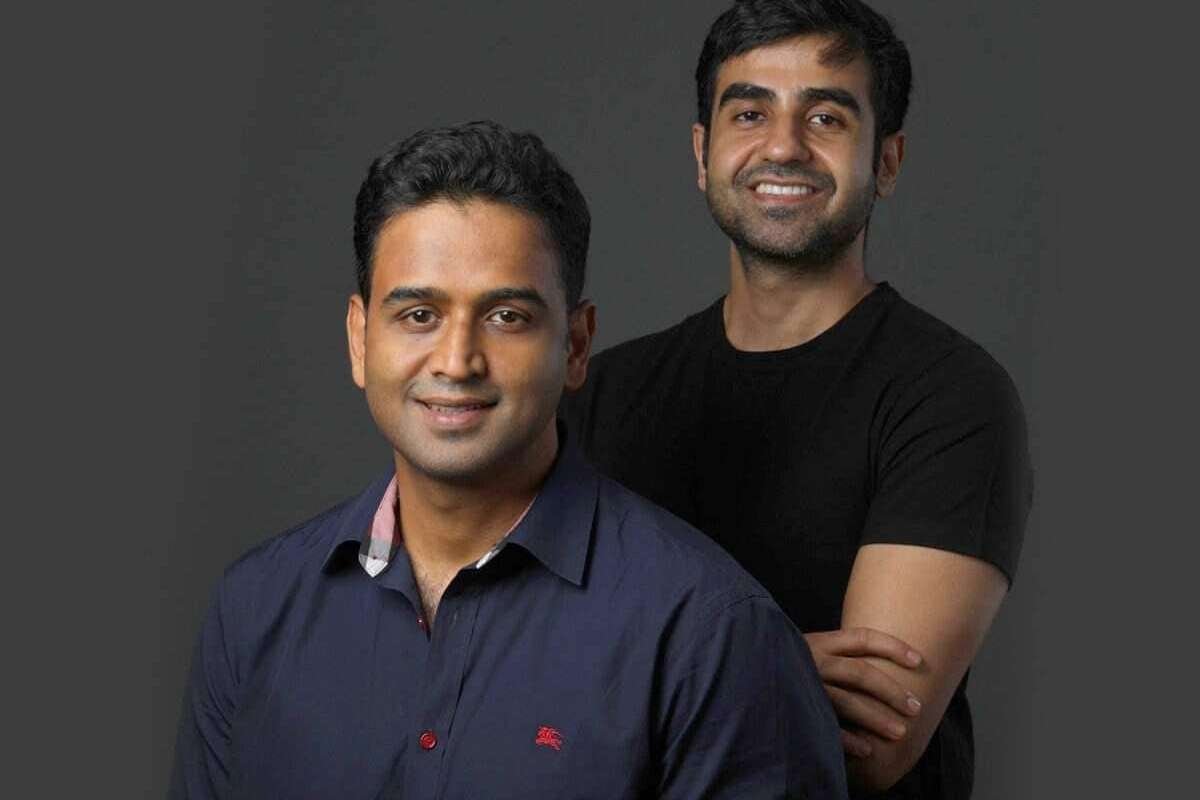
The Stock Market is a place where dreams are built and destroyed in a matter of seconds. The market wasn’t always as simple or cheap to navigate as it is today. You could say it wasn’t everyone’s cup of tea. And during such times, two brothers from Bangalore entered the scene.
Nitin realised that Nikhil was a better trader, and he himself was a good broker. To quote him, he said, “I quickly realised that Nikhil is a better trader than I am because at that point in time we were trading money and I was also doing this side hustle of brokering business. In 2008-09, I said if he is better at trading than me then why not he continue trading, and maybe I can go to brokering permanently?”
And with that, the duo founded Zerodha with one goal: zero rodha (Rodha is Sanskrit for Barrier). The goal was simple: to create a platform that removes all barriers and obstacles faced by traders like them.
They were young, energetic, and full of new ideas, and their new platform reflected it. The Kamaths introduced the discount brokerage model to the Indian market. They created an accessible stock-trading platform for individuals of every walk of life.
The brothers used social media to create a brand and expand their reach. They are one of the most popular entrepreneurs in India right now. As these two continue, we might be witnessing the next great success stories of Indian entrepreneurs, like Jamsethji Tata and Dhirubhai Ambani.
Key Takeaway:
- It’s not the problem you discover, it’s the solution you find: Kamath’s success came from creating an accessible platform, something that was non-existent before Zerodha.
- Partnership Matters: The partnership between the brothers is the foundation of their success. Zerodha would not exist without the two.
- Branding is Key: We live in an era where people don’t buy products, they buy brands, and the Kamath brothers understood this. They are not just entrepreneurs, they’re brands.
8. Ritesh Agarwal
At the age of 17, Ritesh Agarwal founded Oravel Stays, the parent company of OYO. The idea was to create an Indian equivalent of Airbnb. It started with just one patron, Rajesh Yadav, who gave his house at C68 South City 1, Gurugram, India.
When he was 17, Ritesh travelled to various parts of India. As young as he was, he had to spend his days in bed and breakfast guesthouses. According to him, he spent most of his time at more than 100 such guesthouses.
But this made him realise one thing: a huge market was completely unexplored in India. The United States has Airbnb, an affordable alternative to hostels, but what about India? And with that, OYO Rooms was born.
What started with just one house in Gurugram has turned into the largest hotel chain in India today. As of the end of 2025, OYO has 174,000+ rooms available in more than 35 countries. And in 2020, Ritesh became the second youngest self-made billionaire in the world.
Key Takeaway:
- Identify and Explore: Ritesh journeyed across India, and during his time, he identified the actual potential of the hospitality industry.
- Travel Around: Ritesh’s story shows us that entrepreneurship is about solving problems, and you cannot solve them unless you explore the world.
- Start Small, Grow Big: OYO’s start was smaller than most hotels, yet today it is the largest chain in the hospitality industry.
Read More:
- Meet the 10 Young Entrepreneurs of India who are quietly reshaping industries
- Business Magazines in India: Shaping the Nation’s Entrepreneurial Landscape
9. Peyush Bansal
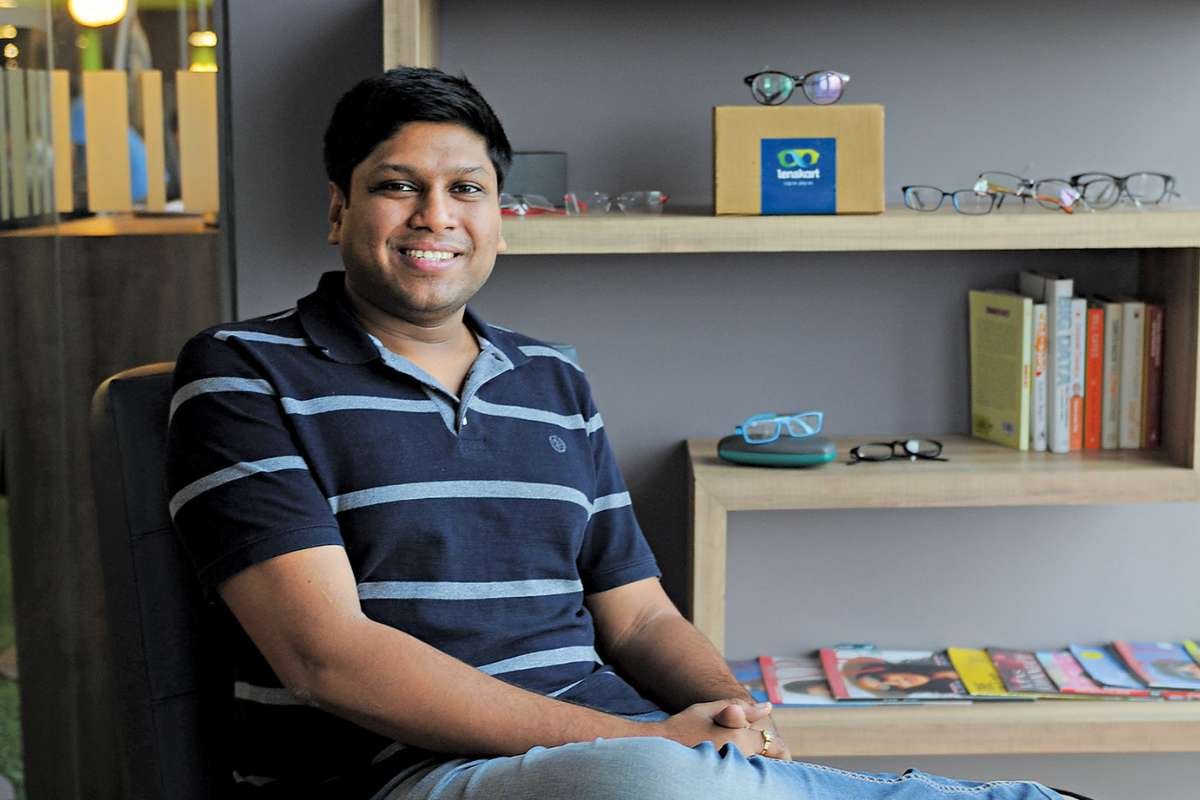
Just like most success stories of Indian entrepreneurs, Peyush’s story started with failure. He wanted to pursue a degree at IIT, but he failed the entrance exam. But that did not stop him from pursuing a Bachelor of Engineering Honours in Electrical IT, Control, and Automation from McGill University, Canada.
After his degree, he worked at Microsoft for a short period. But Peyush knew he wasn’t made to sit in a cubicle listening to orders. He had a vision, and he knew he had to follow it.
He had a lucrative salary, a stable job, and a good position at one of the biggest companies in the world. But he wanted something of his own, and with just that, he returned to India.
No prior experience in business, no business idea, no model, all Peyush had were dreams and visions. In his initial days, he experimented with various sectors. He started SearchMyCampus, an online portal to address issues faced by college students.
He also started various niche businesses, Jewelkart, Watchkart, and Bagskart, all of which failed. He tried another venture, Flyr, which failed as well. But none of this made him rethink his decision. Peyush continued experimenting. And in 2010 came his breakthrough.
One day, in the comfort of his home, Peyush read about the eye problem in India, and he knew what he needed to do. A small news article read in a room became the genesis of Lenskart.
Key Takeaway:
- Risk needs to be taken: Peyush left his stable career, and he experimented with various businesses. Everything he did was risky, but it was a necessary step in his success story.
- Experiment until you formulate a winning formula: Bagskart, Watchkart, and Jewelkart all failed. But he experimented again and again until he found what he wanted to do.
- You cannot fail unless you quit: Failed IIT, failed multiple businesses, but he did not quit.
10. Byju Raveendran
Did you know India has the world’s second-largest higher education system by volume? And in a country with as many students, the education sector is the perfect place for an entrepreneur to start. And Raveendran understood it. Born to teachers, Byju was ingrained with the importance of education from a very early age.
While he knew the importance of education, young Byju did not care about it. He skipped most of his classes to go and play. He played more than 6 sports, with football being the closest to his heart.
His parents wanted him to become a doctor, but Byju chose B.Tech. After his degree, he started working at a multinational shipping company as a service engineer. He wasn’t planning on changing his career or starting a business.
But then he helped a friend with his upcoming CAT test. When Byju took the CAT test, he scored 99 percentile. Could be a mistake? That’s what Byju thought. He retook the test, and lo and behold! Another 99 percentile.
This sent him on a journey of helping other students clear the CAT exam, one of whom eventually became his wife. And this led to him starting Byju’s, India’s largest ed-tech company.
Key Takeaway:
- Choose your own path: Going against his parents’ wish, Byju pursued B.Tech. His degree helped him when he launched his study app.
- It’s not too late: Byju did not have a plan to become an entrepreneur; he just became one. He entered business at a very late stage of his career.
Conclusion
And that’s the 10 success stories of Indian entrepreneurs. To sum up the blog, entrepreneurship is about never quitting, experimenting, researching, and fighting for your place in the world. India is a diverse country with a big market. It has a place for everything and all things. It is important to find your niche and sector.
Each of these entrepreneurs has a unique story to tell, but there was one thing common in all of them, and that is the main takeaway from this blog. So what is it? India is a country of improvisation, and to be a good entrepreneur, you need to learn how to improvise.
In the end, the difference between a failure and a success is the way the person improvised on an already set pattern. So, if you are an entrepreneur reading these success stories of Indian entrepreneurs, here’s some advice: find your sector, find a problem, and solve it.
FAQs
1. What are the key sectors driving entrepreneurship in India?
Key sectors include FinTech (payments, lending), E-commerce (D2C brands), EdTech (online learning), and core Technology (AI/ML). India is rapidly digitising all industries.
2. What are the common challenges faced by Indian entrepreneurs?
Challenges include securing early-stage funding, navigating complex regulations/compliance, finding and retaining skilled talent, and dealing with infrastructure and logistics hurdles in smaller cities.
3. What is the role of the Indian government in promoting entrepreneurship?
The government supports startups via the Startup India Initiative, offering tax benefits and easier compliance. Schemes like the Seed Fund and Mudra Yojana provide crucial capital.
Thanks for Reading!
Learn More
Indian Startup Ecosystem: Driving Innovation and Growth