

Key Points:
- The Pune Grand Tour is India’s first UCI 2.2 multi-stage cycling race, attracting 171 riders from 35 countries.
- Pune upgraded roads and infrastructure in just four months to host the event.
- The race boosts tourism and cycling exposure, though the sustainability of such rapid projects is debated.
Pune on Sunday began hosting India’s first UCI 2.2 multi-stage cycling race after a four-month sprint to rebuild roads, betting that a global sporting deadline could revive infrastructure and restore its cycling legacy.
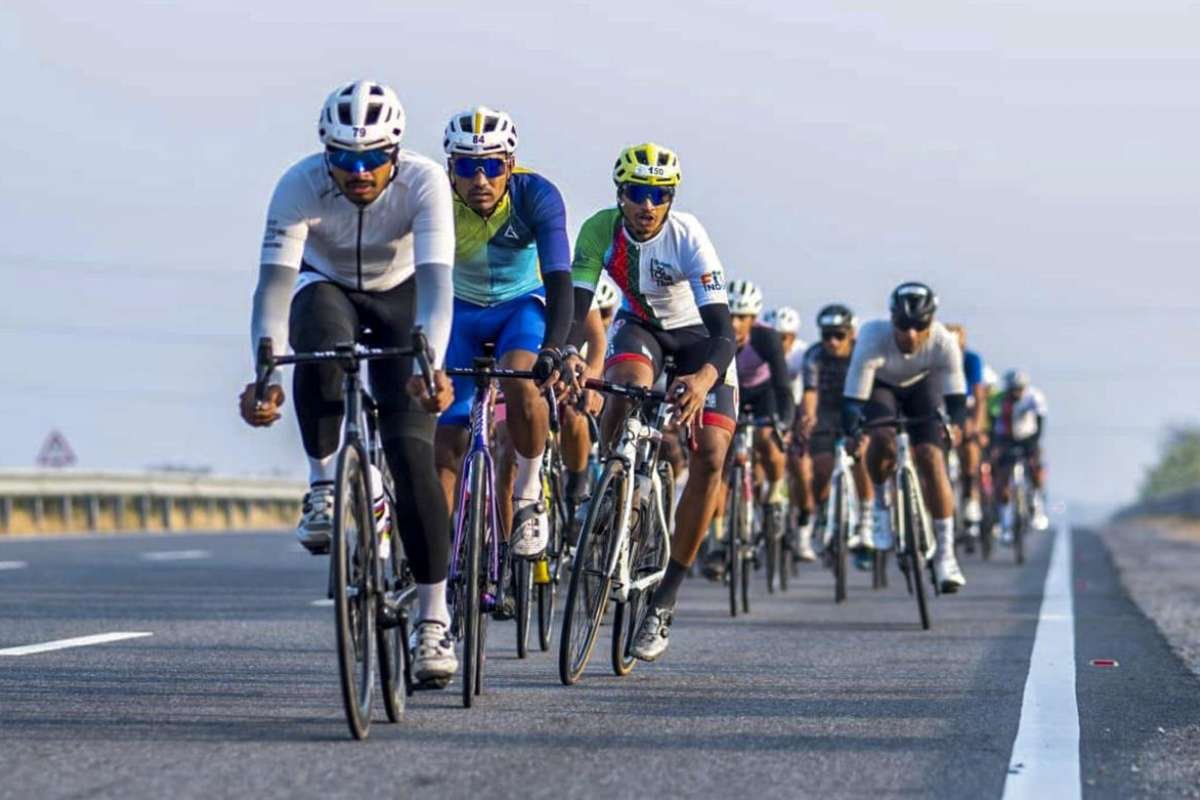
Pune launched the Bajaj Pune Grand Tour on Jan. 19, marking the country’s largest Union Cycliste Internationale 2.2-level race by participation. The event features 171 riders from twenty-nine teams representing thirty-five countries across a 437-kilometer route.
Once known as India’s “cycle city,” Pune had long ceded that reputation to motor traffic, with more than seventy-two lakh vehicles crowding its streets. Cycle tracks laid years ago had largely vanished, prompting skepticism when officials announced plans to host a world-class cycling event.
Four months later, the race is underway, supported by upgraded roads, safety measures and hospitality infrastructure. Organizers say the scale and speed of preparation demonstrate how international sport can accelerate long-delayed civic work.
City Wins UCI Approval and Rebuilds Roads on Tight Deadline
The idea of hosting the Pune Grand Tour took shape in early 2025 after the state government asked district officials to propose development initiatives for Pune. District Collector Jitendra Dudi said a cycling race tied to the city’s past offered the strongest push for infrastructure upgrades and global visibility.
“We wanted something linked to Pune’s identity that would force us to deliver on time,” Dudi said. “International sport creates that pressure.”
The administration approached the Cycling Federation of India in June 2025, just days before the UCI application deadline. A presentation showcasing routes through Mulshi, Maval, Rajgad and Purandar, along with heritage sites and rural landscapes, won approval from the UCI committee in September.
After the monsoon, officials had roughly three to four months to prepare. About Rs 500 crore was diverted to road repairs, widening and resurfacing. More than two thousand speed breakers were removed from the race route, and contractors faced daily fines of Rs 1 lakh for delays, along with five-year maintenance clauses.
Tournament director Pinaki Bysack, who oversaw preparations on site, said the pace surprised him. “When I first saw the roads, I thought the Pune Grand Tour was impossible here,” he said. “The coordination between agencies changed that.”
Officials Pitch Sport as Catalyst for Tourism and Development
The Pune Grand Tour is already the largest UCI 2.2 event globally, surpassing the usual average of about one hundred twenty-five riders. Points earned count toward Olympic qualification, giving Indian cyclists rare exposure to international competition.
Of the total route, about seventy-five kilometers run within Pune city limits, fifty-two kilometers through Pimpri Chinchwad, and the remaining distance across rural areas. Authorities plan to make the race annual, adding a new one hundred kilometers each year that would also require upgrades.
In rural stretches, about one hundred thirty villages now have rebuilt roads. Administrators say improved connectivity could benefit agriculture, small industries and agro-tourism by reducing transport time and waste.
“With the broadcast, viewers will hear about our culture, forts and farming,” Dudi said, adding that tourism promotions will run during the live telecast. Former Indian cricket captain MS Dhoni was named brand ambassador last week.
Experts Debate Whether Event-Driven Fixes Are Sustainable
Cycling Federation of India Secretary General Maninder Pal Singh said the race fills a major gap for Indian riders. “Cycling is one of the biggest Olympic sports, and exposure matters,” he said. “This gives our athletes direct competition and visibility.”
Organizers hope to upgrade the event to a higher UCI category in the coming years. Singh said other states, including Tamil Nadu and Uttarakhand, have sought guidance on replicating Pune’s model.
Urban planners, however, remain divided. Town planner Anita Benninger cautioned that spectacle-driven projects may overlook deeper issues. “Cities should focus on reducing congestion and improving livability,” she said. “More tourism also means more vehicles.”
As cyclists race through Pune’s rebuilt roads, the Pune Grand Tour experiment is being closely watched, raising a broader question for India’s cities: whether sport-led deadlines can deliver lasting urban change.
Visit Business Viewpoint Magazine For The Most Recent Information.