


Key takeaways:
- The US suspended major Indian IT firms from its permanent labour certification program.
- The affected companies include Cognizant, Infosys, Tata, Wipro, and HCL.
- NASSCOM said Indian technology companies have reduced their reliance on H-1B visas.
The United States has suspended several major technology companies from its Permanent Labour Certification Program, which allows employers to sponsor foreign workers for permanent employment and residency. The affected firms include Indian IT companies such as Infosys, Tata, Wipro, HCL, and Cognizant, along with global technology businesses including Microsoft, Adobe, and Capgemini.
The Indian IT firms green card ban could affect the companies’ ability to pursue green card applications for foreign workers through this program. US officials said the move targets practices they believe have displaced American workers, while India’s technology industry has highlighted changes in hiring patterns and reduced reliance on H-1B visas.
US action targets permanent labour certification applications
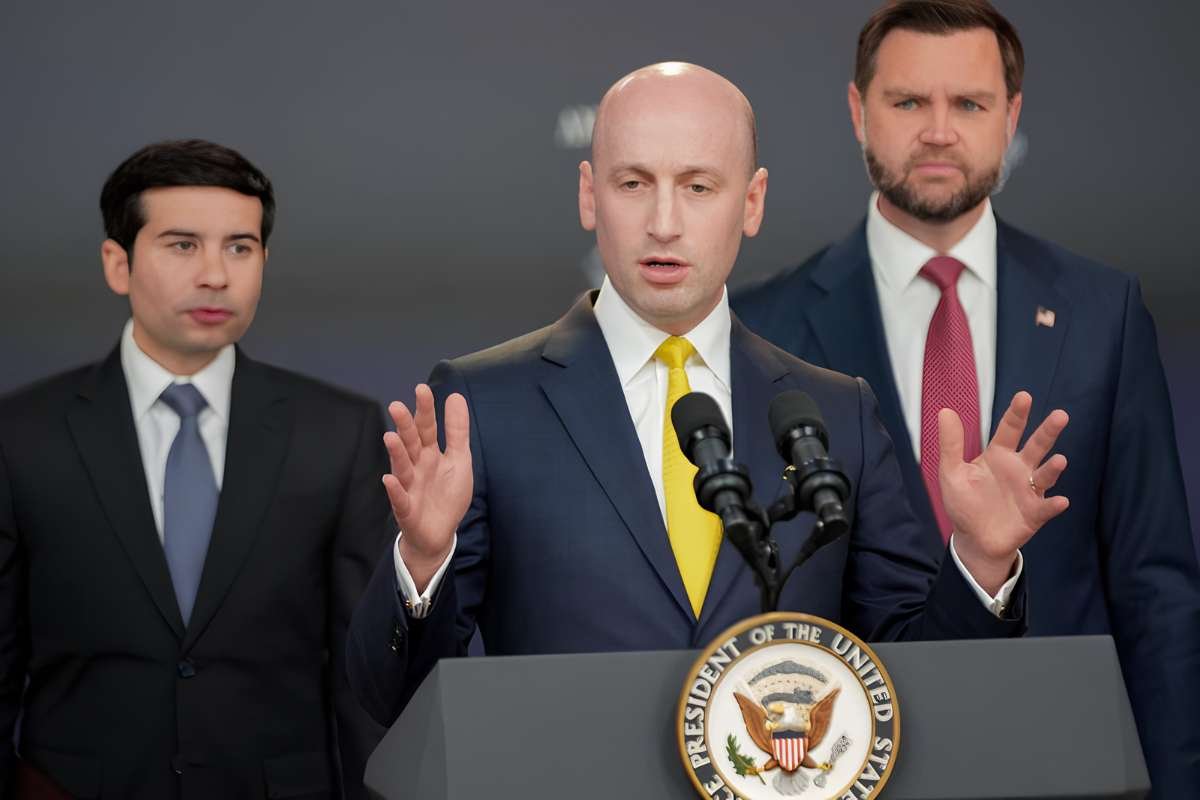
US Labour Secretary Keith Sonderling announced the suspension, stating that the government would not accept new applications or process pending permanent labour certification applications involving the affected companies.
According to figures cited by Sonderling, the companies collectively requested nearly 3 million foreign workers since 2009. They received more than 230,000 H-1B visa approvals and over 100,000 permanent labour certifications during that period.
The Permanent Labour Certification Program allows employers to sponsor eligible foreign workers for permanent employment in the United States. H-1B visas, meanwhile, permit employers to hire foreign professionals in specialised occupations. The two pathways serve different purposes, although some workers may use them at different stages of their employment.
Microsoft also faced specific criticism from US Vice President JD Vance. He said the company laid off 6,000 American workers in 2025 while receiving approval for more than 6,000 H-1B visas. He also cited 3,682 permanent labour certification applications filed by Microsoft, including nearly 1,000 for positions he said matched roles held by workers who had been laid off.
The affected companies include businesses with significant operations in technology services, software, consulting, and digital products. The suspension concerns their participation in the permanent labour certification program and does not, by itself, establish that all their existing foreign workers must leave the country.
The Indian IT firms green card ban follows other changes to US work visa policy, including an extension of restrictions involving a proposed $100,000 fee for H-1B nonimmigrant visas.
NASSCOM highlights changes in Indian IT hiring
India’s technology industry body NASSCOM said the suspension affects a specific immigration pathway and stressed that immigration and skilled talent mobility are separate issues.
The organisation said Indian technology companies have significantly reduced their dependence on H-1B visas over the years. It also noted that these companies have expanded local hiring and built larger workforces in the United States.
Indian IT service providers supply technology, consulting, and digital services to major US businesses. Their staffing models include employees based in India, locally hired workers in the United States, and professionals who travel between markets for specific assignments.
Changes to work visa and permanent residency processes could affect how companies plan staffing, manage employee transfers, and retain experienced foreign professionals. The extent of any business impact will depend on how the suspension is applied to individual companies and pending applications.
The announcement does not provide a detailed timeline for reviewing the suspensions or explain how each affected company’s pending cases will be handled. The companies named in the decision include some of the largest Indian IT service providers, making the Indian IT firms green card ban relevant to firms that rely on international talent to serve global clients.