


Key Takeaways
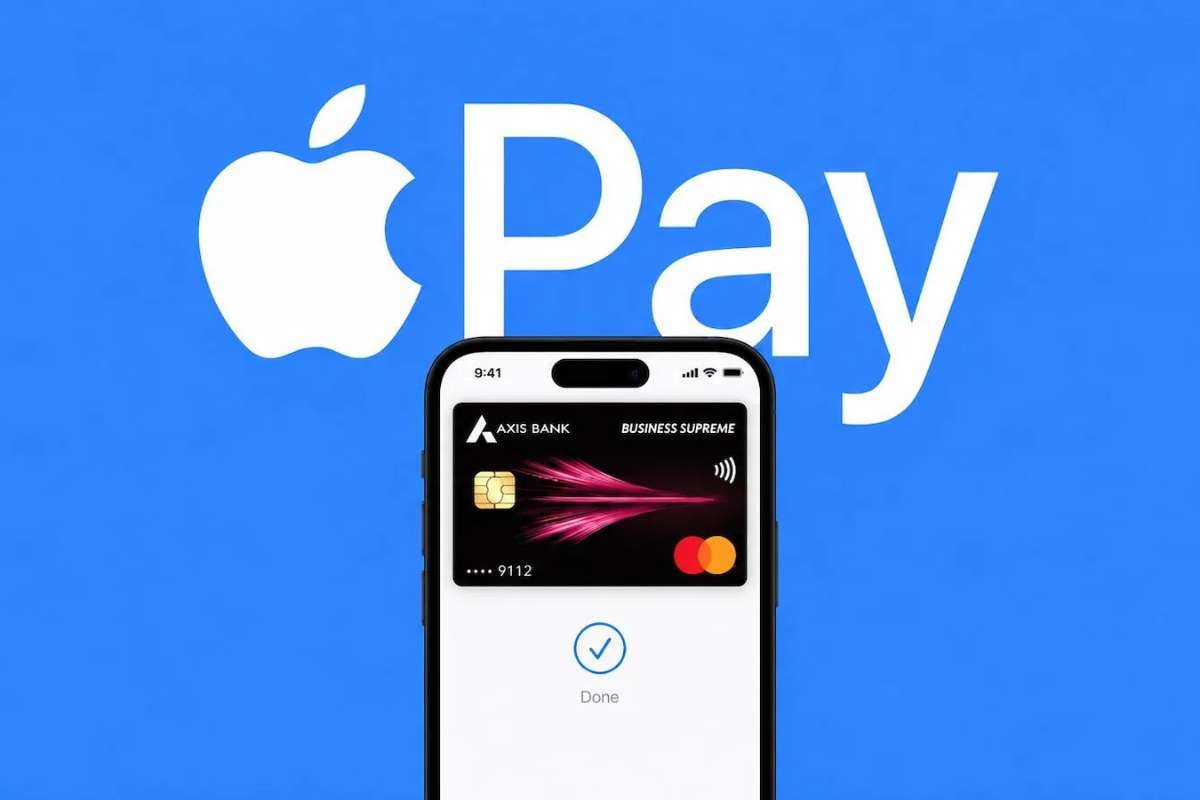
- Apple Pay launches in India with eligible Axis Bank cards initially.
- The service supports Visa and Mastercard, but excludes RuPay cards.
- Apple is seeking a 0.2% transaction fee from participating banks.
Apple Pay India has begun rolling out with Axis Bank as its first banking partner. The launch brings Apple’s card-based payments service into a market where UPI handles most digital transactions. The initial rollout remains limited to eligible Axis Bank cards and participating merchants and payment terminals.
Apple pay India starts with a limited rollout
The service supports eligible Axis Bank cards issued on Visa and Mastercard networks. RuPay cards are not supported at launch. Customers with eligible cards can add them to Apple Wallet and use Apple Pay for online purchases and contactless payments at supported terminals.
Acceptance may vary between merchants because payment terminals and acquiring banks need to enable Apple Pay. As a result, an eligible card may work at one terminal but not another, depending on whether the payment infrastructure supports the service.
The launch also comes after years of delays in bringing Apple Pay to India. The country’s payments market differs significantly from card-focused markets such as the US. UPI allows consumers to make direct bank account payments through mobile applications and QR codes, reducing the role of cards in everyday digital transactions.
Apple Pay instead relies on card networks, issuing banks, acquiring infrastructure, and merchant acceptance. This creates more integration requirements for a broad rollout.
Commercial terms have also affected participation from major banks. Apple is seeking a transaction fee of about 20 basis points, or 0.2%, according to people familiar with the discussions. The commercial terms surrounding Apple Pay India could influence how quickly additional banks join the service. Payments businesses in India typically operate on margins of about 40 to 50 basis points, making Apple’s proposed fee a significant portion of the payments layer economics.
HDFC Bank, ICICI Bank, and SBI Card are not supporting Apple Pay at launch as discussions over commercial terms continue.
Apple pay India expands apple’s payments business
The initial partnership with Axis Bank gives Apple access to customers using eligible premium cards, while the company can gradually expand its banking and payments relationships. The size of India’s iPhone user base also provides a potential customer pool for the service.
Apple’s smartphone business has been expanding in India. The company accounted for 28% of India’s smartphone market by value in 2025, compared with 23% in 2024. India also accounts for about 25% of global iPhone production, with that share potentially reaching 30% to 35% over the next 5 years.
The Apple Pay India launch currently supports eligible Axis Bank cards issued on Visa and Mastercard networks.
For banks, the launch introduces another payment option for card customers, but participation will depend on commercial arrangements and technical integration. For merchants, acceptance will depend on payment terminals and acquiring providers supporting Apple Pay.
The Apple Pay India rollout represents an initial entry rather than a nationwide payment expansion. Its development will depend on Apple’s ability to add banking partners, increase merchant acceptance, and broaden card network support. UPI’s established role means Apple Pay will initially operate within a payments market where account-based digital transactions already dominate.
For Indian businesses, the launch adds another payment method to monitor as Apple expands its ecosystem in the country. The scale of adoption will depend on how quickly the service moves beyond its initial Axis Bank partnership and gains wider acceptance.