
Key Points:
- India electric bus tender finalised for 10,900 buses under PM E-DRIVE.
- PMI Electro won the largest share with 5,210 buses.
- Deployment from 2026–27 to reduce emissions and improve city transport.
The Union government has successfully concluded India’s largest-ever electric bus procurement under the India electric bus tender as part of the Prime Minister Electric Drive Revolution in Innovative Vehicle Enhancement (PM E-DRIVE) initiative, signalling a decisive step toward cleaner and more efficient urban transportation. The tender, coordinated by Convergence Energy Services Ltd (CESL), covers the supply and operation of 10,900 electric buses across major Indian cities, making it one of the most ambitious public transport electrification efforts undertaken in the country.
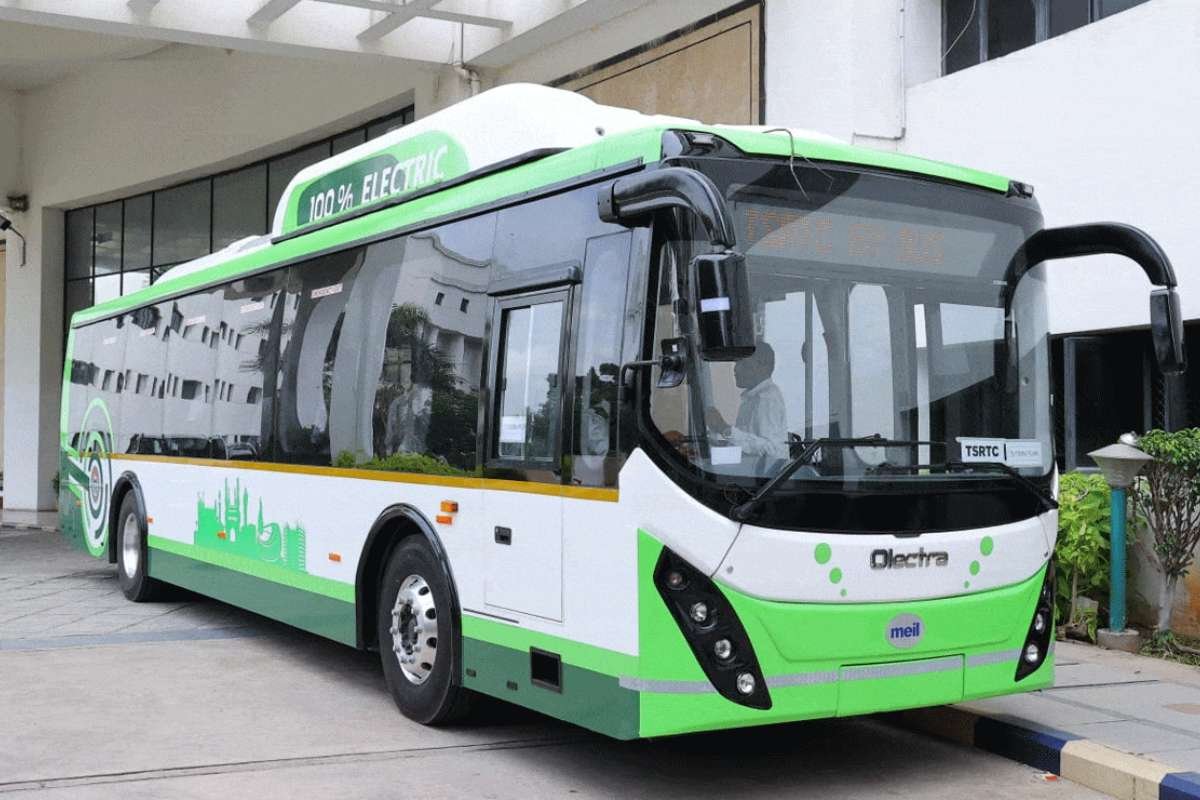
Among the bidders, PMI Electro emerged as the largest winner, securing orders for 5,210 busesnearly half of the total tendered fleet. This outcome significantly strengthens the company’s position in India’s electric bus segment and reflects growing confidence in domestic manufacturers focused exclusively on electric mobility. EKA Mobility followed as the second-largest beneficiary with 3,485 buses, while Olectra Greentech secured 1,785 buses. A smaller allocation of 420 buses was awarded to a consortium led by Anthony Travels.
The scale and pricing of the India electric bus tender are being seen as a breakthrough for India’s public electric transport ecosystem, with discovered rates reportedly lower than earlier projections, offering cost advantages to city transport authorities.
Tender Outcomes Reshape Competitive Landscape
The results of the bidding exercise have notably altered the competitive dynamics of the commercial vehicle industry. Several established bus manufacturers did not secure allocations in this round, marking a shift toward newer players with dedicated electric vehicle platforms. The tender process evaluated financial bids from 14 technically qualified participants after multiple rounds of scrutiny and extensions.
However, the tender has not been without controversy. Ashok Leyland, through its electric mobility arm, has raised objections regarding the bidding process and has approached the Delhi High Court, citing technical issues related to bid submission. The matter is currently under judicial consideration, although CESL has stated that the India electric bus tender process followed prescribed norms and timelines.
Despite these challenges, industry observers believe the conclusion of the tender sends a strong signal of policy continuity and long-term commitment to electric public transport, particularly under a structured, large-scale procurement model.
Deployment Timeline and Impact on Urban Transport
With the India electric bus tender now finalised, city transport undertakings will move toward signing concession agreements with the selected operators. The deployment of the electric buses is expected to commence in phases beginning in 2026 and extending into 2027, depending on city-level preparedness.
Bengaluru is slated to receive the largest share of buses, followed by Delhi, Hyderabad, Ahmedabad, and Surat. The buses will be operated under a Gross Cost Contract model, under which private operators will handle vehicle supply, maintenance, charging infrastructure, and energy management, while transport authorities will pay a fixed per-kilometre fee.
Officials believe this model will reduce operational risk for cities while ensuring service quality and long-term sustainability. Once operational, the expanded electric bus fleet is expected to significantly reduce urban emissions, lower noise pollution, and improve the reliability of mass transit systems, bringing India closer to its clean mobility and climate goals.
Visit Business Viewpoint Magazine For The Most Recent Information.