
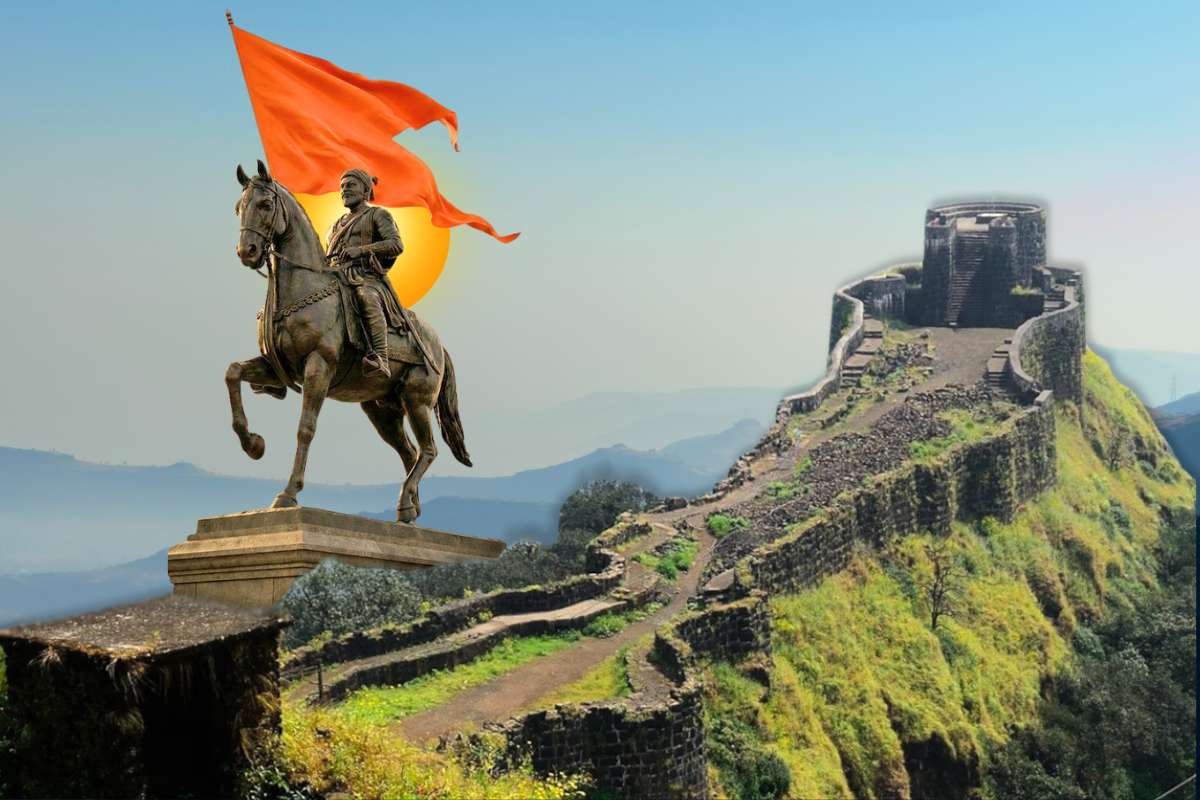



“जय भवानी, जय शिवाजी!”
This slogan was not just a war cry. It was a promise. Shivaji Maharaj spoke it with belief, and his soldiers carried it in their hearts. The forts of Shivaji Maharaj rose from this belief. They stood tall, brave, and clever, just like the man who shaped them.
A ruler who trusted mountains more than palaces, who chose wind and stone over gold and silk. That was Shivaji Maharaj. His forts laugh at fear and smile at storms. They motivate you to stand firm, think smart, and never bow to injustice. These forts still whisper one message: courage works best with wisdom.
History and Importance of Chhatrapati Shivaji Maharaj’s Forts
The forts of Shivaji Maharaj formed the backbone of Swarajya. He controlled more than 300 forts during his lifetime. Each fort served a clear purpose. Some guarded trade routes. Some watched enemy movement. Some protected coastal waters.
Shivaji Maharaj believed geography was a weapon. Hills slowed enemies. Sea forts blocked foreign powers. Land forts secured villages and people. The forts of Shivaji Maharaj helped a small kingdom stand strong against mighty empires.
He once said, “Freedom is a boon, which everyone has the right to receive.”
These forts became that freedom in stone form. Strong walls, hidden gates, water tanks, and smart layouts showed planning far ahead of his time. The forts of Shivaji Maharaj still teach leadership, patience, and clarity.
15 Famous Hill Forts of Shivaji Maharaj You Must Know
1. Raigad Fort
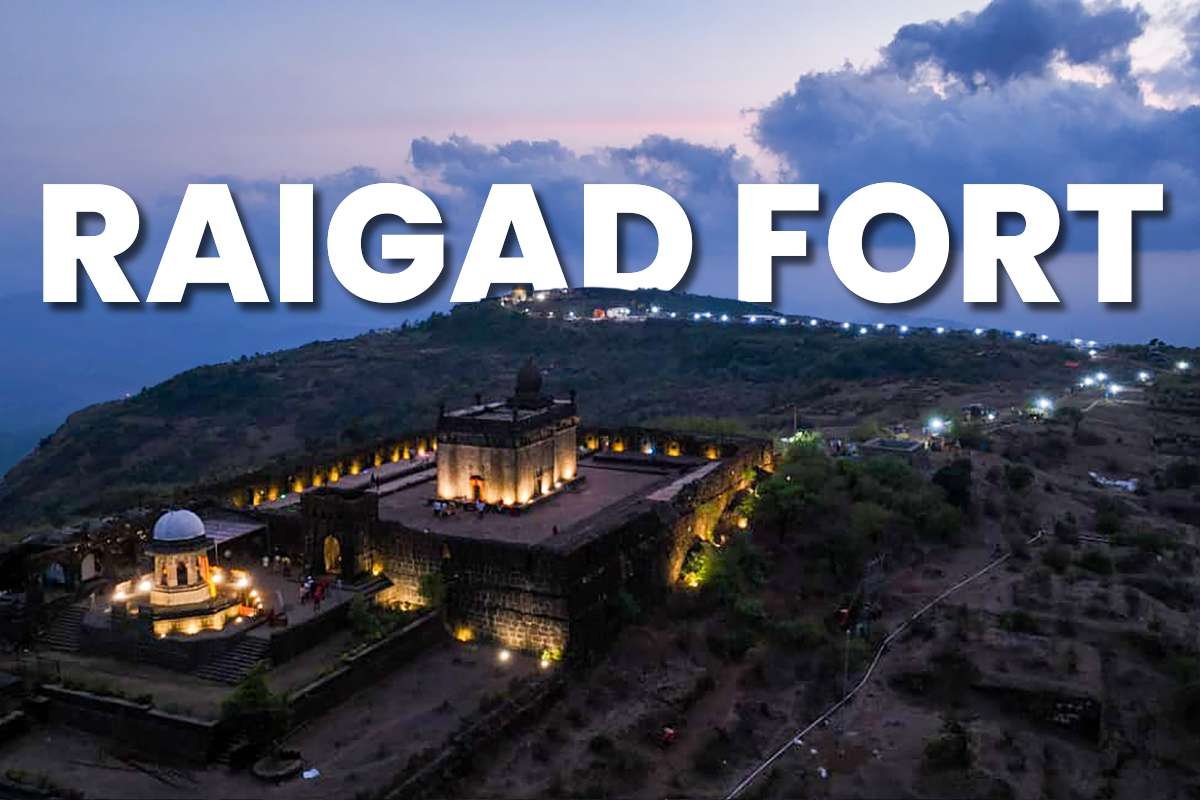
Raigad Fort stands as the crown jewel among the hill forts. It served as the capital of Swarajya and symbolized disciplined rule and self-respect.
➧ History & Architecture
Raigad was rebuilt and developed by Chhatrapati Shivaji Maharaj into a strong capital. In 1674, his coronation took place here, marking the birth of the Maratha Empire. The fort sits on a steep hill, protected by natural cliffs on all sides. Wide stone steps, strong gates, and planned zones show advanced thinking. Water tanks and storage rooms supported long stays during attacks.
➧ Places of Interest
- The coronation platform
- Raj Sadar (royal court)
- Maharaj’s samadhi
- Queen’s quarters and watchtowers offer a clear view of royal life and governance.
➧ Best Time to Visit
October to February offers cool weather and clear views.
➧ Visiting Information
Reach the base village, Pachad. Use the ropeway or climb the steps. Carry water and light snacks. Respect the site and avoid littering.
2. Rajgad Fort
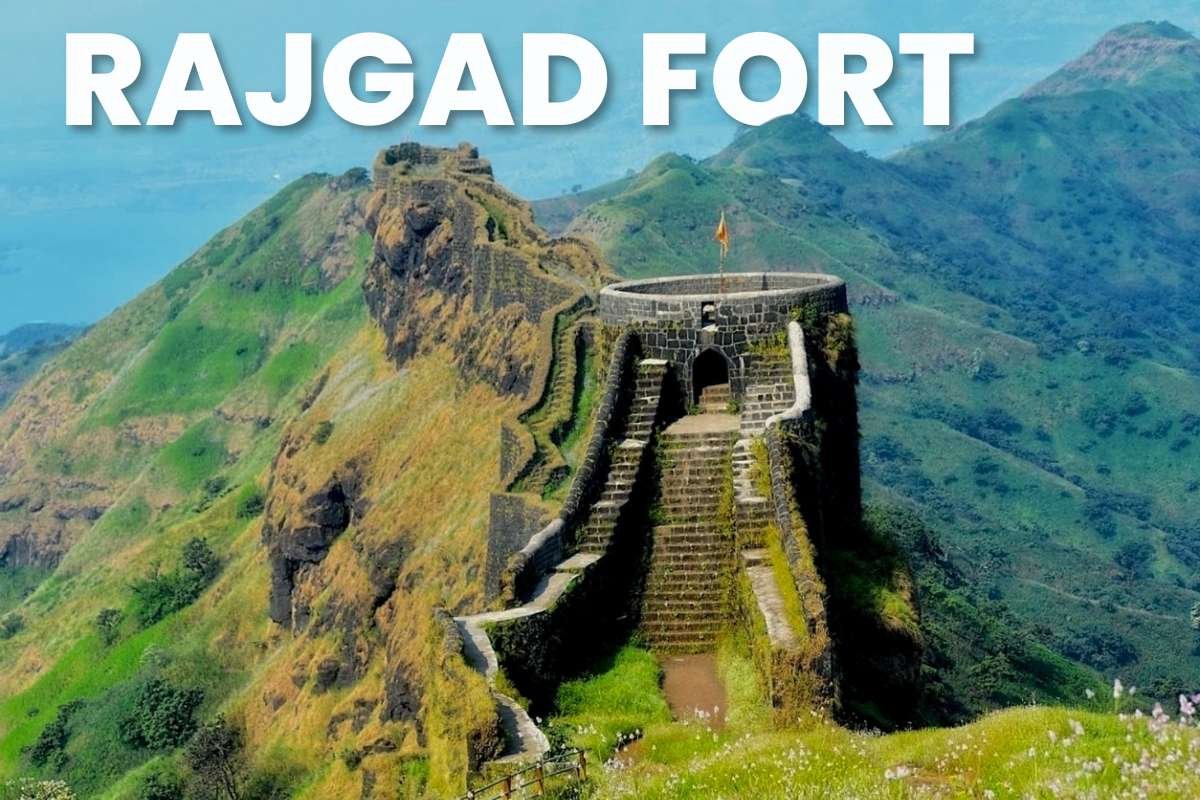
Rajgad Fort was the first capital of Swarajya and remained a key power center for many years.
➧ History & Architecture
Rajgad played a major role in early administration and planning. Shivaji Maharaj spent many important years here. The fort has three main sections and a tall central citadel called Balekilla. Strong walls, secret paths, and deep water tanks made it a safe command post. Its height gave clear views of the surrounding regions.
➧ Places of Interest
- Balekilla
- Padmavati Temple
- Sanjeevani Machi
- Ancient water tanks attract history lovers.
➧ Best Time to Visit
October to February is ideal due to pleasant weather.
➧ Visiting Information
The trek is long and needs stamina. Start early. Wear good shoes. Carry enough water and food.
3. Torna Fort

Torna Fort marks the beginning of Shivaji Maharaj’s journey as a leader.
➧ History & Architecture
Torna was the first fort captured by Shivaji Maharaj at a young age. This victory boosted confidence and announced the rise of Swarajya. The fort stands at a great height and features wide plateaus, solid stone walls, and large storage areas. Natural rock formations provided strong defense.
➧ Places of Interest
- Budhla Machi
- Toranji Devi Temple’s
- Massive gateways and open viewpoints show the fort’s scale.
➧ Best Time to Visit
October to February gives safe trekking conditions.
➧ Visiting Information
The trek is challenging. Go with a group. Carry rain protection if clouds appear. Follow marked routes only.
4. Pratapgad Fort
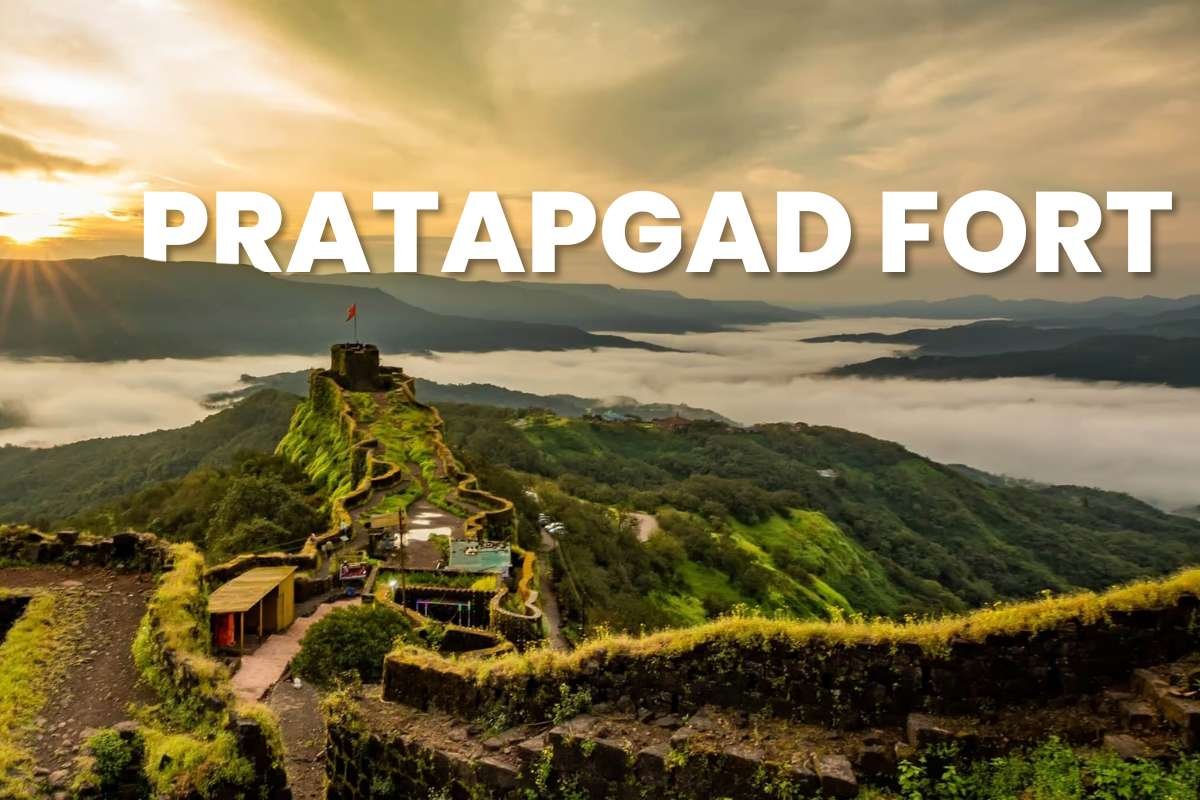
Pratapgad Fort represents courage, strategy, and sharp decision-making.
➧ History & Architecture
Pratapgad Fort is famous for the historic meeting between Shivaji Maharaj and Afzal Khan. The fort was built to control the surrounding valleys. It has strong stone walls, watchtowers, and clear battle planning zones. The location helped Shivaji Maharaj turn a risky situation into victory.
➧ Places of Interest
- Bhavani Temple
- Afzal Khan’s tomb
- The battle site area and fort walls attract visitors.
➧ Best Time to Visit
October to February is the safest and most comfortable period.
➧ Visiting Information
Road access is easy. Wear comfortable footwear. Follow local guidance and respect memorial areas.
5. Sinhagad Fort
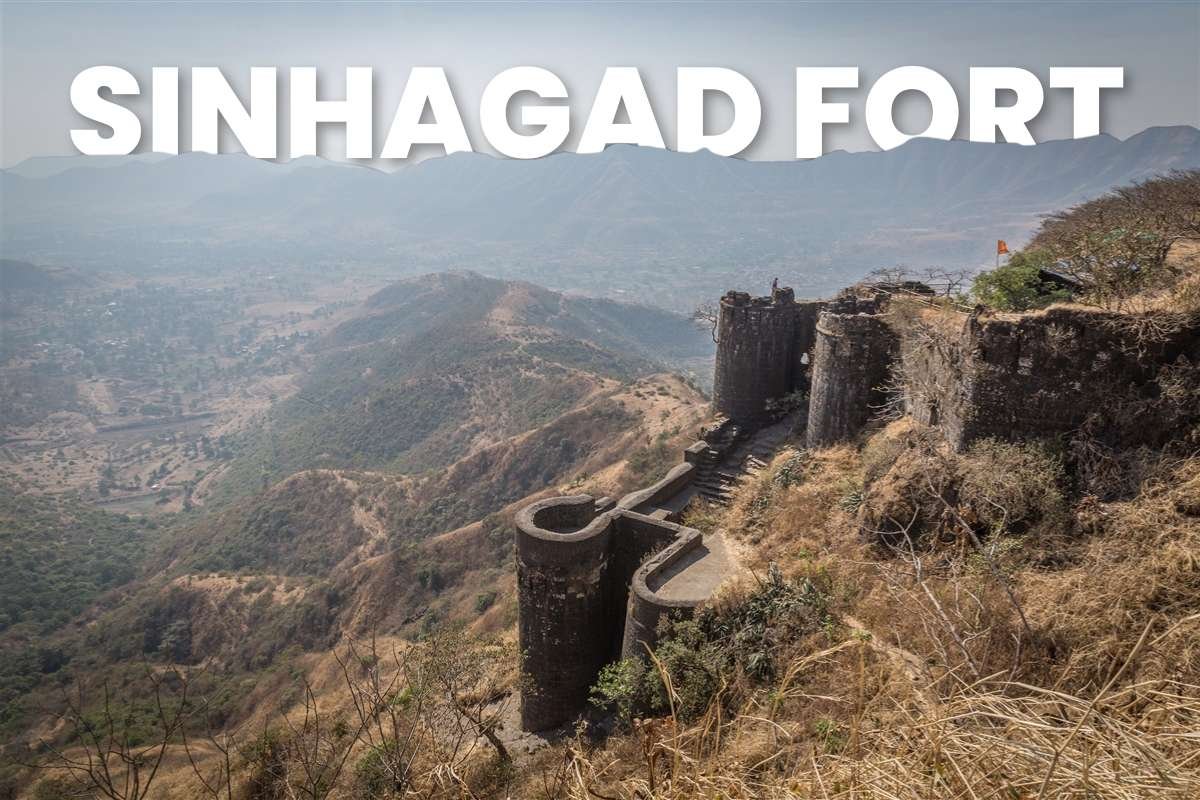
Sinhagad Fort stands as a symbol of sacrifice and loyalty.
➧ History & Architecture
Earlier known as Kondhana, the fort became famous after the brave battle led by Tanaji Malusare. Though victory came at a great cost, forts of Shivaji Maharaj n honored Tanaji’s sacrifice deeply. The fort has steep slopes, narrow entry points, and strong gates designed for defense.
➧ Places of Interest
- The Tanaji Malusare memorial
- Kalyan Darwaza
- Pune city viewpoint
- Old fort ruins draw visitors.
➧ Best Time to Visit
October to February offers cool winds and clear skies.
➧ Visiting Information
The fort is close to Pune. Road access is available. Carry water and light snacks. Follow safety rules.
Sea Forts of Chhatrapati Shivaji Maharaj
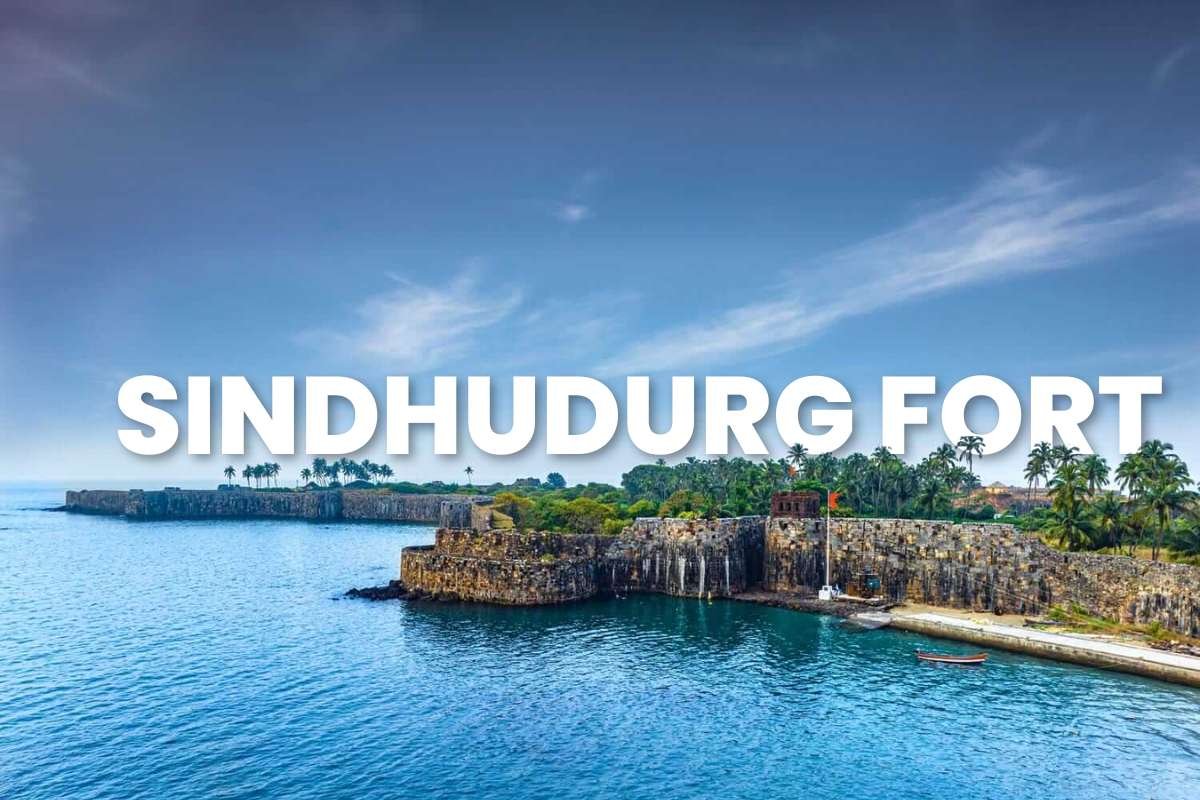
6. Sindhudurg Fort
➧ History & Architecture
Sindhudurg Fort stands on a rocky island near Malvan. Chhatrapati Shivaji Maharaj built it in 1664 to protect the Konkan coast from foreign naval powers. The fort walls blend with the sea rocks, which makes them hard to spot from a distance. Hidden entry gates confuse enemies even today. Iron was mixed into the stones to increase strength. This smart design shows Shivaji Maharaj’s deep understanding of naval defense.
➧ Places of Interest
- The most special spot is the footprint of Shivaji Maharaj, preserved inside the fort.
- Visitors also see strong sea-facing bastions
- Ancient cannons and old watchtowers.
- The fort offers wide views of the Arabian Sea.
➧ Best Time to Visit
November to March is ideal. The sea stays calm, and the weather feels pleasant.
➧ Visiting Information
Boats run from the Malvan jetty. Life jackets are compulsory. Check tide timings before travel.
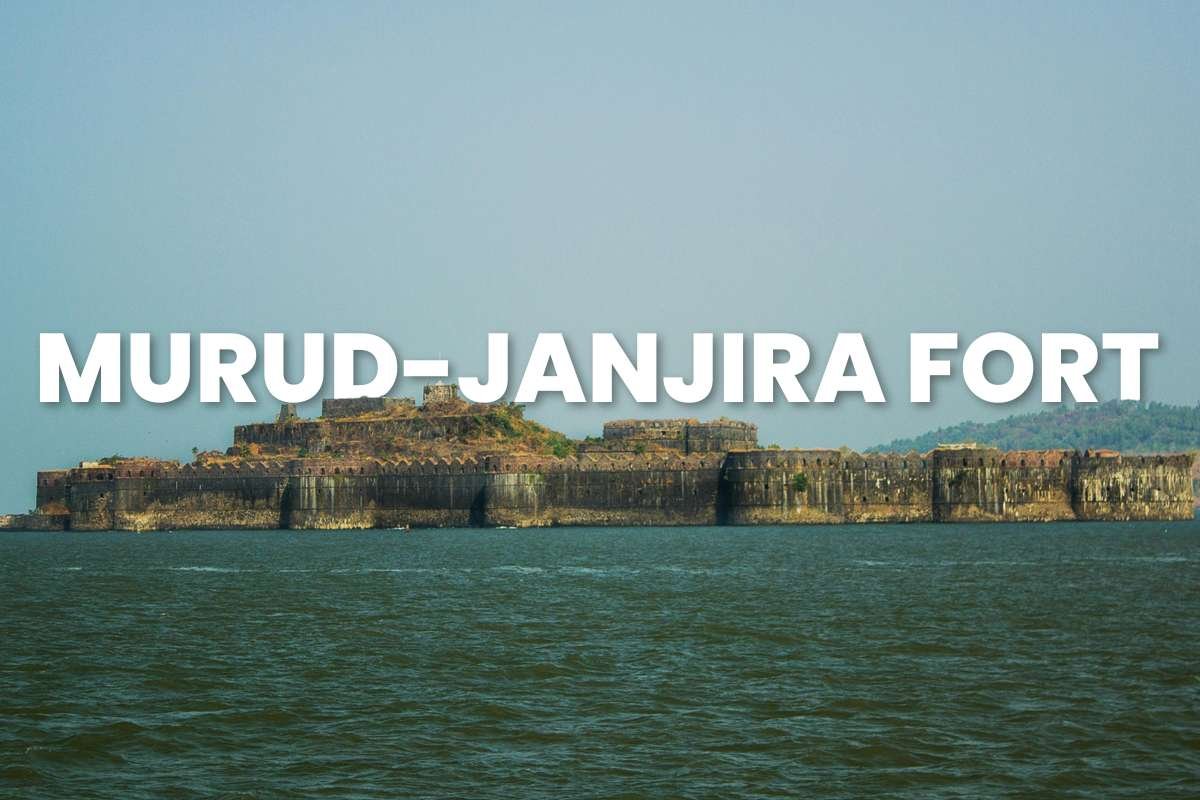
7. Murud-Janjira Fort
➧ History & Architecture
Murud-Janjira Fort rises from the sea near Murud village. It was never conquered in battle. Shivaji Maharaj tried multiple strategies to capture it because of its strong position. The fort has high walls, round bastions, and freshwater ponds inside, which allowed soldiers to survive long sieges. Its circular shape helped block direct attacks from ships.
➧ Places of Interest
- Massive entrance gates
- Deep freshwater tanks
- Old cannons and secret passages attract visitors.
- The sea surrounds the fort from all sides, creating a dramatic view.
➧ Best Time to Visit
October to March works best due to smooth boat travel.
➧ Visiting Information
Boats are available from Rajapuri village. Local guides help explain the fort’s history.
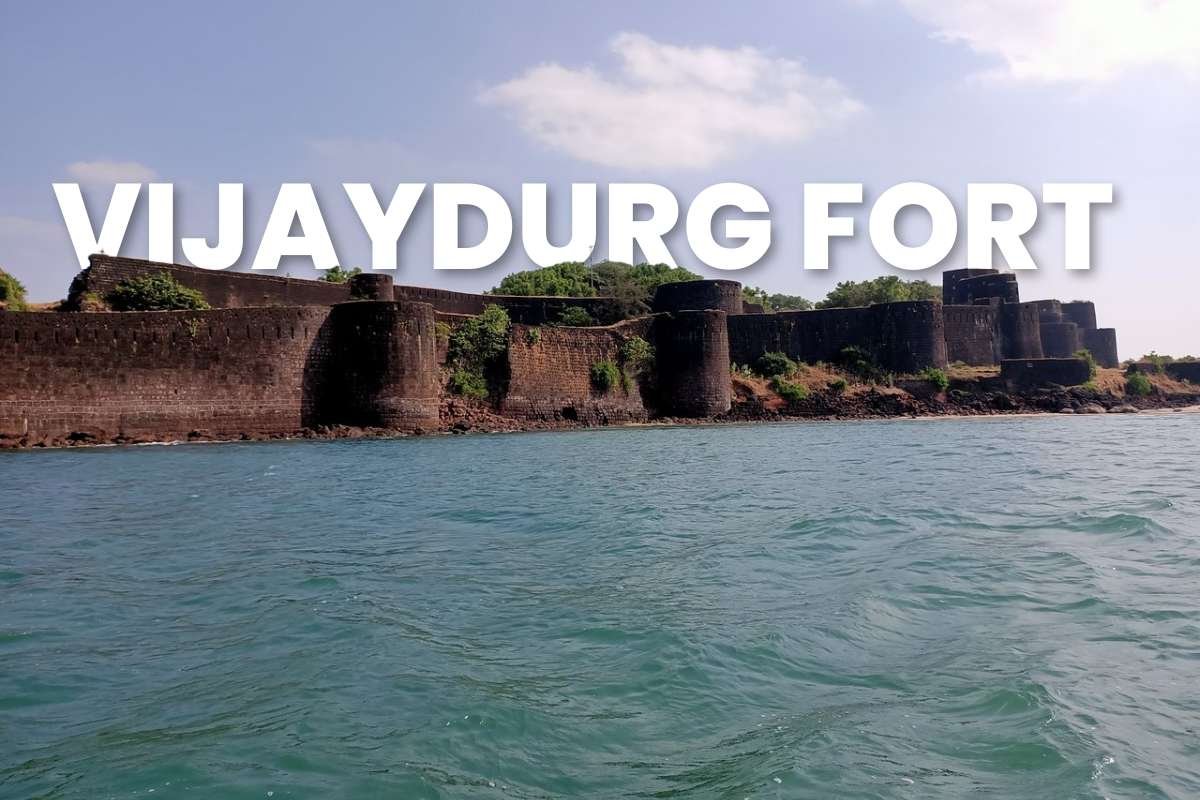
8. Vijaydurg Fort
➧ History & Architecture
Vijaydurg Fort stands on the Sindhudurg coast and served as a major naval base. Shivaji Maharaj strengthened this fort to control the sea routes. The forts of Shivaji Maharaj had underwater stone walls that blocked enemy ships. These walls stayed hidden during high tide, which surprised attackers. Strong internal roads allowed fast troop movement.
➧ Places of Interest
- Old dockyards
- Sea bastions
- Storage rooms and ancient cannons remain.
- The fort also offers peaceful sea views.
➧ Best Time to Visit
November to February gives cool weather and clear skies.
➧ Visiting Information
The fort is connected by road. Entry is simple, but visitors should wear comfortable footwear.
9. Kolaba Fort
➧ History & Architecture
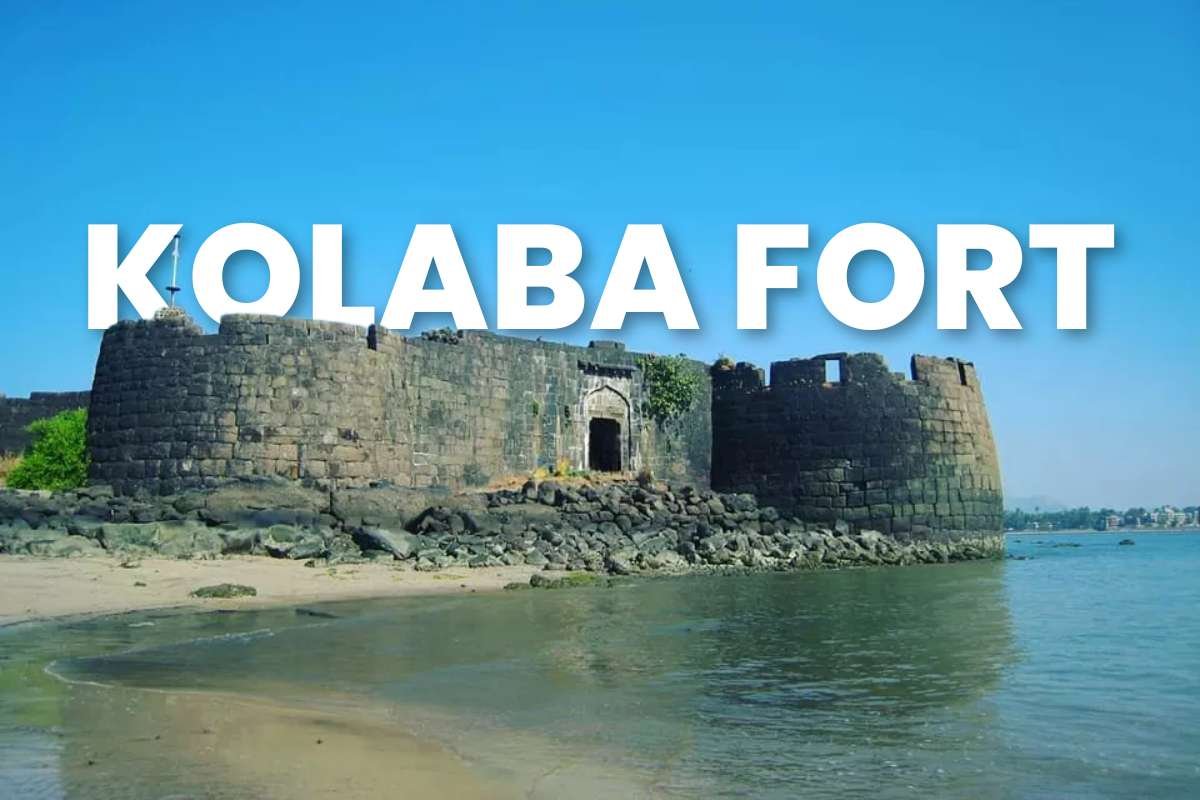
Kolaba Fort, also called Alibag Fort, was built to protect coastal trade. Shivaji Maharaj used this fort to control nearby ports. During low tide, people can walk to the fort from the shore. During high tide, it turns into an island. The fort has wide walls and strong bastions facing the sea.
➧ Places of Interest
- The main gate, temples inside the fort, and old cannons
- Sea-facing walls draw attention.
- The sunset view from the fort feels memorable.
➧ Best Time to Visit
November to March is best, especially during low tide hours.
➧ Visiting Information
Visitors can walk during low tide or take a small boat during high tide. Tide timings matter.
10. Suvarnadurg Fort
➧ History & Architecture
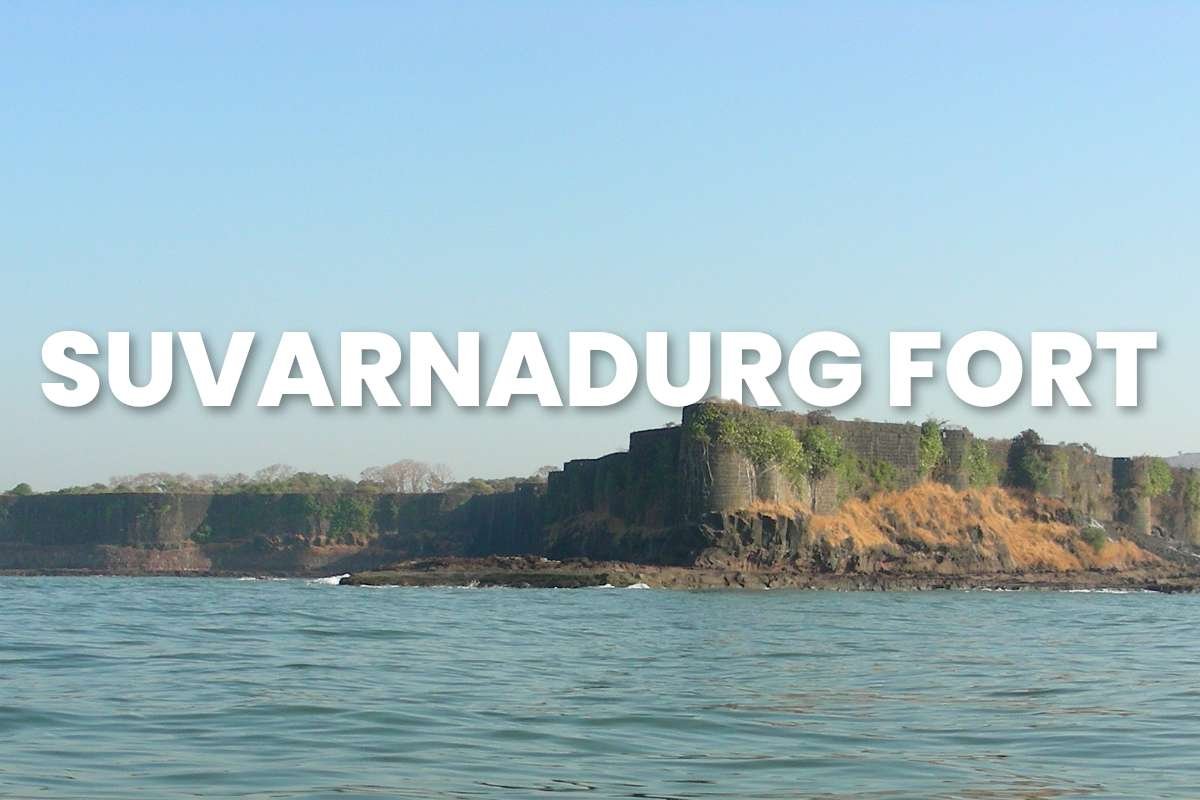
Suvarnadurg Fort stands near Harnai port in Ratnagiri district. Shivaji Maharaj captured and strengthened it to control the naval movement. The fort sits on an island with thick stone walls and strong bastions. Its position helped keep watch on enemy ships entering the coast.
➧ Places of Interest
- Visitors see strong sea walls.
- Broken cannons and open courtyards.
- The fort gives wide views of the sea and nearby land forts.
➧ Best Time to Visit
October to March offers calm seas and safe travel.
➧ Visiting Information
Boat access is required from Harnai jetty. Weather conditions affect travel, so check locally.
Land Forts of Chhatrapati Shivaji Maharaj
11. Purandar Fort

➧ History & Architecture
Purandar Fort holds a strong place in Maratha history. It became famous during the Treaty of Purandar in 1665, when Shivaji Maharaj showed diplomacy along with strength. The fort stands on twin peaks, Purandar and Vajragad, which helped in defense. Thick stone walls, strong bastions, and wide courtyards show how the fort was designed for long stays and governance, not just war. Among the forts of Shivaji Maharaj, Purandar reflects smart leadership and negotiation skills.
➧ Places of Interest
- The fort has ancient gates, water tanks, and old military posts.
- The Kedareshwar Temple inside the fort is peaceful and sacred.
- The upper fort offers wide views of the surrounding plains.
➧ Best Time to Visit
October to February is ideal. Summers can be warm, and monsoons make paths slippery.
➧ Visiting Information
The fort has good road connectivity from Pune. A short trek is required. Families can visit with basic preparation.
12. Lohagad Fort
➧ History & Architecture
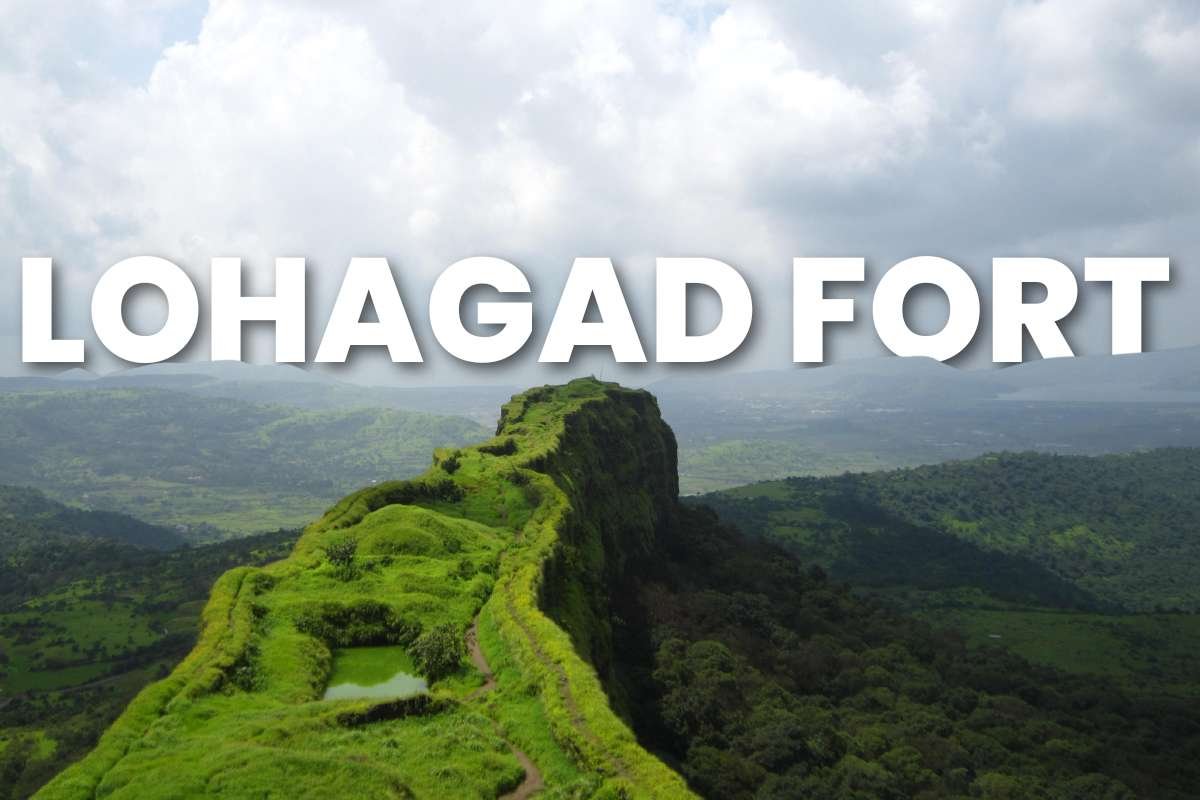
Lohagad Fort means “Iron Fort,” and the name fits well. Shivaji Maharaj captured this fort to guard trade routes between the Deccan and the Konkan. The fort has a long stone pathway and a famous extended wall called Vinchu Kata, shaped like a scorpion’s tail. Among the forts of Shivaji Maharaj, Lohagad shows how land forts controlled movement and trade.
➧ Places of Interest
- Vinchu Kata is the main attraction.
- The fort also has large water tanks.
- Old storage areas used for grains and supplies.
➧ Best Time to Visit
September to February is best. The fort looks green and fresh after the rains.
➧ Visiting Information
Lohagad is close to Lonavala and easy to reach by road. The walk is gentle, making it suitable for beginners and families.
13. Chakan Fort
➧ History & Architecture
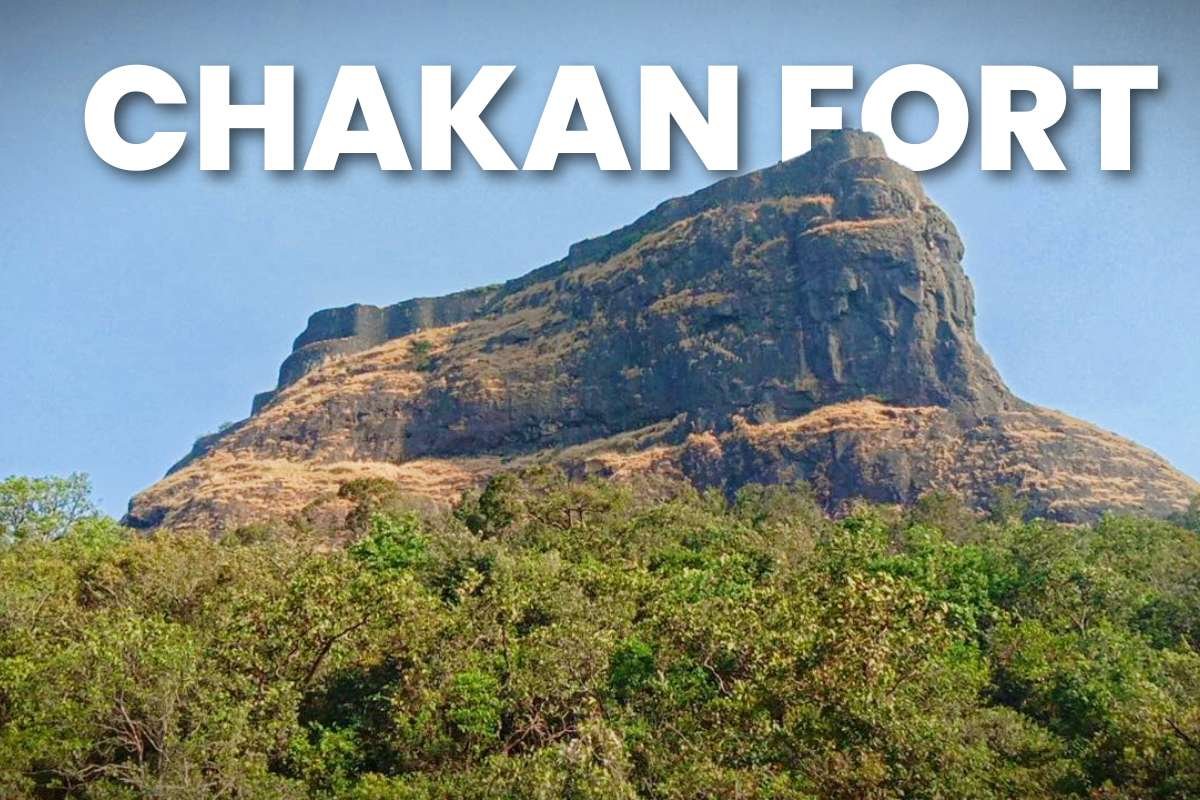
Chakan Fort played a major role in guarding Pune from northern attacks. It became famous due to the brave defense by Firangoji Narsala, one of Shivaji Maharaj’s trusted commanders. The fort structure is simple but strong, with thick walls and round bastions. The forts of Shivaji Maharaj, like Chakan, focused more on protection and control than luxury.
➧ Places of Interest
- The fort ruins include old gateways.
- Inner courtyards and watch points.
- The layout shows how soldiers defended the fort for months.
➧ Best Time to Visit
October to March is comfortable for visitors.
➧ Visiting Information
Located near the Pune-Nashik highway. Road access is smooth. The fort area is open and safe for short visits.
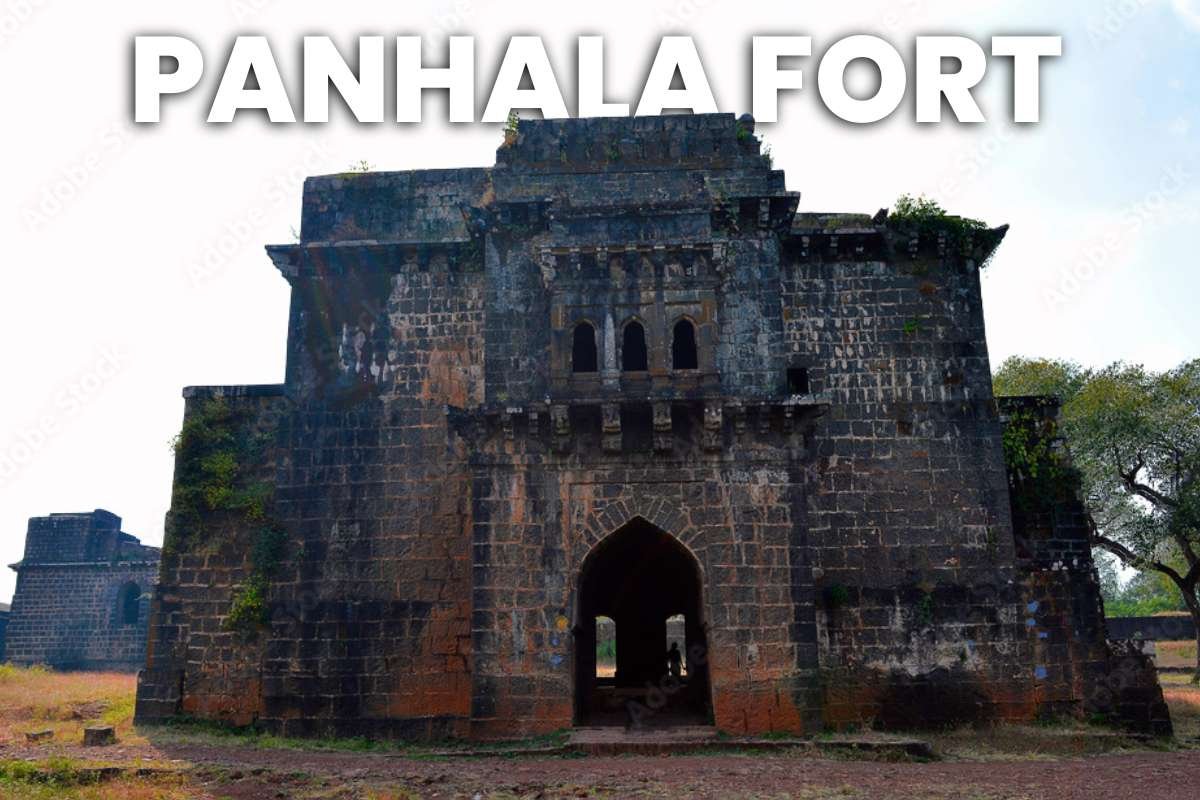
14. Panhala Fort
➧ History & Architecture
Panhala Fort is one of the largest land forts in Maharashtra. Shivaji Maharaj used it as a key military base. The fort has long walls, secret escape routes, and strong gates like Teen Darwaza. It also connects to many historical events, including Shivaji Maharaj’s escape to Vishalgad. Among the forts of Shivaji Maharaj, Panhala represents planning, patience, and quick decision-making.
➧ Places of Interest
- Panhala has granaries, water tanks, and temples
- The famous Sajja Kothi, where Shivaji Maharaj is believed to have stayed.
➧ Best Time to Visit
October to February offers pleasant weather.
➧ Visiting Information
The fort is near Kolhapur with direct road access. Vehicles can reach most parts of the fort, making it family-friendly.
15. Shivneri Fort

➧ History & Architecture
Shivneri Fort is the birthplace of Chhatrapati Shivaji Maharaj. This fort was built for safety and calm living. It has strong gates placed one after another, making enemy entry difficult. The design focuses on protection rather than attack. Among the forts of Shivaji Maharaj, Shivneri holds deep emotional and historical value.
➧ Places of Interest
- The birth chamber of Shivaji Maharaj is the main attraction.
- There are statues of Jijabai and Shivaji Maharaj.
- Along with ancient water tanks that still hold water.
➧ Best Time to Visit
October to February is best for comfortable walking.
➧ Visiting Information
Located near Junnar. Well-connected by road. The walking path is clean and safe, suitable for all age groups.
Iconic Forts of Chhatrapati Shivaji Maharaj
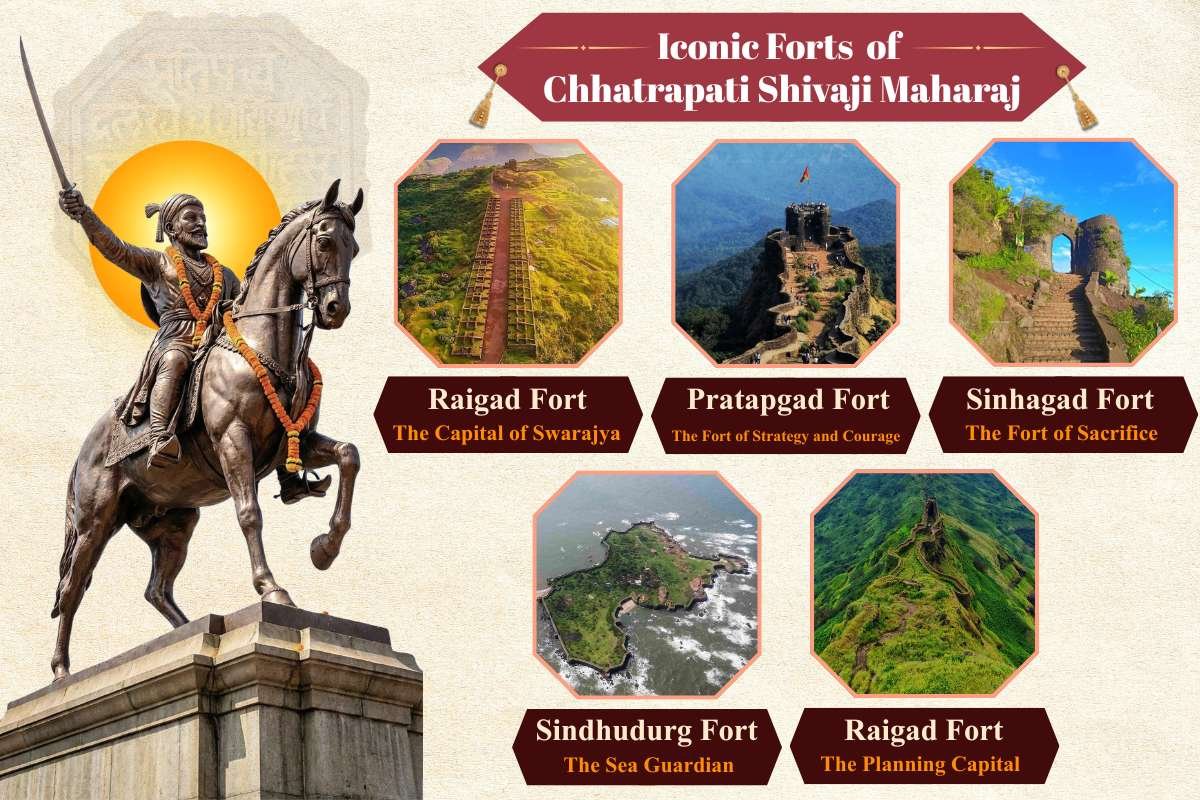
These iconic structures are living symbols of courage, intelligence, sacrifice, and vision. Among all the forts of Shivaji Maharaj, these five stand out because they shaped the story of Swarajya in different ways.
1. Raigad Fort – The Capital of Swarajya
Raigad Fort was the center of Shivaji Maharaj’s power. It was more than a military base. It was the heart of self-rule.
Why Raigad Is Iconic?
Raigad is iconic because Swarajya officially began here. In 1674, Shivaji Maharaj was crowned as Chhatrapati at Raigad. This moment changed Indian history. For the first time, a local ruler established an independent kingdom based on justice and respect for people.
Raigad shows leadership with purpose. The fort was planned for governance, safety, and dignity. It had separate areas for the king, queens, ministers, soldiers, and common people. Every structure had meaning.
Raigad stands for vision. Shivaji Maharaj did not want just land. He wanted a well-run kingdom. Raigad represents confidence, self-respect, and strong values. That is why it remains the most powerful symbol of Swarajya.
2. Pratapgad Fort – The Fort of Strategy and Courage
Pratapgad Fort is famous for one bold moment that changed the balance of power.
Why Pratapgad Is Iconic?
Pratapgad is iconic because it proves that intelligence wins wars. Shivaji Maharaj faced Afzal Khan, a much stronger enemy. Afzal Khan planned betrayal. Shivaji Maharaj stayed alert and prepared.
The encounter at Pratapgad showed calm thinking under pressure. Shivaji Maharaj used smart planning instead of force. This victory sent a strong message to enemies across the region.
The Forts of Shivaji Maharaj teach battle skills, and Pratapgad teaches strategy. It reminds us that courage works best when guided by wisdom. This fort stands as proof that sharp thinking can defeat raw power.
3. Sinhagad Fort – The Fort of Sacrifice
Sinhagad Fort holds one of the most emotional stories in Indian history.
Why Sinhagad Is Iconic?
Sinhagad is iconic because it honors sacrifice. The brave warrior Tanaji Malusare led a difficult night attack to reclaim the fort. He climbed cliffs in darkness. He fought fearlessly. He gave his life for Swarajya.
When Shivaji Maharaj heard the news, he said, “We won the fort, but lost the lion.” These words still touch hearts today.
Sinhagad represents devotion and duty. It reminds us that freedom has a cost. This fort inspires pride, strength, and deep respect for those who place the nation above themselves.
4. Sindhudurg Fort – The Sea Guardian
Sindhudurg Fort shows Shivaji Maharaj’s understanding of naval power.
Why Sindhudurg Is Iconic?
Sindhudurg is iconic because it proves that Shivaji Maharaj thought far ahead of his time. While many rulers focused only on land battles, he strengthened sea defenses.
The fort protected the coastline from foreign invaders. It secured trade routes and coastal villages. Built on a rocky island, the fort blended with the sea, making it hard to attack.
The forts of Shivaji Maharaj include land and hill forts, but Sindhudurg shows his control over the sea. This fort reflects planning, innovation, and strong naval vision. It stands as a symbol of maritime strength.
5. Rajgad Fort – The Planning Capital
Rajgad Fort played a quiet but powerful role in Swarajya’s growth.
Why Rajgad Is Iconic?
Rajgad is iconic because it shows leadership beyond the battlefield. Shivaji Maharaj spent many important years here. He planned campaigns, managed administration, and shaped policies from this fort.
Rajgad had wide spaces for meetings, storage, and long stays. It supported both war planning and daily governance. The fort reflects patience, discipline, and responsibility.
Rajgad stands for wisdom. It reminds us that strong kingdoms are built not only through battles but through careful planning and clear thinking.
Facts About These Forts
- Raigad Fort hosted Shivaji Maharaj’s coronation in 1674.
- Sindhudurg Fort includes over 4 km of stone walls.
- Pratapgad Fort stands at 1,080 meters.
- Many forts of Shivaji Maharaj had rainwater harvesting systems.
- UNESCO lists several Maratha forts as World Heritage Sites.

Conclusion
The forts of Shivaji Maharaj are not silent ruins. They speak loudly about courage with care, strength with sense, and leadership with humility. Like the slogan that opened this journey, they remind us to stand proud and think sharp.
These forts motivate action, not comfort. When life tests you, think like Shivaji Maharaj. Choose the higher ground. Build your own fort of values, and guard it with courage.