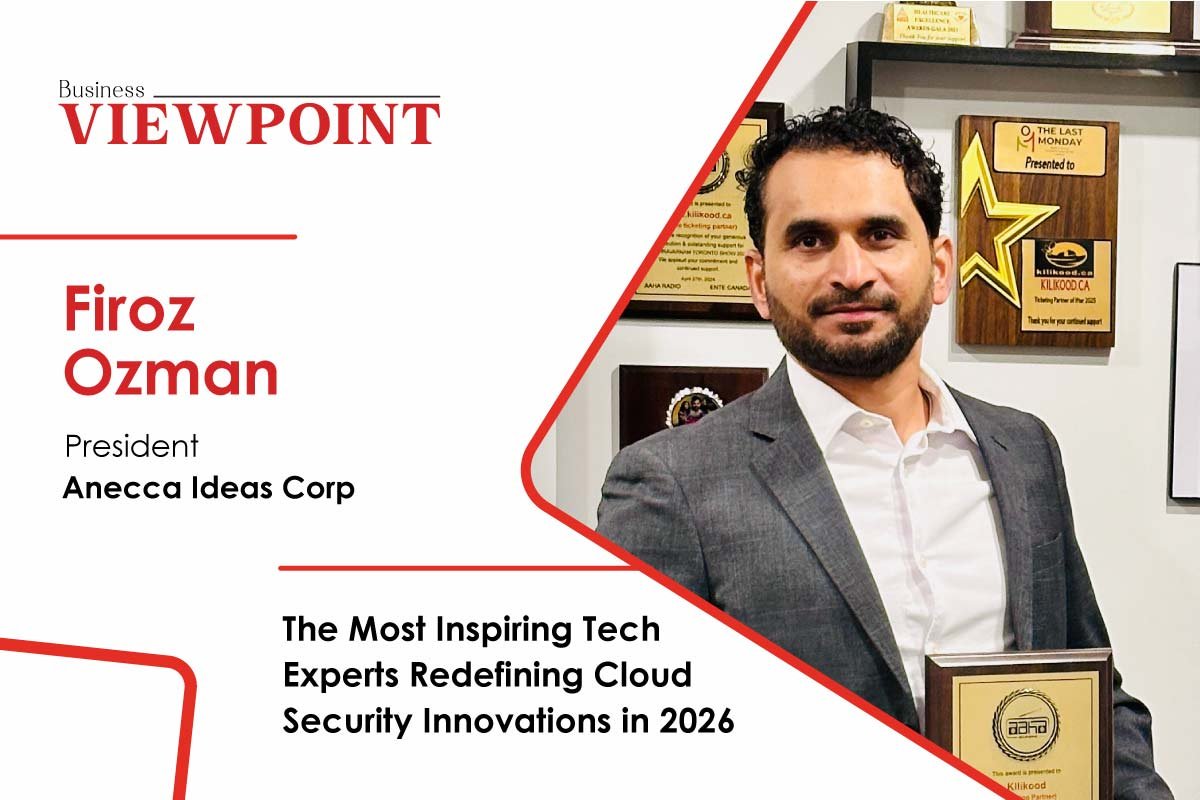



Enterprise AI is entering a decisive phase, where value is measured by what organizations can deploy safely and scale with confidence. As experimentation gives way to execution, many enterprises face the same challenge: embedding AI into real workflows without sacrificing accountability, security, or trust.
Most AI Failures Aren’t Technical, They’re Structural
A governance-first approach has become essential as enterprises realize that most AI failures are not technical; they are structural. When AI is treated as an add-on rather than as part of the operating system, ownership blurs, approvals slow, and accountability weakens. In these conditions, even powerful tools struggle to scale.
By embedding AI directly into everyday platforms, preserving clear human ownership, and designing identity controls, auditability, and data protection from the start, AI evolves into a dependable component of business operations rather than a standalone experiment. The result is measurable impact, faster cycle times, stronger compliance, and automation that holds up in production.
This philosophy defines the work of Firoz Ozman, President of Anecca Ideas Corp, where enterprise AI is engineered to elevate human judgment while delivering production-ready systems. Drawing on deep enterprise delivery experience, Firoz Ozman has positioned Anecca as a leader in Microsoft-first, governed AI architecture built to scale with trust.
A Philosophy Built on Elevation, Not Replacement
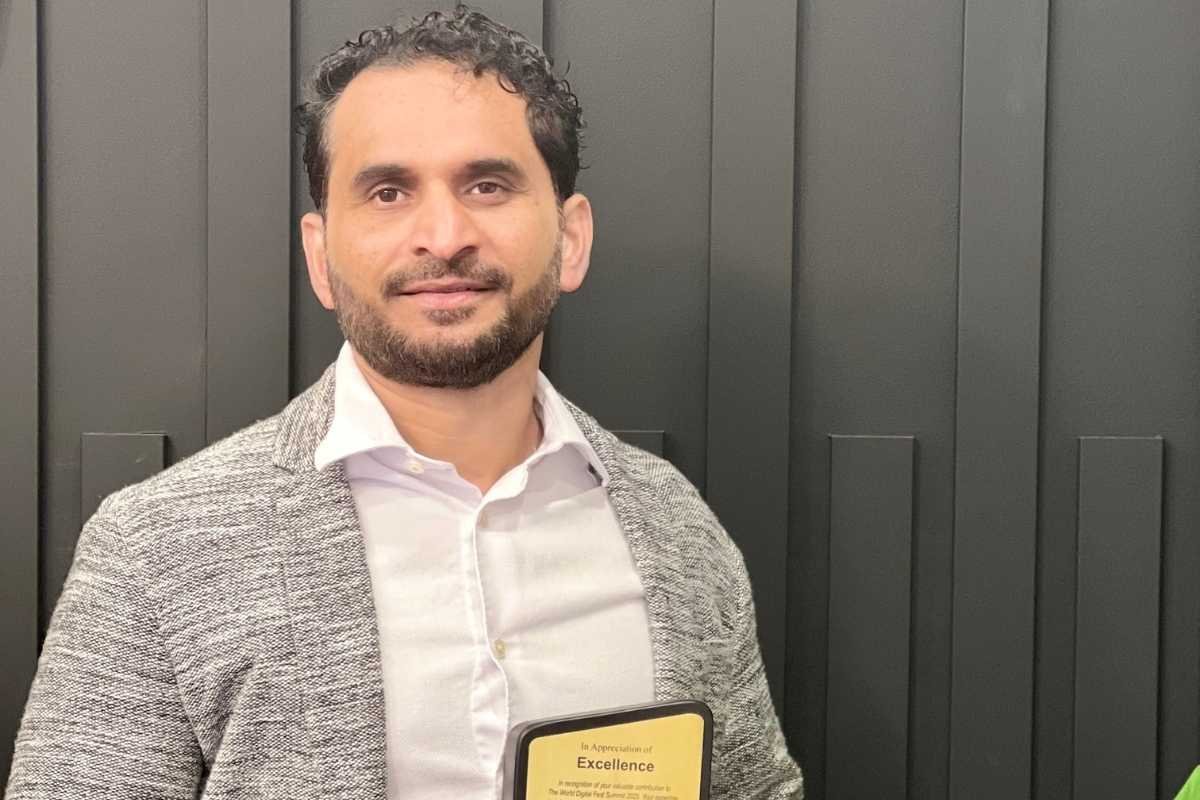
Firoz Ozman’s perspective on AI is grounded in long enterprise delivery cycles, not fleeting innovation trends. While tools continue to change, he has seen that operating models ultimately determine whether any technology produces real and lasting impact.
At Anecca Ideas Corp, this philosophy manifests in three defining ways.
First, AI must live within the tools people already use. The majority of enterprise work takes place in Microsoft Teams, Outlook, SharePoint, and Dynamics 365. AI creates real value when it is embedded directly into these environments, enhancing everyday workflows rather than pushing users into disconnected experiences.
Second, accountability remains firmly human. AI can draft, summarize, classify, and recommend, but it does not approve, release, or own outcomes. Every consequential action is attributable to a person, preserving human judgment and ensuring automation never becomes unaccountable.
Third, governance begins on day one. Identity controls, data access policies, logging, and audit trails are architected into solutions from the outset, not bolted on after problems emerge. Trust and traceability are foundational system requirements, not compliance afterthoughts.
Together, these principles enable AI to operate effectively in regulated, large-scale environments where reliability is the true driver of adoption.
From Embedded Agents to Real Business Outcomes
A practical example of this philosophy is a User Lifecycle Management solution delivered for Redapt. In this system, GPT-style agents are not conversational novelties. They act as structured entry points into enterprise workflows.
A Copilot Studio agent serves as the front door for lifecycle requests. Employees interact with it through familiar Microsoft 365 interfaces. The agent gathers missing information, enforces standardized intake, and triggers downstream actions through Power Automate and Power Apps. Every step remains tied to identity governance and approval paths.
The Discipline Behind High-Impact Automation

Requests are captured accurately and routed automatically. Data quality rises as inputs adhere to a consistent, standardized structure. Auditability strengthens because every action is traceable to who initiated it, who approved it, and what changed. At the same time, support effort declines as clarification cycles and manual follow-ups are eliminated.
Firoz Ozman links these outcomes to his earlier modernization work at Adidas, where legacy AS400-based manufacturing workflows were re-engineered on the Microsoft Power Platform. By first standardizing processes, enforcing validation, and embedding traceability, the organization established a stable foundation for AI-assisted automation. Without structure, agents introduce noise. With structure, they create leverage.
Making AI a Governed Step Inside Power Platform
At Anecca, AI is positioned not as an isolated capability, but as a governed step within a broader enterprise workflow. It supports functions such as intake normalization, intelligent summarization, classification recommendations, and draft generation, after which human review becomes the decisive gate before any process moves forward.
As this model scales across large organizations, a familiar set of risks emerges. Environments proliferate. Connectors expand uncontrollably. Responsibilities blur. Release discipline erodes.
Anecca counters these challenges through rigorously repeatable design patterns: strict separation between development, testing, and production environments; Data Loss Prevention policies mapped to real-world data movement; role structures grounded in least-privilege access; and disciplined release monitoring.
When these foundations are in place, AI-powered low-code solutions operate with the reliability of true enterprise software. Without them, they remain little more than fragile prototypes.
Secure Document Management with AI and Oversight
In document-heavy environments, AI can dramatically improve search, summarization, and routing. But Ozman approaches this as a permissions and governance problem first.
Efficiency rises when teams find information faster. Risk rises when sensitive content leaks through broad access or unsafe outputs.
Firoz Ozman approaches document intelligence as a governance-first discipline. Classification frameworks and sensitivity labels establish clear boundaries. Data loss prevention policies dictate default sharing behaviors. External actions require deliberate human authorization. Comprehensive logging enables auditability and forensic insight.
The outcome is not friction; it is responsible velocity. Teams surface knowledge faster while preserving rigorous control over sensitive information.
The Risk Enterprises Miss

Many organizations remain preoccupied with model selection, accuracy metrics, and vendor roadmaps. Ozman’s experience points to a different reality. The greatest risks in enterprise AI rarely stem from the models themselves but rather from the operating environment surrounding them.
Identity sprawl obscures accountability. Data proliferates without stewardship. Low-code platforms scale without governance. Logs may exist, but disciplined response processes often do not.
Organizations that establish clear identity boundaries, strong data governance, and auditable systems early in their AI journey do not hinder innovation. They enable it. With accountability and access clearly defined, AI evolves into a controlled force multiplier driving scale and intelligence rather than introducing risk.
Humans at the Center of Low-Code AI
Low-code AI is redefining who gets to design systems. No longer confined to technical teams alone, domain experts and business leaders can now directly shape workflows so long as strong governance frameworks are in place.
Routine activities such as drafting, summarizing, routing, and data cleansing increasingly move into AI-enabled workflows. As automation expands, human judgment does not diminish; it becomes more critical. Decisions around approvals, exception management, and risk ownership remain decisively human-led.
This balance is sustained through visibility and accountability. Thoughtful environment strategies, connector governance, data loss prevention policies, role-based access, and comprehensive audit trails ensure that speed and scale never come at the expense of control.
Engineering Trust in Enterprise AI Adoption
The most persistent obstacle Firoz Ozman has faced in delivering AI-driven solutions is not technical complexity, but trust. Enterprise stakeholders often hesitate due to concerns around data exposure, unpredictable outputs, and unclear ownership, while users fear added friction and limited value.
Firoz Ozman responds not with promises, but with precision. Identity boundaries are clearly defined. Every output is traceable and reviewable. Sensitive actions move through structured approval flows. Performance is evaluated through tangible business outcomes, reduced cycle times, audit readiness, improved data quality, and sustained adoption rather than surface-level activity. In this model, trust is not assumed. It is architected.
He further anchors adoption in measurable outcomes, tracking indicators such as cycle time reduction, audit readiness, data quality, and user adoption. By embedding compliance directly into workflows, Ozman replaces uncertainty with structure and evidence. Under his leadership, trust becomes an engineered outcome, enabling clients to adopt AI with confidence and scale it responsibly across the enterprise.
The Shift from AI Tools to AI Work Systems

Firoz expects enterprise AI to move beyond chat-based features into embedded work systems that support core operations such as intake, triage, case handling, compliance, document workflows, and reporting. Over the next five to ten years, AI will increasingly operate inside structured processes rather than as a separate layer, enabling consistent execution and informed decision-making.
He anticipates significant growth in agent-style automation, alongside tighter governance for non-human identities and automated actions. In his view, the success of enterprise AI will depend less on model sophistication and more on how well identity, data access, and auditability are designed into operating systems.
Anecca Ideas Corp is positioned for this shift through a Microsoft-first AI delivery model that emphasizes governance, data protection, and scalable low-code execution. Firoz’s leadership further shapes this direction through thought leadership grounded in real enterprise delivery, applied research, and repeatable playbooks that support safe, production-ready AI adoption.
Trust, Delivery, and the Path to AI Architecture Leadership
Ozman’s guidance to CIOs, founders, and emerging technologists is grounded in delivering reality, not experimentation theater. He urges leaders to treat AI as a production system from the start by defining clear boundaries around data access, identities, approvals, and audits, selecting one workflow already operating at scale with a named owner, and building a full production path that includes security review, release processes, monitoring, and training. Adoption, he notes, must be intentional, as added friction encourages bypass behavior, and success should be measured by outcomes such as cycle time, rework rates, data quality, risk exposure reduction, and support load rather than activity metrics.
The same discipline applies to career growth in AI and enterprise architecture, where Ozman emphasizes delivery credibility before architectural authority. He encourages engineers, particularly younger professionals and immigrant talent, to deeply understand business processes, build practical expertise across the Microsoft ecosystem, communicate decisions clearly through documentation, and focus on shipping real outcomes rather than collecting tools. Consistency in delivery builds trust, and trust is what ultimately enables both systems and careers to scale.
Publications, Research, and Industry Recognition
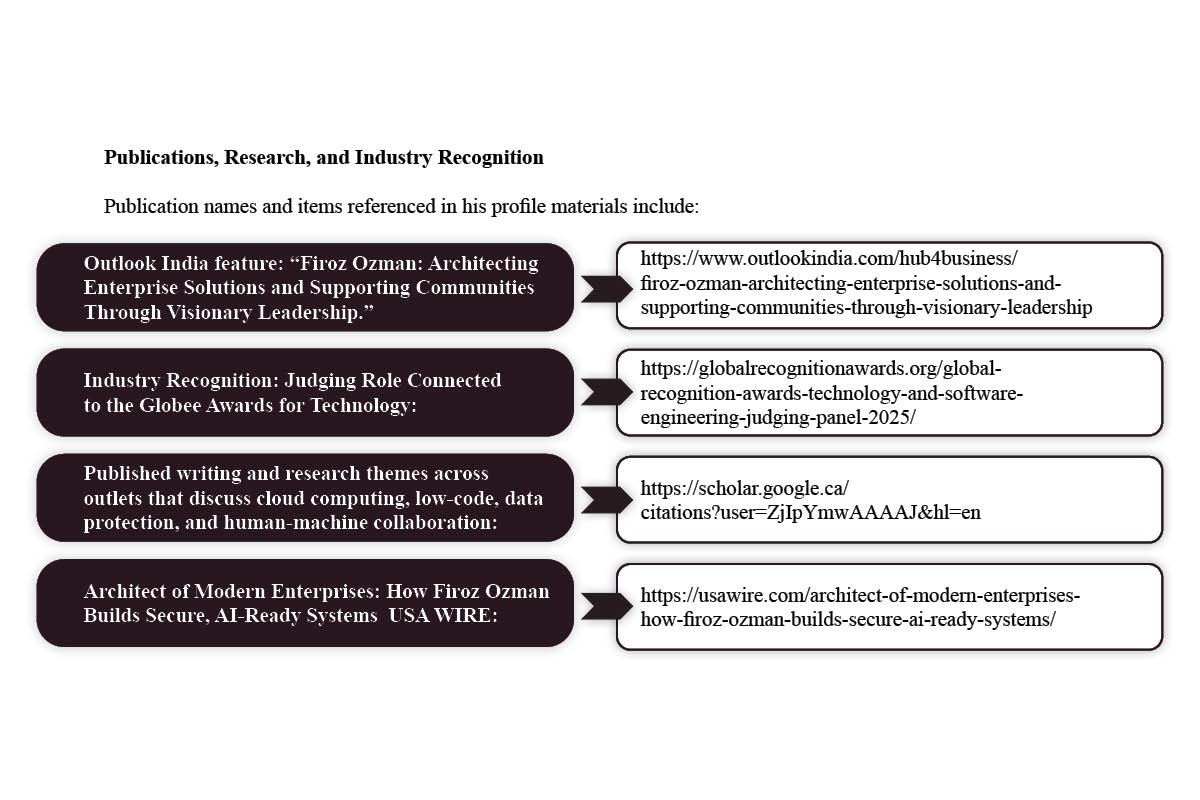
Publication names and items referenced in his profile materials include:
- Outlook India feature: “Firoz Ozman: Architecting Enterprise Solutions and Supporting Communities Through Visionary Leadership.”
- Industry Recognition: Judging Role Connected to the Globee Awards for Technology:
- Published writing and research themes across outlets that discuss cloud computing, low-code, data protection, and human-machine collaboration:
- Architect of Modern Enterprises: How Firoz Ozman Builds Secure, AI-Ready Systems USA WIRE: