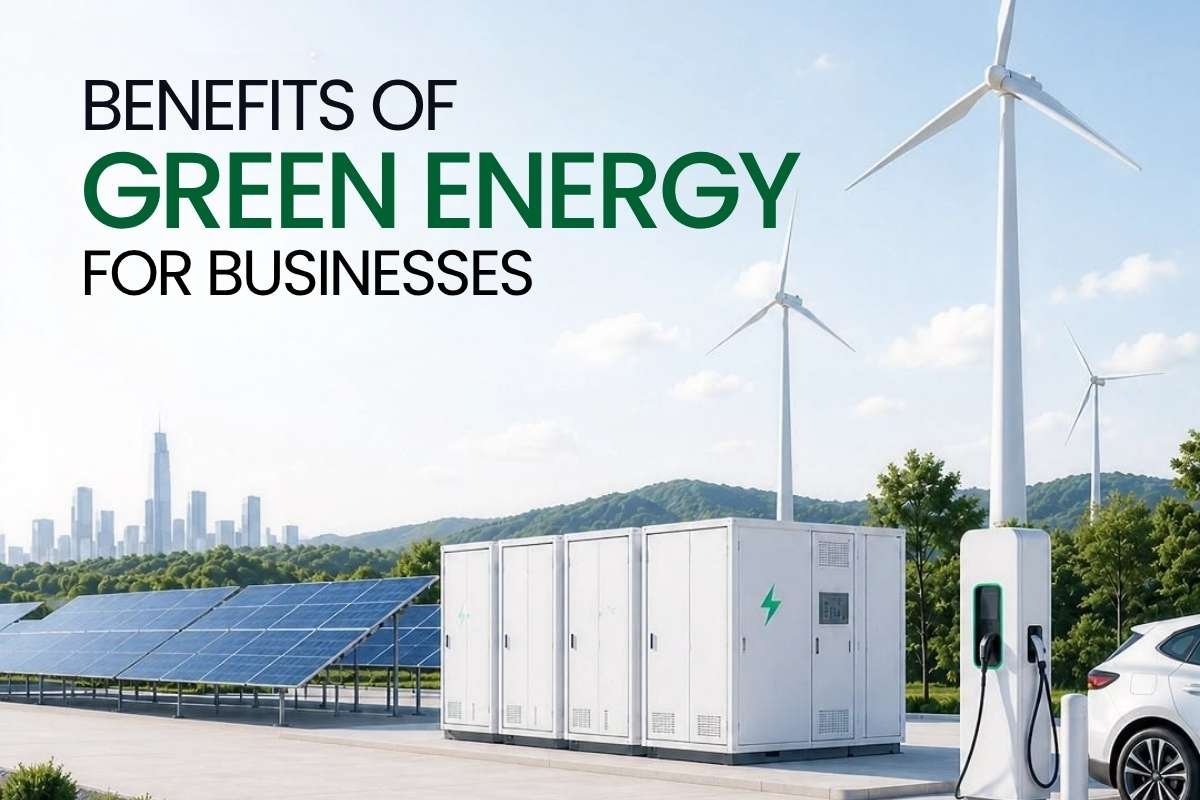
India’s renewable market now faces a new task: integration. The focus once stayed on solar panels and wind turbines. Now, the system must store, move, manage, and use power well.
The IEA expects India’s variable renewable share to reach 24% by 2030. It stood near 14% in 2025. That shift creates new green energy business opportunities in India.
Storage, smart grids, and energy software will gain more value. So will green hydrogen and distributed power systems. Panel recycling and clean industry tools will also grow.
The future of renewable energy sources depends on more than new plants. It also depends on the systems that help clean power work at scale. This creates room for firms across many parts of the value chain.
So, where will the next renewable-energy businesses emerge? The answer may sit beyond power generation.
The future of renewable energy sources is moving beyond solar and wind
Solar and wind will stay central to India’s clean power mix. Yet, they cannot solve every power need alone. Renewable energy sources now include the systems around generation too.
India’s grid may need 73.93 GW of storage by 2031-32. CEA also sees batteries and pumped hydro playing key roles.
Think of this as renewable generation growth versus renewable ecosystem growth. Storage can shift power when sunlight fades. Pumped hydro can support longer storage needs. Green hydrogen can serve steel, shipping, and other hard sectors. Offshore wind can add power near coastal demand hubs. Floating solar can use water surfaces without taking land. Waste-to-energy can turn urban waste into useful power. Distributed systems can bring clean power closer to users.
That shift creates room for storage firms, grid tools, energy software, and service firms. The future of renewable energy sources will grow around solving these gaps. The real green energy business opportunity may sit between the power plant and the end user.
Five renewable energy technologies that could create new business markets
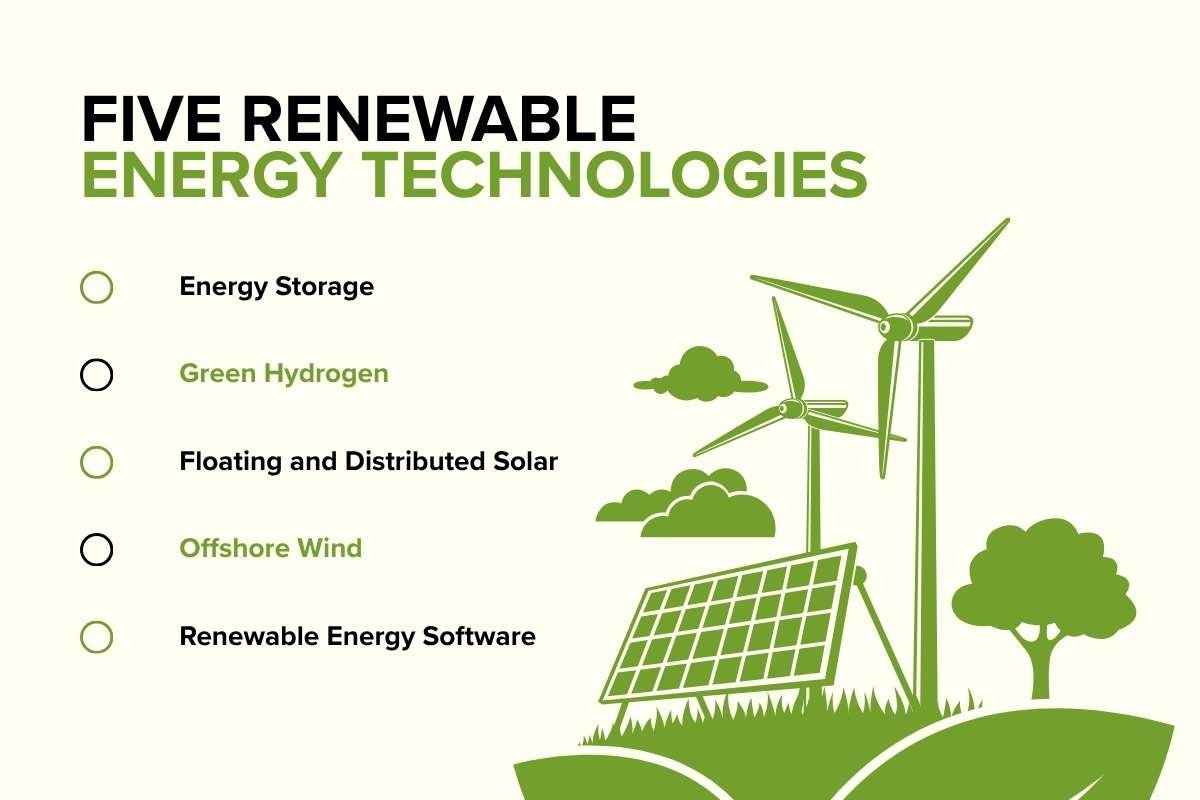
The biggest shifts may happen around renewable assets, not just inside them. Here are five areas where new business layers can grow.
1. Energy storage
More solar and wind also bring more supply swings. CEA estimates India will need 73.93 GW of storage by 2031-32. That need opens several business paths.
Firms can build battery systems, manage them, or service them. Others can offer storage EPC, battery software, or asset care. Battery recycling and second-life use can add another layer. Battery manufacturing needs huge capital. Deployment firms can enter with less capital and strong project skills.
2. Green hydrogen
Green hydrogen can help cut fuel use in hard sectors. Think steel, fertilizer, refining, and shipping. India targets 5 million tonnes per year by 2030.
That goal needs more than hydrogen plants. Businesses can serve electrolyser upkeep, safety, monitoring, testing, and transport. MNRE has even issued an Electrolyser-as-a-Service model.
3. Floating and distributed solar
Land limits can push firms toward new solar models. Floating solar can use reservoirs and other water bodies. Distributed systems can serve factories, shops, campuses, and farms.
The business layer can include design, EPC, remote monitoring, cleaning, and upkeep. That can lower entry costs versus owning large solar parks.
4. Offshore wind
Offshore wind needs a wider supply chain than turbines alone. Marine surveys, ports, cables, vessels, engineering, and maintenance all matter. Coastal firms can serve these needs as projects scale.
5. Renewable energy software
More variable power also creates more data. Software can forecast output, track assets, manage demand, and flag faults. AI can add deeper asset checks and better power forecasts.
This creates a useful path for technology-led green businesses. The future of renewable energy sources may therefore create markets without requiring firms to own power plants.
How storage and grid modernization will change renewable energy businesses
More clean power also creates a harder grid task: keeping supply steady. Solar and wind output can change with weather, time, and demand. That makes grid control a key part of the future of renewable energy sources.
Battery and pumped storage can shift power across peak hours. Smart grids can match supply with demand in real time. Forecasting tools can help firms plan around changes in renewable output. Demand response can also help large users shift loads at the right time.
Transmission upgrades matter just as much. New lines must link power-rich states with major demand hubs. Energy management systems can then help firms track use and cut waste.
This creates room for picks-and-shovels businesses. These firms do not need to own power plants. They can sell software, grid tools, storage services, and energy systems instead.
The green energy solutions and technology market can grow around these needs. In many cases, the next opportunity may sit in the tools behind clean power.
From renewable power to renewable energy services: where entrepreneurs can enter
The future of renewable energy will create room for firms of many sizes. Entrepreneurs do not need to own a solar park or build a hydrogen plant. They can enter at different points across the value chain.
- Asset-heavy: Generation, storage, hydrogen, and manufacturing need high capital. These models can offer large scale, but they also need strong funding and long-term planning.
- Mid-capital: EPC, O&M, energy audits, monitoring, installation, and recycling need less capital. These firms can earn through projects, contracts, and repeat service work.
- Asset-light: Consulting, energy software, data services, and project advice need fewer physical assets. Procurement support and marketplace models can also serve growing demand.
The right model depends on skills, capital, buyers, and risk appetite. Before choosing a path, learn how to start a green energy business and check which licenses are needed for a green energy business.
The green business models that scale often add repeat services to one-time projects. That can help firms grow without owning every asset.
What corporate renewable energy adoption means for new businesses?

Businesses now shape renewable demand as much as power producers. Corporate adoption of renewable energy is growing across India’s factories, offices, data centres, and retail sites. These buyers want cleaner power without losing control over cost or supply.
Their needs go well beyond rooftop solar. Many need renewable power through open access, better energy monitoring, and storage. They also need clear data for ESG reports and emissions tracking.
This shift creates strong B2B demand for focused service firms. Consultants can guide power procurement and project choices. Software companies can track use, costs, and renewable supply. Storage providers can help firms manage peak demand. Data companies can also support emissions reports and audits.
The future of renewable energy sources will therefore change how companies buy power. The next step moves from simply buying renewable electricity to managing an entire energy portfolio. That creates room for firms that can make this shift simpler.
The investment landscape around the future of renewable energy sources
The renewable market now spans more than power generation. Capital can move into infrastructure, manufacturing, storage, hydrogen, software, and services. Each area carries different business traits.
Renewable infrastructure often needs high capital and long project cycles. Manufacturers face technology shifts, input costs, and demand changes. Storage adds technology and usage risks. Green hydrogen still depends on new markets and supporting infrastructure. Software and EPC firms can have different capital needs and revenue cycles.
For example, JSW Energy’s 2025-26 report shows this wider shift. Its portfolio spans generation, storage, hydrogen, equipment, and energy services.
That makes the future of renewable energy sources a value-chain story. Investors and business owners can assess project life, regulation, technology risk, and recurring revenue across each segment.
Private businesses can offer another route through investment in green energy businesses. Public-market access also covers listed renewable firms and new issues. Recent SEBI filings include green energy IPOs in India, such as Juniper Green Energy.
What could slow the future of renewable energy sources?
The future of renewable energy sources will not move forward at one steady pace. Growth can face real limits across India’s energy system.
Grid bottlenecks can delay new projects from reaching buyers. Limited transmission can also restrict power flow between states. Land access can slow large projects, while high financing costs can hurt project returns. Storage still faces cost and scale challenges in some use cases.
Supply chains can also depend on imports for key parts and minerals. Recycling needs better systems as more panels and batteries reach end-of-life. Policy shifts can change project plans and market rules. India also needs more skilled workers for design, upkeep, and grid work.
Project delays can add another layer of risk. So can tech that has not reached full scale.
A technology can show strong long-term promise without making sense today. Location, cost, policy, scale, and buyer demand all matter. That distinction can help businesses assess real opportunities with greater care.
What the future means for small green energy businesses?
The future of renewable energy sources does not mean every entrepreneur needs a power plant. Many smaller firms can serve the systems growing around clean energy.
Solar O&M can create steady work across homes, factories, and shops. Energy audits can help firms cut power waste and manage costs. Monitoring platforms can track plant output and flag faults early. Battery servicing, EV charging support, and installation partnerships can serve fast-growing demand.
Consulting and energy-efficiency services offer another entry path. These models need fewer physical assets and can build repeat B2B work.
A small firm can also join larger projects as a supplier or tech partner. That makes low-investment green business ideas worth exploring for new founders. The right green energy business ideas for small investors may focus on one clear need and serve it well.
The next phase: renewable energy becomes an integrated business ecosystem
The future of renewable energy sources will connect many parts of one larger system. Solar and wind may generate the power. Storage can hold it for later use. Transmission can move it where demand rises.
Software can then manage supply, demand, and asset performance. Hydrogen can serve sectors that cannot shift to direct power. Finance can help fund new assets and services. Recycling can return useful materials to the supply chain.
A simple framework captures this wider market:
Generate → Store → Manage → Optimize → Finance → Reuse
Each step creates room for different types of businesses. Some may own assets, while others can provide tools or services. The key shift lies in how these parts work together.
That makes the future of renewable energy less about one winning technology. It becomes more about building a system where many technologies can work together.
Conclusion:
The future of renewable energy sources now points toward a wider energy system. India will add more renewable generation across many regions. That growth will also raise demand for storage and smarter grids.
Businesses will need better ways to buy, track, and manage clean power. That creates demand for energy services, digital tools, and stronger grid systems. It also creates new needs around hydrogen, recycling, and energy data.
The key shift is simple: renewable energy no longer ends at generation. The market now needs systems that can generate, store, manage, optimize, finance, and reuse energy.
For entrepreneurs, that creates many paths into the sector. Some may build assets. Others may solve one clear problem within the larger ecosystem. The strongest opportunity may come from knowing where that gap exists and serving it well.
Frequently asked questions
1. What is the future of renewable energy sources in India?
India will add more renewable power, storage, smart grids, and green hydrogen. Digital energy systems will also shape the next stage of growth.
2. Which renewable energy source has the strongest future?
No single source fits every need across India. Resource access, land, grid links, costs, and end-use demand all shape the right choice.
3. What are the biggest renewable energy business opportunities?
Key areas include generation, storage, EPC, O&M, software, hydrogen, consulting, recycling, and energy management.