


Key Takeaways
- India launches hydrogen train to advance clean mobility infrastructure
- Rs 23,000 crore projects focus on transport, healthcare, and education
- Indigenous technology drives innovation in the railway and energy sectors
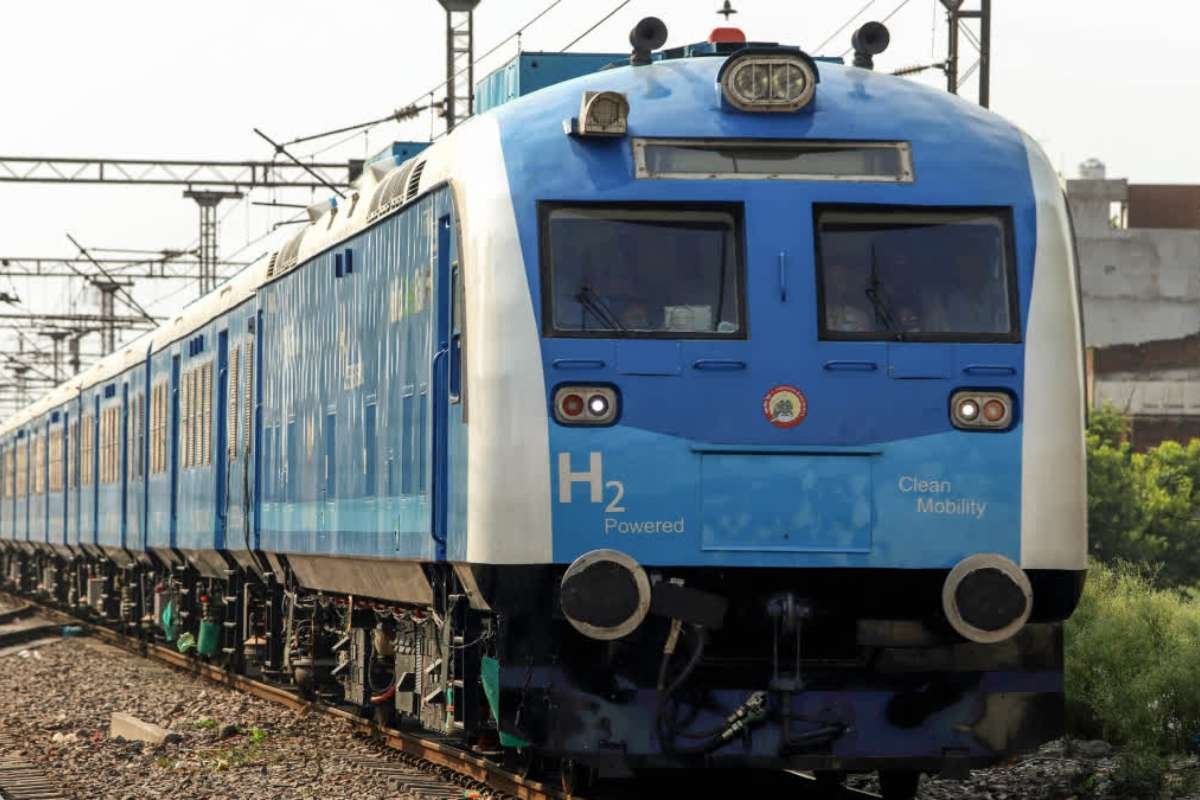
India has marked a key development in railway innovation with the launch of its first hydrogen-powered train between Jind and Sonepat. The rollout is part of a broader infrastructure push that includes projects worth Rs 23,000 crore across transport, healthcare, and education sectors.
Hydrogen Train Signals Shift Towards Clean Rail Technology
The hydrogen-powered train represents a move towards alternative fuel adoption in the railway sector. Developed using indigenous technology, the train is designed, engineered, and integrated within India, reflecting advancements in domestic manufacturing and engineering capabilities.
Hydrogen-based propulsion systems produce energy through chemical reactions, reducing dependence on conventional fuels. This approach supports improved energy efficiency and aligns with evolving fuel strategies in transport infrastructure.
The train will operate on the Jind to Sonepat route, marking the first deployment of hydrogen-powered rail technology in the country. The initiative highlights ongoing efforts to modernise railway systems while integrating cleaner energy sources.
In addition to the hydrogen train launch, another train service connecting Amritsar and Varanasi will be flagged off from the redeveloped Jalandhar Cantonment railway station. These developments indicate continued investment in rail connectivity and passenger services.
The adoption of hydrogen technology in railways is expected to open opportunities for businesses involved in clean energy, component manufacturing, and infrastructure support. It also reflects a shift towards diversified energy usage within public transport systems.
Infrastructure Projects Expand Regional Economic Activity
Alongside the railway initiatives, projects worth Rs 23,000 crore are being launched and inaugurated across multiple regions. Out of this, Rs 14,700 crore projects are focused on Haryana, covering road infrastructure and healthcare development.
Key road projects include sections of the Delhi Amritsar Katra Expressway, the Ambala Kala Amb National Highway, and the Jind Gohana National Highway. These developments are aimed at improving connectivity and logistics efficiency.
Healthcare infrastructure is also a major component of the investment. Medical institutions such as Pandit Neki Ram Sharma Government Medical College in Bhiwani, Maharishi Chyawan Medical College, and Rao Tula Ram Hospital in Narnaul are being dedicated as part of the initiative.
In Chandigarh, projects worth Rs 4,736 crore are being launched, covering road infrastructure, healthcare facilities, and educational institutions. Additional projects worth Rs 5,470 crore are scheduled for Jalandhar, further expanding infrastructure capacity in the region.
The combined investments across transport, healthcare, and education sectors reflect a multi-sector development approach. For Indian entrepreneurs and business owners, such infrastructure expansion supports improved logistics, access to services, and regional economic activity.
The hydrogen train initiative stands out as a technology-driven development within this broader framework. It demonstrates the integration of clean energy solutions into core infrastructure, creating potential opportunities across manufacturing, energy, and engineering sectors.
As infrastructure spending continues to scale, the focus on innovation alongside capacity building indicates a shift towards more efficient and diversified systems. The deployment of hydrogen-powered rail technology, combined with extensive project investments, highlights ongoing transformation in India’s infrastructure sector.
Explore Business Viewpoint Magazine to stay updated on industry trends and leadership stories.