

Key Takeaway:
- Global crude prices are pushing fuel costs higher.
- Higher fuel Price Hike may increase inflation.
- More fuel hikes could follow soon.
India witnessed another sharp increase in petrol and diesel prices on May 19, marking the second fuel price hike within a week and intensifying concerns over rising inflation and household expenses. State-run oil marketing companies revised retail fuel prices upward across the country as global crude oil rates continued to surge amid geopolitical tensions in West Asia.
The latest increase pushed fuel price hike in major metropolitan cities, including Delhi, Mumbai, Chennai, Kolkata, and Bengaluru. In Delhi, petrol prices edged closer to ₹99 per litre, while diesel also recorded a significant jump. Similar hikes were reflected across other states, increasing the financial burden on daily commuters, transport operators, and businesses dependent on fuel-driven logistics.
The revision comes after oil marketing companies reportedly absorbed substantial losses for months due to the widening gap between global crude prices and domestic retail rates. Industry observers believe the recent hikes are part of a gradual effort to align Indian fuel prices with international market conditions rather than implementing one large increase at once.
Consumers across the country reacted with concern as fuel prices directly influence transportation, food distribution, and essential services. Public transport operators and logistics companies are expected to face higher operating costs, which could eventually affect the prices of goods and services in the broader market.
Fuel prices had largely remained stable for an extended period despite fluctuations in international crude oil markets. However, the recent rise in global oil prices appears to have forced authorities and fuel retailers to revise domestic rates to ease financial pressure on oil companies.
Rising Global Oil Prices Begin to Affect India’s Economy
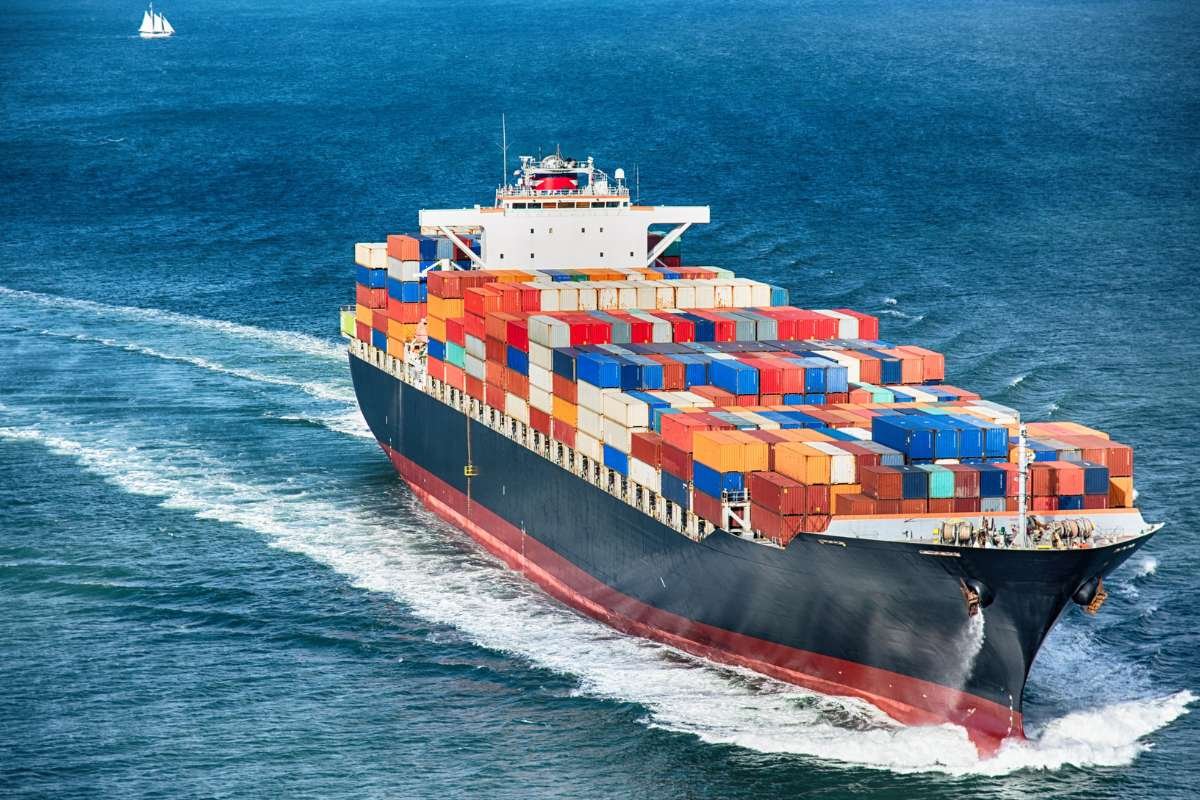
The latest fuel price hike is closely linked to the growing instability in global energy markets. International crude oil prices have risen sharply in recent weeks due to tensions in the Middle East, raising fears of supply disruptions and uncertainty in major oil shipping routes.
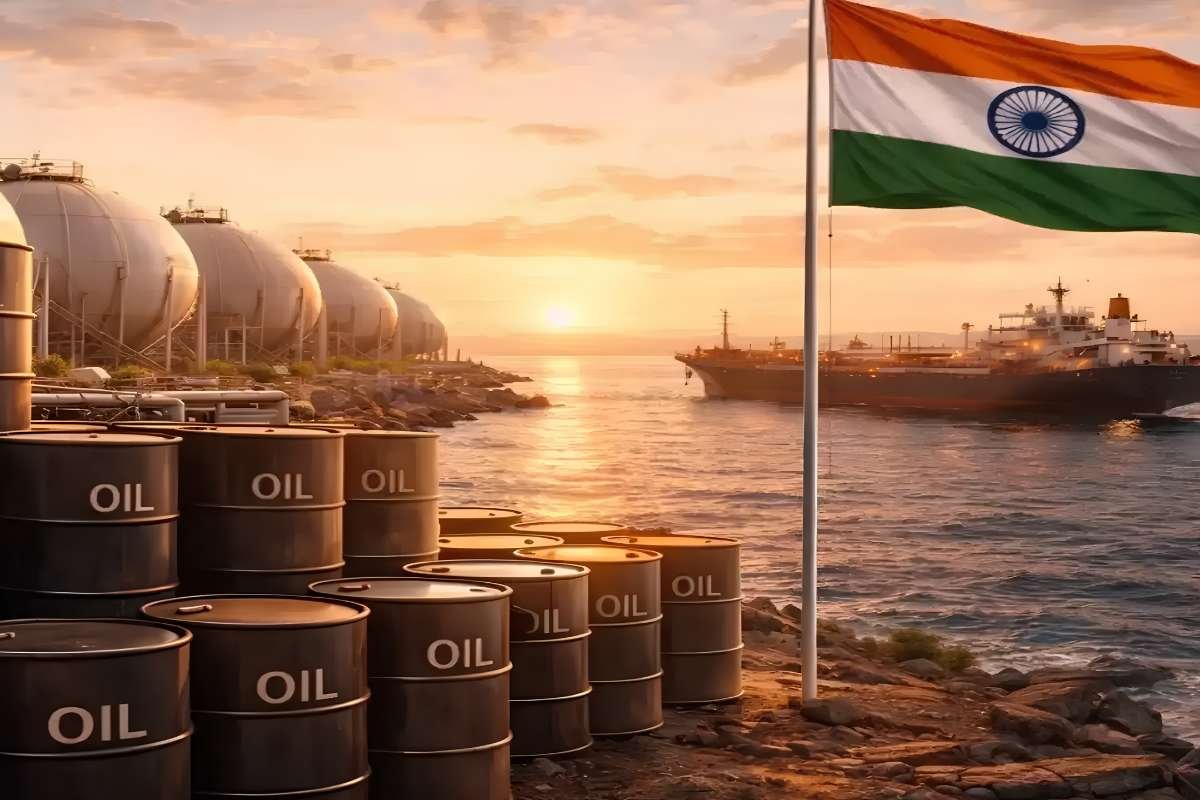
India, which imports a majority of its crude oil requirements, remains highly vulnerable to fluctuations in international oil prices. Analysts say that prolonged volatility in crude markets has significantly increased India’s import bill, putting pressure on both fuel retailers and the broader economy.
Economic experts warn that continued increases in petrol and diesel prices could trigger a ripple effect across multiple sectors. Transportation and logistics costs are expected to rise first, followed by increases in food prices, manufacturing expenses, and delivery charges. Inflationary pressure may also intensify if businesses begin passing higher operating costs to consumers.
The developments have reignited debate around fuel taxation policies in India. A significant portion of the retail price paid by consumers consists of central and state taxes, which critics argue continue to keep fuel prices elevated even during periods when global crude prices soften temporarily.
Opposition parties and consumer groups have criticised the timing of the latest hike, arguing that households are already dealing with rising costs of living. Small businesses and middle-income families are expected to feel the strongest impact, particularly those heavily dependent on daily transportation and fuel-intensive operations.
Meanwhile, policymakers appear focused on balancing consumer concerns with the need to maintain stable fuel supplies and protect oil companies from mounting financial losses. Authorities have also been reviewing measures related to domestic fuel management and export duties to ensure adequate availability within the country.
More Fuel Price Volatility May Lie Ahead
Industry analysts believe additional fuel price revisions cannot be ruled out if international crude prices continue to remain volatile. Oil companies are expected to closely monitor developments in global markets, especially geopolitical tensions affecting major oil-producing regions.
For consumers, the impact of rising fuel costs is already becoming visible. Daily commuting expenses are increasing, while app-based cab services, delivery platforms, and transportation businesses may soon revise fares to offset higher diesel and petrol costs. The agricultural sector could also face challenges as fuel prices affect irrigation, harvesting equipment, and crop transportation.
Economists caution that prolonged fuel inflation can weaken consumer spending and place additional pressure on economic growth. Higher logistics and transportation costs could eventually influence the prices of essential goods, affecting both urban and rural households.
At the same time, the government is expected to accelerate long-term initiatives aimed at reducing dependence on imported crude oil. Programs focused on ethanol blending, electric vehicle adoption, renewable energy expansion, and alternative fuel development are increasingly being viewed as essential strategies for protecting the economy from global oil shocks.
For now, however, uncertainty continues to dominate the outlook. With fuel price hikes twice within days and global crude markets remaining unstable, consumers and businesses across India are preparing for the possibility of further increases and prolonged economic pressure in the weeks ahead.
Visit Business Viewpoint Magazine for the latest information.