

Key Points:
- Energy Crisis – A West Asia conflict has blocked oil flows through the Strait of Hormuz, pushing global crude prices above $112 per barrel and raising fears of an energy lockdown in India.
- Modi’s Warning – Prime Minister Narendra Modi has urged the nation to adopt COVID-era preparedness as rising energy costs threaten inflation, supply shortages, and broader economic stability.
- No Lockdown Yet – Authorities clarify that no immediate lockdown is planned, but prolonged disruptions could slow economic growth, raise food prices, and strain household budgets across India.
India braces for economic strain as a West Asia crisis disrupts oil flows through the Strait of Hormuz, driving prices above $112 per barrel and prompting Prime Minister Narendra Modi to call for COVID-era readiness. The situation has raised concerns over a potential energy lockdown in India if disruptions worsen.
India is closely monitoring a deepening energy crisis triggered by escalating conflict in West Asia that has halted ship movement through the Strait of Hormuz, a critical global oil transit route. The disruption is pushing up crude prices and raising concerns about inflation, supply shortages, and economic stability.
Global crude prices have surged to $112 per barrel, while fuel costs are rising worldwide, including gasoline reaching about $5 per gallon in the United States. Analysts say the supply crunch is likely to persist if the strategic waterway remains blocked, raising the specter of a wider energy lockdown in India.
Energy Disruptions Drive Inflation Concerns
The halt in oil shipments is increasing transportation costs, which in turn is pushing up the price of essential goods. Retail prices are rising steadily, with food and household items becoming more expensive due to higher logistics expenses.
Experts warn that the crisis could also affect food security. Fertilizers, a key component for agricultural production, are largely transported through the affected region. Any prolonged disruption could raise input costs for farmers and lead to higher food prices.
“This is not just an energy issue but a broader economic challenge,” said energy analyst R.K. Sharma. “If supply constraints continue, inflationary pressures will intensify across sectors.”
Government officials are assessing the situation and exploring contingency measures, including alternative supply routes and strategic reserves, to mitigate the impact.
Modi Calls For COVID-Like Preparedness
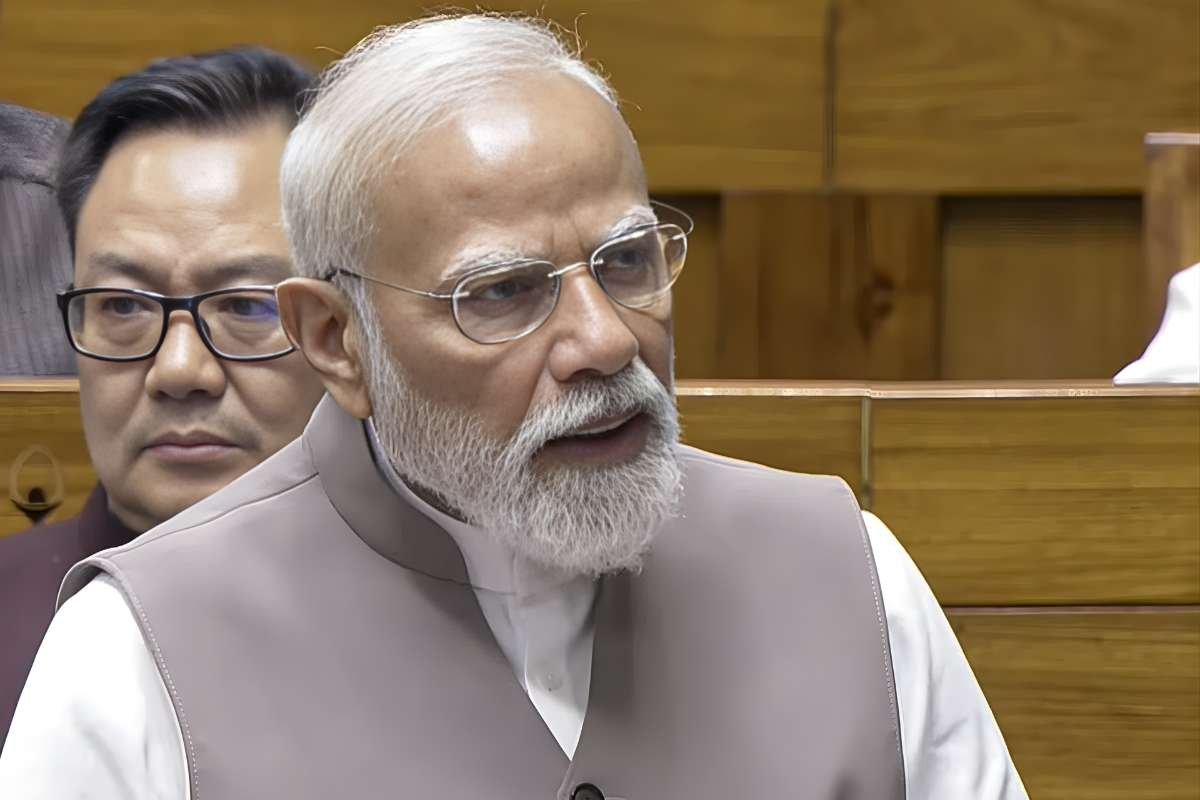
Prime Minister Narendra Modi has acknowledged the severity of the crisis in recent addresses to Parliament, urging preparedness similar to the response during the COVID-19 pandemic.
“We must be prepared like the times of COVID,” Modi said, emphasizing coordinated planning and readiness to handle disruptions. He described the situation as creating “unprecedented economic and security challenges” due to energy supply constraints.
Officials say the government is focusing on maintaining supply chains, stabilizing fuel availability, and preventing panic in markets. Ministries are working together to monitor developments and respond quickly to any escalation.
“The goal is to stay ahead of the crisis and ensure minimal disruption to daily life,” a senior government official said on condition of anonymity, noting that proactive measures aim to prevent any energy lockdown in India.
No Immediate Lockdown Expected
Despite comparisons to pandemic-era preparedness, there is no indication that a COVID-19-style lockdown is imminent. Authorities have clarified that the current crisis is economic and geopolitical, not a public health emergency.
However, the cascading effects of rising energy prices could slow economic growth and strain household budgets. Businesses dependent on transportation and imports are expected to feel the pressure first.
Economist Meera Iyer said the situation requires vigilance but not alarm. “This is a supply-side shock, and while it can be severe, it does not necessitate lockdowns,” she said. “The focus should be on managing inflation and ensuring supply continuity.”
India, which imports a significant portion of its energy needs, remains vulnerable to global price shocks. The government’s response in the coming weeks will be critical in determining how effectively it can cushion the impact on consumers and the broader economy.
As the crisis unfolds, policymakers are urging calm while emphasizing preparedness, signaling a proactive approach to an uncertain global situation.
Visit Business Viewpoint Magazine for the latest information.