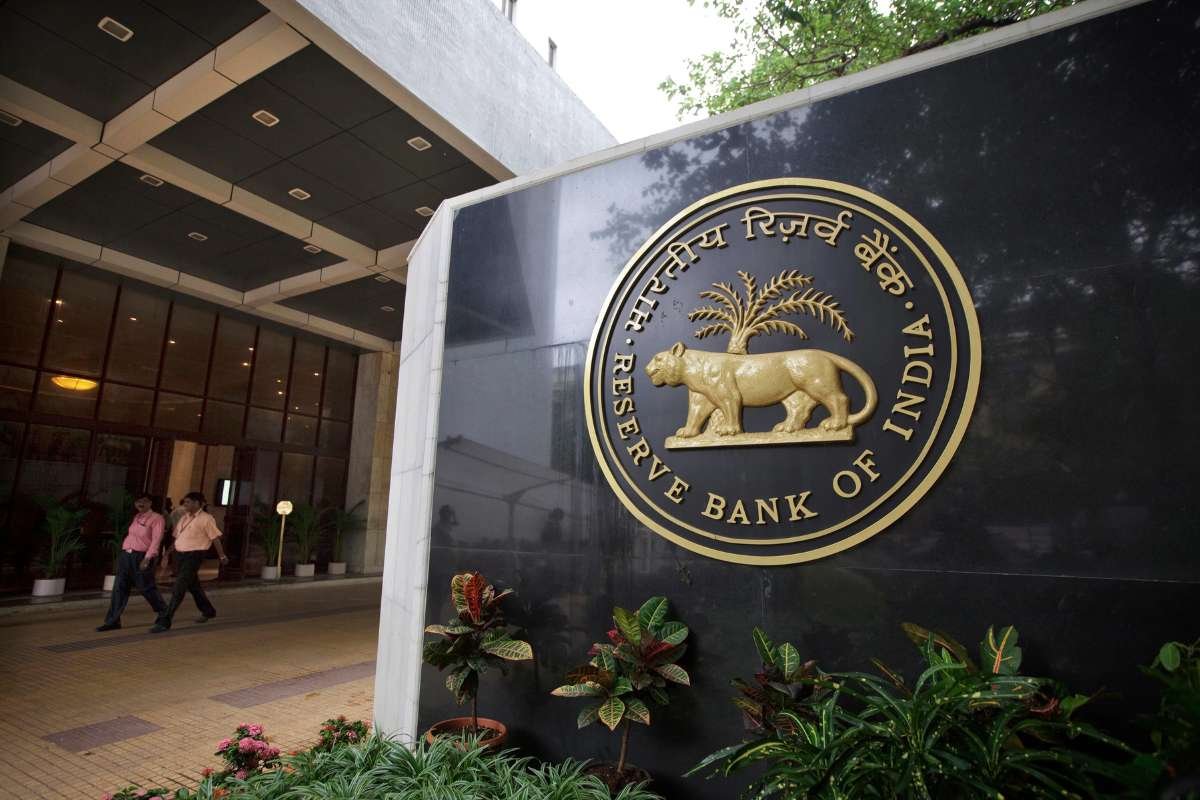



Key Points:
- RBI keeps policy rate unchanged at 5.25% after 2025’s aggressive easing cycle.
- U.S. and EU trade deals ease external risks, boosting growth outlook.
- Focus shifts to rate transmission as India plans record borrowing, pressuring bond yields.
India’s central bank on Friday kept its benchmark policy rate unchanged at 5.25%, citing easing growth risks after trade deals with the United States and the European Union and a still-positive outlook for inflation and domestic demand.
The Reserve Bank of India’s decision matched expectations from economists polled by Reuters and follows a cumulative 125-basis-point rate cut in 2025 aimed at supporting growth amid global uncertainty.
Central Bank Pauses After Aggressive Easing Cycle in 2025
Reserve Bank of India Governor Sanjay Malhotra said the central bank is pausing its easing cycle as external risks have moderated and domestic conditions remain supportive.
“External headwinds have intensified, though the successful completion of trade deals augurs well for the overall economic outlook,” Malhotra said at a press conference. He added that the near-term inflation and growth outlook remains positive.
The Reserve Bank of India last cut interest rates by twenty-five basis points in December, lowering the benchmark rate to 5.25% in a unanimous decision after flagging weakness in some key economic indicators. Since then, policymakers have signaled a greater emphasis on assessing how previous cuts are feeding through to borrowing costs across the economy.
India’s economy is forecast to grow 7.4% in the fiscal year ending March 2026 and between 6.8% and 7.2% the following year, according to the government’s economic survey. Those projections would keep India the world’s fastest-growing large economy.
Inflation pressures also remain muted. Consumer inflation rose to 1.33% in December from 0.71% in November, still well below the central bank’s medium-term target.
Trade Agreements Reduce External Headwinds, Governor Says
The policy decision comes days after U.S. President Donald Trump announced that Washington will cut tariffs on Indian exports to 18%, easing concerns about the impact of trade barriers on growth.
The United States had previously imposed tariffs of as high as 50% on Indian goods, among the steepest levied on any major trading partner. The rollback is expected to support India’s export sector and improve business sentiment.
Economists say the trade breakthrough reduces the urgency for further monetary easing.
“There was an outside chance of a rate cut if the U.S.-India trade deal had not gone through,” said Santanu Sengupta, chief India economist at Goldman Sachs, speaking on CNBC’s “Inside India.” “The RBI is now signaling a ‘lower for longer’ rate environment.”
The European Union trade agreement, announced earlier, is also expected to provide a boost to investment and market access for Indian companies, reinforcing the central bank’s confidence in the growth outlook.
Economists See Focus Shift to Rate Transmission
With policy rates on hold, attention is turning to whether banks pass on earlier cuts to borrowers.
Sengupta said the RBI will likely focus on improving transmission, even as long-term bond yields are unlikely to fall significantly.
“Banks and insurance companies are tapering their buying of long-term government securities, while the supply of bonds is rising,” he said.
India plans to borrow 17.2 trillion rupees, or about $187 billion, in the financial year starting April 1, Finance Minister Nirmala Sitharaman said in her budget speech Sunday. The amount represents an 18% increase from the revised estimate for the current year and exceeds market expectations.
Higher borrowing could keep upward pressure on bond yields, complicating efforts to lower lending rates despite an accommodative policy stance.
For now, analysts expect the RBI to maintain a wait-and-see approach.
“The central bank has created enough space through last year’s cuts,” Sengupta said. “The next phase is about ensuring those cuts reach the real economy.”