


The forts of Shivaji Maharaj formed a defence system across the hills and the Konkan coast. Shivaji Maharaj used them to protect people, control routes, store supplies, and manage his growing state.
Today, these sites help explain Maratha growth in the 17th century. Some were built during Shivaji Maharaj’s rule. Others were older forts that he captured, repaired, or expanded. In 2025, UNESCO added the Maratha Military Landscapes of India to the World Heritage List. The serial site includes 12 forts across Maharashtra and Tamil Nadu.
Why Were the Forts of Shivaji Maharaj So Important?
Forts gave the Maratha state control over key terrain. A hill fort could watch valleys and roads. A sea fort could guard the coast and nearby trade routes. Strong gates, water tanks, stores, and natural cliffs helped a garrison stay safe during attacks.
The network linked military action with rule. Raigad became the capital, while Rajgad served as an early capital for about 26 years. Coastal forts supported naval activity. Together, these Shivaji Maharaj forts formed a strong network.
Which Forts of Shivaji Maharaj Shaped Swarajya?
1. Raigad Fort
Raigad became the capital of Shivaji Maharaj’s kingdom in 1674. His coronation took place here in the same year. The fort was developed from the older Rairi fort into a major centre of government and defence.
Its steep slopes gave natural protection. The site had gates, markets, royal buildings, water tanks, and military areas. UNESCO includes Raigad in the Maratha Military Landscapes serial property.
2. Rajgad Fort
Rajgad was captured by Shivaji Maharaj in 1647 and became the first capital of the Maratha state. Among the forts of Shivaji Maharaj, Rajgad holds a special place in the early history of Swarajya. It remained the capital for about 26 years before the move to Raigad in 1674.
The fort has the Balekilla and large mountain spurs called machis. Padmavati, Suvela, and Sanjeevani Machi formed key parts of its defence. Rajgad also witnessed major events in Shivaji Maharaj’s family and state life.
3. Torna Fort
Torna is widely known as the first fort captured by Shivaji Maharaj in 1646. He was still a young ruler (16 years old) at the time. The capture gave the emerging Maratha state an important hill stronghold.
The fort stands high in the Sahyadris with wide ridges. Budhla Machi is one of its best-known features. Torna is not one of UNESCO’s 12 forts, but it remains central to early Swarajya.
4. Pratapgad Fort
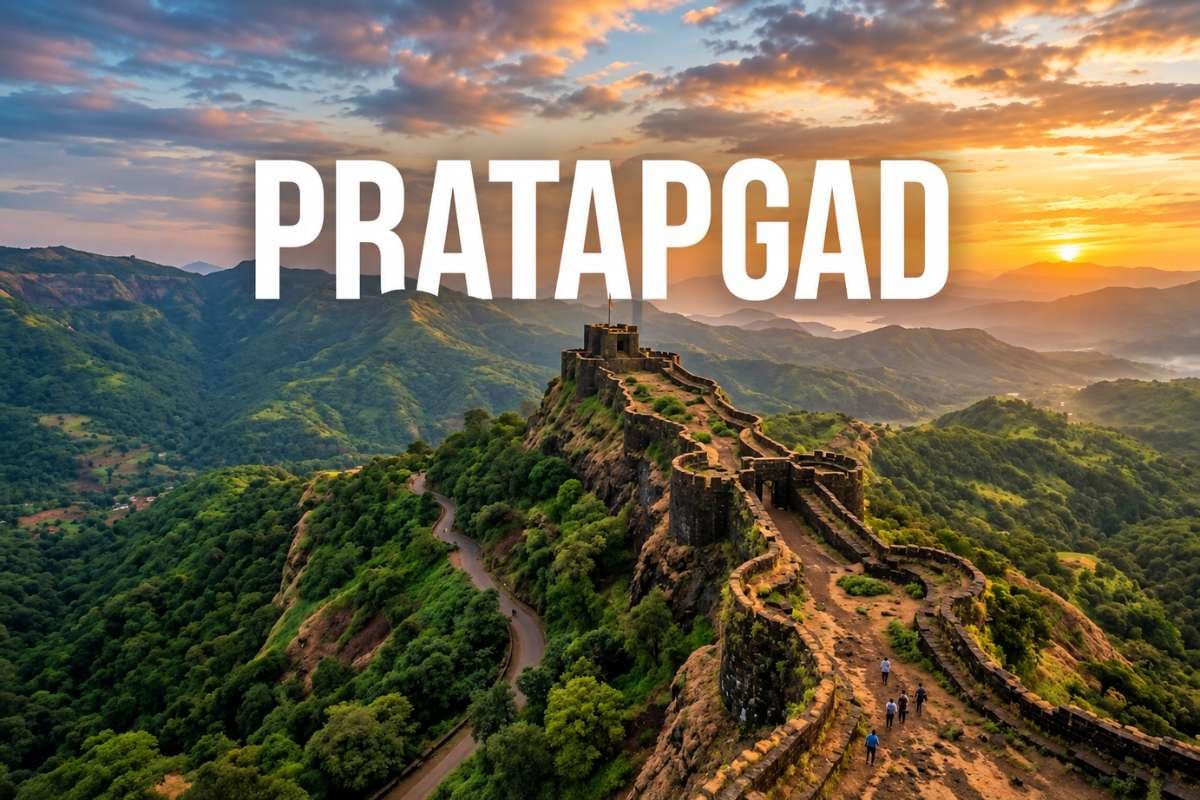
Shivaji Maharaj built Pratapgad in 1656 to control routes around the Par Pass and the Nira and Koyna valleys. The fort later became famous for the 1659 Battle of Pratapgad.
Its upper and lower sections, bastions, and steep terrain made it a strong defensive site. UNESCO includes Pratapgad in the Maratha Military Landscapes property.
5. Sinhagad Fort
Sinhagad was earlier known as Kondhana. It became famous in 1670 when Tanaji Malusare led the Maratha assault to retake the fort. Tanaji died during the battle, and the fort was captured by Maratha forces.
Its cliffs made direct attacks difficult. Today, visitors can see the Kalyan Darwaza, Tanaji’s memorial, and old fort remains.
6. Sindhudurg Fort
Sindhudurg is one of the best-known sea forts linked directly with Shivaji Maharaj. Construction began in 1664 on Kurte Island near Malvan. The fort strengthened Maratha control of the Konkan coast.
Its thick walls, sea-facing bastions, and concealed entrance suit the coastal setting. UNESCO includes Sindhudurg in its 2025 World Heritage list.
7. Vijaydurg Fort
Vijaydurg is an older coastal fort that Shivaji Maharaj captured and strengthened. Its position on the Konkan coast supported naval defence and sea-route control.
Its multiple layers and strong bastions reflect Maratha coastal defence. UNESCO includes Vijaydurg in the World Heritage property.
8. Suvarnadurg Fort
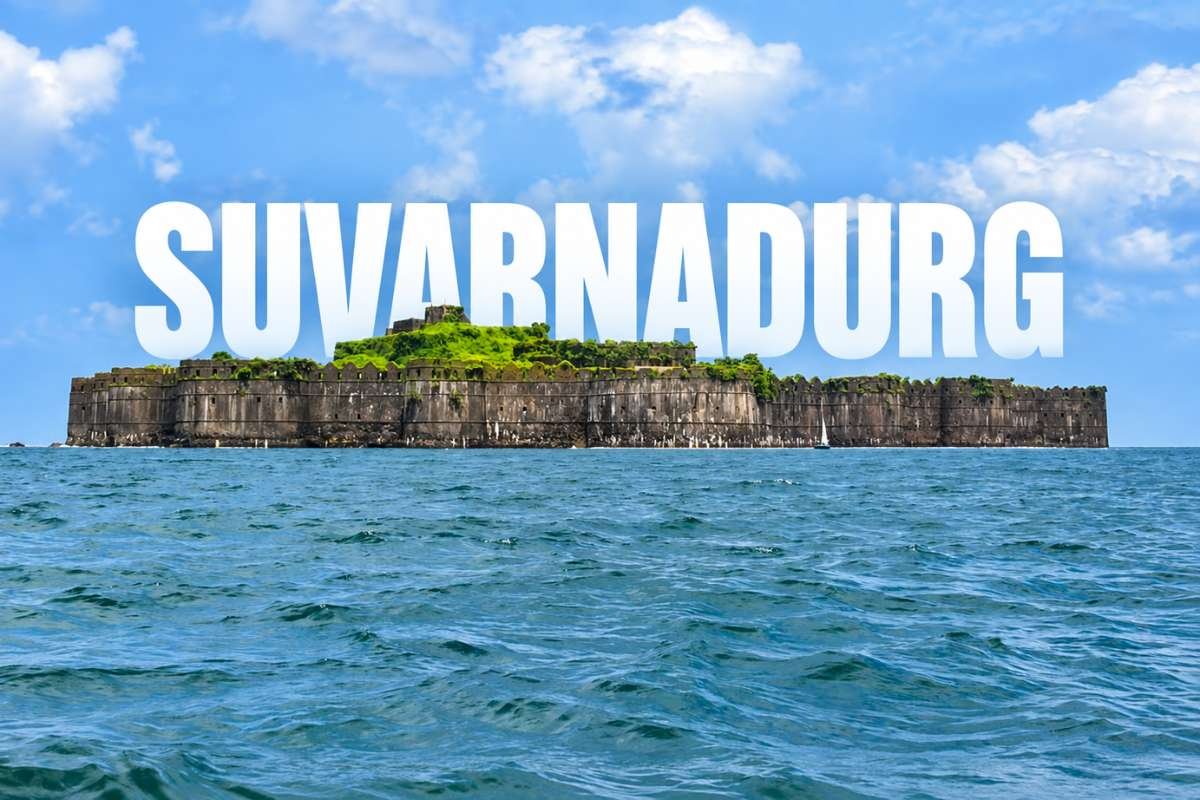
Suvarnadurg lies off the coast near Harnai in Ratnagiri district. The Marathas strengthened the fort as part of their coastal defence network.
Its island setting and heavy walls helped protect the nearby coast. Suvarnadurg is one of the four maritime components in the UNESCO-listed Maratha Military Landscapes.
9. Khanderi Fort
Khanderi is a sea fort near the Alibag coast. Shivaji Maharaj began its construction in 1679 as part of efforts to strengthen Maratha control of the western coast.
The fort’s location helped monitor shipping routes near Mumbai and the Konkan coast. Khanderi is one of UNESCO’s 12 forts.
10. Shivneri Fort
Shivneri is best known as the birthplace of Shivaji Maharaj. He was born here on February 19, 1630. The fort had earlier roots and passed through several ruling powers before the Marathas.
Its steep hill, strong gates, and protected inner areas made it a secure stronghold. UNESCO includes Shivneri in the World Heritage list.
11. Panhala Fort
Panhala is one of Maharashtra’s largest hill forts. The forts of Shivaji Maharaj included Panhala as a key base for military campaigns in the western Deccan. Shivaji Maharaj captured it in 1659 and used it as an important military base.
Its walls, gates, water systems, and stores supported long military stays. UNESCO lists Panhala as one of the 12 forts.
12. Lohagad Fort
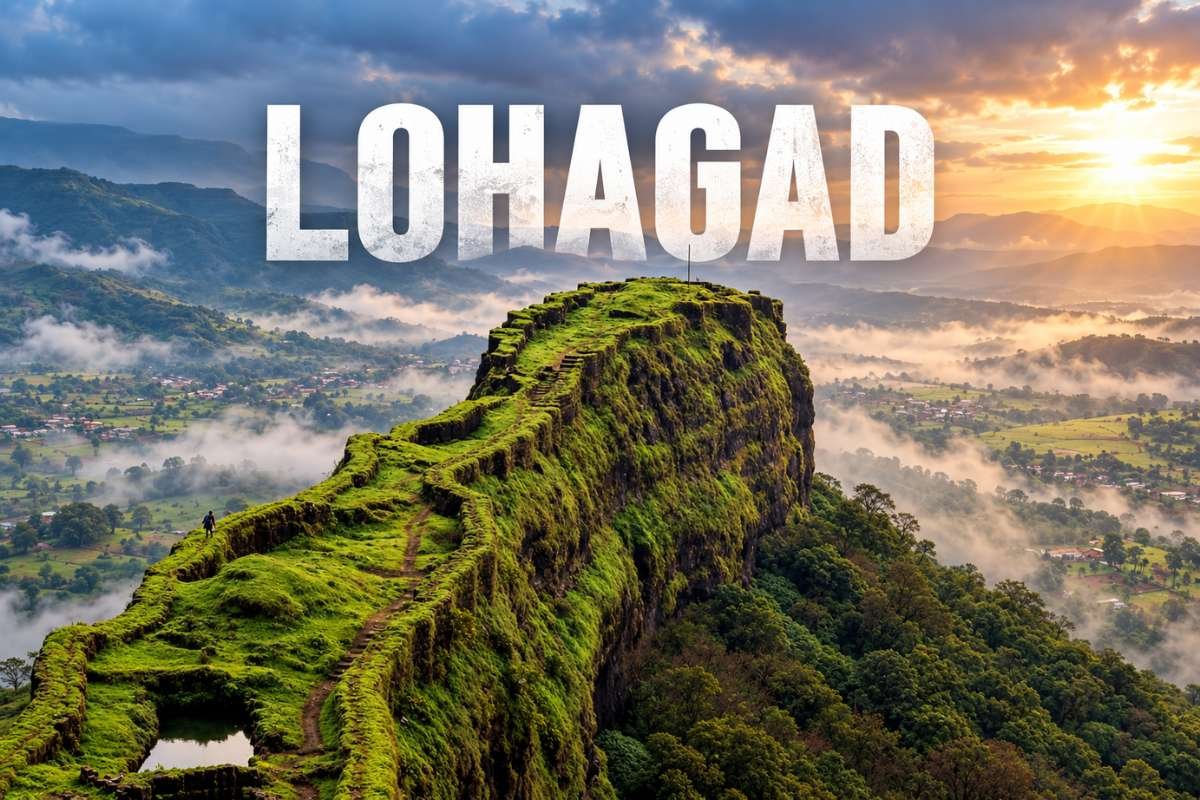
Lohagad, or “Iron Fort,” stands near Lonavala. Shivaji Maharaj captured it and used its position to help control routes between the Deccan and Konkan.
It is known for Vinchu Kata, a ridge shaped like a scorpion’s tail. UNESCO includes Lohagad in the World Heritage list.
13. Purandar Fort
Purandar has older roots and was captured by Shivaji Maharaj in 1646. It later featured in the Treaty of Purandar in 1665.
The fort sits on a strong hill position with Vajragad nearby. Its history shows how forts could serve as places of war, negotiation, and political control.
14. Chakan Fort
Chakan Fort, near Pune, was an important northern defence point for the Maratha state. Its most famous episode came in 1660, when Firangoji Narsala led its defence against Mughal forces.
Only parts of its old structure remain, but its history shows how smaller forts protected key routes.
How Did the Forts Work as One Network?
The forts of Shivaji Maharaj worked as parts of a wider defence system. Raigad supported central rule. Rajgad and Torna helped build early Maratha power. Pratapgad controlled mountain routes. Sindhudurg, Vijaydurg, Suvarnadurg, and Khanderi extended defence toward the sea.
Purandar, Sinhagad, Shivneri, Chakan, and Panhala also protected routes and military positions, adding depth to the Shivaji Maharaj forts.
UNESCO describes this network as a system shaped by terrain, military design, planning, trade protection, and territorial control. The World Heritage Committee inscribed the property in 2025 under criteria (iv) and (vi).
What are the 12 UNESCO-Listed Forts of Shivaji Maharaj?
UNESCO’s Maratha Military Landscapes of India includes 12 components. Eleven are in Maharashtra, while Gingee Fort is in Tamil Nadu. UNESCO describes them as forts that were conquered, adapted, reinforced, expanded, or constructed by the Marathas.
| Fort | State | Built/Expanded By |
| Salher | Maharashtra | Marathas; adapted and strengthened under Maratha rule |
| Shivneri | Maharashtra | Earlier rulers; adapted by the Marathas |
| Lohagad | Maharashtra | Marathas; strengthened under Shivaji Maharaj |
| Khanderi | Maharashtra | Marathas under Shivaji Maharaj |
| Raigad | Maharashtra | Shivaji Maharaj; rebuilt and expanded as a capital |
| Rajgad | Maharashtra | Shivaji Maharaj; expanded after its capture |
| Pratapgad | Maharashtra | Shivaji Maharaj |
| Suvarnadurg | Maharashtra | Marathas; strengthened for coastal defence |
| Panhala | Maharashtra | Earlier rulers; strengthened under Maratha rule |
| Vijaydurg | Maharashtra | Earlier rulers; strengthened by Shivaji Maharaj and later Marathas |
| Sindhudurg | Maharashtra | Shivaji Maharaj |
| Gingee | Tamil Nadu | Marathas; strengthened after Shivaji Maharaj’s conquest |
The UNESCO listing is important because it recognises the forts as one connected military landscape, rather than treating each fort as an isolated monument.
Conclusion: What Makes These Forts Special Today?
The forts of Shivaji Maharaj show how military design can work with natural landforms. Hills, cliffs, islands, sea channels, and mountain passes became part of the defence plan.
For visitors, each fort offers a different experience. Raigad combines royal history with mountain terrain. Rajgad and Torna suit trekkers. Pratapgad connects architecture with the 1659 battle. Sindhudurg shows coastal defence, while Shivneri links the network with Shivaji Maharaj’s early life.
The forts are best understood as parts of a wider system. Their value lies not only in walls or monuments, but also in how they used geography, movement, defence, and administration together.
For anyone studying Maratha history, these forts explain the growth of Swarajya. The forts of Shivaji Maharaj also gained global recognition in 2025, when UNESCO listed this landscape as a World Heritage property.
FAQs
1. Which forts of Shivaji Maharaj are UNESCO World Heritage Sites?
Twelve forts form the UNESCO-listed Maratha Military Landscapes of India, including Raigad, Rajgad, Shivneri, Pratapgad, and Sindhudurg.
2. Was every UNESCO-listed fort built by Shivaji Maharaj?
No, several were older forts that the Marathas captured, adapted, strengthened, or expanded.
3. When was the Maratha Military Landscapes property added to UNESCO’s list?
UNESCO inscribed the Maratha Military Landscapes of India on the World Heritage List in 2025.
4. Which fort was the first captured by Shivaji Maharaj?
Torna Fort was the first major fort captured by Shivaji Maharaj in 1646.
5. How many forts did Shivaji Maharaj control?
Shivaji Maharaj controlled a large network of forts, with historical sources commonly citing more than 300 forts at the height of his rule.
Sources:
- https://www.pib.gov.in/FeaturesDeatils.aspx?NoteId=153371&ModuleId+=+2%C2%AE=3&lang=1
- https://www.tripoto.com/pune/places-to-visit/rajgad-fort
- https://www.escape2explore.com/blog/trekking/the-historical-significance-of-torna-fort/523
- https://maharashtratourism.gov.in/fort/pratapgad/#:~:text=Situated%20at%20an%20altitude%20of%201%2C080%20meters%2C%20the%20Upper%20Fort%20was%20a%20crucial%20observation%20and%20defense%20point.
- https://sites.google.com/site/sinhagadfortpune/
- https://discoverindiabycar.com/discover-the-history-of-sindhudurg-fort/
- https://www.makemytrip.com/tripideas/places/murud-janjira
- https://www.hindujagruti.org/history/39835.html
- https://en.wikipedia.org/wiki/Kolaba_Fort
- https://www.hindujagruti.org/history/39831.html
- https://www.hindujagruti.org/history/39837.html
- https://www.rhythmhospitality.com/resorts/rhythm-lonavala/blogs/history-of-lohagad-lonavala.html
- https://www.hindujagruti.org/history/40016.html
- https://www.incredibleindia.gov.in/en/maharashtra/kolhapur/panhala-fort
- https://en.wikipedia.org/wiki/Shivneri_Fort
- https://whc.unesco.org/en/list/1739/