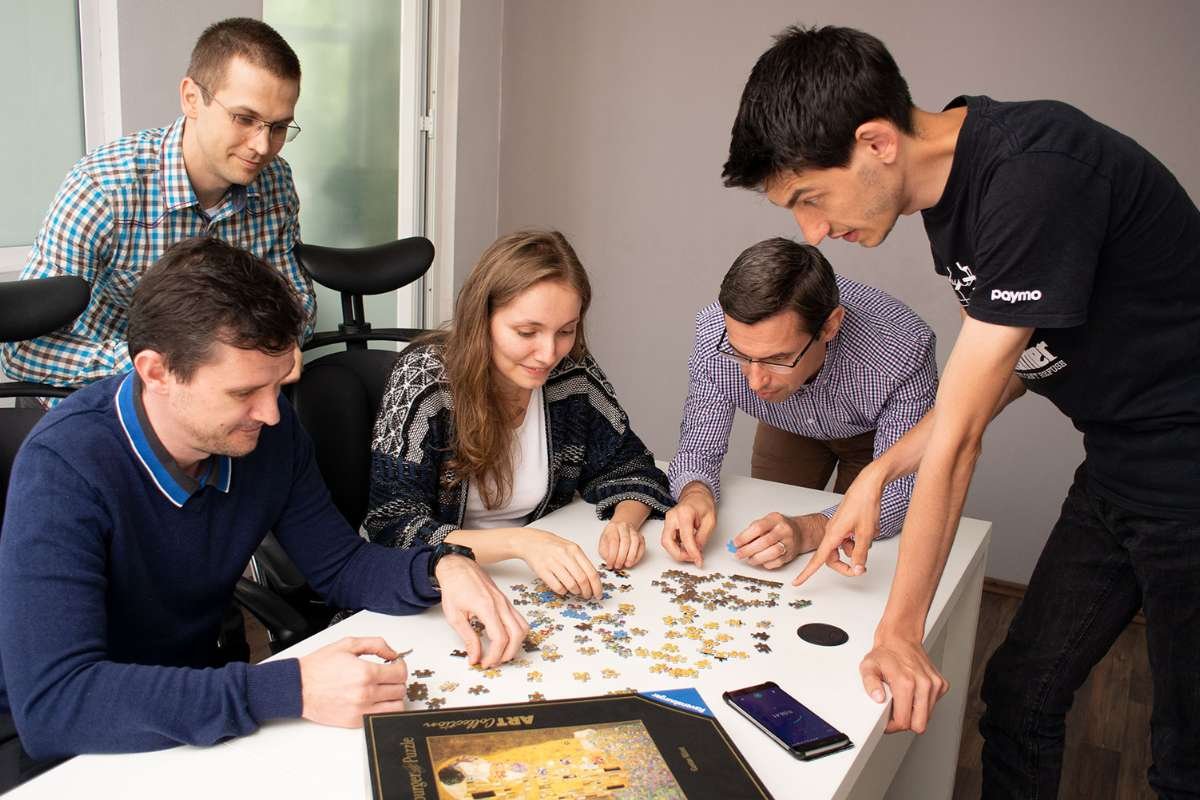



Teams do not fail because people lack talent. They fail because people stop trusting each other. One missed message. One awkward silence. One meeting where nobody speaks. Slowly, the spark fades.
Now imagine the opposite. Laughter during work. Honest ideas. Shared wins. That change does not come from long speeches. It comes from building teamwork activities that feel real and human. These moments break walls faster than any policy.
This guide shows how teams grow stronger through simple actions that bring people closer. No buzzwords. No fluff. Just practical ways to turn groups into teams that people enjoy being part of.
➧ What Is Team Building?
Team building means creating a space where people work together with trust and purpose. It focuses on connection, not control. A team works best when every person feels heard and valued.
Team building does not mean games alone. It includes shared goals, clear roles, and open communication. When teams practice building teamwork activities, they strengthen bonds through action, not theory.
These activities help people understand each other beyond job titles. They see strengths, habits, and thinking styles. This understanding reduces conflict and builds respect.
True team building happens over time. Small efforts matter more than big events. A simple activity done often beats a grand one done once.
➧ Why Is Team Building Important for a Company?
Companies run on people, not systems. When people disconnect, productivity drops fast. Team building keeps teams aligned and motivated.
Strong teams solve problems faster. They share ideas without fear. They handle pressure better. Building teamwork activities supports this by creating safe spaces for interaction.
Team building also reduces employee turnover. People stay where they feel connected. A team that enjoys working together stays together longer.
It also improves leadership flow. Managers understand their teams better. Employees trust decisions more. This balance leads to smoother execution and better results.
➧ Importance of Teamwork and Its Types
Teamwork allows individuals to achieve more together than alone. It blends skills, ideas, and effort into one shared direction.
Types of Teamwork
- Functional Teamwork: Teams work within defined roles and responsibilities.
- Cross-Functional Teamwork: People from different departments collaborate.
- Problem-Solving Teamwork: Teams focus on fixing specific challenges.
- Creative Teamwork: Teams generate ideas and innovation.
Using building teamwork activities helps every type of teamwork stay balanced and productive.
Benefits of Strong Teamwork
- Better communication
- Higher trust levels
- Faster decision-making
- Reduced workplace stress
- Improved performance
Teams that practice teamwork activities regularly show higher engagement and stronger morale. These benefits compound over time.
➧ Top 15 Building Teamwork Activities that Create Strong Teams
This list is created based on real workplace behavior, not theory alone. Each activity focuses on simple human interaction, shared thinking, and practical collaboration that fit modern work culture. These activities were created by Business Viewpoint’s workplace culture research team. The selection reflects patterns seen in high-performing teams where connection, clarity, and consistency drive long-term success.
1. Problem Circle
In a Problem Circle, the team sits together and focuses on one clear problem. This problem can be work-related or process-based. Everyone gets a chance to speak. No one interrupts.
The goal is not to blame. The goal is to think together. Each person shares one idea or solution. The team then agrees on the best approach within a fixed time.
This activity improves listening skills. It also shows that every voice matters. Over time, teams become more confident while sharing ideas.
2. Role Swap Day
Role Swap Day allows team members to step into each other’s roles for a short time. This does not mean full responsibility. It means observation and basic task handling.
For example, a manager may sit with a support executive. A designer may observe a sales call. This builds empathy fast.
People start to respect challenges they never noticed before. Misunderstandings reduce. Communication improves naturally. This is one of the most powerful building teamwork activities for trust.
3. Two Truths One Lie

This activity is simple and fun. Each person shares three statements about themselves. Two are true. One is false.
The rest of the team guesses which statement is the lie. Laughter usually follows. Barriers drop quickly.
This activity works well for new teams. It helps people open up without pressure. It also creates a relaxed environment where conversation feels easy and natural.
4. Silent Line-Up
In Silent Line-Up, the team must arrange themselves in a specific order without speaking. The order can be based on birthdays, joining date, or height.
The challenge forces people to use gestures, eye contact, and patience. It highlights how communication goes beyond words.
This activity improves non-verbal communication. It also shows how teamwork works even under limitations. Teams often reflect on how silence changed their thinking.
5. Shared Goal Board
A Shared Goal Board is a visible board placed in the workspace or a digital tool. It shows team goals, progress, and small wins.
Everyone updates it regularly. This creates ownership. It also keeps the team aligned.
When goals stay visible, motivation stays high. Teams celebrate progress together. This simple activity turns daily work into a shared journey. It is one of the most effective building teamwork activities for long-term alignment.
6. Team Story Building

Team Story Building is a simple and powerful activity. One person starts a story with one sentence. The next person adds the next line. This continues until the story ends.
The goal is not to write a perfect story. The goal is to listen, connect ideas, and build something together. Team members must pay attention to what others say. They must adapt their thoughts in real time.
This activity improves creativity. It also builds trust. Everyone’s voice matters here. No one controls the direction alone.
Team Story Building works well in meetings, workshops, or virtual calls. It breaks the silence fast and makes people feel comfortable speaking.
7. Strength Mapping
Strength Mapping helps team members see the value in each other. In this activity, people identify strengths they notice in their teammates.
One person shares a strength they see in another member. This could be problem-solving, listening, leadership, or consistency. The focus stays on positive and real observations.
This activity builds confidence. People feel seen and appreciated. It also helps teams understand who is good at what.
Strength Mapping improves task allocation. Teams start using the right skills for the right work. It reduces frustration and improves respect.
8. Escape Room Challenge
The Escape Room Challenge places the team in a time-bound problem. The group must solve puzzles together to complete the task.
This activity creates healthy pressure. People must communicate clearly and think fast. Everyone contributes in different ways.
Some members lead. Some analyze. Some notice details. This shows natural team dynamics.
The Escape Room Challenge improves collaboration under stress. Teams learn how they behave when time feels tight. This insight helps in real-world situations.
9. Feedback Rounds

Feedback Rounds create a safe space for honest sharing. Each team member gives and receives feedback in a structured way.
The focus stays on behavior, not personality. People share what worked well and what canbe improvede. The tone stays respectful.
This activity builds trust. It removes fear around feedback. Teams stop guessing and start understanding each other better.
Feedback Rounds also reduce misunderstandings. Clear communication replaces assumptions. Over time, teams grow stronger and more open.
10. Skill Share Sessions
Skill Share Sessions allow team members to teach one skill they know. The skill can relate to work or a personal interest.
One person leads a short session. Others listen, ask questions, and learn something new. No
pressure. No perfection.
This activity builds confidence and mutual respect. Everyone becomes both a teacher and a learner.
Skill Share Sessions promote continuous growth. They also reveal hidden talents inside the team. Teams feel more connected when learning together.
11. Weekly Wins
Weekly Wins is a simple activity where teams share small achievements from the past week. These wins can be work-related or personal. It may include finishing a task, helping a teammate, or learning something new.
This activity shifts focus from pressure to progress. Many teams only talk about problems. Weekly Wins reminds people that effort matters, even in small steps. When teams practice this regularly, confidence grows naturally.
Weekly Wins also builds trust. Team members feel seen and valued. Over time, this becomes one of the most effective building teamwork activities because it creates positivity without forcing motivation.
12. Decision Dice

Decision Dice is a creative way to make group decisions. Instead of long debates, teams assign options to numbers on a dice. Everyone agrees on the choices first. Then the dice decides the final call.
This removes tension from decision-making. It encourages fairness and shared responsibility. People feel included because every option gets equal weight.
Decision Dice works well for low-risk choices. It keeps meetings short and fun. As one of the lighter building teamwork activities, it teaches teams how to trust the process and accept outcomes together.
13. Office Scavenger Hunt
An Office Scavenger Hunt asks teams to find items or solve clues within the workplace or virtual space. Team members must work together to complete tasks within a time limit.
This activity promotes movement, communication, and problem-solving. People naturally talk more when they move around together. Barriers break without effort.
Scavenger hunts are powerful teamwork activities because they blend fun with collaboration. They refresh energy and help teams reconnect, especially after long work periods.
14. Values Voting
Values Voting helps teams align on what truly matters. Leaders present a list of values such as trust, honesty, respect, or growth. Team members vote on the most important ones.
This creates clarity. Everyone understands what the team stands for. It also encourages open discussion about behavior and expectations.
Values Voting strengthens teamwork by creating shared direction. Teamwork activities, this one builds long-term unity, not just short-term engagement.
15. Gratitude Circle

A Gratitude Circle invites team members to openly appreciate each other. Each person shares one positive thing about another teammate.
This activity builds emotional safety. People feel respected and encouraged. Gratitude improves morale and reduces stress.
Gratitude Circles feel genuine when done with care. They are one of the most human building teamwork activities because they focus on kindness and connection.
Each of these activities strengthens bonds without feeling forced.
➧ Foundations of Teamwork
Strong teams stand on clear foundations.
| Foundation | What It Means in Simple Words | Why It Matters for Teams |
| Trust | People do what they say and stay honest with each other | Team members feel safe to share ideas and speak freely |
| Communication | Clear and open talking without fear or confusion | Everyone understands goals, tasks, and expectations |
| Accountability | Each person takes responsibility for their own work | Work gets done on time, and mistakes get fixed quickly |
| Respect | Different opinions and styles are valued | Conflicts reduce, and collaboration improves |
| Shared Purpose | The team works toward a goal that feels meaningful | Motivation stays high, and efforts stay focused |
➧ How Leaders Can Support Teamwork?
Leaders play the most important role in shaping teamwork. Teams observe how leaders behave every day. When leaders actively take part in building teamwork activities, employees feel safe, supported, and confident. This involvement shows that teamwork is valued, not forced.
Leaders do not stay distant during team activities. Managers sit with the team, share their own small wins, and listen without interrupting. This approach removes hesitation and encourages open conversation. Team members feel comfortable sharing ideas and concerns.
According to Business Viewpoint, leaders focus more on listening than speaking. They allow people to express their thoughts fully. They guide discussions calmly and avoid quick judgments. This simple habit improves communication and strengthens trust within the team. Consistency matters more than authority.
Leaders support teamwork regularly, not only during special events. They schedule time for building teamwork activities and respect that time. This steady effort helps teamwork grow naturally.
The company built a culture where teamwork feels natural. Regular teamwork activities have helped teams stay connected, focused, and motivated every day.
Remote Teams and Teamwork
Remote teams need connection even more. Distance creates silence if ignored.
Virtual teamwork activities keep teams connected across screens. Short check-ins, shared challenges, and open discussions help remote teams feel human.
Consistency matters more than complexity in remote setups.
Measuring Teamwork Success
Success shows in behavior, not charts.
- Fewer conflicts
- Faster collaboration
- Higher engagement
- Open communication
When building teamwork activities work, teams feel the change before metrics show it.
Common Mistakes to Avoid
- Forcing participation
- Making activities too long
- Ignoring feedback
- Treating team building as optional
Team building works when it respects people’s time and comfort.
➧ The Long-Term Impact
Teams that grow together stay resilient. They adapt faster to change. They support each other under pressure.
Over time, building teamwork activities shapes culture, not just behavior. Culture defines how teams act when no one watches.
Conclusion
Remember the spark from the introduction. That spark grows when people connect with purpose. Teams do not need perfection. They need trust, laughter, and shared effort.
Building teamwork activities turns daily work into meaningful collaboration. When people feel safe and valued, results follow naturally. Strong teams do not happen by chance. They grow through simple actions done with care.
Invest in your team, and they will build success together, one shared moment at a time.