


Key Points:
- E-commerce firms want the E-Commerce GST Budget to introduce simpler GST, quicker input tax credits, and reduced compliance hurdles.
- Industries seek targeted tax relief, incentives, and infrastructure support.
- Budget aims to balance growth with fiscal discipline amid global uncertainty.
With 13 days to go before Finance Minister Nirmala Sitharaman presents Budget 2026, e-commerce firms, markets and industry bodies are pressing the government for simpler GST rules, tax relief and sustained capital spending amid global uncertainty. Expectations around the E-Commerce GST Budget are high as businesses look for clarity on taxation and compliance.
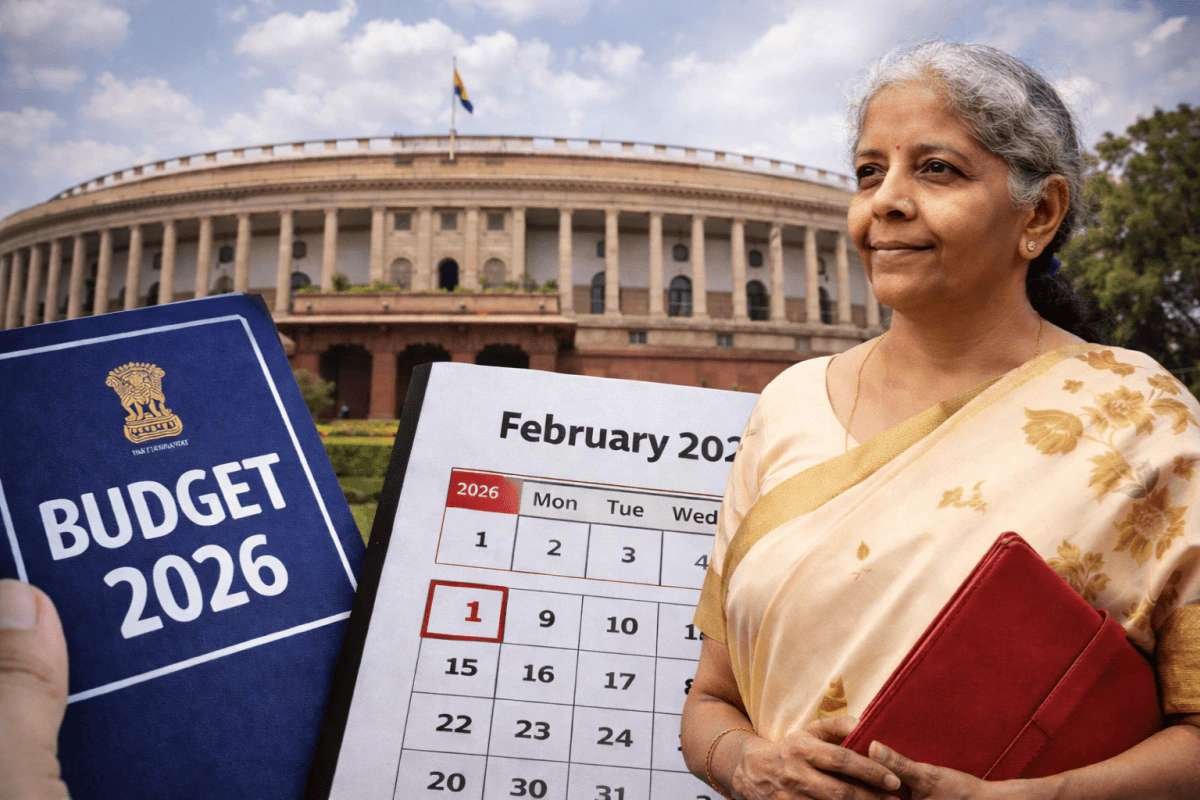
As Sitharaman prepares to present her record ninth consecutive Union Budget on Feb. 1, businesses and investors are closely tracking policy signals on growth, fiscal discipline and reforms. The Budget arrives at a time of strained global trade ties and domestic calls for tax and regulatory relief.
E-Commerce Pushes for Clearer GST and Faster Credits
India’s e-commerce and digital trade companies want the E-Commerce GST Budget to address persistent execution hurdles that affect scaling and cash flows, according to Somdutta Singh, founder and CEO of Assiduus Global.
She said the sector has become a key driver of exports and MSME growth, but continues to face complex GST structures, delayed input tax credit settlements and overlapping compliance requirements. These issues, she said, raise costs and create uncertainty, especially for marketplace-led and cross-border models.
“Faster and more predictable credit cycles would significantly improve working capital and unit economics,” Singh said, adding that compliance and withholding rules often weigh more heavily on digital-first firms as they grow.
Beyond tax changes, Singh called for stronger policy support for technology-led supply chains, modern warehousing and AI-driven logistics to improve delivery speed and global competitiveness. Export-focused direct-to-consumer brands, she said, would benefit from a more coordinated policy approach that treats e-commerce and cross-border logistics as strategic infrastructure.
Markets, MSMEs and Sectors Seek Targeted Relief
Market participants are also seeking tax relief in the E-Commerce GST Budget, particularly on long-term capital gains. JM Financial Services has recommended raising the tax-free exemption limit for equity long-term capital gains to ₹2 lakh from ₹1.25 lakh and avoiding further transaction tax hikes, according to a PTI report.
Ratings agency ICRA expects the government to target a fiscal deficit of 4.3% of GDP for FY27, with capital expenditure rising 14% to ₹13.1 lakh crore. Crisil Intelligence has separately called for a ₹12 lakh crore capex push to sustain infrastructure-led growth, citing roads, railways and logistics as key economic multipliers.
Industry bodies across sectors have submitted pre-Budget demands. The All India Gem and Jewellery Domestic Council has urged a cut in GST on gold and silver jewellery to as low as 1.25% from the current 3% to revive demand in middle-income and rural markets.
The Manufacturers’ Association for Information Technology has sought a reduction in basic customs duty on key electronic components to 5% to lower costs and support domestic manufacturing. Tata Motors has called for targeted incentives for entry-level electric vehicles, citing pressure from foreign exchange volatility and commodity prices.
Global Uncertainty Shapes Budget Expectations
Budget 2026, including the E-Commerce GST Budget, is being framed against a backdrop of heightened global uncertainty. Trade ties with the United States have been under strain, with higher tariffs on Indian exporters adding pressure, while the rupee has weakened to record lows over the past year.
Domestically, sectors from metals and real estate to education and food processing are seeking sustained public investment and policy clarity. Metals executives have called for continued infrastructure spending and incentives for green steel, while educators are urging higher allocations for teacher training and digital infrastructure.
Real estate developers want faster approvals, infrastructure investment and buyer incentives, particularly to support growth in Tier 2 cities. The nuts and dry fruits industry is pushing for long-term support for domestic processing and value addition rather than short-term trade interventions.
With expectations running high across industries and markets, the debate around the E-Commerce GST Budget is expected to intensify as stakeholders await clarity on how the government balances growth priorities with fiscal discipline.
Visit Business Viewpoint Magazine For The Most Recent Information.