


Key Points:
- Tata Motors EV sales have crossed 2.5 lakh, led by the Nexon EV hitting 100,000 units.
- The company plans new EVs, including the electric Sierra and premium Avinya, backed by major investments.
- Tata Motors is expanding its charging infrastructure to support EV adoption across India.
Tata Motors has achieved a major milestone in India’s electric vehicle journey by surpassing 250,000 cumulative Tata Motors EV sales, further cementing its position as the country’s leading electric passenger vehicle manufacturer. The achievement reflects the company’s early entry into the EV space and its consistent focus on building products tailored to Indian driving conditions and consumer expectations. With this milestone, Tata Motors now commands a dominant share of India’s total electric passenger vehicle market, highlighting its influence on the sector’s growth.
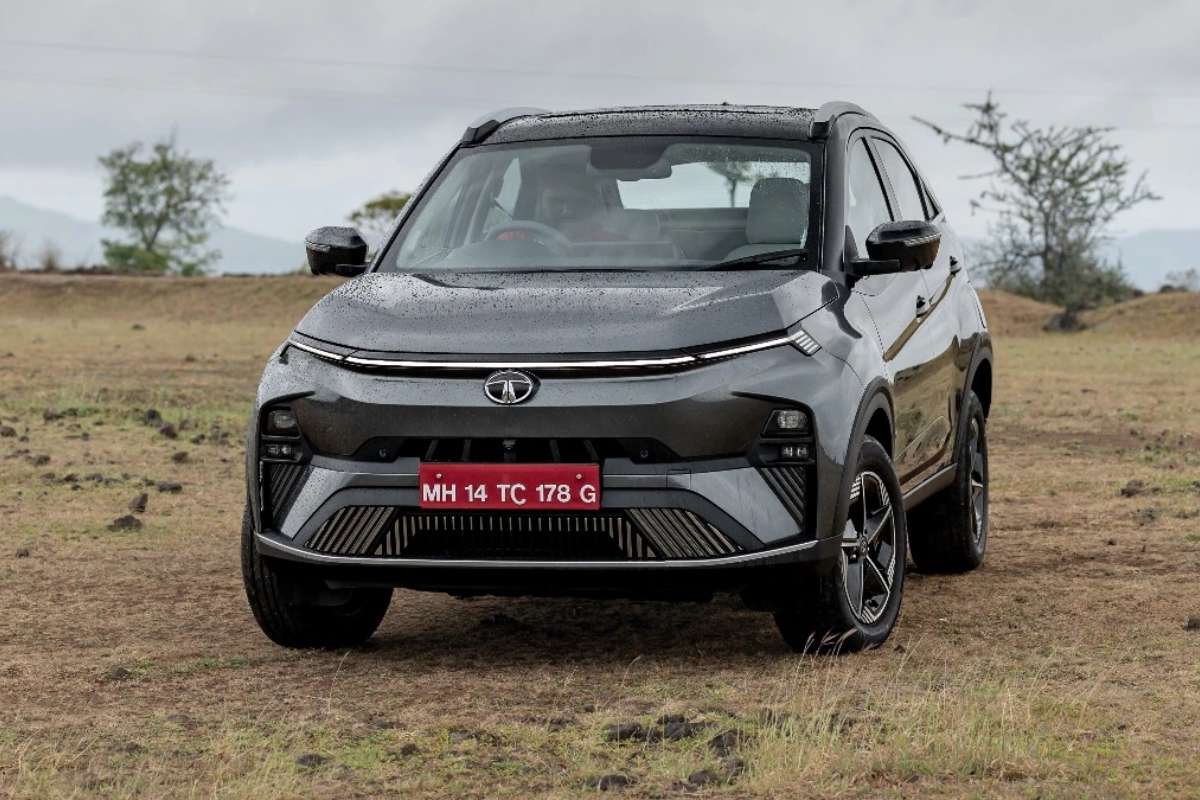
A significant contributor to this success has been the Tata Nexon EV, which became the first electric passenger car in India to cross 100,000 units in cumulative Tata Motors EV sales. Since its introduction, the Nexon EV has played a pivotal role in making electric mobility mainstream, attracting both first-time EV buyers and customers transitioning from conventional vehicles. Other models, such as the Tiago EV, Punch EV, and fleet-focused electric offerings, have further expanded Tata’s presence across multiple customer segments.
Expanding Portfolio and Long-Term Vision
Building on this momentum, Tata Motors has outlined an ambitious roadmap for the coming years aimed at sustaining growth and widening its EV footprint. The company plans to introduce new electric models in 2026, including the much-anticipated electric version of the Sierra and refreshed iterations of its existing EV lineup. In addition, Tata Motors is preparing to enter the premium electric vehicle space with its Avinya range, which is expected to debut toward the latter half of the decade.
To support these plans, Tata Motors has committed significant investment toward product development, advanced vehicle platforms, and localisation of EV components. The company has indicated that capital expenditure over the next several years will focus on strengthening its electric ecosystem, enhancing battery technology, and maintaining a strong market share as competition in the EV space intensifies. Its long-term goal is to retain a leadership position while contributing meaningfully to India’s sustainability and emission-reduction targets.
Charging Infrastructure and Market Impact
Beyond vehicle sales, Tata Motors is actively addressing one of the biggest challenges facing electric vehicle adoption: charging infrastructure. The company has announced plans to scale up charging availability across urban and highway networks, with hundreds of thousands of charging points expected to be operational within the next few years. This includes a mix of home chargers, public chargers, and fast-charging solutions, helping reduce range anxiety and supporting continued growth in Tata Motors EV sales.
Industry observers note that Tata Motors’ EV journey mirrors the broader transformation underway in India’s automotive sector. From a niche market just a few years ago, electric vehicles are now gaining steady acceptance among consumers, supported by improved technology, better infrastructure, and growing environmental awareness. With over a quarter-million EVs already on Indian roads, Tata Motors EV sales highlight the company’s market leader, but as a key driver of the country’s transition toward cleaner and more sustainable mobility.
Visit Business Viewpoint Magazine For The Most Recent Information.