


Key Points:
- 10-minute delivery ban in India: Blinkit removes its 10-minute delivery promise, with Swiggy and Zepto likely to follow, to protect rider safety.
- Labor concerns: Strikes highlighted unsafe conditions and low pay for delivery workers.
- Branding shift: Blinkit now advertises “30,000+ products delivered at your doorstep,” aligning with government safety regulations.
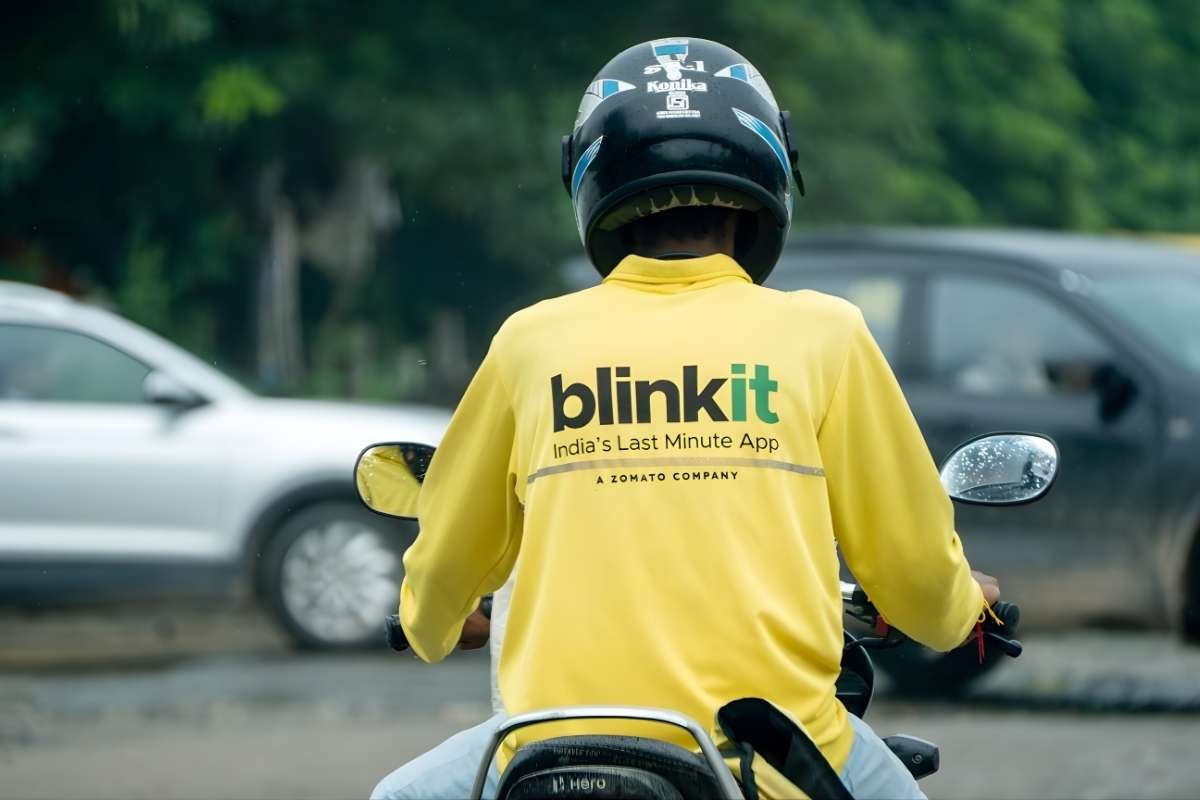
Blinkit has removed its 10-minute delivery promise across platforms after talks with the Union labor ministry, as India moves toward a 10-minute delivery ban in India to curb ultra-fast delivery models blamed for endangering gig workers and pressuring riders to meet risky deadlines.
Blinkit, owned by Eternal Group, has dropped its “10-minute delivery” branding following government intervention aimed at improving safety and working conditions for gig workers. Other quick-commerce platforms, including Swiggy Instamart and Zepto, are expected to follow suit in the coming days.
The move follows a meeting between Union Labour Minister Mansukh Mandaviya and representatives of major quick-commerce firms, where the government urged companies to prioritize rider safety over speed. Officials said ultra-fast delivery targets were raising concerns about road safety, pay fairness and worker welfare, accelerating discussions around a 10-minute delivery ban in India.
Blinkit has replaced its earlier tagline, “10,000+ products delivered in 10 minutes,” with “30,000+ products delivered at your doorstep” across its apps and listings.
How Quick Commerce Reshaped Indian Retail
Quick commerce refers to the rapid delivery of groceries and daily essentials, typically within ten to 30 minutes. Demand surged during the COVID-19 pandemic, when consumers grew accustomed to near-instant fulfillment.
Platforms such as Blinkit, Swiggy Instamart and Zepto rely on “dark stores,” small warehouses stocked like retail outlets but closed to walk-in customers. Orders are picked from these stores and delivered mainly on two-wheelers, including motorcycles and electric scooters.
The model has disrupted India’s traditional retail ecosystem. About 200,000 kirana stores have shut down due to pressure from quick-commerce firms, according to the All India Consumer Products Distributors Federation.
A Datum Intelligence survey reported that quick commerce reduced spending at kirana stores by about $1.28 billion, with 46 percent of consumers saying they partially or fully shifted their purchases online.
More than 20 million people in India place orders on quick-commerce platforms annually. Blinkit holds over 40 percent of the market, making it the sector’s largest player even as regulatory pressure mounts around the 10-minute delivery ban in India.
Labor Push Follows Strikes and Safety Concerns
The government’s action comes weeks after nationwide strikes by delivery workers on Christmas Day and New Year’s Eve 2025. More than 200,000 riders reportedly stopped work on Dec. 31, demanding fair pay, safer conditions and dignity at work.
Delivery partners argue that ten-minute delivery promises push them to take risks on congested roads while limiting their ability to earn sustainably. Many riders say low base pay, rising fuel costs and long daily distances leave them with unstable incomes and little financial security.
“The government must intervene immediately. Regulate platform companies, stop worker victimization, and ensure fair wages, safety and social protection,” said Shaik Salauddin, co-founder and national general secretary of the Indian Federation of App-based Transport Workers, in comments reported by the Indian Express.
Mandaviya asked platforms to improve safety measures, job security and working conditions, officials said. Companies are also expected to remove similar ultra-fast delivery branding from app stores as part of compliance with the 10-minute delivery ban in India framework.
Platforms, Politicians React to Branding Shift
Eternal Group CEO Deepinder Goyal has defended the ultra-fast delivery model, saying it does not promote unsafe driving. In a post on X, he said delivery partners do not see customer-facing countdown timers and are not directly pressured to meet ten-minute targets.
“Faster deliveries happen because our stores are located close to customers, not because riders are asked to speed,” Goyal wrote.
AAP lawmaker Raghav Chadha welcomed Blinkit’s decision, calling it a necessary step to reduce pressure on riders. “When ‘10 minutes’ is printed on a rider’s jacket and a timer runs on the customer’s screen, the pressure is real and dangerous,” he said in a post, backing the intent behind the 10-minute delivery ban in India.
Earlier this year, the government notified the Code on Social Security, bringing gig and platform workers under a formal welfare framework. The move allows workers to register in a national database and access health, accident and old-age support schemes.
Visit more of our news! Business Viewpoint Magazine