
Key Points:
- India is expected to face unusually high March temperatures, threatening wheat and rapeseed yields during critical growth stages.
- Sustained heat could shrink grain size, reduce output, and potentially drive food inflation and trade restrictions.
- Rising temperatures may also increase electricity demand, straining power distribution before peak summer months.
India is expected to face one of its warmest Marches on record, with temperatures forecast well above normal across major grain-producing states, raising risks to wheat and rapeseed yields during a critical growth stage.
India is likely to experience significantly higher-than-normal temperatures in March, according to officials familiar with internal assessments at the India Meteorological Department, potentially affecting winter crops and food prices.
An official forecast from the India Meteorological Department is expected later this week, but early indications suggest both daytime and nighttime temperatures in northern and northwestern states will remain markedly above seasonal averages.
Heat Threatens Crops During Critical Growth Phase
Punjab, Haryana, Rajasthan, Uttar Pradesh and parts of Madhya Pradesh, states that together account for more than 80% of India’s wheat and rapeseed output, could see temperatures as much as 7 degrees Celsius above normal. Daytime highs may exceed 40 degrees Celsius by late March.
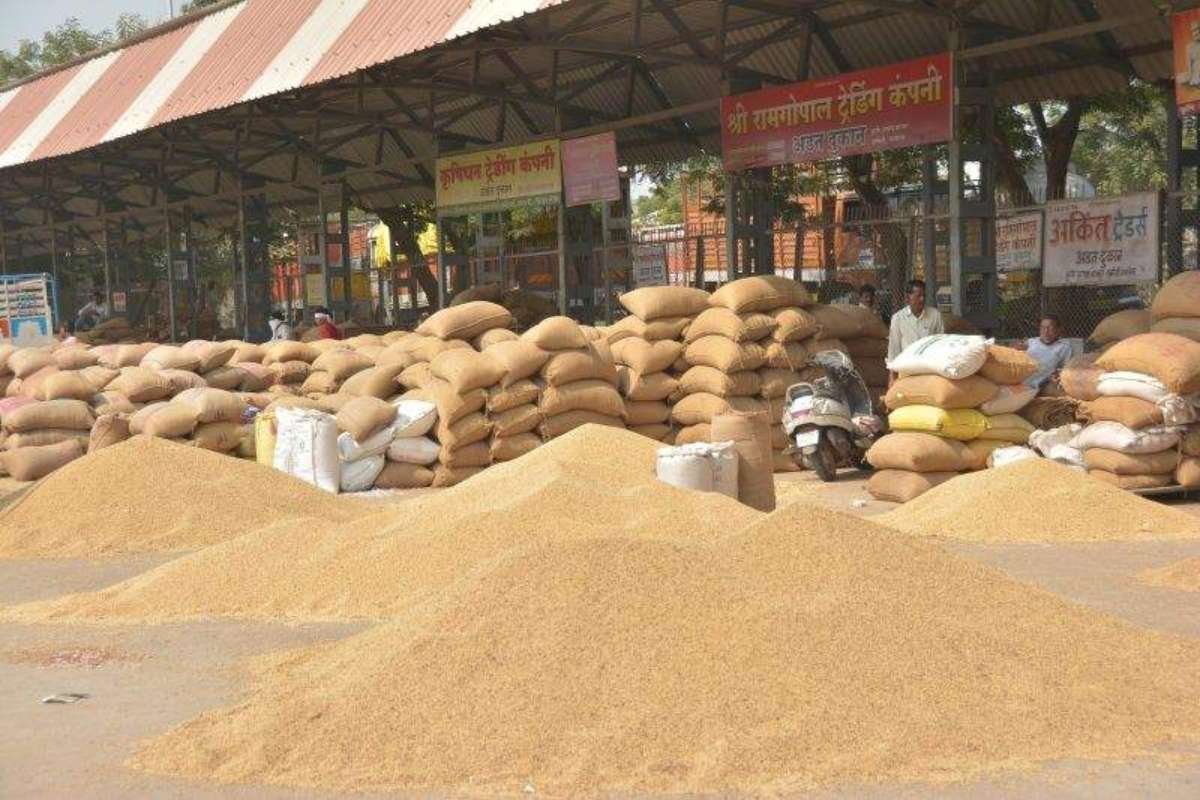
The timing is crucial. Wheat and rapeseed crops are currently in the grain-filling and maturity stages, when sustained heat can shrink grain size and reduce overall yields. Winter crops such as wheat, rapeseed and chickpeas rely on relatively cool conditions through March for optimal production.
Ashwini Bansod, vice president for commodities research at Phillip Capital India, said persistent above-normal temperatures in early March would increase the heatwave impact on Crops.
“While record acreage this season has raised hopes for a bumper harvest, final output will depend heavily on weather conditions in the coming weeks,” Bansod said.
In 2022, an early Heatwave Impact on Crops cut wheat production and prompted the government to impose an export ban to protect domestic supplies. Analysts say a repeat of sustained early heat could tighten availability and affect both domestic and global markets.
Food Inflation And Trade Plans At Stake
India, the world’s second-largest wheat producer and a major importer of edible oils, is counting on a strong 2026 harvest to rebuild depleted stocks, ease food inflation and potentially resume wheat exports.
Any weather-related shortfall could complicate those plans. Lower wheat output may push up domestic prices, while weaker rapeseed production could increase imports of palm, soybean and sunflower oils.
Economists say food inflation remains a sensitive issue for policymakers, particularly as rural consumption and household budgets are closely tied to staple prices.
If production falls short, the government may be forced to extend trade restrictions or increase imports, moves that could influence global grain and vegetable oil flows.
Power Demand Expected To Rise With Early Heat
Higher temperatures are also expected to drive up electricity demand as cooling needs rise earlier than usual.
Power distribution companies may face additional strain if heat intensifies before peak summer months. India has in recent years experienced record electricity demand during prolonged heatwaves, raising concerns over grid stability and fuel supplies.
Officials have not announced emergency measures, but energy analysts say utilities are monitoring demand trends closely as forecasts point to elevated temperatures.
Unusual Heatwave Impact on Crops during a key crop cycle can ripple across the broader economy. Beyond agriculture, it can affect inflation, trade balances and policy decisions.
For global markets, India’s production outlook matters because of its significant role in grain and vegetable oil demand. Weather disruptions in India can influence regional prices and supply chains, particularly if the government intervenes to safeguard domestic supplies.
Visit Business Viewpoint Magazine for the latest information.