


Key Takeaways
- India approves QDENGA vaccine with 80.2% efficacy against dengue
- Two-dose regimen targets the ages 4 to 60 population
- Commercial rollout expected by mid 2026 across India
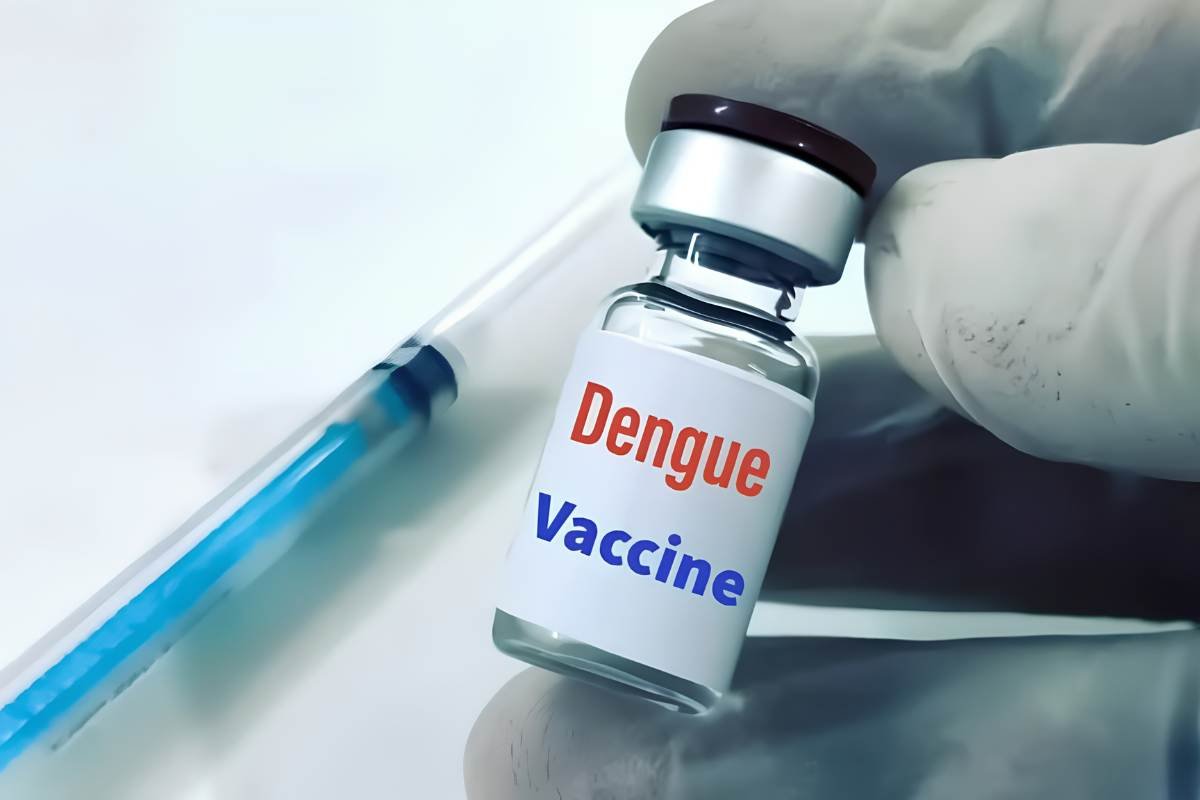
The Drug Controller General of India has granted market authorisation to Takeda Biopharmaceuticals India for its dengue vaccine QDENGA. This marks the first approval of a dengue vaccine in India and introduces a new option for disease prevention in a country with a high dengue burden.
Clinical Data And Approval Details
QDENGA is approved for individuals aged 4 to 60 years and is administered as a two-dose regimen with a gap of 3 months between doses. The vaccine is designed to protect against all 4 dengue virus serotypes and does not require pre-vaccination screening. It can be administered regardless of prior dengue infection.
The approval is supported by Takeda’s global clinical development programme, which included 19 Phase I, II, and III trials involving over 28,000 participants across multiple regions. The pivotal Phase III TIDES trial enrolled more than 20,000 participants in 8 dengue-endemic countries.
According to clinical data, the vaccine demonstrated an efficacy of 80.2% against confirmed dengue cases 12 months after the second dose. It also showed 90.4% efficacy against dengue-related hospitalisation at 18 months. Follow-up data at 4.5 years indicated 84.1% efficacy against hospitalisation. Data collected over 7 years showed sustained protection against dengue disease and hospitalisation across all serotypes.
A Phase III trial conducted in India among participants aged 4 to 60 years confirmed that the vaccine is safe, well-tolerated, and immunogenic across different age groups, including children, adolescents, and adults.
Market Potential And Distribution Outlook
Dengue continues to be a major health concern in India, with reported cases increasing nearly 11 times over the past 20 years. India accounts for close to one-third of the global dengue burden, although actual infection numbers are estimated to be higher.
QDENGA has already been approved in 43 countries across Asia, Latin America, and Europe. More than 32 million doses have been distributed through public and private immunisation programmes globally. The vaccine is also recommended by the World Health Organization for use in regions with high dengue transmission and has received prequalification status.
The vaccine is currently part of national immunisation programmes in countries such as Brazil and is available through public health systems in Argentina, Colombia, and Indonesia. In India, commercial availability is expected by mid 2026.
Takeda has indicated that it will work with regulatory authorities, healthcare providers, and public health stakeholders to support planning and distribution. The rollout is expected to involve coordination across public and private healthcare systems.
For Indian entrepreneurs and business owners, the approval highlights opportunities in healthcare delivery, vaccine distribution, and cold chain logistics. The introduction of a dengue vaccine could drive demand for storage, transportation, and last-mile delivery infrastructure.
The vaccine also represents a potential shift in preventive healthcare spending. Businesses operating in healthcare services, diagnostics, and insurance may see changes in demand patterns as vaccination reduces disease incidence over time.
The approval of QDENGA reflects continued investment in healthcare innovation and signals growth potential in India’s vaccine market. With increasing focus on disease prevention and expanding healthcare access, the development is expected to influence both public health outcomes and business activity in the sector.
Visit Business Viewpoint Magazine for the latest business and technology insights.