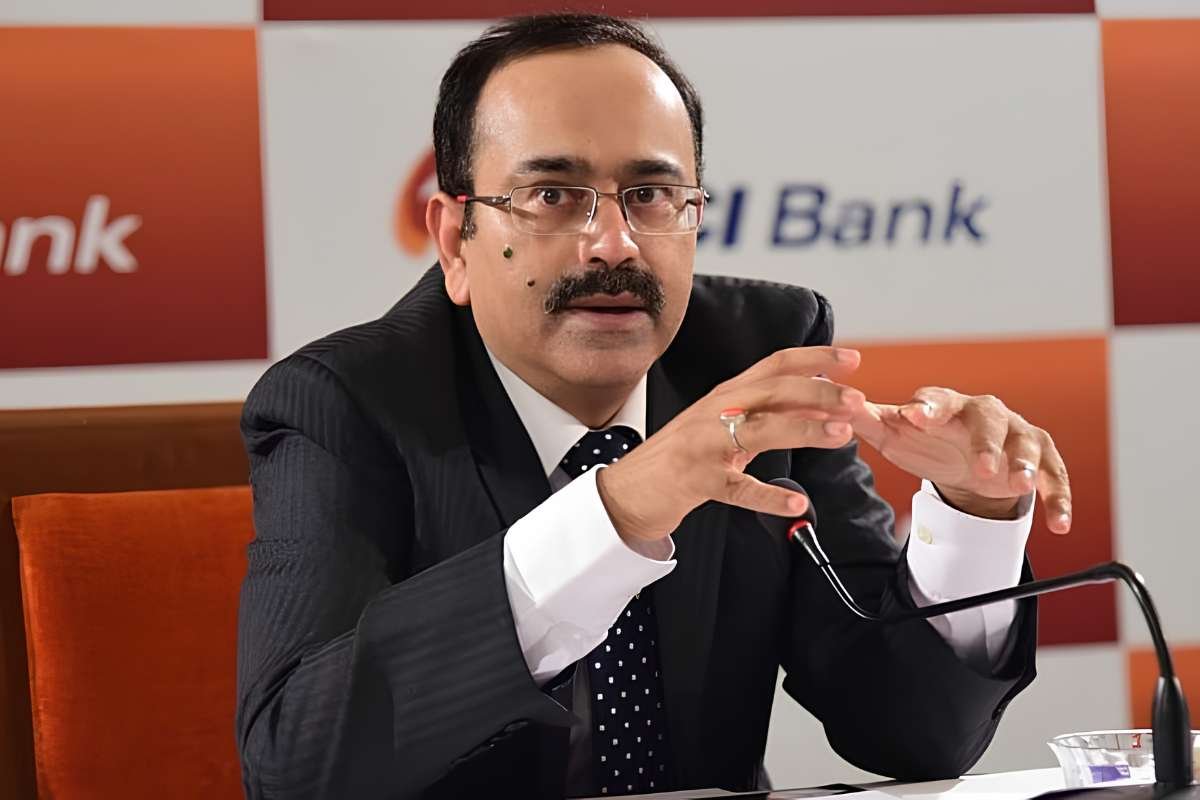


In India’s corporate discussions today, ESG seminars have emerged as key forums for understanding sustainability priorities in business decision-making. They bring together business leaders, policymakers, and academic experts to examine environmental, social, and governance concerns in a structured way. These events show how companies align operations with responsible practices, regulatory requirements, and investor expectations.
Institutions such as the Indian Institute of Corporate Affairs and platforms like ET Edge organize these seminars with a focus on sustainability reporting, ethical governance, and climate risk awareness.
Panel discussions and case studies explain how ESG considerations fit into business strategies. Participation across sectors reflects growing attention to responsible investment and transparent reporting. These seminars help companies, especially mid-sized ones. They guide them on their journey to sustainability and governance practices.
ESG Participation Value Map: Key Learning Layers

ESG seminars in India provide structured learning on regulatory updates and reporting standards that guide corporate disclosures in India.
- Focus on compliance expectations under Indian ESG reporting frameworks
- Understanding of disclosure requirements for companies across sectors
These sessions explain environmental, social, and governance risks affecting operations, workforce practices, and transparency across organizations.
- Identification of operational and reputational risks linked to ESG factors
- Clarity on internal governance and workforce responsibility areas
Discussions show how ESG seminars in India’s performance influence investor sentiment, credit evaluation, and long-term financial assessment.
- Assessment of investment decisions based on ESG indicators
- Role of ESG data in financial credibility and rating processes
Participants connect with sustainability officers, auditors, consultants, and policymakers involved in ESG implementation.
- Access to industry professionals working on ESG compliance and reporting
- Exchange of implementation practices across organizations
Training modules and case discussions improve practical understanding of ESG frameworks used in corporate reporting systems.
- Exposure to real corporate ESG reporting examples
- Understanding of framework application in business operations
Attendance helps with clearer compliance planning. It also boosts reporting practices. This helps align responsibilities across teams working on sustainability in India.
ESG Conference Themes: Key Areas of Discussion

ESG conferences and seminars in India bring together key discussion areas that shape corporate sustainability priorities and reporting practices.
| Theme Area | Core Focus |
| Environmental | Focus on carbon reduction, renewable energy, and climate risk disclosure in reporting. |
| Social | Covers employee welfare, inclusion, supply chain responsibility, and community engagement. |
| Governance | Examines board accountability, ethics, anti-corruption, and reporting transparency. |
| Financial Integration | Highlights ESG use in financial reporting and compliance with Indian and global standards. |
| Measurement Systems | Focuses on ESG scoring, investor expectations, and performance tracking methods. |
What Shapes these Discussions:
- Regulatory clarity on ESG disclosures in India
- Increasing investor focus on non-financial performance indicators
- Role of case studies in explaining real corporate applications
- Growing emphasis on standardized reporting methods across sectors
These themes show ESG as a clear reporting and decision tool in Indian corporate talks. This is backed by regulatory, financial, and operational views.
ESG Speaker and Stakeholder Map in India
This format organizes ESG seminars in India participation by speaker roles and stakeholder groups. It highlights how various perspectives influence discussions in India.
➤ Regulatory Speakers
Experts at the Indian Institute of Corporate Affairs discuss ESG policies. They also cover disclosure rules and governance standards in corporate reporting.
- Regulatory interpretation of ESG requirements
- Guidance on compliance and reporting structure
➤ Academic Speakers
Academic contributors, such as Amit Tandon in IIMA webinars, examine governance frameworks. They also study how investors act on ESG disclosures.
- Analysis of governance structures
- Study of investor response patterns
➤ Financial Speakers
Market analysts and financial experts explain how ESG ratings affect investment decisions, capital allocation, and corporate valuation across sectors.
- ESG impact on investment evaluation
- Link between ratings and financial outcomes
➤ Corporate Speakers
Sustainability leaders share practical experience on ESG implementation within organizations, including reporting practices and operational integration.
- Case-based ESG adoption in companies
- Internal reporting and compliance practices
➤ Stakeholder Groups
Investors, regulators, directors, consultants, sustainability officers, and rating agencies form the wider ecosystem that influences ESG discussions and outcomes.
- Role-based input across ESG functions
- Cross-sector participation in decision-making contexts
These groups bring different perspectives that shape ESG discussions in Indian events through policy guidance, academic research, financial evaluation, and corporate implementation.
What ESG Conversations Highlight?
A key insight from ESG seminars in India is the move to measurable outcomes. This replaces broad compliance stories. Companies need to create reporting systems. These systems should track ESG performance over time. This helps make assessments clearer.
Another important insight is the role of governance quality in shaping investor trust. Weak governance systems weaken strong environmental or social initiatives. This makes governance central to ESG evaluation.
A further observation is the increasing link between ESG performance and financial indicators. Investment decisions and valuation methods now reflect sustainability data in a more structured way across markets.
Training-focused discussions show that ESG understanding across departments improves execution quality. When more teams share responsibility, organizations see better ESG practice implementation. Webinar discussions at IIMA highlight the importance of clear communication with investors. This helps build and maintain trust over time.
Another critical point is the need for reliable data systems. Consistent data collection supports accurate reporting, while weak systems reduce the usefulness of ESG information in decision-making.
ESG Outcomes: What Changes After Seminars
ESG seminars in India improve awareness among corporate teams about sustainability expectations and reporting requirements. Participants gain clarity on how ESG practices fit into organizational responsibilities.
A key outcome is that companies using structured ESG reporting frameworks take part in these events. Many organizations now add ESG indicators to their performance tracking systems. This helps them better monitor their sustainability efforts.
Another outcome is stronger coordination between industry players and policy institutions. This helps align corporate practices with national sustainability goals and regulations.
Events organized by platforms such as ET Edge and Dun & Bradstreet also support improvements in risk assessment methods, especially in environmental and governance areas. Companies use these insights to refine evaluation processes.
These seminars help share knowledge among different sectors. This improves reporting accuracy and raises transparency standards in ESG disclosures for organizations in India.

ESG Seminar Documentation Guide
ESG seminar documentation in India is often used as a working reference rather than a formal record. Companies rely on these summaries to interpret discussions and apply relevant insights within internal processes.
Reports usually capture key discussion themes and translate them into actionable points for teams handling compliance, reporting, and sustainability functions. Instead of only listing event details, the focus remains on identifying applicable insights for organisational use.
These documents also help teams compare current practices with the discussed ESG expectations. This supports a better understanding of reporting gaps and areas that need attention.
Another important use is internal communication. Summarised insights are shared across departments to build a common understanding of ESG responsibilities and expectations.
In many cases, organisations use these reports to prepare for future disclosures, improve data tracking methods, and align internal systems with regulatory and investor requirements.
Conclusion
ESG seminars in India act as structured platforms that connect policy, finance, and corporate practice. They improve awareness, support the adoption of reporting frameworks, and highlight measurable outcomes. These discussions also reinforce governance importance, data reliability, and investor communication, helping organizations align sustainability practices with compliance, performance tracking, and transparent decision-making across sectors.