




The Indian stock market continues to attract traders worldwide with its high-speed nature and strong profit potential. From Nifty futures to Bank Nifty options, choosing the best trading strategies for the Indian market is crucial to long-term success. With daily turnover crossing ₹100 lakh crore across NSE and BSE, the scale and liquidity appeal to both domestic participants and global investors seeking consistent opportunities.
Trading hours run from 9:15 AM to 3:30 PM IST, and price action is influenced by factors such as FII fund flows, RBI policy decisions, and high-impact events, such as the Union Budget. Nifty trades near the 25,800 mark, while sectors such as banking and IT continue to lead, supported by steady inflows, earnings visibility, and shifting policy dynamics.
Once these fundamentals are clear, the path becomes far more structured. The best trading strategies for the Indian market combine time-tested approaches with smart adjustments for today’s conditions, ranging from fast intraday setups to well-planned positional trades. This article covers 15 top strategies, key factors to consider before choosing one, common mistakes to avoid, and practical insights to help you trade with clarity and control.
Understanding the Indian Trading Market
India’s leading exchanges, NSE and BSE, run trades from 9:15 AM to 3:30 PM IST on weekdays. NSE drives most of the activity, especially in Nifty and Bank Nifty futures, with daily turnover often crossing ₹100 lakh crore. Add Muhurat Trading during Diwali and Budget-day sessions, and the market sees added opportunities marked by sudden price swings.
Currently, Nifty holds above the 25,500 support zone and tests resistance near 26,000. At the same time, Bank Nifty remains steady above 60,000, creating conditions where the best trading strategies for the Indian market rely heavily on precise timing and risk control. FII flows show a mix of caution and selective buying, shaped by RBI rate decisions and cues from US markets. Sectors such as private banking and IT continue to lead, supported by credit demand and a stronger dollar backdrop.
SEBI governs market activity through measures like stricter F&O margins and position limits to manage risk. Global traders often track GIFT Nifty from 6:30 AM IST to gauge early direction, helping bridge time-zone gaps. Monitoring India VIX levels around the 14–15 range also helps traders position for shifts in volatility.
15 Best Trading Strategies for the Indian Market
Below is a practical list of best trading strategies for the indian market designed for the structure, liquidity, and volatility, with clear use cases across intraday, swing, options, and positional Trading.
1. Momentum Trading

Momentum trading identifies stocks or indices that are picking up steam quickly by spotting RSI above 70 and clear volume spikes, and it remains a core approach in the best trading strategies for the Indian market due to the speed and liquidity of NSE moves. You scan for names where price jumps at least twice the average volume, such as Nifty heavyweights on strong FII buying days. RSI crossing 70 signals strength, but instead of chasing, entries work best on pullbacks to the 20-period EMA on 15-minute charts.
Once in, set a stop roughly 1% below entry and trail it higher as the price moves in your favor. Exits usually happen near the first resistance zone or through a trailing stop as momentum cools. Typical targets sit in the 2–3% range per trade. This approach performs well during bullish phases, such as when Nifty holds above 25,800 and pushes toward 26,000. Bank Nifty often leads during earnings-driven rallies in banking stocks. Focus on the 9:30–11:00 AM window when volume peaks. Backtesting in volatile sessions shows close to a 60% win rate with a 1:2 risk-reward profile.
2. Breakout Trading
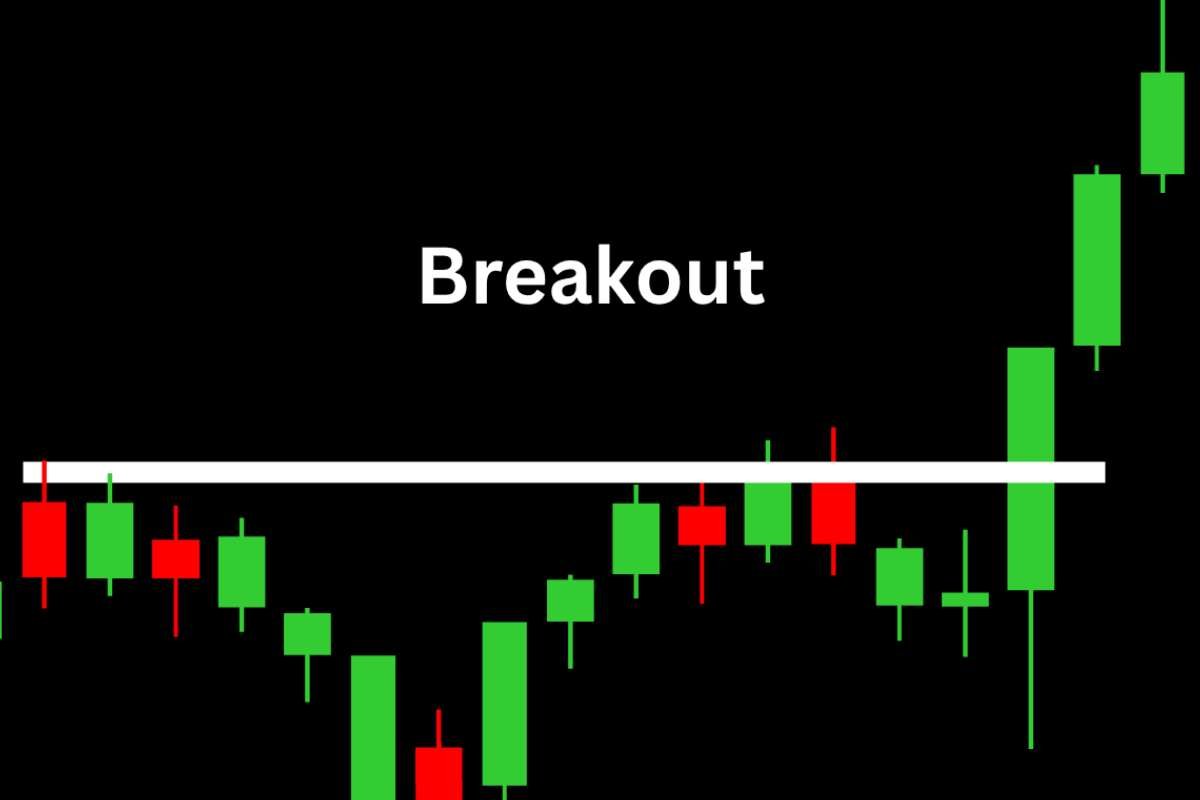
Breakout trading waits for the price to punch through well-marked resistance levels with conviction. Start by marking recent highs, such as Nifty’s 26,000 zone formed during earlier peaks. A valid setup occurs when the price closes above resistance and volume is at least twice the recent average, confirming participation.
Entries are taken after the breakout candle closes, with stops placed just below that candle’s low. Risk per trade is usually capped near 1%, while targets aim for at least a 1:2 reward, often based on projecting the height of the prior consolidation range. Within the best trading strategies for the Indian market, this approach works across NSE cash stocks and F&O instruments, especially during mid-morning when order flow strengthens.
False breakouts remain common in low-volume conditions, so those moves are best avoided. Strong institutional flows, particularly in IT or metals, tend to produce cleaner breakouts. Adding VWAP as a secondary filter improves accuracy. Across larger samples, traders typically see around a 55% win rate with one to two quality setups per day.
15 Best Trading Apps in India of 2026 Ranked by Serious Investors
When you look at the best trading apps in India, you’ll see they are about taking control of your financial future, one smart tap at a time.
3. Scalping
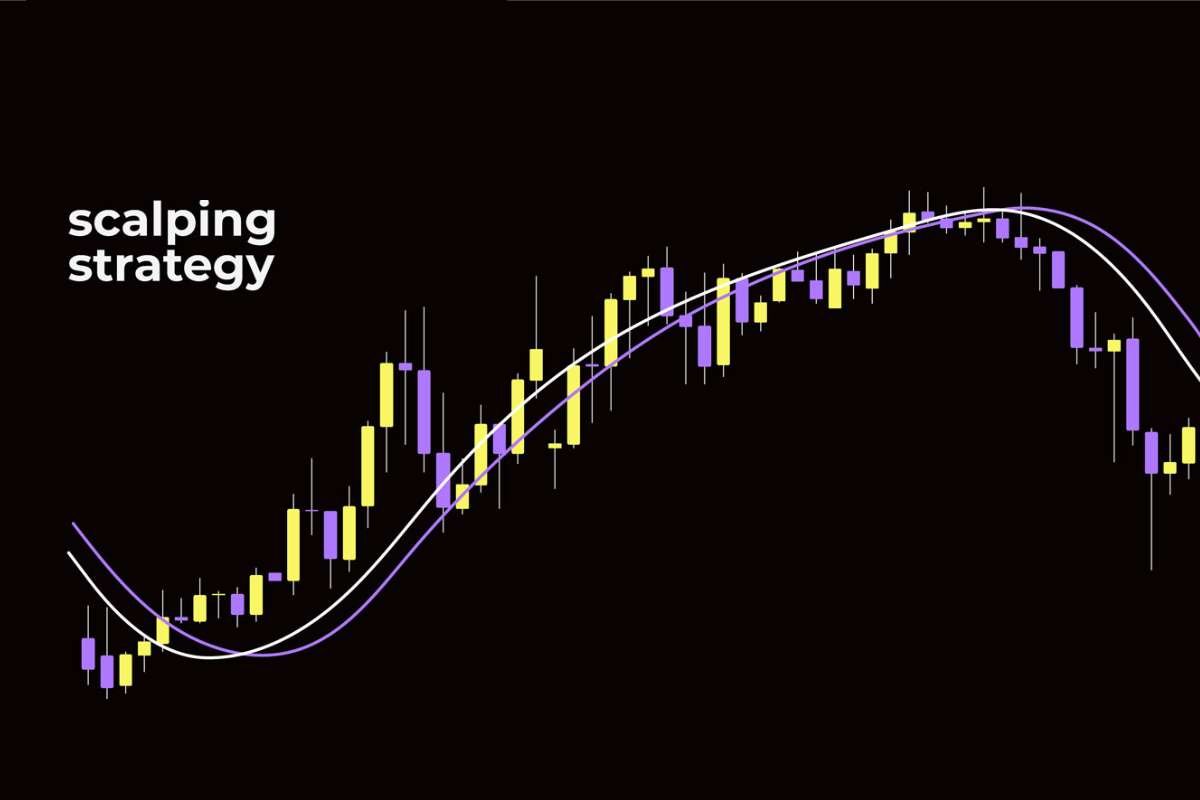
Scalping focuses on capturing small, frequent price moves in highly liquid instruments such as Bank Nifty futures. Trades are executed on 1-minute charts, targeting short bursts of momentum around pivot levels, VWAP, or EMA bounces. Entries usually occur on support tests, with exits taken quickly near nearby resistance.
Each trade targets roughly 5–15 points, while stops remain tight at about 3–5 points to limit losses. The strategy involves high frequency, often 20–50 trades per session, with strict rules to stop trading after a 1% account gain or two consecutive losses. NSE’s tight spreads support scalping, but brokerage costs can reduce edges, making low-commission platforms important. The most active windows are 9:15–10:30 AM and 2:00–3:00 PM. Skilled scalpers report win rates near 70%, though execution speed and discipline matter more as algorithmic participation increases.
4. Swing Trading

Swing trading aims to ride multi-day price moves by combining technical structure with basic fundamental filters. Traders look for bullish EMA 20/50 crossovers on daily charts within broader uptrends, commonly seen in stocks like Reliance or HDFC after controlled pullbacks. Entries are taken on closes above the signal candle, with stops placed below the recent swing low.
Trades typically last 2-10 days and target prior highs or 3–5% price moves. Screening Nifty 50 stocks for relative strength versus the index helps identify better candidates. Positions are held through minor pullbacks but exited once the trend structure breaks. RBI policy decisions and macro events often trigger strong swing opportunities. Capital remains less tied up than in position trading, making this approach suitable for part-time traders. Sector rotation between banks, pharma, or capital goods adds an extra edge. Over time, Journaling improves consistency, with win rates around 50% paired with a 1:3 risk-reward setup.
5. Position Trading
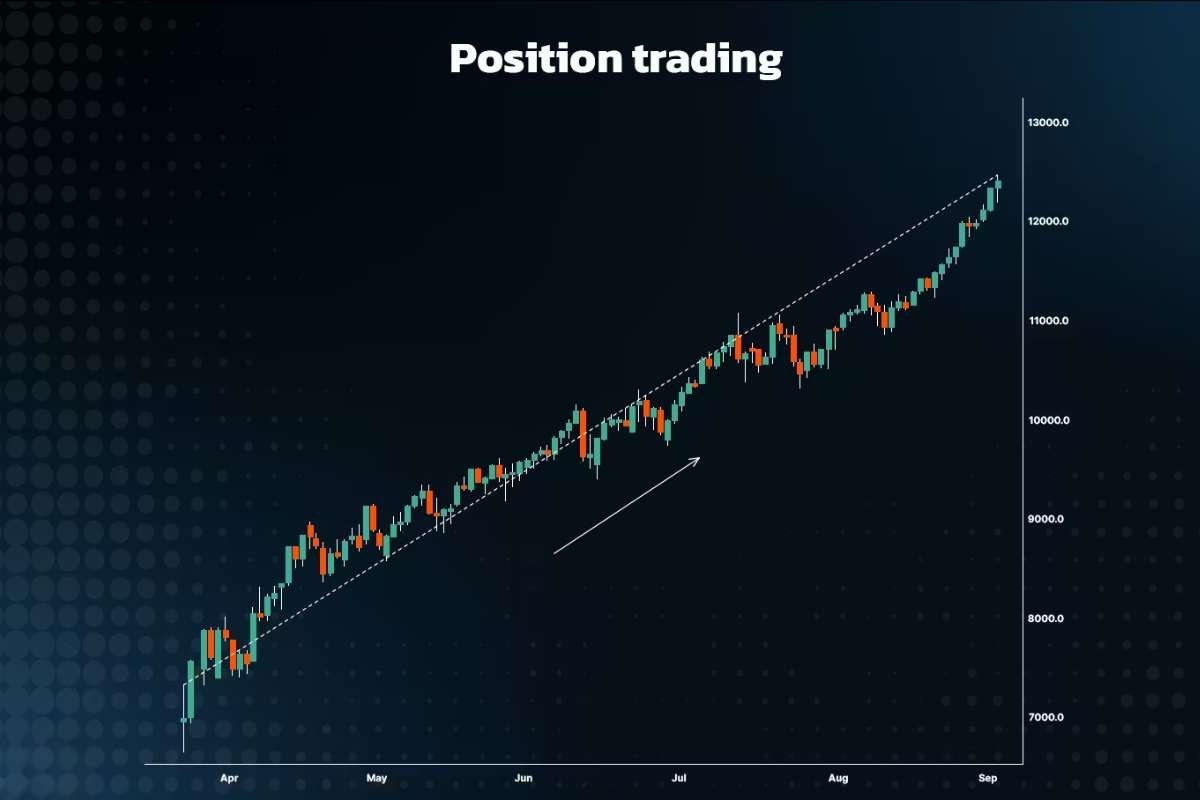
Position trading focuses on longer-term trends driven by earnings cycles, policy changes, or structural sector shifts. Traders rely on weekly charts to identify significant trends and use fundamentals to narrow selections, often favoring Nifty leaders posting strong quarterly results, such as IT stocks during export-led growth phases.
Entries are commonly taken on pullbacks toward the 200 SMA on weekly charts, with stops trailed gradually using the 50 SMA or higher swing lows, a structure often seen within the best trading strategies for the Indian market when fundamentals drive trends. Positions may be held for several weeks, targeting gains of 10–20% over broader cycles. Longer holding periods can also align with favorable tax treatment on capital gains. Institutional rotation into themes like renewables or infrastructure often fuels sustained moves. Rather than daily monitoring, traders review macro cues such as RBI commentary and policy updates periodically. Win rates tend to be lower, around 45%, but larger winners offset fewer trades, making this approach capital-efficient and less stressful.
6. Trend Following
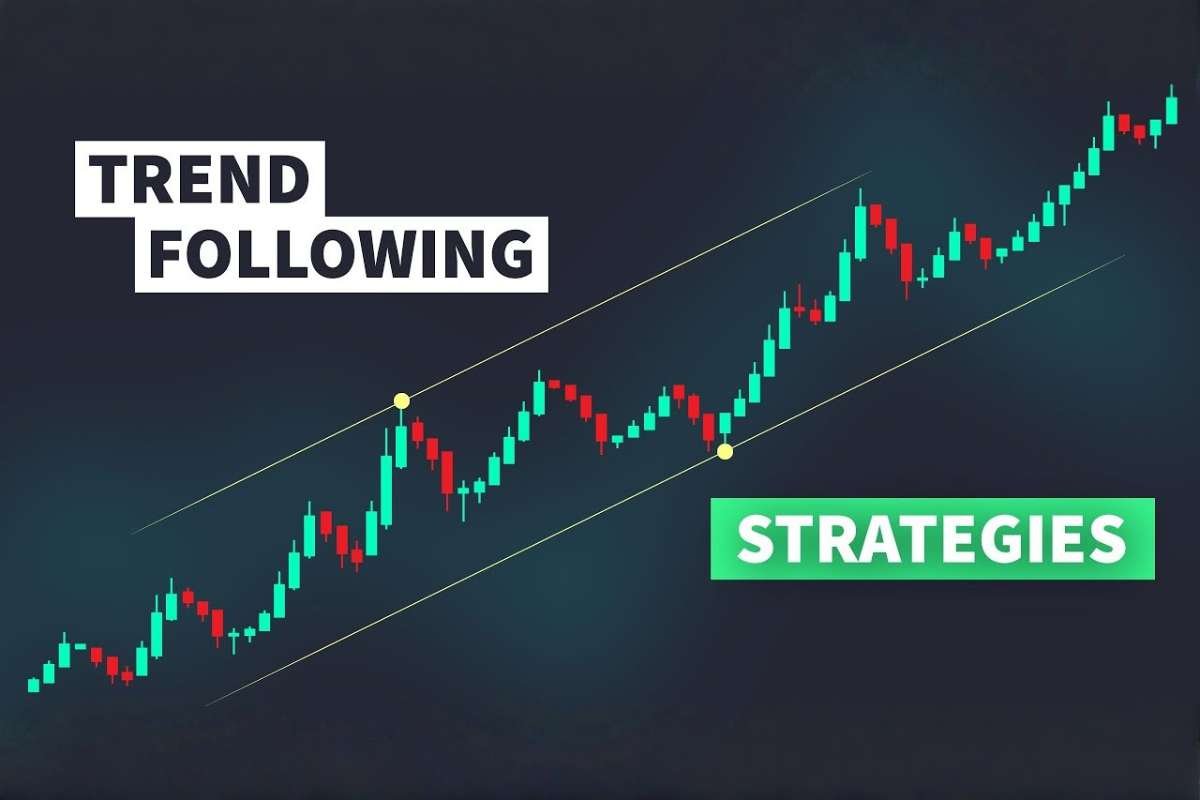
Trend following relies on established market moves and uses straightforward indicators on daily or 4-hour charts. Strength is confirmed when ADX rises above 25, signaling real directional momentum. Entries typically come after the 50 SMA crosses above the 200 SMA in Nifty or Bank Nifty, aligning trades with the dominant trend.
Once positioned, ride pullbacks while price remains above the 50 SMA and trail stops using the Parabolic SAR to protect gains as the trend extends. This approach performs best during institutionally driven bull phases, such as sustained Nifty moves above 25,800 on rate-cut expectations. Choppy ranges tend to reduce effectiveness, especially when ADX falls below 20. NSE futures work well due to leverage, though position size should be reduced when trend strength weakens. Over larger samples, traders often see win rates near 40%, with strong runners pushing average reward toward 1:4. Journaling exits helps fine-tune re-entries.
7. Mean Reversion

Mean reversion trades assume prices revert toward their average after sharp moves. Watch for Bollinger Bands tightening on 15-minute Nifty charts, which often signals a pending expansion. Long entries appear when the RSI drops below 30 and a reversal candle, such as a hammer, prints near the lower band.
Targets usually sit near the middle of the Bollinger Band or the 20 SMA, while stops are placed just outside the outer band to control risk. This strategy shines in sideways markets around key support levels, such as 25,500, particularly during low-volume midday sessions when momentum fades. Avoid strong trending days or post-news volatility spikes. Bank Nifty options can add low-cost hedging. Backtests show win rates around 65%, though clusters of losses make strict position sizing critical, often capped at 0.5% risk per trade. Pairing setups with declining volume improves consistency in current volatility conditions.
8. News Trading

News trading focuses on short-term volatility created by scheduled events such as RBI rate announcements or Union Budget releases, making it one of the best trading strategies for the Indian market when timing and execution align. Preparation starts by marking release times, often before 10:00 AM IST, and defining pre-news ranges. Trades are taken only after headlines hit, using a 1-minute candle close beyond the range to confirm direction.
Stops are placed near the opposite end of the pre-news range to limit downside. Options are commonly used to define risk, with Nifty options allowing quick entries and exits during volatility spikes and subsequent crushes. Expect sharp 1–2% index swings, making small position sizes essential. Avoid rumors and focus only on confirmed data. Budget sessions frequently produce significant gaps, rewarding disciplined execution. Slippage can erase edges, so practice in simulation before going live. Most traders limit activity to one to three trades per event, targeting high win rates through fast exits.
9. Algo Trading

Algo trading removes emotion by automating entry and exit rules on broker platforms such as Streak or Tradetron. Traders design systems using combinations such as EMA crossovers with RSI filters, then backtest them over several months of NSE historical data to assess reliability. Strategies showing stable performance are paper-traded in live markets before capital is deployed.
Once validated, algorithms run on VPS setups for NSE F&O, with parameters reviewed and adjusted periodically. Mean-reversion systems tend to perform well during range-bound phases, while momentum models capture strong trends. Regulatory safeguards help limit excessive leverage. Faster broker APIs now allow execution in milliseconds, improving fill quality. Traders start small and scale only when metrics such as the Sharpe ratio stay above acceptable thresholds. Constant monitoring is required to handle rare events like flash crashes. Detailed logs help track performance, as coding errors can quickly turn profitable systems into losses.
Learn More: Why These 15 Best Books on Trading Still Beat Random Tips Every Time?
10. Bull Call Spread
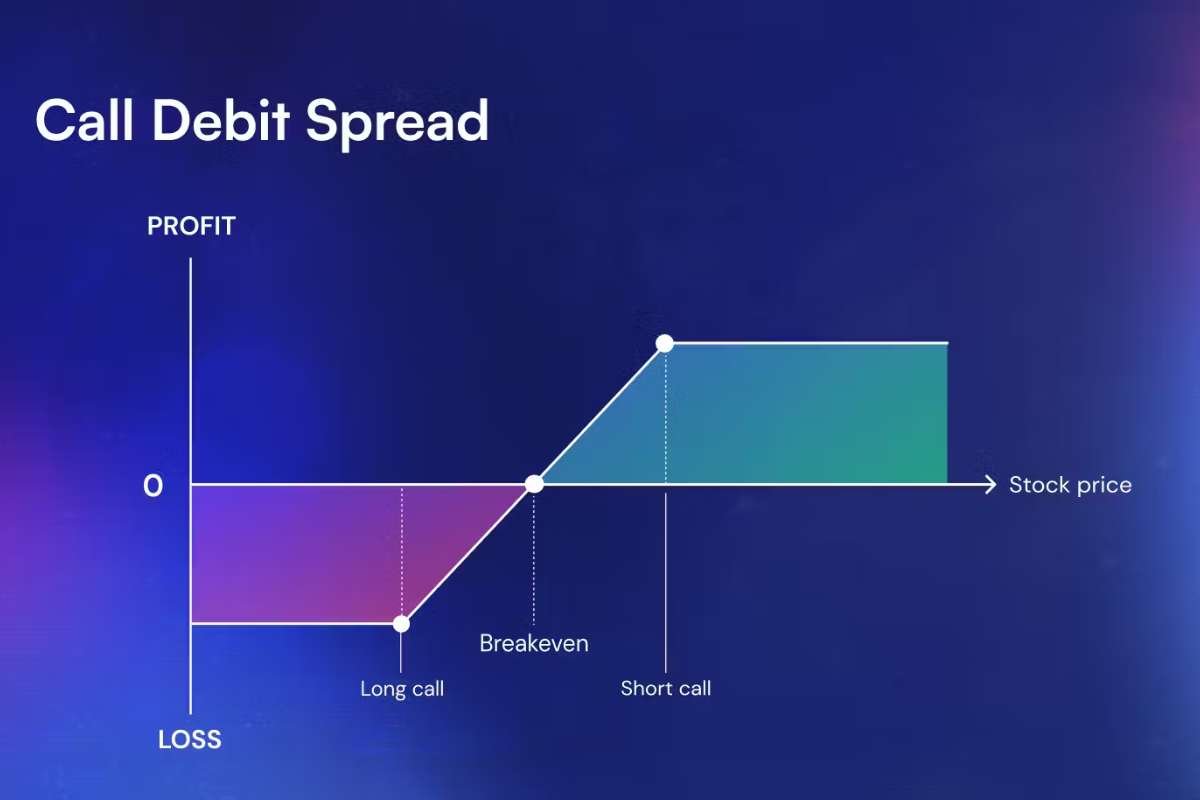
The bull call spread is a defined-risk options strategy used during moderate uptrends, especially in Bank Nifty. It involves buying an in-the-money call and selling an out-of-the-money call of the same expiry, resulting in a net debit and a capped maximum loss.
This setup profits best from controlled moves, typically 50–100 points, such as post-earnings or steady institutional buying phases. It fits well within the best trading strategies for the Indian market when traders want defined risk. Option Greeks favor directional delta exposure while limiting theta decay compared to naked calls. Entries work best when implied volatility is relatively low. Many traders exit at 50% of maximum profit or close positions a couple of days before expiry. Weekly Nifty options help keep costs manageable. Institutional buying often supports cleaner price action, pushing win rates toward 55% with balanced risk-reward. Rolling profitable positions forward can extend gains, while high-volatility environments are generally avoided.
11. Straddle
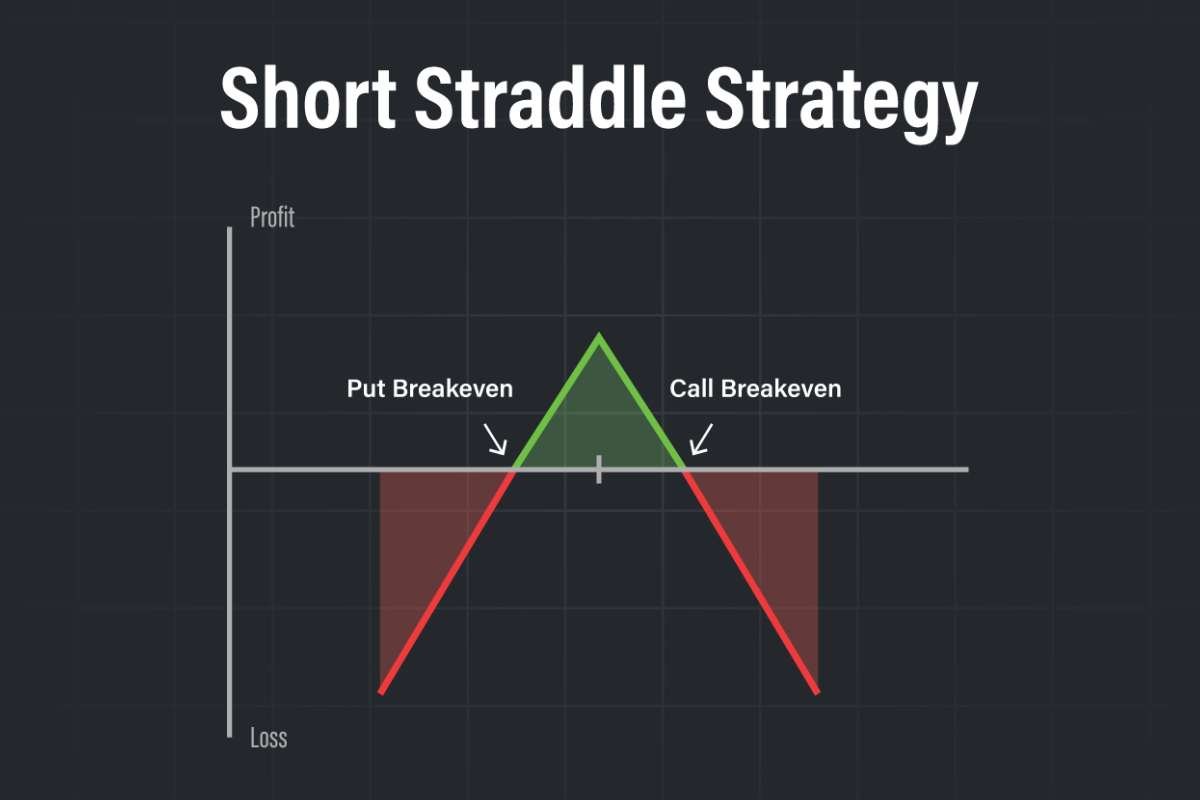
Straddle trading profits from sharp price swings without requiring a directional bias, making it suitable for high-impact events like RBI policy meetings or Budget sessions. The trade is placed when implied volatility rises ahead of the event, typically by buying an at-the-money call and put at the same strike, such as Nifty around 25,800, in the nearest expiry.
The goal is to benefit from a post-news breakout driven by gamma expansion. Traders often close part of the position after the first 1% index move and trail the remainder to capture extended momentum. Profits are usually booked at 20–30% of the combined premium, while losses are capped at the total debit paid. Time decay becomes a risk if the market stays range-bound after the announcement. Weekly options help keep costs lower than monthly contracts. In volatile sessions, this setup often captures 100–200 point moves. Win rates hover near 50%, but larger winners offset more minor losses. Low-volume holidays are best avoided.
12. Arbitrage

Arbitrage aims to capture near-risk-free returns from mispricing between the NSE cash and futures markets. Traders following the best trading strategies for the Indian market monitor fair-value differences, typically looking for gaps of more than 10 points in instruments such as the Nifty or Bank Nifty. When detected, the cheaper leg is bought while the richer leg is sold simultaneously to lock the spread.
Positions are typically held until expiry, when cash and futures prices converge, allowing the trader to pocket the difference after costs. Speed matters, making fast brokers or automated execution useful. Regulatory measures help maintain liquidity and stability, supporting consistent opportunities. This strategy works most days in highly liquid contracts, especially during post-lunch sessions when spreads briefly widen. Higher volumes increase frequency, particularly during vigorous institutional activity. Win rates approach certainty, but returns per trade remain small, requiring larger capital deployment. Carry costs must be monitored for longer-dated positions.
13. Gap Trading
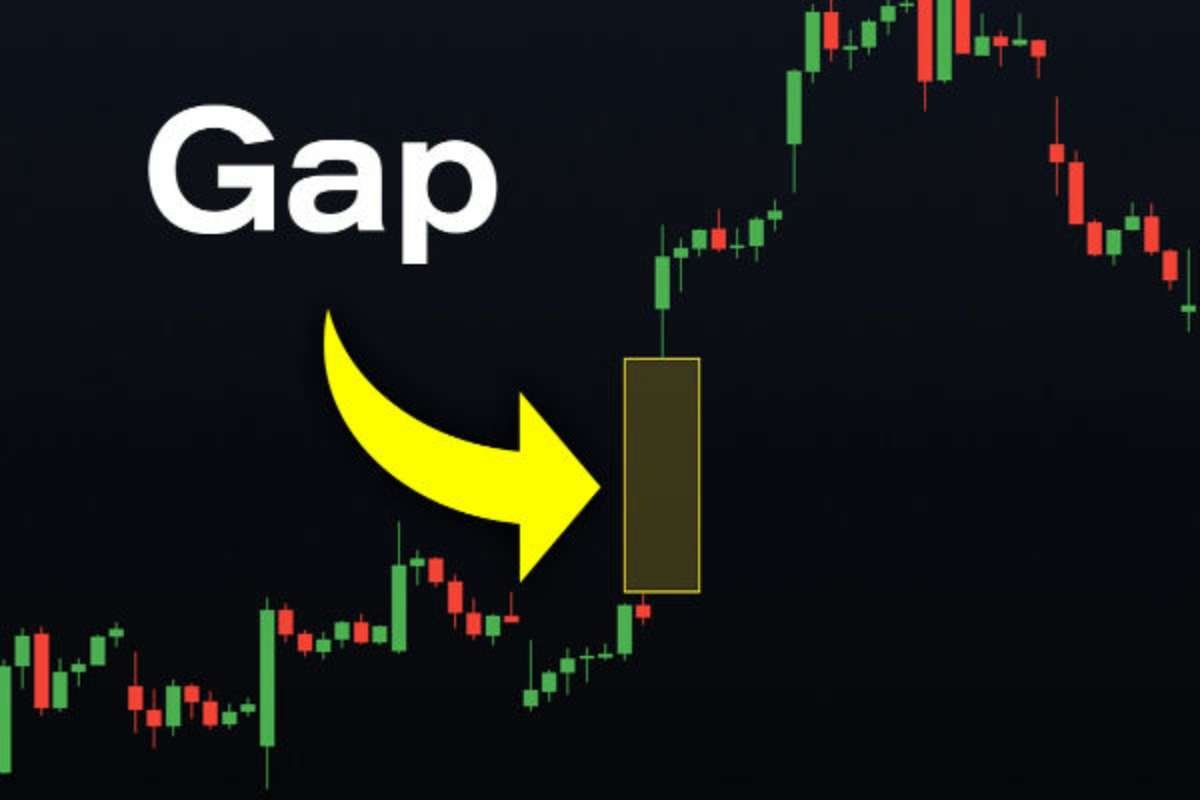
Gap trading focuses on price jumps at the open caused by overnight news or global cues. Traders compare the opening price to the previous close, paying close attention to gaps of 0.5% or more. Small gaps lacking volume are often faded, while significant gaps supported by strong participation are traded in the direction of the move.
Entries usually occur on the first pullback candle after the open, with targets set toward gap fills or measured extensions, making gap trading one of the best trading strategies for the Indian market during volatile openings. Bank Nifty frequently opens with gaps of around 50 points following international market moves reflected in early indicators. Stops are placed beyond the gap’s high or low to control risk. Earnings seasons increase the number of valid setups. Fading strategies show win rates near 60%, while breakout gaps perform even better when momentum confirms. Gaps under 20 points are generally skipped. Tracking fill behavior by stock improves accuracy over time.
14. Price Action Trading
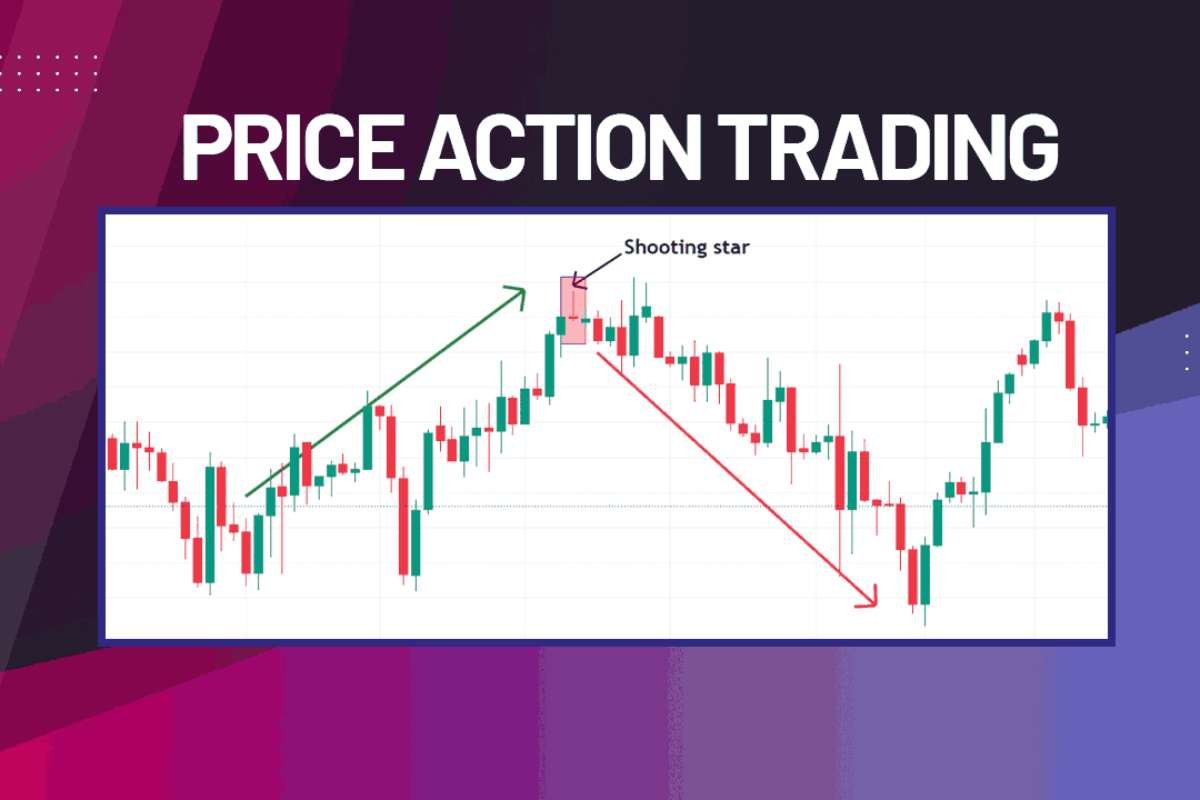
Price-action Trading relies solely on candlestick behavior, without indicator overlays. Traders analyze 5-minute charts to identify patterns such as pin bars at support levels, engulfing formations near reversals, and flag continuations during trends around key Nifty levels.
Bias is confirmed using higher timeframes, such as aligning intraday long setups with a broader daily uptrend. Entries are taken on candle closes, with stops placed beyond the pattern’s extreme and targets set at the next support or resistance zone. This approach works across both cash and derivatives markets without indicator lag. The most reliable setups appear between 9:30 and 11:00 AM when professional participation is strongest. Cleaner volatility environments improve pattern clarity. Win rates can approach 65%, but discipline is required to avoid false signals. Volume surges add confirmation, and regular chart review sharpens execution.
15. Sector Rotation

Sector rotation shifts capital as leadership moves between industries in response to macro and policy signals. Traders track Nifty sectoral indices to identify relative strength, such as favoring banking stocks during rate cuts or IT stocks when the currency weakens.
Entries are often taken on pullbacks toward sector-level moving averages, with stops trailed as leadership persists, making this approach one of the best trading strategies for the Indian market during shifting macro cycles. Fundamental inputs, such as credit growth data and earnings trends, help confirm technical signals. Policy commentary and central bank updates frequently trigger sector shifts. Extended easing cycles tend to favor cyclicals over defensives. Holding periods range from one to four weeks per rotation, with fewer trades but larger potential moves. Win rates remain modest, around 45%, though higher reward multiples compensate over longer cycles. Regular screening and journaling help refine timing and avoid crowded trades.
Strategy Table:
| Strategy | Timeframe | Risk Level | Best for | 2026 Advantage |
| Momentum | Intraday | Medium | Nifty volatility | FII flows |
| Scalping | Minutes | High | Bank Nifty | Speed tech |
| Algo | Automated | Low | F&O | AI tweaks |
| Straddle | Events | High | Budget | IV spikes |
| Swing | Days | Medium | Pullbacks | Sector shifts |
Key Factors Before Choosing a Trading Strategy
Choose a strategy that fits your daily schedule and available capital. Full-time traders often gravitate toward scalping or intraday setups that require constant monitoring between 9:15 AM and market close. Part-time traders usually find better consistency with swing or position trading, where positions are reviewed once or twice a day rather than minute by minute.
Capital places clear boundaries, particularly in the F&O segment, where SEBI margin requirements typically require ₹2–5 lakh per single Nifty lot. Traders with smaller accounts are often better off starting in cash equities to develop execution and discipline without the pressure of leverage. Risk tolerance matters just as much. More aggressive traders may operate at around 1% account risk per trade, while conservative traders limit exposure to 0.5%, mainly on longer-duration positions.
Test every strategy before deploying real money. Paper trading or demo accounts help validate ideas during live NSE trading hours, while backtesting on recent market data provides realistic expectations when refining the best trading strategies for the Indian market. Broker charges, execution speed, and API reliability become critical for automated systems. Tax considerations, including long-term capital gains, also affect net returns. The most effective approach aligns your strategy with prevailing market conditions, such as mean Reversion during range-bound phases or momentum trading during strong directional moves near key index levels.
Common Trading Mistakes in the Indian Market
Even the best trading strategies for the Indian market fail when basic mistakes go unchecked. This section highlights common errors that quietly drain profits and shows where traders usually go wrong.
1. Overtrading During Low-Volume Hours
Many traders force trades during slow lunch hours between 12:30 and 1:30 PM IST, when NSE volumes thin out. This leads to poor fills, higher slippage, and unnecessary brokerage costs. Small statistical edges disappear quickly in such conditions. Focus trading activity during high-liquidity windows, especially between 9:15 and 11:00 AM, when institutional participation is strongest.
2. Ignoring Overnight Gap Risk in F&O
Carrying futures or options positions overnight without protection exposes traders to sharp gaps driven by global markets and early GIFT Nifty signals. A 100-point Nifty gap at the open can invalidate carefully planned stops. Unless positions are hedged, it’s safer to square off by the close rather than absorb unpredictable overnight risk.
3. Chasing News Spikes Without Risk Control
Jumping into Budget moves or sudden news-driven rallies without predefined stops often ends in revenge trading. Rapid drawdowns of 20% or more usually follow impulsive entries. SEBI leverage limits still allow significant exposure, but skipping position sizing amplifies damage. Keeping risk per trade near 1% helps prevent single trades from derailing the account.
4. Neglecting Position Sizing and Trade Review
Failing to size positions correctly turns normal volatility into account-threatening losses, especially during sharp Nifty or Bank Nifty swings. Many traders also skip post-trade reviews, missing repeated mistakes like ignoring RSI divergences or chasing extended moves. Maintaining a trading journal helps identify these patterns before they compound.
AI-Powered Enhancements
AI-driven tools are increasingly used to track sentiment across social platforms and news feeds to spot early shifts in Nifty-heavy stocks. By feeding real-time chatter from platforms like X or Reddit into sentiment models similar to Grok, traders can anticipate breakout behavior rather than react to it. Backtests show measurable improvements in algorithm performance when sentiment data is layered on top of price and volume signals. Pairing these inputs with live VIX readings helps flag volatile opens before the cash market settles.
Machine learning models also help refine trade management. Intraday volatility data can automatically adjust stop-loss levels as market conditions change. For example, when Bank Nifty expands beyond two standard deviations, trailing stops tighten to protect open profits without manual intervention. Strategy builders on platforms such as Zerodha Streak allow these rules to be implemented without writing complex code, making adaptive risk management more accessible.
All AI-driven strategies should be validated in simulated environments before deployment, especially when applied within the best trading strategies for the Indian market that rely on data-driven execution. Testing on recent market data helps confirm that models adapt well to current institutional flow patterns. AI can reduce emotional decision-making and uncover relationships, such as the link between currency movement and IT sector strength. Manual override controls remain essential for unexpected events that fall outside standard data patterns.
Timezone-Optimized Plays for Global Traders
Global traders can use early signals from GIFT Nifty, which opens at 6:30 AM IST and reflects the US market’s closing before the NSE begins. These overnight moves often set the tone for the Indian open.
→ How to Use GIFT Nifty Effectively
- Track gaps of 50 points or more before 9:15 AM IST.
- Map those levels against key Nifty support and resistance zones.
- Prepare swing entries 12–14 hours in advance without needing live monitoring.
→ Execution Framework
- Use broker APIs to automate entries based on predefined GIFT levels.
- Trigger trades only when futures hold above or below critical technical zones.
- Hedge currency exposure using USDINR futures to manage rupee volatility from overnight dollar moves.
→ Confirmation & Risk Control
- Focus on the first 2–3 hours after the NSE opens for validation.
- Use trailing stops to capture extended FII-driven moves.
- Backtest historical GIFT data to identify when overnight signals show strong follow-through.
This approach allows traders operating outside India to align with domestic momentum while efficiently managing time-zone gaps.
Conclusion
The Indian trading market offers opportunities at every level, but consistency comes from alignment rather than aggression. Whether you focus on intraday momentum, structured options plays, or longer-term positional trades, success depends on matching the strategy to your time, capital, and risk tolerance. The market rewards discipline far more than prediction.
What separates profitable traders from the rest is process. Using clear rules, respecting position sizing, and adapting to changing volatility keep losses controlled while allowing winners to run. Tools like automation, data-driven filters, and sentiment analysis add an edge, but only when paired with sound risk management and testing.
The best trading strategies for the Indian market are the ones you can execute repeatedly without emotional strain. Stay selective, review performance regularly, and let market structure guide your decisions. Over time, consistency compounds faster than any single trade ever could.
FAQs
Q1. What is the top strategy for beginners in 2026?
A. Swing trading tops the list for new traders. It needs just weekly checks on Nifty 50 names, using simple EMA crossovers to catch 3-5% moves over days. Low stress beats staring at screens all day.
Q2. How has algorithmic Trading changed in India?
A. Algo trading exploded with stable APIs from Zerodha and Alice Blue. Traders code mean-reversion bots, backtest on NSE F&O data, and run them on a VPS for under 100ms fills. SEBI caps keep it safe.
Q3. What works best for Budget 2026 volatility?
A. Straddles or Iron Condors on Nifty options handle the chaos. Buy ATM pairs pre-announcement for big swings, or sell ranges if you expect consolidation after the initial pop.
Q4. NSE or BSE for most strategies?
A. NSE takes 99% of F&O volume with tighter spreads. Use it for everything listed except niche debt plays on BSE. Nifty futures lead the action every day.
Thank You for Reading!
Read More
Navigating India’s Free Trade Agreements