
Key Takeaways:
- Tata Sons defended Chandrasekaran’s reappointment, citing legal backing from former top judges.
- The firm argued Article 118 applies only to new chairmen, not incumbent reappointments.
- Tata Trusts claims the vote is invalid due to a missing majority among its nominated directors.
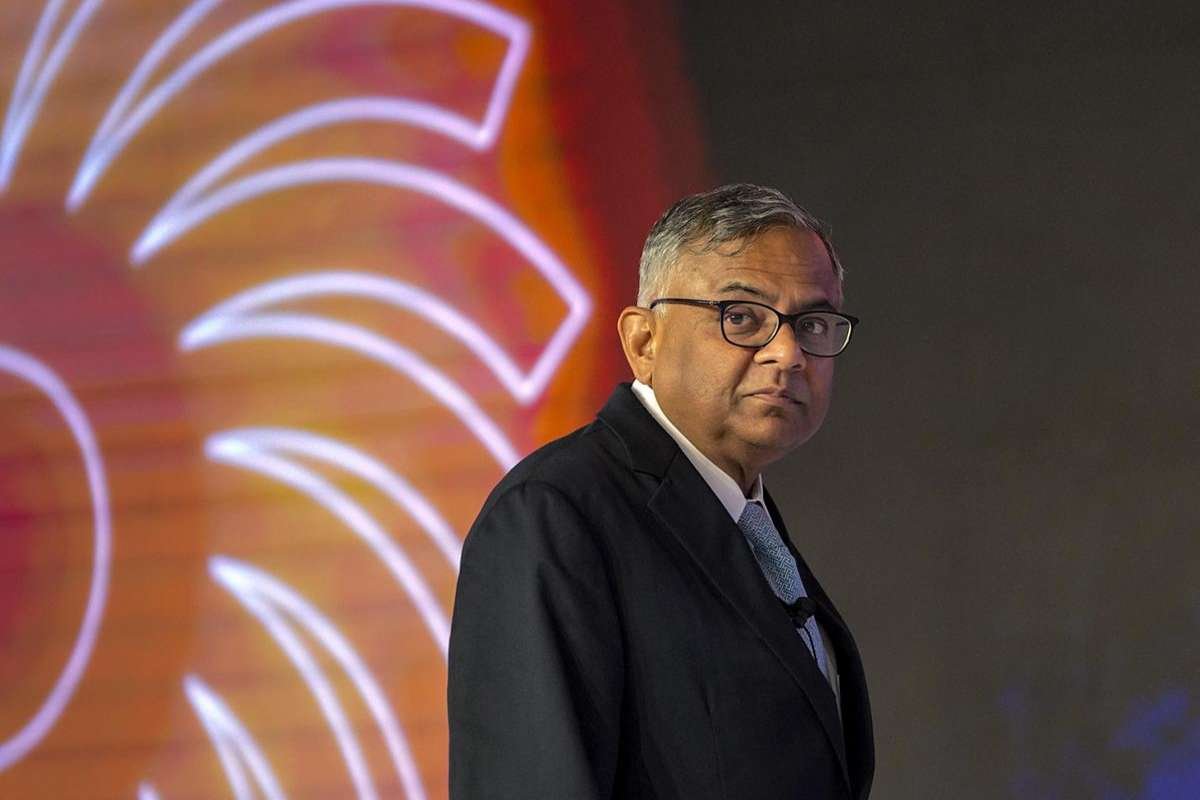
Tata Sons Chandrasekaran reappointment is being defended by the company after it sought legal opinions from former top judges, as Tata Trusts continues to challenge the board vote.
Tata Sons Chandrasekaran reappointment: board vote defended
Tata Sons told Tata Trusts Chairman Noel Tata that the board validly approved Chandrasekaran’s reappointment at its Sept. 17 meeting. The company said the decision followed its Articles of Association and applicable law.
The dispute centers on Articles 118 and 121 of Tata Sons’ Articles of Association. Article 118 sets out a special process for selecting a new chairman when Tata Trusts holds the required shareholding, while Article 121 covers certain board decisions requiring support from Tata Trusts’ nominated directors.
The Tata Sons Chandrasekaran reappointment was approved at the company’s September 17 board meeting, but Tata Trusts has disputed the validity of the decision.
Tata Sons said Article 118 does not apply because Chandrasekaran is an incumbent chairman seeking another term, rather than a person being appointed chairman for the first time.
The Tata Sons Chandrasekaran reappointment dispute centers on whether Article 118 applies to an incumbent chairman seeking another term.
“The procedure under Article 118 of the AoA relates to the first appointment of a new chairman and not a reappointment of an existing Chairman,” Tata Sons said in its Sept. 24 letter to Noel Tata.
Former judges back tata sons chandrasekaran reappointment
Tata Sons sought opinions from former Chief Justice of India Uday Umesh Lalit and former Supreme Court judge B.N. Srikrishna after Noel Tata questioned the legality of the board resolution.
Lalit said the casting vote used during the meeting satisfied the requirements of Article 121. Four of the five directors voting on the proposal supported Chandrasekaran, while Noel Tata opposed it.
“Since there was equality of votes among the directors pursuant to Article 104(B), the presiding or the officiating chairman, by putting his casting vote, satisfied the requirement under Article 121,” Lalit said in his opinion.
Lalit concluded that the Sept. 17 resolution “was validly passed.” Srikrishna similarly said the board’s action was consistent with the “letter and spirit” of Article 121 and said Venu Srinivasan, the other Tata Trusts nominee, acted according to his statutory duties as a director.
Senior advocate Sudipto Sarkar also supported the use of the chairman’s casting vote, saying Article 121 could apply when votes are equal among directors appointed under Article 104B or across the board.
Tata trusts rejects the casting vote
Tata Trusts has disputed that interpretation. It says the Articles require affirmative support from a majority of its nominated directors for decisions covered by Article 121.
Tata Trusts, however, has challenged the Tata Sons Chandrasekaran reappointment, arguing that the required support from its nominated directors was not secured.
Noel Tata voted against Chandrasekaran’s reappointment, while Srinivasan supported it. Tata Trusts argues that the two nominees therefore did not provide the required majority.
“A condition is either met, or it is not,” Tata Trusts said, arguing that a casting vote cannot override the separate requirement involving its nominated directors. The Trusts said the reappointment resolution was therefore not validly passed.
Noel Tata separately objected to the Sept. 17 proceedings, saying the vote was conducted subject to conditions that were later breached. He called the reappointment resolution “null and void ab initio” and sought a public correction from Tata Sons.
Chandrasekaran has led Tata Sons since 2017. His current term expires in February 2027. Tata Sons has said shareholders will consider his continuation as a director at a future general meeting.
The dispute over Chandrasekaran’s reappointment remains focused on the interpretation of Tata Sons’ Articles of Association and the chairman’s casting vote.
The Tata Sons Chandrasekaran reappointment remains disputed as both sides interpret Articles 118 and 121 differently.
The dispute remains centered on how Tata Sons’ Articles of Association apply to the reappointment and the use of the chairman’s casting vote.
Also read: https://businessviewpointmagazine.com/news/